16 products
Angle Grinder Wire Brushes
angle-grinder-wire-brushes

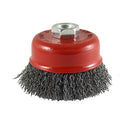
TIMCO Angle Grinder Cup Brush Crimped Steel Wire - 125mm
- Pack quantity
- 1 Each
- Price
- £9.44Incl. VAT
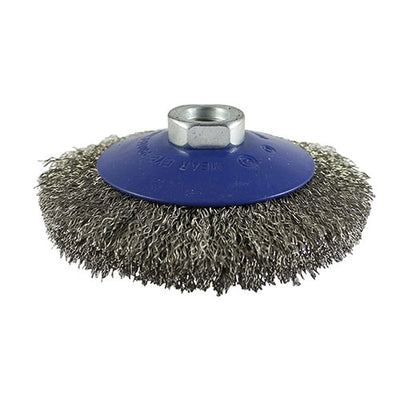
TIMCO Angle Grinder Bevel Brush Crimped Stainless Steel - 115mm
- Pack quantity
- 1 Each
- Price
- £9.13Incl. VAT
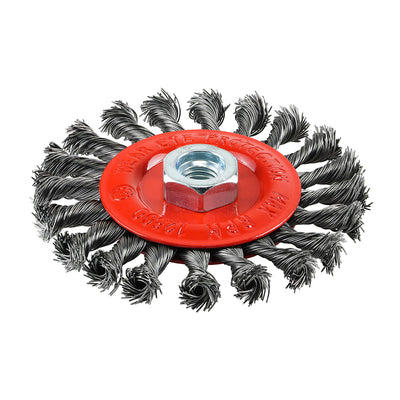
TIMCO Angle Grinder Wheel Brush Twisted Knot Steel Wire - 115mm
- Pack quantity
- 1 Each
- Price
- £7.09Incl. VAT
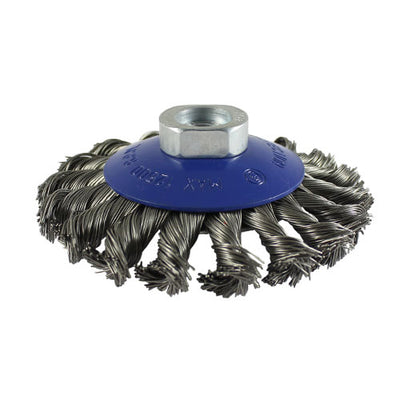
TIMCO Angle Grinder Bevel Brush Twisted Knot Stainless Steel - 100mm
- Pack quantity
- 1 Each
- Price
- £10.58Incl. VAT
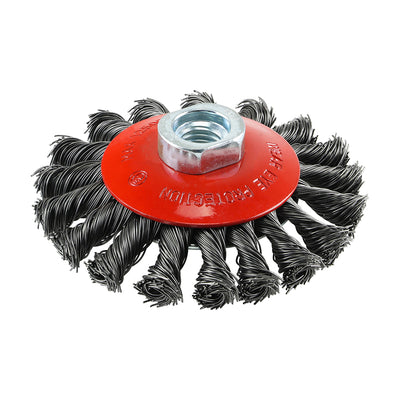
TIMCO Angle Grinder Bevel Brush Twisted Knot Steel Wire - 100mm
- Pack quantity
- 1 Each
- Price
- £7.32Incl. VAT
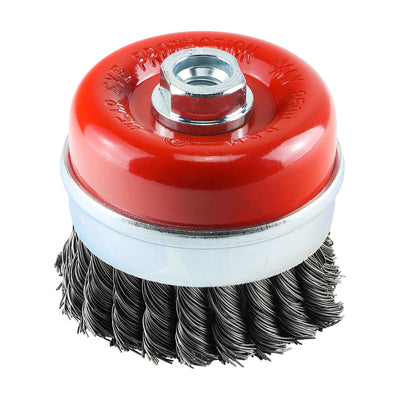
TIMCO Angle Grinder Cup Brush Twisted Knot Steel Wire - 80mm
- Pack quantity
- 1 Each
- Price
- £9.82Incl. VAT
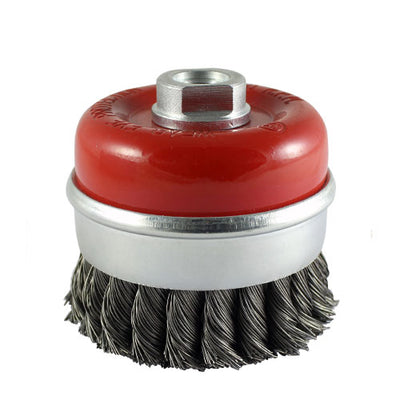
TIMCO Angle Grinder Cup Brush Twisted Knot Steel Wire - 100mm
- Pack quantity
- 1 Each
- Price
- £12.59Incl. VAT
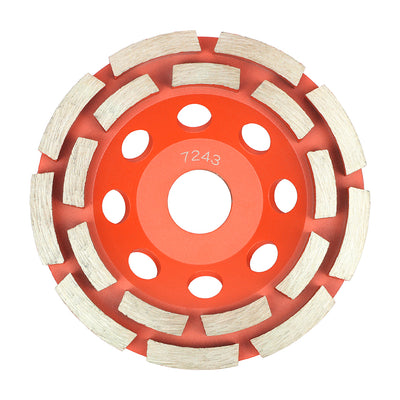
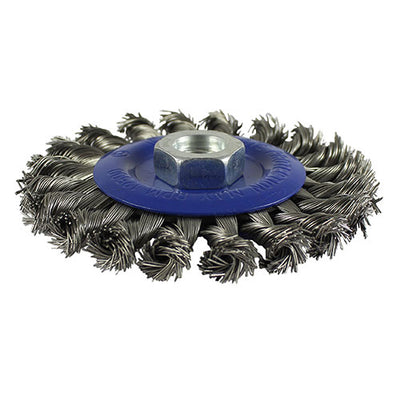
TIMCO Angle Grinder Wheel Brush Twisted Knot Stainless Steel - 115mm
- Pack quantity
- 1 Each
- Price
- £11.98Incl. VAT
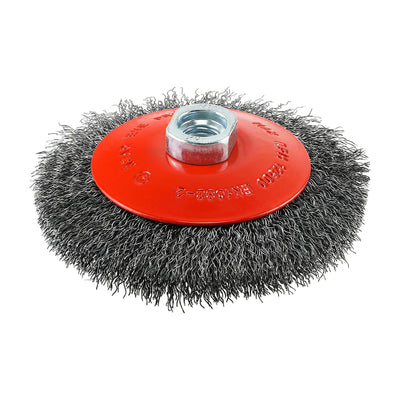
TIMCO Angle Grinder Bevel Brush Crimped Steel Wire - 115mm
- Pack quantity
- 1 Each
- Price
- £5.69Incl. VAT
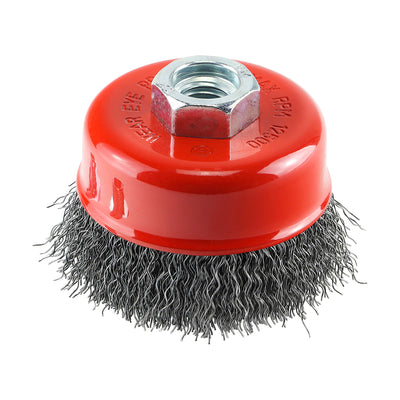
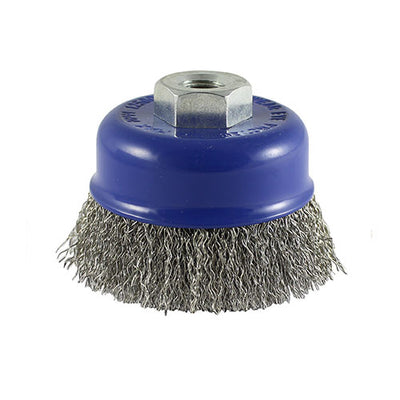
TIMCO Angle Grinder Cup Brush Crimped Stainless Steel - 75mm
- Pack quantity
- 1 Each
- Price
- £9.02Incl. VAT
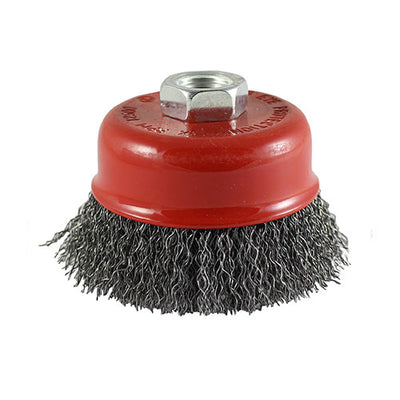
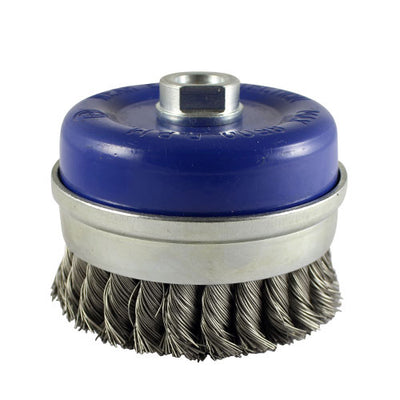
TIMCO Angle Grinder Cup Brush Twisted Knot Stainless Steel - 100mm
- Pack quantity
- 1 Each
- Price
- £20.28Incl. VAT
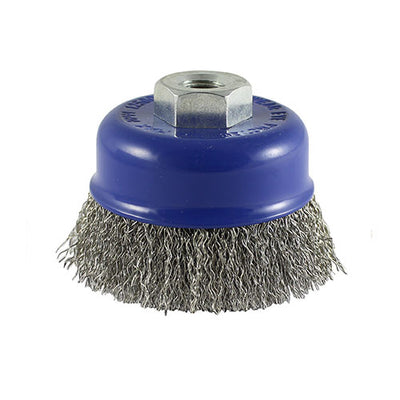
TIMCO Angle Grinder Cup Brush Crimped Stainless Steel - 100mm
- Pack quantity
- 1 Each
- Price
- £10.93Incl. VAT
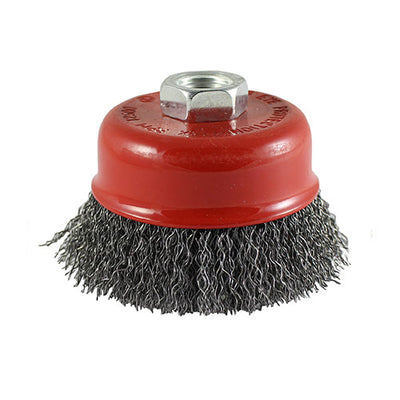
Angle Grinder Wire Brushes for Metal, Rust and Weld Prep
Rust, scale, and old paint slow every job down. The wrong brush leaves scratches, burns out fast, or fails to cut. Angle grinder wire brushes are built to strip surfaces fast and clean. This range covers cup brushes, disc brushes, and twisted knot brushes. You will find stainless steel wire brush options for angle grinders here. All are suitable for trade, fabrication, and site use across the UK.
Wire Brushes Built for Angle Grinders
An angle grinder wire brush is a rotating abrasive tool. It attaches directly to your angle grinder. It removes rust, weld splatter, mill scale, and old coatings quickly.
Wire brushes for angle grinders spin at high speed. The wire filaments scrub the surface aggressively. This makes them far faster than hand brushing or sanding alone.
They are used in metal fabrication, welding prep, automotive work, and general maintenance. Builders, engineers, and tradespeople across the UK rely on them daily.
Safety note: Always wear a full face shield when using an angle grinder wire brush. Wire filaments can break free at speed and cause serious injury. Never exceed the maximum RPM printed on the brush.
Types of Wire Brushes for Angle Grinders
Different brush styles suit different tasks. Knowing the difference helps you pick the right tool.
Twisted Knot Wire Brush
Twisted knot brushes are the most aggressive type available. The wire strands are twisted tightly into knots. This gives a harder, stiffer cutting action. They are ideal for heavy rust removal and weld splatter. Best used on thick steel and hard metal surfaces.
Crimped Wire Brush
Crimped wire brushes have wavy, flexible filaments. They are less aggressive than knotted types. They give a smoother finish on softer metals. Good for light rust removal, cleaning welds, and surface preparation before painting.
Cup Wire Brush for Angle Grinder
A cup wire brush has a bowl-shaped body. The wire filaments face outward around the rim. It covers a wider surface area in one pass. Ideal for cleaning flat plates, pipes, and structural steel sections. Very effective at removing mill scale and heavy corrosion.
Disc Wire Brush for Angle Grinder
A disc wire brush is flat and circular in shape. It gives precise, controlled surface cleaning. It works well on corners, edges, and detailed metalwork. Good for weld seam cleaning and de-scaling narrow areas.
Stainless Steel Wire Brush for Angle Grinder
Stainless steel wire brushes are made with stainless filaments. They do not leave carbon deposits on the surface. This is important when working on stainless steel or aluminium. Using a carbon steel brush on stainless steel can cause rust contamination. Always use a stainless steel wire brush on stainless work.
Carbon Steel Wire Brush
Carbon steel wire brushes are a general-purpose option. They are tough and long-lasting on mild steel. Use them for rust removal, paint stripping, and surface cleaning. Not suitable for stainless steel or aluminium surfaces. A popular choice for everyday fabrication and site work.
What Are Angle Grinder Wire Brushes Used For?
Angle grinder metal wire brushes are used across a wide range of tasks. Here are the most common applications in the UK trade and industry.
Rust Removal
Wire brushes strip rust from steel and iron fast. Twisted knot brushes cut through heavy corrosion with ease. This is one of the most common uses in metal fabrication and maintenance.
Weld Cleaning and Preparation
Before welding, surfaces must be clean and free of contaminants. After welding, wire brushes remove slag, splatter, and discolouration. A clean weld joint improves bond strength and finish quality.
Paint and Coating Stripping
Old paint, epoxy coatings, and primers can be stripped with a wire brush. This prepares the surface for fresh paint or protective coatings. Faster than chemical stripping on smaller areas.
Mill Scale Removal
Mill scale forms on hot-rolled steel during manufacturing. It must be removed before painting, welding, or galvanising. A knotted wire cup brush cuts through mill scale efficiently.
Surface Preparation Before Painting
Bare metal must be clean for paint to bond properly. Wire brushes remove loose scale, oxidation, and contamination. This helps primers and topcoats adhere for longer.
Automotive and Restoration Work
Wire brushes are used to clean chassis, body panels, and brake parts. They remove rust and old underseal quickly. A popular tool in classic car restoration and bodyshop prep work.
How to Pick the Right Wire Brush for Your Angle Grinder
The right wire brush depends on the job, the metal, and your grinder size. Here is a straightforward guide to help you decide.
| Task | Best Brush Type | Wire Material |
|---|---|---|
| Heavy rust removal on mild steel | Twisted knot cup brush | Carbon steel |
| Light cleaning and weld prep | Crimped disc brush | Carbon steel or stainless |
| Cleaning stainless steel welds | Twisted knot or crimped disc | Stainless steel only |
| Wide surface descaling | Cup wire brush | Carbon steel |
| Detail and edge cleaning | Disc wire brush | Carbon or stainless steel |
| Paint stripping from steel | Crimped cup brush | Carbon steel |
| Aluminium surface cleaning | Crimped disc brush | Stainless steel only |
Important: Check your angle grinder's bore size before ordering. Most UK angle grinders use a standard M14 thread fitting. Always confirm the brush bore matches your grinder spindle.
Matching Brush Size to Your Angle Grinder
Angle grinder wire brushes come in different diameters. The brush diameter must match the grinder disc size it is rated for.
115mm (4.5 inch) Grinders
The most common grinder size in the UK. Use 115mm wire brushes for this size. Suitable for light to medium rust removal and weld cleaning. Good for one-handed use in tighter spaces.
125mm (5 inch) Grinders
A slightly larger format for more aggressive work. Use 125mm wire brushes on these machines. Covers more surface area per pass than a 115mm brush. Popular for structural steel and heavier fabrication tasks.
150mm and Larger Grinders
Larger grinders are used in industrial and heavy fabrication work. Match the brush diameter to the grinder guard rating. Never fit a brush rated for a smaller machine on a larger grinder.
Check the Max RPM Rating
Every wire brush has a maximum safe RPM printed on its body or packaging. Your grinder must not exceed this speed. Running a brush above its rated RPM risks wire ejection and injury. Always check before fitting.
Angle Grinder Wire Brush Safety in the UK
Wire brushes for angle grinders are classed as power tool abrasives. UK health and safety regulations apply to their use on site and in workshops.
Always wear the correct PPE. This includes a full face shield, not just safety glasses. Heavy gloves, ear protection, and a dust mask are also recommended.
Inspect the brush before each use. Look for bent, missing, or loose wire filaments. A damaged brush must be discarded. Do not attempt to repair it.
Keep bystanders clear of the work area. Wire strands can eject at speed in any direction. Always use the grinder guard. Never remove it for wire brush use.
UK Site Rule: PUWER regulations require all power tools to be fit for purpose. Damaged or overloaded wire brushes are a reportable hazard. Replace worn brushes before they fail, not after.
Find the Right Angle Grinder Wire Brush for Your Work
Use the filters above to narrow by brush type, wire material, and grinder size. Check each product page for maximum RPM, bore size, and recommended grinder compatibility before ordering.
Whether you need a stainless steel wire brush for angle grinder work on stainless fabrications, a heavy-duty twisted knot cup brush for rust removal, or a flat disc brush for weld seam cleaning, this range has the right angle grinder metal wire brush for your job. All products are suited to trade and professional use in the UK.
For cutting and grinding discs to use alongside your wire brushes, see our angle grinder discs range. For other abrasive and surface preparation tools, visit our abrasives section.
Frequently Asked Questions
What is an angle grinder wire brush used for?
It removes rust, mill scale, weld splatter, and old paint from metal surfaces. It fits directly onto an angle grinder and spins at high speed. Much faster than hand brushing or manual scraping.
What is the difference between a cup brush and a disc brush for an angle grinder?
A cup brush has a bowl shape and covers wide, flat areas quickly. A disc brush is flat and better suited for edges, corners, and detailed work. Use a cup brush for descaling large surfaces and a disc brush for precision cleaning.
Can I use a carbon steel wire brush on stainless steel?
No. Carbon steel wire can leave iron deposits on stainless steel surfaces. This causes rust contamination and can ruin the finish. Always use a stainless steel wire brush for angle grinder work on stainless materials.
What size wire brush fits a 115mm angle grinder?
Use a 115mm diameter wire brush on a 115mm angle grinder. Check the bore size too. Most UK grinders use an M14 thread. Always confirm the maximum RPM on the brush matches your grinder's no-load speed.
How long does an angle grinder wire brush last?
Lifespan depends on the task, the pressure applied, and the material being cleaned. Twisted knot brushes last longer on heavy work than crimped types. Discard any brush with missing, bent, or loose wire strands immediately.
Is a twisted knot wire brush more aggressive than a crimped brush?
Yes. Twisted knot brushes are stiffer and more aggressive. They cut through heavy rust, scale, and weld deposits faster. Crimped brushes are softer and leave a smoother surface finish. Use twisted knot for heavy prep and crimped for lighter cleaning work.
Do I need a face shield when using a wire brush on an angle grinder?
Yes. A full face shield is essential, not optional. Wire filaments can snap and eject at high speed in any direction. Safety glasses alone do not give enough protection for this task.