621 products
Engineering Fasteners
engineering-fasteners
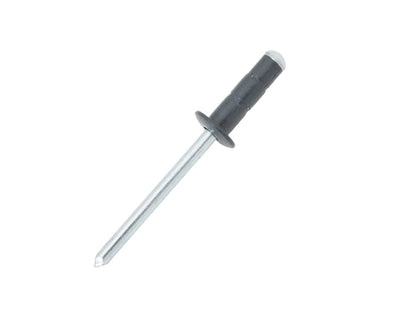
4.8 x 15 Aluminium / Steel Dome Head Multigrip Rivets Anthracite Grey RAL 7016 (100pcs)
- Pack quantity
- 100
- Price
- £3.36Incl. VAT
4.8 x 15 Aluminium / Steel Dome Head Multigrip Rivets Black 00E53 (100pcs)
- Pack quantity
- 100
- Price
- £3.36Incl. VAT
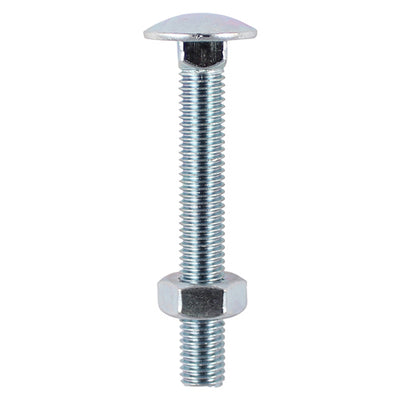
TIMCO Carriage Bolts DIN603 & Hex Full Nuts DIN934 Silver - M8 x 200 (25pcs)
- Pack quantity
- 25 Pieces
- Price
- £9.22Incl. VAT
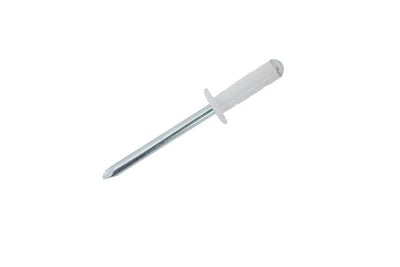
4.8 x 15 Aluminium / Steel Dome Head Multigrip Rivets White 00E55 (100pcs)
- Pack quantity
- 100
- Price
- £3.36Incl. VAT
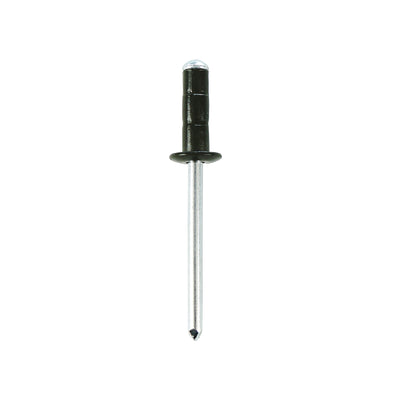
4.8 x 15 Aluminium / Steel Dome Head Multigrip Rivets Juniper Green 12B29 (100pcs)
- Pack quantity
- 100
- Price
- £3.36Incl. VAT
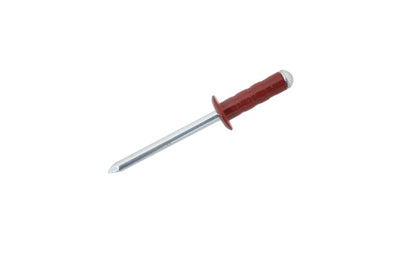
4.8 x 15 Aluminium / Steel Dome Head Multigrip Rivets Burano RAL 3004 (100pcs)
- Pack quantity
- 100
- Price
- £3.36Incl. VAT
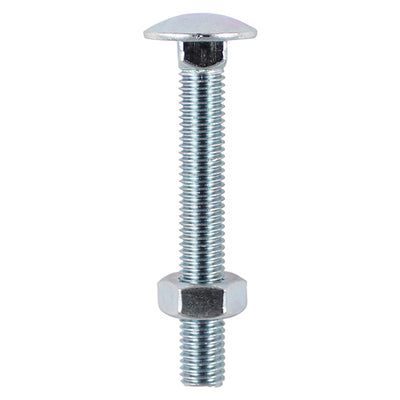
TIMCO Carriage Bolts DIN603 & Hex Full Nuts DIN934 Silver - M8 x 160 (25pcs)
- Pack quantity
- 25 Pieces
- Price
- £6.47Incl. VAT
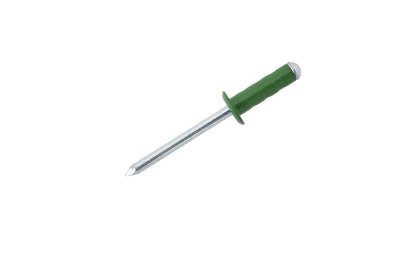
4.8 x 15 Aluminium / Steel Dome Head Multigrip Rivets Heritage Green RAL 6002 (100pcs)
- Pack quantity
- 100
- Price
- £3.36Incl. VAT
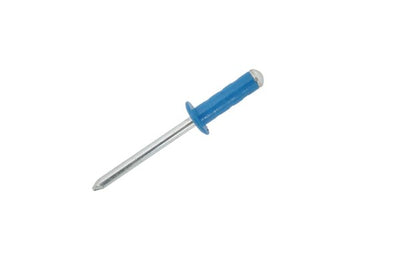
4.8 x 15 Aluminium / Steel Dome Head Multigrip Rivets Bahama Blue RAL 5015 (100pcs)
- Pack quantity
- 100
- Price
- £3.36Incl. VAT
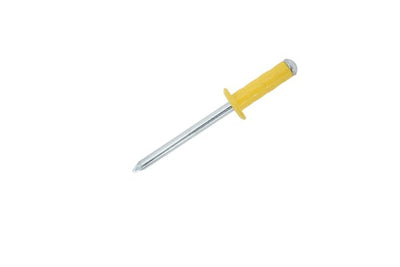
4.8 x 15 Aluminium / Steel Dome Head Multigrip Rivets Aztec Yellow 10E55 (100pcs)
- Pack quantity
- 100
- Price
- £3.36Incl. VAT
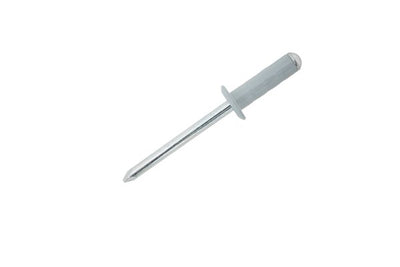
4.8 x 15 Aluminium / Steel Dome Head Multigrip Rivets Albatross 10B17 (100pcs)
- Pack quantity
- 100
- Price
- £3.36Incl. VAT
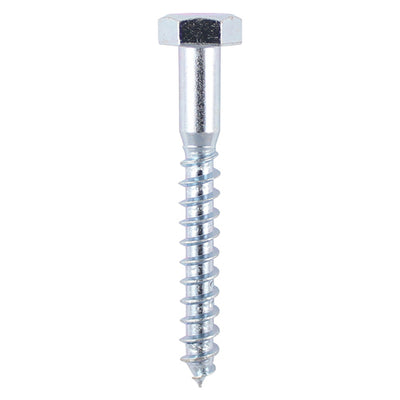
TIMCO Coach Screws Hex Head Silver - 12.0 x 150 (12pcs)
- Pack quantity
- 12 Pieces
- Price
- £6.56Incl. VAT
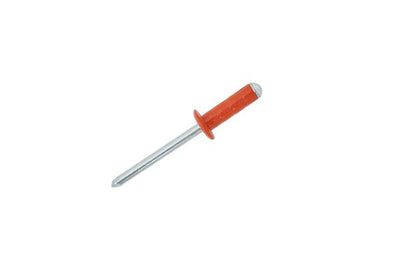
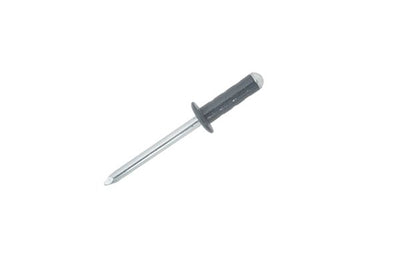
4.8 x 15 Aluminium / Steel Dome Head Multigrip Rivets Merlin Grey 18B25 (100pcs)
- Pack quantity
- 100
- Price
- £3.36Incl. VAT
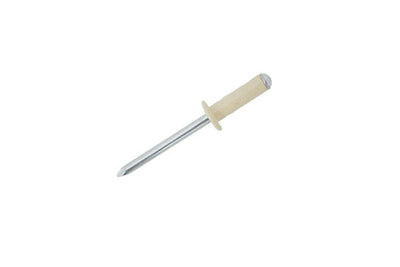
4.8 x 15 Aluminium / Steel Dome Head Multigrip Rivets Honesty 10C31 (100pcs)
- Pack quantity
- 100
- Price
- £3.36Incl. VAT
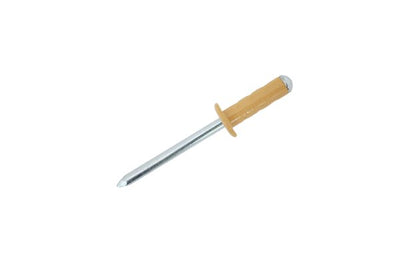
4.8 x 15 Aluminium / Steel Dome Head Multigrip Rivets Bamboo 08C35 (100pcs)
- Pack quantity
- 100
- Price
- £3.36Incl. VAT
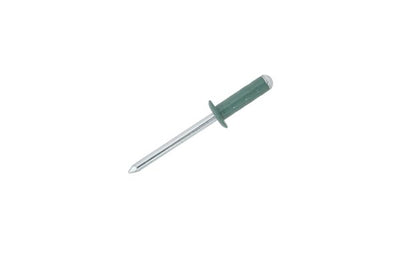
4.8 x 15 Aluminium / Steel Dome Head Multigrip Rivets Jade 14C37 (100pcs)
- Pack quantity
- 100
- Price
- £3.36Incl. VAT
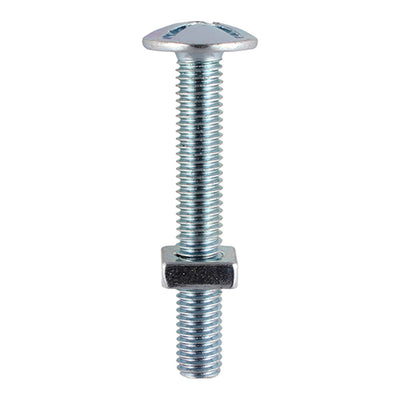
TIMCO Roofing Bolts & Square Nuts Silver - M6 x 70 (100pcs)
- Pack quantity
- 100 Pieces
- Price
- £8.86Incl. VAT
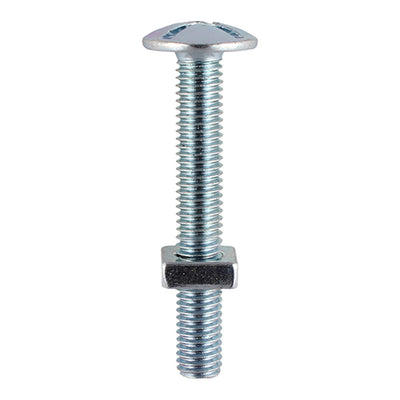
TIMCO Roofing Bolts & Square Nuts Silver - M6 x 35 (100pcs)
- Pack quantity
- 100 Pieces
- Price
- £5.96Incl. VAT

TIMCO Carriage Bolts DIN603 & Hex Full Nut DIN934 Silver - M12 x 180 (8pcs)
- Pack quantity
- 8 Pieces
- Price
- £8.20Incl. VAT
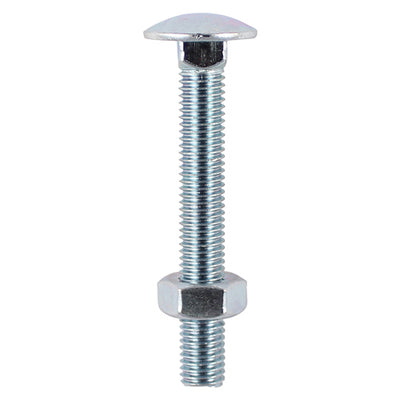
TIMCO Carriage Bolts DIN603 & Hex Full Nut DIN934 Silver - M12 x 150 (10pcs)
- Pack quantity
- 10 Pieces
- Price
- £8.20Incl. VAT
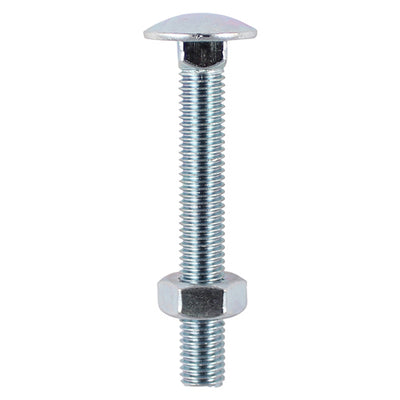
TIMCO Carriage Bolts DIN603 & Hex Full Nut DIN934 Silver - M8 x 150 (24pcs)
- Pack quantity
- 24 Pieces
- Price
- £8.20Incl. VAT
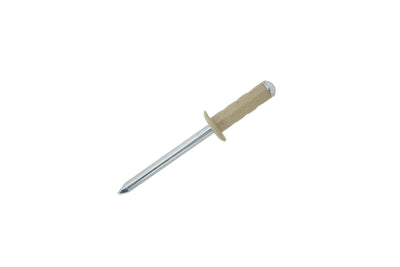
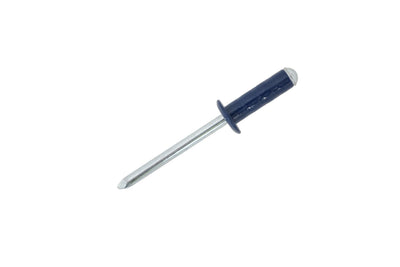
4.8 x 15 Aluminium / Steel Dome Head Multigrip Rivets Sargasso RAL 5003 (100pcs)
- Price
- £3.36Incl. VAT
The Right Fix Starts with the Right Fastener
Engineering fasteners hold every project together. The right fixing makes joints strong and lasting. Choose from rivets, bolts, nuts, and threaded fixings. Find the correct fastener for your project today.
What Are Engineering Fasteners and Fixings?
Engineering fasteners are parts used to join materials. They create secure connections in assemblies and structures.
Common types include rivets, bolts, nuts, and screws. Each type has a different job and strength rating.
Some fasteners create permanent joints, like rivets. Others are removable, like bolts and nuts.
The wrong fastener affects strength, safety, and finish. Always match the fixing to the task and material.
Types of Engineering Fasteners Available
Each fastener type works differently. Knowing the options helps you choose correctly.
Blind Rivets (Pop Rivets)
Blind rivets fix materials from one side only. No rear access is needed during installation. They create a permanent, vibration-resistant joint. Available in dome head and countersunk head styles.
Countersunk Stainless Steel Rivets
These rivets sit flush with the surface after setting. The head does not protrude above the material. Use them where a clean, smooth finish is needed. Stainless steel adds strong corrosion resistance.
Nut Screws and Bolts
Bolts pass through materials and fasten with a nut. The connection can be undone and redone. Thread size must match on both bolt and nut. Available in metric sizes for UK engineering work.
Machine Screws
Machine screws fix into threaded holes or nuts. Used in precision engineering and panel work. Common in electronics, enclosures, and light assemblies. Available in a range of head and drive styles.
Set Screws (Grub Screws)
Set screws lock parts onto a shaft or rod. They sit fully inside the material when fitted. Driven using a hex key or Allen key. Common in mechanical and engineering assemblies.
Threaded Fixings and Studs
Threaded fixings include studs and threaded rods. Used where standard bolts cannot be applied directly. They create strong, reusable connections. Useful in panel, structural, and suspension work.
Countersunk Stainless Steel Rivets: When to Use Them
A countersunk rivet has an angled, flat head. Once set, the head sits level with the material surface.
No part of the fastener sticks up above the surface. This gives a smooth, snag-free finish to the joint.
Use them where a protruding head causes a problem. Common uses include sheet metal, panels, and enclosures.
Stainless steel rivets resist rust and corrosion well. Available in A2 grade for general outdoor conditions. A4 grade suits coastal and marine environments.
Key point on grip range: Measure the total thickness of all clamped layers. Choose a rivet whose grip range covers that full thickness. A rivet outside its grip range will not set correctly.
How to Choose the Right Rivet
Measure the combined thickness of all joined layers. Find a rivet with a grip range that covers that number.
Match the rivet diameter to the load being carried. Drill the hole size stated in the product specification.
Use countersunk head where the surface must be flush. Use dome head for general all-purpose joining work. Use large flange head on soft or brittle materials.
Do not use the same rivet diameter for every job. Larger diameters carry more shear load across the joint.
Nut Screws and Bolts for Removable Connections
Bolts and nuts create joints that can be taken apart. This suits assemblies that need servicing or maintenance.
A bolt has an external thread along its shank. A nut threads onto the bolt from the opposite side. Together they clamp the materials firmly in place.
Metric threads are the standard in UK engineering. Common sizes run from M3 through to M24 and beyond.
Always match the bolt and nut to the same thread pitch. Mixing thread types or pitches damages both parts.
Hexagon Head Bolts
The most common bolt head in engineering work. Driven with a spanner or socket wrench. Good for high-torque and structural applications.
Socket Cap Screws
Driven with a hex key for a compact fixing. The low-profile head suits tight spaces. Precise and strong for engineering assemblies.
Plain Hexagon Nuts
The standard nut for most bolt connections. Fully removable and reusable. Thread size must match the bolt exactly.
Nyloc Nuts
A nylon insert resists self-loosening under vibration. Use them where a standard nut may work loose. Replace with a new one after repeated removal.
Quick rule: If the fastener has a hexagon head, it is a bolt. If it has a socket or slotted head, it is a screw. Both use threads, but they work differently in assembly.
Common Materials Used in Engineering Fasteners
Fastener material affects performance and service life. Choose based on the working environment and load.
A2 Stainless Steel
Good corrosion resistance for most conditions. The standard choice for outdoor and damp use. Suitable for general engineering and fabrication.
A4 Stainless Steel (Marine Grade)
Higher resistance to salt water and chemicals. Best for coastal, marine, and chemical environments. Also suits treated or preservative-coated materials.
Zinc Plated Steel
A cost-effective option for indoor dry conditions. The zinc coating gives basic corrosion protection. Not suitable for long-term outdoor exposure.
Plain Carbon Steel
Strong and widely used in engineering work. Best in dry, covered, indoor conditions. Rusts if exposed to moisture without a coating.
Watch out for galvanic corrosion: Joining two different metals can cause corrosion. For example, an aluminium sheet with a steel rivet can degrade. Match the fastener material to the base material where possible.
Engineering Fastener Selection Guide
Use this table as a starting point for choosing products. Always check the full product specification before ordering.
| Application | Recommended Fastener | Key Point |
|---|---|---|
| Sheet metal joining, one-side access | Blind rivets, dome or countersunk head | Match grip range to total material thickness |
| Flush surface finish required | Countersunk stainless steel rivets | Head sits level with surface after setting |
| Removable mechanical joints | Metric hexagon bolts and plain nuts | Thread pitch must match on bolt and nut |
| Vibration-prone assemblies | Nyloc nuts or locking rivets | Nylon insert resists self-loosening |
| Precision panel and enclosure work | Machine screws with matching nuts | Use correct driver bit for head type |
| Shaft locking on mechanical parts | Set screws (grub screws) | Fully recessed, no protruding head |
| Outdoor or damp conditions | A2 stainless steel fasteners | Upgrade to A4 for coastal or chemical use |
Common Fastener Buying Mistakes to Avoid
Small errors in selection cause real problems on site. These are the most common ones to watch out for.
Wrong Grip Range for Rivets
A rivet outside its grip range will not set properly. Add up all clamped layers before ordering. Then select a rivet that covers the total thickness.
Mismatching Bolt and Nut Threads
Bolt and nut must share the same thread pitch. Forcing mismatched threads damages both parts. Check metric size and pitch before you order.
Using Indoor Fasteners Outside
Zinc-plated steel corrodes in wet conditions. Use A2 stainless as the minimum for outdoor use. Choose A4 in coastal or chemical environments.
Drilling an Oversized Rivet Hole
A hole that is too large causes rivet failure. The rivet body may pull straight through the material. Always follow the hole size in the product specification.
Ignoring Load Direction
Rivets carry shear load across the body. Tensile load tries to pull the joint apart axially. Use published load data, not guesswork, every time.
Mixing Dissimilar Metals
Different metals in contact can corrode each other. This is called galvanic corrosion. Match the fastener material to the base material.
Explore More Fixing Solutions at JALFT
Need fixings for window or frame fabrication? Browse our range of window fabrication screws for frame and panel assembly work.
For specialist frame fixings, visit our specialist window screws collection.
Frequently Asked Questions
1. What is the difference between a rivet and a bolt?
A rivet creates a permanent joint. It cannot be removed without drilling it out. A bolt and nut make a removable connection. Use rivets for permanent joints and bolts where disassembly is needed.
2. What does grip range mean for a blind rivet?
Grip range is the total thickness a rivet can clamp correctly. Add together every layer of material being joined. Then choose a rivet whose listed grip range covers that number. A rivet outside its grip range will not form a proper joint.
3. When should I use a countersunk rivet instead of a dome head?
Use a countersunk rivet when the surface must be flush and smooth. The dome head sits proud of the surface and suits general work. Countersunk rivets are common in panels, automotive, and sheet metal work.
4. Do bolt and nut threads need to match exactly?
Yes. The bolt and nut must share the same diameter and thread pitch. In UK engineering, metric threads are the standard. Forcing mismatched threads strips both parts and ruins the joint.
5. Which stainless steel grade is best for outdoor fasteners?
A2 stainless steel suits most outdoor conditions in the UK. A4 gives better resistance in coastal or marine environments. For salt water or chemical exposure, always choose A4 grade.
6. Can I reuse a nyloc nut?
Nyloc nuts can be removed and refitted a small number of times. The nylon insert loses its locking effect with repeated use. For vibration-prone or safety-critical joints, fit a new one each time.
7. What are set screws used for in engineering?
Set screws lock a part onto a shaft or into a threaded hole. They have no protruding head and sit fully inside the material. They are driven with a hex key and are common in mechanical assemblies.
8. What is the difference between a machine screw and a wood screw?
A machine screw has a uniform thread along its full length. It is designed to fit into a threaded hole or a matching nut. A wood screw has a tapered tip and coarser thread. It cuts directly into timber without needing a pre-tapped hole. Do not use a machine screw in timber or a wood screw in metal.
9. Can stainless steel fasteners corrode?
Stainless steel resists corrosion well but is not completely immune. In very harsh conditions, such as prolonged salt water contact, even stainless steel can degrade. A2 grade suits most outdoor UK conditions. A4 grade gives better protection in coastal or chemical environments. Always check the grade before choosing a fastener for a demanding application.
10. What is galvanic corrosion and how do I avoid it?
Galvanic corrosion happens when two different metals touch in a damp environment. One metal corrodes faster than it normally would on its own. A common example is a steel rivet in an aluminium sheet. To avoid it, match the fastener material to the base material. Where this is not possible, use a barrier such as a nylon washer between the metals.
11. How do I know what size bolt I need?
Check the thread diameter and length required for your application. In the UK, metric bolt sizes are standard, from M3 to M24 and beyond. The bolt length should pass fully through all materials being joined. There should be enough thread showing beyond the final layer for the nut to grip securely. Always measure before ordering rather than estimating by eye.
12. What is the difference between a blind rivet and a solid rivet?
A blind rivet is installed from one side only using a rivet gun. The mandrel pulls through the body to set the rivet, then snaps off. A solid rivet requires access to both sides and is set by deforming the plain end. Blind rivets are far more common in general fabrication and trade work. Solid rivets are used in structural and aerospace applications.
13. Are engineering fasteners suitable for outdoor use?
It depends on the material and coating of the fastener. Zinc-plated steel fasteners are not suitable for long-term outdoor exposure. A2 stainless steel is the standard minimum for outdoor conditions in the UK. A4 stainless steel is the correct choice near the coast or in wet chemical environments. Always check the product specification confirms suitability for outdoor use.
Find the Right Engineering Fasteners at JALFT
The correct fastener makes every joint stronger and safer. The wrong one wastes time and creates risk of failure.
JALFT supplies engineering fasteners for trade and DIY use. The range includes rivets, bolts, nuts, and machine screws.
Always check diameter, grip range, thread size, and material. Read the product specification before you order.
Browse the collection above and find the right fixing. For every engineering task on every project.