8 products
Wood Adhesives
wood-adhesives
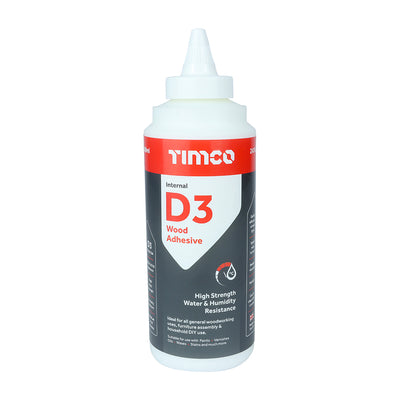

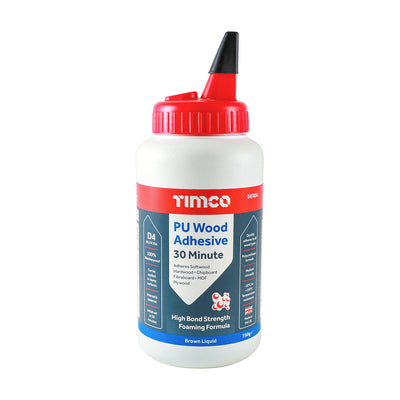
TIMCO 6 in 1 PU Wood Adhesive 30 Minutes Liquid Brown - 750g
- Pack quantity
- 1 Each
- Price
- £16.75Incl. VAT
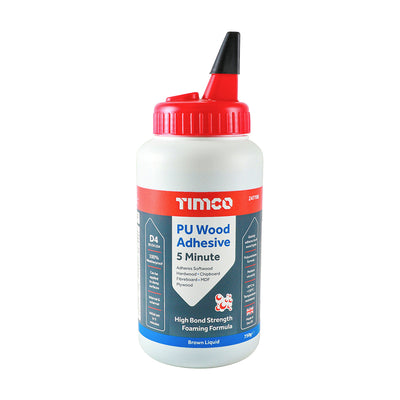
TIMCO 6 in 1 PU Wood Adhesive 5 Minutes Liquid Brown - 750g
- Pack quantity
- 1 Each
- Price
- £16.75Incl. VAT
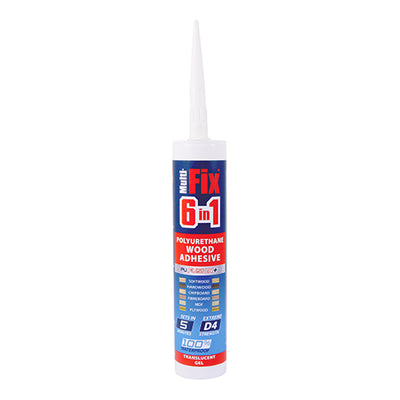
TIMCO 6 in 1 PU Wood Adhesive 5 Minutes Translucent Gel - 310ml
- Pack quantity
- 1 Each
- Price
- £9.25Incl. VAT
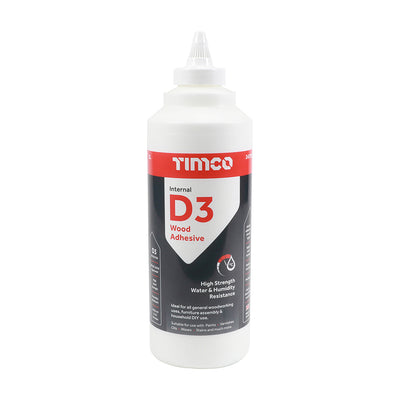
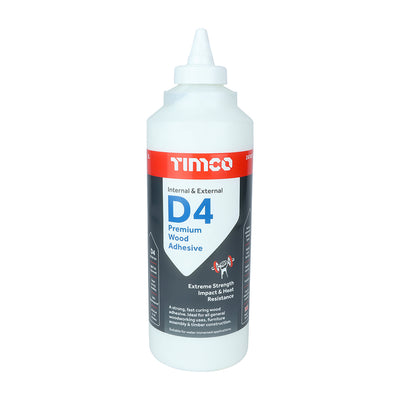
Wood Adhesives That Actually Hold
A weak bond can ruin a wood joint in days. Whether you are repairing furniture or building from scratch, the adhesive matters. This range covers strong wood glue for furniture, polyurethane wood adhesive gel, and liquid wood adhesive. Products here are suitable for trade and DIY use across the UK. Find the right wood bonding product for your job below.
Is Wood Glue Strong Enough to Replace Screws on Furniture?
Most people reach for screws when fixing wood. But the right wood adhesive can be just as strong. In some cases, it holds better over time.
Wood glue bonds by soaking into wood fibres. It then cures hard inside the joint. A well-glued joint is often stronger than the wood itself. That is why joiners and furniture makers rely on it every day.
Liquid wood adhesive spreads easily into flat joints and gaps. Polyurethane wood adhesive gel is thicker and stays where you put it. It is better for vertical surfaces or uneven joints.
Good to know: Wood adhesive works best on clean, dry surfaces. Remove old paint, grease, or dust before applying. Clamp the joint firmly and allow full cure time before putting it under load.
Types of Wood Adhesive Available
Not all wood adhesives are the same. Each type suits a different task. Here is what is available and when each one works best.
PVA Wood Glue
PVA is the most common wood glue in the UK. It is water-based, easy to apply, and dries clear. It works well on porous wood surfaces and end grain. Best used for internal joinery, flat panels, and furniture repairs. It is not waterproof, so avoid it in damp or outdoor conditions.
Polyurethane Wood Adhesive Gel
Polyurethane gel adhesive expands slightly as it cures. This helps it fill small gaps in poorly fitting joints. It bonds wood to wood and also sticks wood to metal, stone, and ceramics. It is water resistant after curing, making it good for outdoor furniture. Apply sparingly as it foams and expands.
Liquid Wood Adhesive
Liquid wood adhesive has a thin, free-flowing consistency. It spreads into tight joints and gaps with ease. It is ideal for laminate bonding, dowel joints, and tongue-and-groove work. Fast-setting versions reduce clamping time on production work.
Fast-Setting 5-Minute Wood Glue
5-minute wood glue cuts waiting time dramatically. It reaches handling strength within minutes. Useful when you cannot clamp for long or need a quick tack bond. It suits repair work, small joints, and light furniture fixing. Full strength develops over 24 hours.
Waterproof Wood Adhesive
Waterproof wood glue is rated D3 or D4 under EN 204. D3 suits humid internal conditions and brief wetting. D4 withstands extended water exposure and suits outdoor use. Use D4 for garden furniture, decking joints, and exterior frames.
Strong Wood Glue for Furniture Repairs
Furniture glue needs to bond tight joints under stress. Look for high-strength PVA or polyurethane formulas for this. They resist movement, vibration, and everyday loading. Apply to both faces, press firmly, and clamp until cured.
Which Wood Adhesive Should You Use?
The job tells you what glue you need. Here is a simple guide.
Indoor Furniture Repairs
A strong PVA wood glue works well for most furniture repairs indoors. It dries hard and clear. Clamp for 30 to 60 minutes and leave overnight.
Outdoor or Garden Wood
Use a D4-rated waterproof wood adhesive for outdoor use. Polyurethane wood adhesive gel is also a solid option here. Both handle moisture and temperature changes better than standard PVA.
Uneven or Gappy Joints
Polyurethane adhesive gel is your best option here. It expands slightly to fill gaps up to around 1mm. Standard PVA does not fill gaps and needs a close-fitting joint.
Speed Work or Quick Repairs
A 5-minute polyurethane wood adhesive gel or fast PVA is ideal. These give a working bond in minutes. Still allow 24 hours for full strength to develop.
Bonding Wood to Other Materials
Standard wood glue only bonds wood to wood reliably. For wood to metal, wood to tile, or wood to stone, use a polyurethane adhesive. It bonds a wide range of materials and cures hard.
Joinery and Cabinet Making
Liquid wood adhesive spreads evenly across large glue surfaces. It is preferred in joinery for flat panels, mortice joints, and carcass work. Fast-setting PVA reduces downtime on production runs.
Wood Adhesive Types at a Glance
Use this table to quickly compare the main wood adhesive types.
| Adhesive Type | Best For | Water Resistant? | Gap Filling? |
|---|---|---|---|
| PVA Wood Glue | Indoor furniture, joinery, panels | No (standard) / Yes (D3/D4) | No |
| Polyurethane Gel Adhesive | Outdoor wood, mixed materials, gappy joints | Yes | Yes (up to 1mm) |
| Liquid Wood Adhesive | Flat joints, dowels, laminate | Depends on formula | No |
| Fast-Set / 5-Minute Glue | Quick repairs, small joints | Depends on formula | Limited |
| Waterproof Wood Adhesive (D4) | Exterior frames, garden furniture | Yes (extended exposure) | No |
Always check the product label for cure time, clamp time, and temperature range. Most wood adhesives need temperatures above 10°C to cure properly.
How to Apply Wood Adhesive Correctly
Applying wood glue correctly makes a real difference to bond strength. Follow these steps for a solid, lasting join.
Step 1: Prepare the Surface
Sand off any old finish, paint, or varnish. Wipe away dust and grease with a clean cloth. Dry wood bonds much better than damp wood.
Step 2: Apply the Adhesive
Apply a thin, even layer to both surfaces being joined. For PVA and liquid adhesive, spread with a brush or roller. For polyurethane gel, apply with the nozzle or a spatula.
Step 3: Press and Clamp
Push the joint together firmly to squeeze out excess glue. Use clamps or tape to hold the joint in position. Wipe off any excess glue with a damp cloth before it sets.
Step 4: Allow to Cure
Leave clamps in place for the time stated on the product. Most wood glues need at least 30 to 60 minutes of clamping time. Allow 24 hours before putting the joint under any real load.
Pro tip: End grain absorbs more glue than face grain. Apply a first thin coat to end grain and let it soak in. Then apply a second coat before pressing the joint together. This gives a much stronger bond on end-grain joints.
Find the Right Wood Adhesive for Your Project
Use the filters above to narrow by adhesive type and application. Check individual product pages for full cure times, temperature ranges, and coverage rates.
Whether you need strong wood glue for furniture, a 5-minute polyurethane wood adhesive gel for fast repairs, or a waterproof liquid wood adhesive for outdoor joinery, you will find the right product here. Need help with fixings too? See our wood screws range for fixings that work alongside adhesives.
Frequently Asked Questions About Wood Adhesives
What is the best adhesive to stick wood to wood?
PVA wood glue is the most widely used option for wood-to-wood bonding. It is strong, easy to apply, and dries clear. For outdoor wood or gappy joints, a polyurethane wood adhesive gives better results. Always clamp the joint and allow full cure time for the strongest bond.
What is the difference between wood adhesive and wood glue?
The terms mean the same thing in most cases. Wood glue and wood adhesive both refer to products that bond wood surfaces together. "Wood adhesive" is often used for thicker, gel-type or polyurethane products. "Wood glue" typically refers to PVA or liquid-type formulas. Both do the same job, just with different consistencies and strengths.
What glue can I use to stick wood to wood?
PVA wood glue is the standard choice for most wood-to-wood jobs. It works on softwood, hardwood, MDF, and plywood. For a stronger or more water-resistant bond, use polyurethane wood adhesive. For very fast setting, a 5-minute wood glue gets the job done quickly.
Should I use construction adhesive or wood glue?
Wood glue is the right choice for joinery, furniture, and close-fitting wood joints. It bonds deeply into the wood fibres for a very strong join. Construction adhesive is designed for bonding materials to surfaces like walls and floors. It stays slightly flexible after curing, which suits structural fixing rather than fine joinery. For pure wood-to-wood work, wood glue is the better product.
How long does wood glue take to dry?
Most PVA wood glues reach handling strength in 30 to 60 minutes. Full cure typically takes 24 hours. Fast-setting formulas can reach handling strength in as little as 5 to 10 minutes. Always check the product label for exact times and temperature requirements.
Is polyurethane wood adhesive waterproof?
Yes. Polyurethane wood adhesive is water resistant once fully cured. It handles damp conditions, brief wetting, and outdoor exposure well. It is a good choice for garden furniture, exterior frames, and any outdoor woodwork.
Can wood adhesive fill gaps in joints?
Standard PVA wood glue does not fill gaps. It needs a tight-fitting joint to work properly. Polyurethane wood adhesive gel expands slightly as it cures. This allows it to fill small gaps up to around 1mm. For larger gaps, use a wood filler alongside the adhesive.
What temperature does wood glue need to cure?
Most wood adhesives need a temperature of at least 10°C to cure correctly. Cold conditions slow the cure and reduce final bond strength. Avoid applying wood glue in very cold or freezing conditions. Always check the product data sheet for the minimum application temperature.
Related Products
Wood adhesives are often used alongside other fixing products. For mechanical fixings that work with glued joints, see our wood screws range.
For heavy-duty structural bonding and anchoring, see our structural fixings range.