62 products
Circular Saw Blades
circular-saw-blades
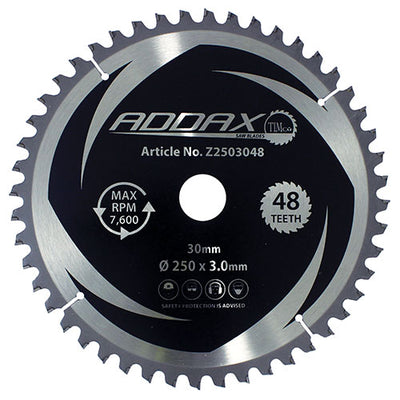
TIMCO Circular Saw Blade Combination Medium - 250 x 30 x 40T
- Pack quantity
- 1 Each
- Price
- £28.38Incl. VAT
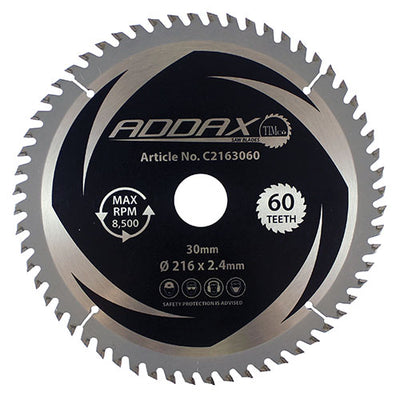
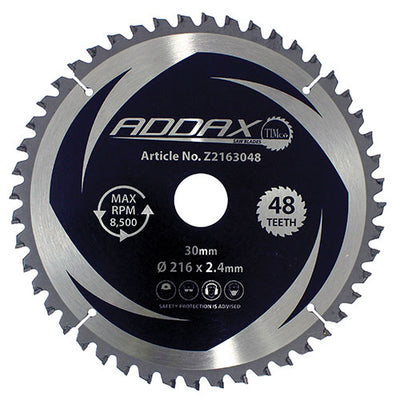
TIMCO Circular Saw Blade Fine Trim/Finishing Extra Fine - 216 x 30 x 60T
- Pack quantity
- 1 Each
- Price
- £24.04Incl. VAT
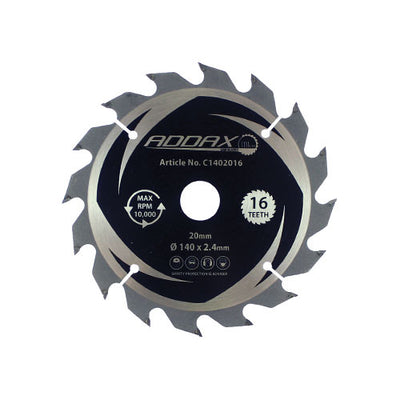
TIMCO Circular Saw Blade General Purpose Coarse/Medium - 140 x 20 x 16T
- Pack quantity
- 1 Each
- Price
- £8.52Incl. VAT
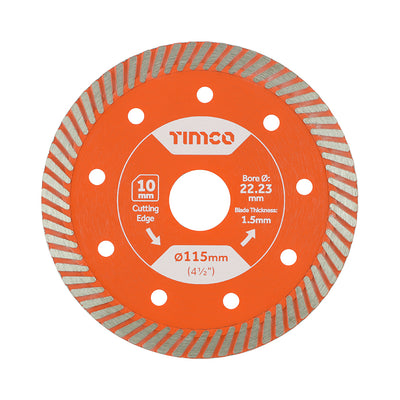
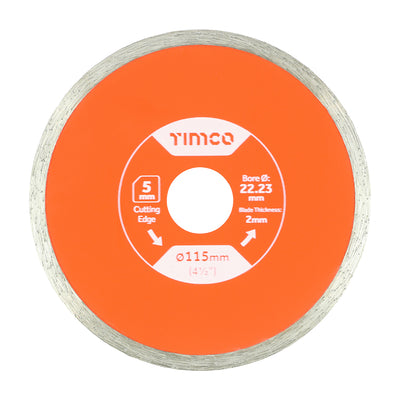
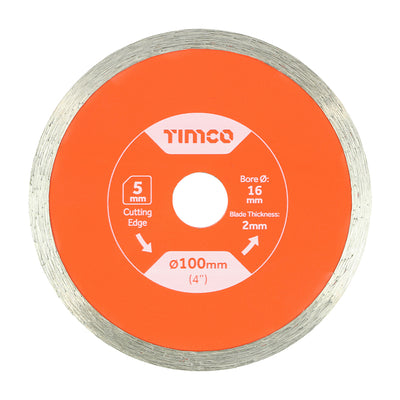
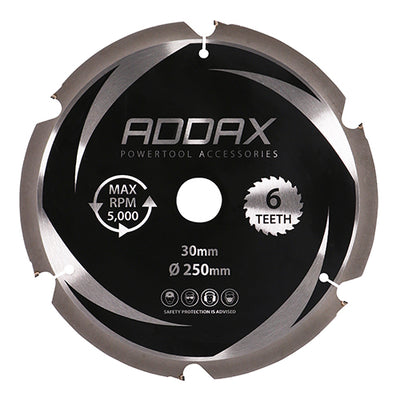
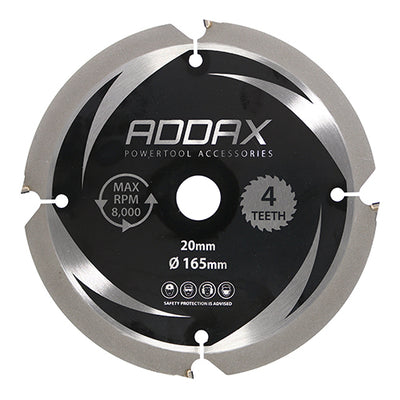
TIMCO PCD Fibre Cement Saw Blade - 250 x 30 x 6T
- Pack quantity
- 1 Each
- Price
- £73.82Incl. VAT
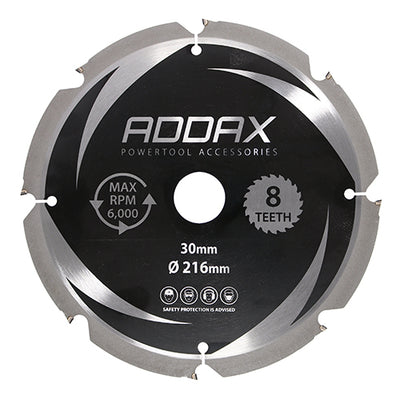
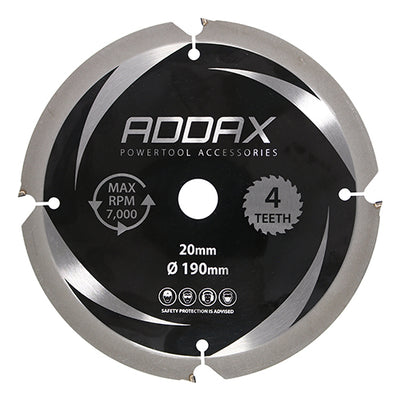
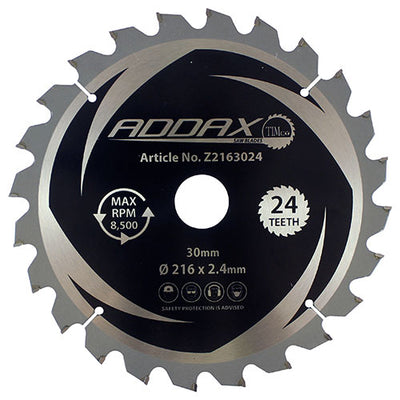
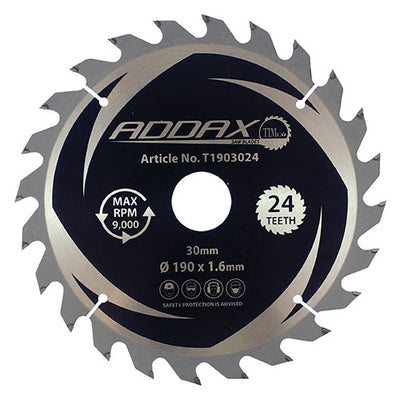
TIMCO Handheld Cordless Circular Saw Blade - 190 x 30 x 24T
- Pack quantity
- 1 Each
- Price
- £13.98Incl. VAT
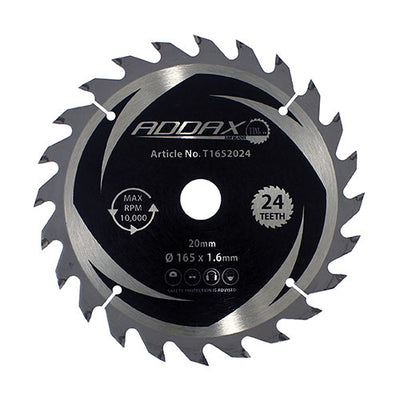
TIMCO Handheld Cordless Circular Saw Blade - 165 x 20 x 24T
- Pack quantity
- 1 Each
- Price
- £11.16Incl. VAT
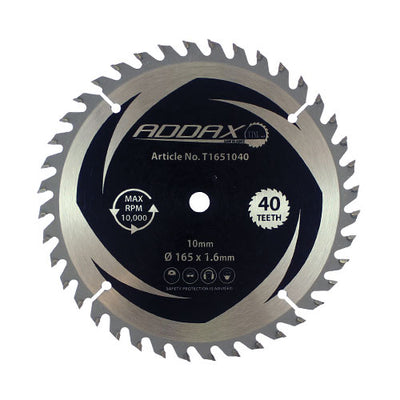
TIMCO Handheld Cordless Circular Saw Blade - 165 x 10 x 40T
- Pack quantity
- 1 Each
- Price
- £14.47Incl. VAT
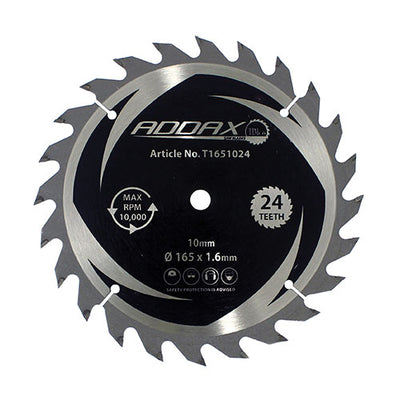
TIMCO Handheld Cordless Circular Saw Blade - 165 x 10 x 24T
- Pack quantity
- 1 Each
- Price
- £11.16Incl. VAT
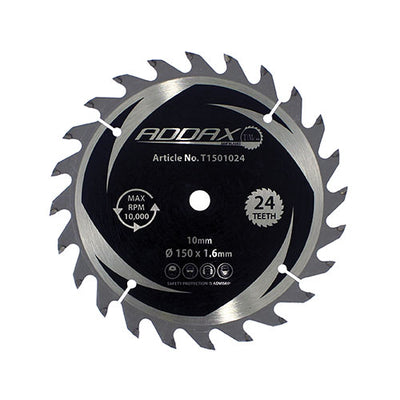
TIMCO Handheld Cordless Circular Saw Blade - 150 x 10 x 24T
- Pack quantity
- 1 Each
- Price
- £10.43Incl. VAT
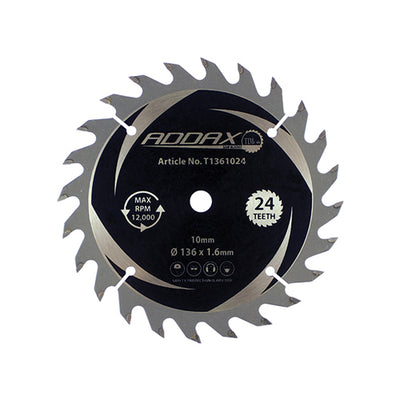
TIMCO Handheld Cordless Circular Saw Blade - 136 x 10 x 24T
- Pack quantity
- 1 Each
- Price
- £9.53Incl. VAT
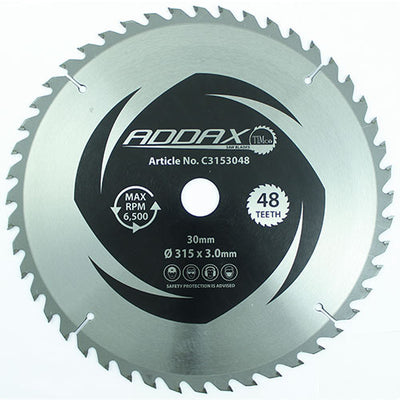
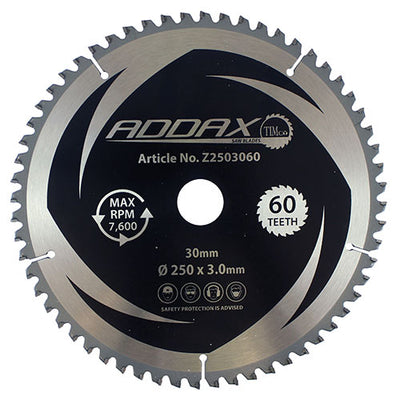
TIMCO Circular Saw Blade Trimming/Crosscut Medium/Fine - 315 x 30 x 60T
- Pack quantity
- 1 Each
- Price
- £47.48Incl. VAT
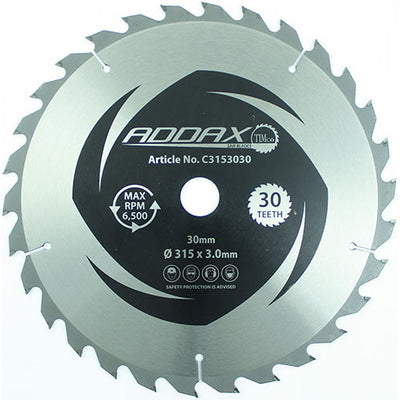
TIMCO Circular Saw Blade Combination Medium - 315 x 30 x 48T
- Pack quantity
- 1 Each
- Price
- £43.18Incl. VAT
Circular Saw Blades for Wood, Metal and Concrete
The wrong blade ruins a cut and wastes your material. It can also be dangerous on site. Here you will find circular saw blades built for real cutting tasks. This range covers woodworking circular saw blades, metal cut circular saw blades, and circular saw concrete blades. All blades suit standard circular saws used by UK tradespeople and DIYers. Find the right blade for your material and get a clean, safe cut every time.
Why the Right Circular Saw Blade Matters
A circular saw is only as good as its blade. Using a wood blade on metal will destroy the teeth fast. Using a general blade on concrete causes poor cuts and overheating.
Each blade is made for a specific material. The tooth count, tooth shape, and blade body are all different. Matching the blade to the job gives a cleaner cut and a longer blade life.
This range includes blades for timber, sheet materials, steel, aluminium, concrete, and masonry. Whether you are on a building site or in a home workshop, the right blade is here.
Safety tip: Always check the blade's maximum RPM before fitting it. It must match or exceed your saw's no-load speed. Never use a blade that is cracked, bent, or missing teeth.
Types of Circular Saw Blades
Each blade type is built for a different cutting task. Here is a clear breakdown of what is available.
Woodworking Circular Saw Blades
Woodworking circular saw blades are the most commonly used type. They cut timber, MDF, plywood, OSB, and hardwood. Higher tooth counts give smoother finishes on sheet materials. Lower tooth counts remove material faster in structural timber. Carbide-tipped teeth stay sharp far longer than standard steel teeth.
Metal Cut Circular Saw Blades
A metal cut circular saw blade uses fine teeth with a negative or low rake angle. This stops the blade from grabbing the metal and causing kickback. Suitable for cutting mild steel, stainless steel, copper pipe, and box section. Always use the correct saw speed for metal cutting blades. Slower RPM settings reduce heat and protect the blade life.
Circular Saw Concrete Blades
A circular saw concrete blade uses a diamond-tipped or abrasive cutting edge. These blades do not have teeth in the traditional sense. They grind through concrete, block, and hard masonry instead of slicing. Wet cutting blades reduce dust and cool the blade during use. Dry cutting blades can be used without water but generate more dust.
Aluminium and Non-Ferrous Blades
These blades cut aluminium, brass, copper, and plastic cleanly. They have a high tooth count with a triple chip grind tooth profile. This prevents material from sticking to the blade during cutting. Using a wood blade on aluminium causes dangerous grabbing and kickback.
Multi-Material Circular Saw Blades
Multi-material blades work across timber, sheet materials, and some soft metals. They are a practical option when you switch between materials regularly. They will not perform as well as a dedicated blade on each material. Best suited for general site work and renovation jobs.
Fine Finish and Crosscut Blades
Fine finish blades have 60 to 80 teeth or more. They leave a smooth, splinter-free edge on timber and sheet materials. Crosscut blades are ideal for cutting across the grain of solid wood. These blades are popular in joinery and fitted furniture work.
Tooth Count Guide for Circular Saw Blades
Tooth count affects cut speed and finish quality. Fewer teeth cut faster but leave a rougher edge. More teeth cut slower but give a much cleaner finish.
| Tooth Count | Best For | Finish Quality |
|---|---|---|
| 16 to 24 teeth | Structural timber, rough framing, ripping | Fast cut, rough edge |
| 24 to 40 teeth | General purpose woodworking | Good balance of speed and finish |
| 40 to 60 teeth | Plywood, MDF, hardwood panels | Smooth, low-tear finish |
| 60 to 80+ teeth | Fine joinery, crosscuts, laminate flooring | Very fine, splinter-free edge |
| Fine teeth (metal blades) | Mild steel, stainless, copper, aluminium | Clean cut with minimal burr |
| Diamond / abrasive segment | Concrete, block, hard masonry | Ground finish, dust produced |
Check your saw's arbor size before ordering any blade. Most UK circular saws take a 30mm arbor. Some smaller saws use a 16mm or 20mm bore.
Common Circular Saw Blade Sizes in the UK
Blade diameter determines the maximum depth of cut. Always match the blade size to your saw's specified diameter.
165mm Blades
These fit most cordless circular saws. They are compact and light. Suited for sheet materials, timber up to 55mm thick, and site carpentry work. Popular on UK construction sites with 18V cordless saws.
184mm to 190mm Blades
These are the most common size for corded circular saws in the UK. They offer a deeper cut than 165mm blades. Good for structural timber, decking boards, and roofing work.
210mm to 250mm Blades
Larger blades for heavy-duty site saws and table saws. These cut deeper and handle thicker materials. Used in timber framing, workshop ripping, and large panel cutting.
300mm and Above
These fit large bench saws and professional table saws. Used in joinery workshops, timber yards, and specialist cutting. Not suited to handheld circular saws.
How to Pick the Right Circular Saw Blade
Start with the material you are cutting. Then check your saw's diameter, bore size, and maximum speed.
Cutting Softwood and Structural Timber
Use a 24-tooth general purpose blade for fast cuts. For cleaner finishes on skirting or architrave, use 40 teeth or more. A good quality woodworking circular saw blade lasts much longer than a cheap one.
Cutting Sheet Materials and MDF
Use a 40 to 60-tooth TCT blade. Score the cut line with a knife first to reduce splintering. Feed the saw slowly through MDF to avoid burning the edge.
Cutting Mild Steel or Box Section
Use a metal cut circular saw blade with fine teeth. Clamp the metal firmly before cutting. Allow the blade to reach full speed before starting the cut. Use a cutting fluid or lubricant to extend blade life.
Cutting Concrete or Block
Use a diamond circular saw concrete blade. Wet cutting gives a cleaner result and keeps dust down. If cutting dry, wear a P3 dust mask and use vacuum extraction. Make shallow passes rather than one deep cut.
Cutting Aluminium or Plastic
Use a dedicated non-ferrous blade with a triple chip tooth profile. Support the material firmly to prevent vibration. Do not rush the cut. Let the blade do the work.
Mixed Site Work
A multi-material circular saw blade is a useful on-site option. It handles timber, sheet goods, and soft metals reasonably well. Replace it with a dedicated blade when a specific task demands quality.
Good to know: Carbide-tipped (TCT) blades last far longer than standard HSS blades. They can be resharpened professionally several times. This makes them better value over time, especially on busy sites.
Blade Material and Coating Guide
The blade body and tooth material affect performance and durability. Here is what the common terms mean.
| Blade Type | Tooth Material | Best Use |
|---|---|---|
| TCT (Tungsten Carbide Tipped) | Carbide tips brazed onto steel body | Wood, MDF, timber, sheet materials |
| HSS (High Speed Steel) | Full steel blade | Metal cutting at lower RPM |
| Diamond Segmented | Diamond grit bonded to steel segment | Concrete, block, masonry, tile |
| Anti-Stick Coated | TCT with PTFE or laser-cut body | MDF, resinous timber, laminate |
| Triple Chip Grind (TCG) | Carbide with alternating tooth profile | Aluminium, non-ferrous metals, plastic |
TCT blades are the most widely used type for woodworking in the UK. Diamond blades are the only safe option for concrete and hard masonry.
Find the Right Circular Saw Blade for Your Job
Use the filters above to narrow by blade size, bore, material, and tooth count. Check the individual product pages for arbor size, max RPM, and compatible saw models before ordering.
Whether you need a woodworking circular saw blade for timber and sheet goods, a metal cut circular saw blade for steel and copper, or a circular saw concrete blade for block and masonry work, this range covers the most-used blade types for trade and DIY use across the UK.
For cutting accessories and related products, see our cutting tools range.
Frequently Asked Questions
What circular saw blade should I use for cutting wood?
Use a TCT woodworking circular saw blade. For rough cuts in structural timber, a 24-tooth blade works well. For cleaner cuts in MDF or plywood, use 40 teeth or more.
Can I cut metal with a circular saw?
Yes, but only with a metal cut circular saw blade. Never use a wood blade to cut metal. It is unsafe and will damage the blade quickly. Use the correct RPM setting and clamp the workpiece firmly.
What blade do I need to cut concrete with a circular saw?
You need a diamond circular saw concrete blade. These are made for cutting through concrete, block, and hard masonry. A standard toothed blade will not cut concrete and is dangerous to try.
What does bore size mean on a circular saw blade?
Bore size is the diameter of the hole in the centre of the blade. It must match your saw's arbor shaft size. Most UK circular saws use a 30mm bore. Some use 16mm or 20mm.
How long do circular saw blades last?
It depends on the material being cut and how often the saw is used. A good TCT blade can last several years with regular woodworking use. Using the wrong blade for a material will shorten blade life very quickly.
Is it safe to cut aluminium with a circular saw blade?
Yes, if you use the correct non-ferrous or aluminium-specific blade. Always secure the material and keep the blade guard in place. Never use a wood or concrete blade on aluminium.
What is a TCT circular saw blade?
TCT stands for Tungsten Carbide Tipped. The teeth are made from carbide, which is much harder than steel. TCT blades stay sharp far longer and give cleaner cuts than standard steel blades.
Related Cutting Tools and Accessories
Circular saw blades are often used alongside other cutting products. See our cutting tools range for related accessories.
For hand tools used in timber and carpentry work, visit our hand tools range.