7 products
Protective Films
protective-films
Protective Films That Actually Protect Your Surfaces
Scratches, scuffs, and dust happen fast on a busy job site. One unprotected surface can cost you time and money. JALFT stocks professional-grade protective films for trade and site use. You will find films for glass, wood, plastic, metal, and more. All products are suitable for use across the UK. Whether you are a builder, joiner, or glazier, you will find the right film here.
Why Protective Film Matters on Every Job
New surfaces get damaged during building work all the time. Glass gets scratched. Wood gets scuffed. Plastic panels get marked. Fixing this damage costs far more than preventing it.
Protective film is a simple, low-cost solution. It sticks to the surface and takes the damage instead. When the job is done, you peel it away cleanly. The surface underneath stays in perfect condition.
This range covers the most widely used surface protection films in the UK trade market. Products suit glazing, joinery, flooring, cladding, and fabrication work. Pack sizes are available for both single jobs and larger site use.
Quick tip: Always clean the surface before applying protective film. Dust or grit trapped under the film can cause the very scratches you are trying to avoid. Apply in one smooth, even motion to avoid air bubbles.
Types of Protective Film Available
Not all surfaces need the same type of film. Here is a clear guide to what is in this range and when to use each type.
Glass Protective Film
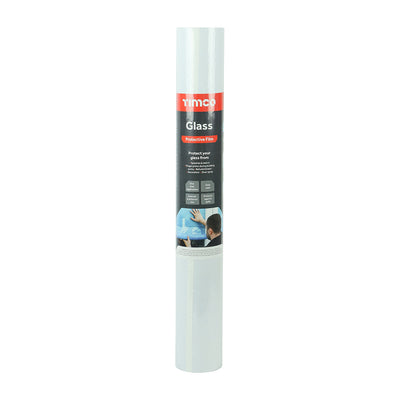
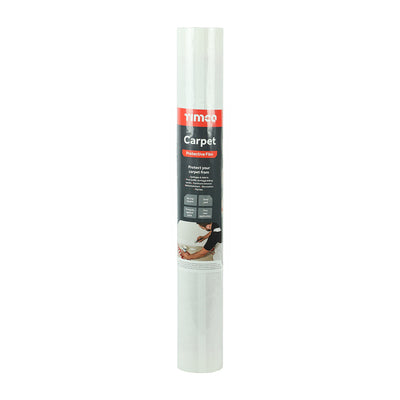
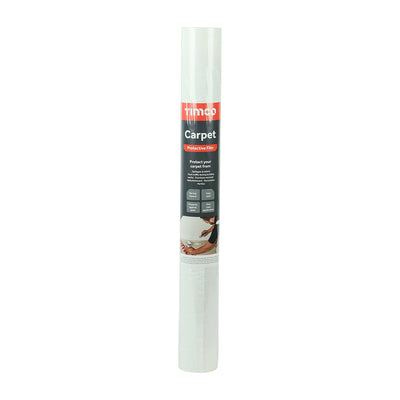
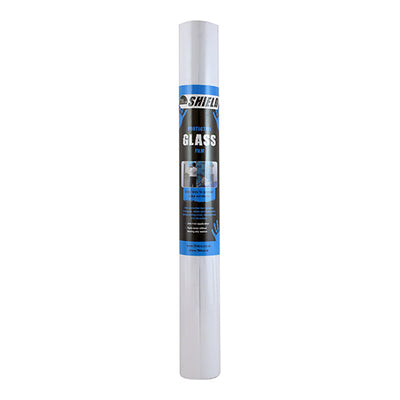
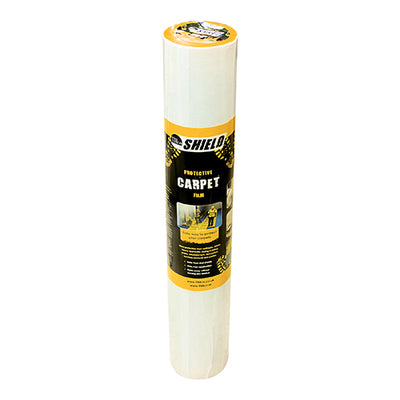
Glass protective film guards window panes, glass panels, and glazing units. It prevents scratches from tools, ladders, and site debris. It peels away without leaving residue. Suitable for use by glaziers, window fitters, and builders. Works on both clear and tinted glass surfaces. Specific options include TIMCO Protective Film For Glass - 25m x 0.6m, TIMCO Protective Film For Carpet - 50m x 0.6m, TIMCO Protective Film For Carpet - 25m x 0.6m.
Protective Film for Wood Surfaces
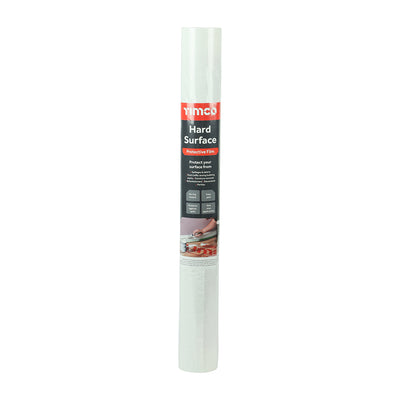
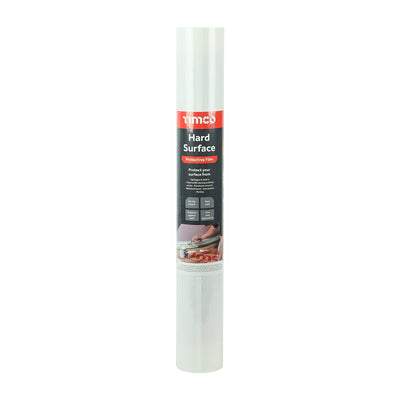
Wood surfaces get damaged easily during fitting and finishing. This film protects door frames, architraves, skirting boards, and timber panels. It is easy to apply by hand with no tools needed. It holds firmly during work but peels away cleanly afterwards. Ideal for joiners, carpenters, and site finishing teams. Specific options include TIMCO Protective Film For Hard Surfaces - 50m x 0.6m.
Plastic Surface Protection Film
Plastic panels, uPVC frames, and acrylic sheets scratch very easily. Plastic surface protection film keeps these materials in top condition. It is self-adhesive and sticks without heat or tools. Used widely by window installers and shopfitters across the UK. Available in rolls to cover large areas quickly.
Metal and Stainless Steel Protection Film
Metal surfaces scratch during transit and installation. This film guards stainless steel, aluminium, and powder-coated panels. It resists tearing and stays in place through handling. Used by fabricators, kitchen fitters, and cladding installers. Leaves no adhesive trace when removed.
Floor and Hard Surface Protection
Finished floors and tiles need protection during the later stages of a build. Floor protection film absorbs foot traffic, tools, and spillages. It is non-slip and tear-resistant. Suitable for hardwood floors, tiles, laminate, and stone. A key product for snagging and handover stages.
Multi-Surface Protection Film
Multi-surface film works across a wide range of materials. It is a go-to option when you need one product for several surfaces. Suitable for smooth painted walls, ceilings, cladding, and trim. A popular choice for general contractors and site managers. Saves time ordering multiple product types.
Where Protective Films Are Used
Surface protection is used at every stage of a build. Knowing when and where to apply it saves money and avoids rework.
New Build Projects
Glass, frames, and finished surfaces go in before the site is clean. Protective film keeps them safe right through to handover. It is a standard product on most UK new build sites.
Refurbishment and Fit-Out
During refurbishments, existing surfaces need protecting. Floors, windows, and woodwork are all at risk. Film protects them while other trades are working nearby.
Glazing and Window Installation
Glass protective film is a standard part of glazing work. Manufacturers and glaziers apply it before despatch or fitting. It stays on until the client removes it at the end of the job.
Joinery and Cabinet Making
Protective film for wood surfaces is used in workshops and on site. It keeps finished timber panels and doors free from marks. Applied before transit and left on until installation is complete.
Commercial Shopfitting
Plastic surface protection is widely used in shopfitting. uPVC and acrylic panels stay clean through the fit-out process. It is peeled away just before the store opens.
Snagging and Handover
Floor and hard surface protection is essential at handover stage. It keeps finished surfaces clean during the final inspection. Peel-and-go removal makes the handover process quick and tidy.
How to Pick the Right Protective Film
The right film depends on the surface and how long protection is needed. Here is a simple guide to help you decide.
| Surface Type | Film Type to Use | Typical Use |
|---|---|---|
| Glass and glazing | Glass protective film | Windows, glass panels, glazed doors |
| Timber, MDF, wood | Protective film for wood surfaces | Doors, frames, skirting, timber panels |
| uPVC, acrylic, plastic | Plastic surface protection film | Window frames, plastic cladding, shopfitting panels |
| Stainless steel, aluminium | Metal protection film | Kitchen panels, cladding, fabricated metalwork |
| Floors and hard surfaces | Floor protection film | Tiles, hardwood, laminate, stone floors |
| Mixed or multiple surfaces | Multi-surface protection film | General site protection across surface types |
Always check the product spec before applying to sensitive surfaces. Some films are rated for short-term use only. Leaving certain films on too long can make removal harder.
Tips for Applying and Removing Protective Film
Getting the most from protective film takes only a little care. Follow these steps for a clean, effective result every time.
Clean the Surface First
Wipe away dust, grease, and moisture before applying. Any debris under the film can scratch the surface you are protecting. A dry, clean surface gives the best bond and cleanest removal.
Apply at Room Temperature
Cold surfaces reduce adhesion. Very hot surfaces can make removal harder later. Apply protective film in normal site or workshop conditions where possible.
Smooth Out Air Bubbles
Use a soft squeegee or cloth to press the film flat. Work from the centre out to push air to the edges. Trapped air weakens the bond and can let debris in underneath.
Do Not Leave On Too Long
Most protective films are rated for a set number of weeks or months. Leaving them beyond this can cause adhesive transfer to the surface. Always check the product data for recommended application duration.
Remove Slowly at a Low Angle
Pull the film back at a low angle, not straight up. This reduces the risk of leaving adhesive behind. If residue remains, most can be removed with a clean cloth and warm water.
Store Rolls Correctly
Keep unused rolls stored flat or on their end. Avoid storing in direct sunlight or near heat sources. Proper storage keeps the adhesive active and the film usable.
Important: Never apply protective film over wet paint or fresh sealant. Wait until the surface is fully cured and dry. Applying too early can damage the finish when the film is removed.
Find the Right Surface Protection Film for Your Job
Use the filters above to narrow by film type and surface material. Check individual product pages for roll widths, lengths, and adhesive ratings before ordering.
Whether you need glass protective film for a glazing job, protective film for wood surfaces on a joinery project, plastic surface protection for uPVC fitting, or floor protection for a site handover, this range covers the most used surface protection films for trade and site use across the UK.
For site consumables used alongside surface protection, see our tapes range. For packaging and transit protection products, see our packaging range.
Frequently Asked Questions
What is protective film used for on building sites?
Protective film is applied to finished surfaces during construction or installation. It guards glass, wood, plastic, and metal from scratches, dust, and site damage. It is peeled away cleanly once the job is complete.
Can protective film be used on glass without leaving residue?
Yes. Glass protective films are designed for clean removal. They use a low-tack adhesive that bonds securely but peels away without trace. Always remove within the product's recommended time limit.
Is protective film for wood surfaces safe on painted timber?
Most wood protection films are safe on fully cured painted timber. Never apply to fresh or uncured paint. Always test a small area first if you are unsure about the paint finish.
How long can protective film stay on a surface?
This varies by product. Most films are rated for 30 to 90 days. Leaving film on beyond the rated period can cause adhesive transfer. Check the product data sheet for the exact recommended duration.
What is the difference between plastic surface protection and glass film?
Glass protective film uses a lighter adhesive suited to smooth, non-porous glass. Plastic surface protection is formulated for uPVC, acrylic, and similar materials. Using the wrong film for the surface can affect adhesion and removal quality.
Do protective film manufacturers supply rolls or cut sheets?
Most protective film manufacturers supply products in roll form. Rolls allow you to cut to the exact size needed for each surface. Some products are also available in pre-cut sheet formats for standard panel sizes.
Can protective film be used outdoors on a UK building site?
Some films are rated for outdoor use in normal UK weather conditions. Always check the product spec for UV resistance and temperature range. Films not rated for outdoor use may fail in direct sunlight or rain.
Related Products and Site Consumables
Protective films are often used alongside other site protection products. See our tapes range for masking, jointing, and sealing tapes.
For other site consumables and fixings, browse our fixings range.