16 products
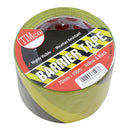
Hazard Tape & Safety Tape
hazard-tape-safety-tape
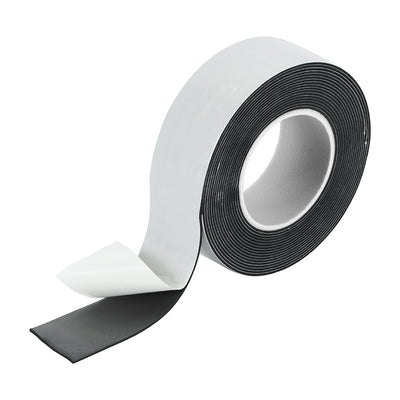
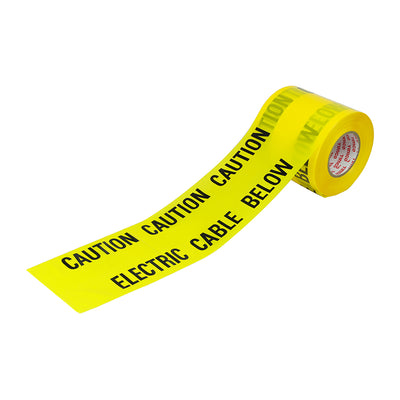
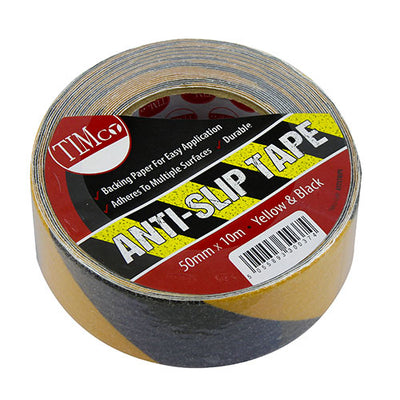
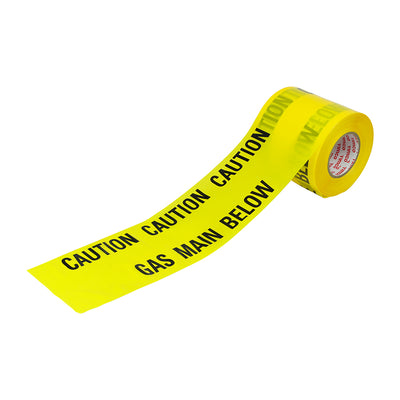
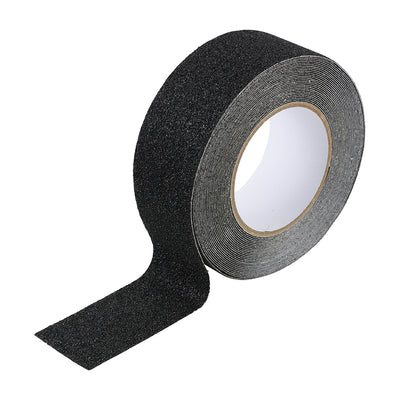
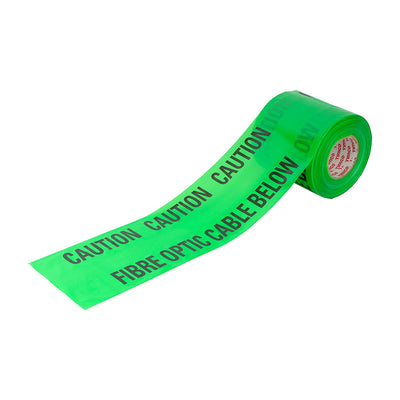
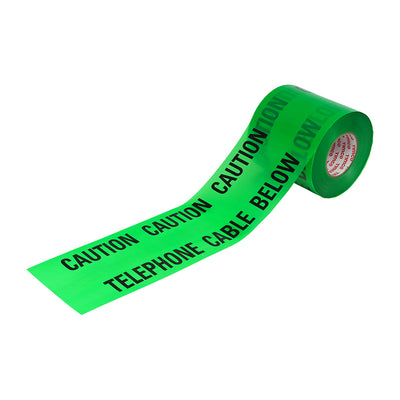
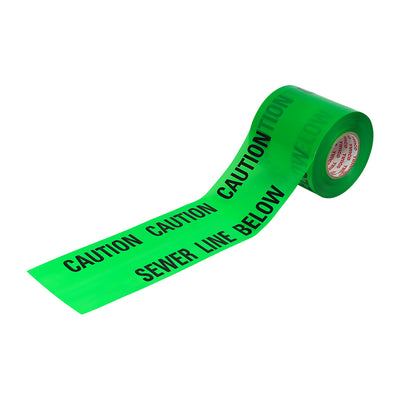
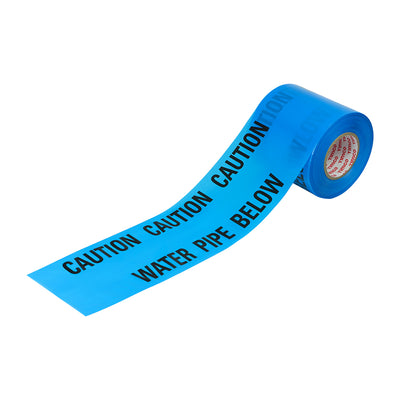
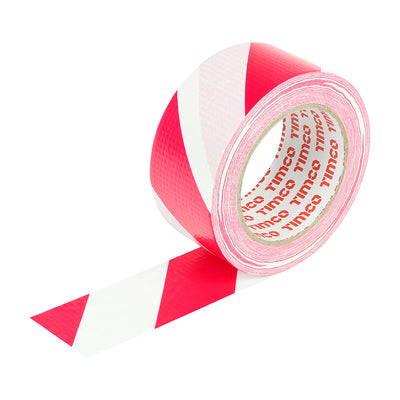
TIMCO Hazard Warning Cloth Tape Red and White - 33m x 50mm
- Pack quantity
- 1 Each
- Price
- £4.27Incl. VAT
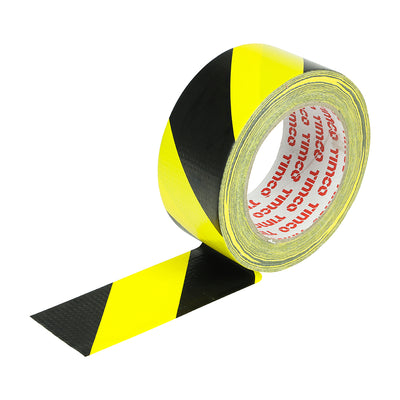
TIMCO Hazard Warning Cloth Tape Yellow and Black - 33m x 50mm
- Pack quantity
- 1 Each
- Price
- £4.27Incl. VAT
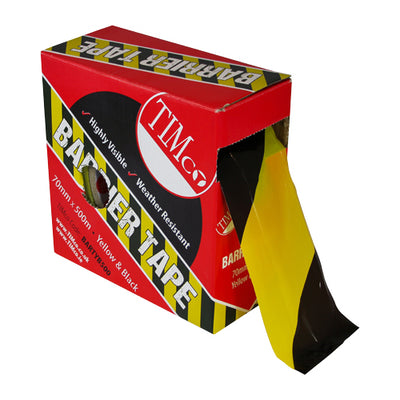
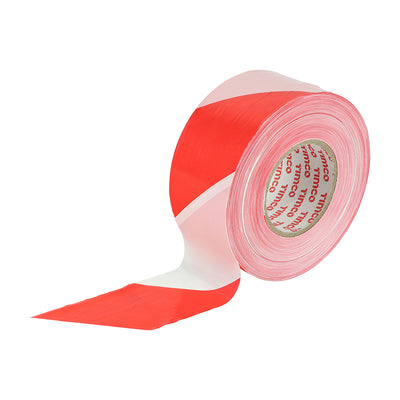
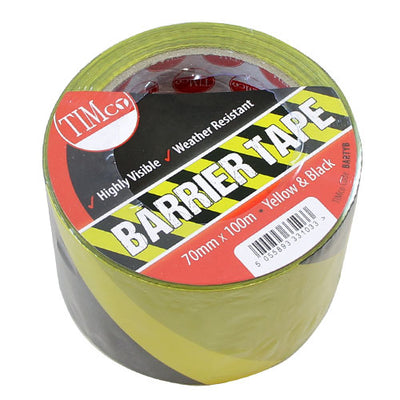
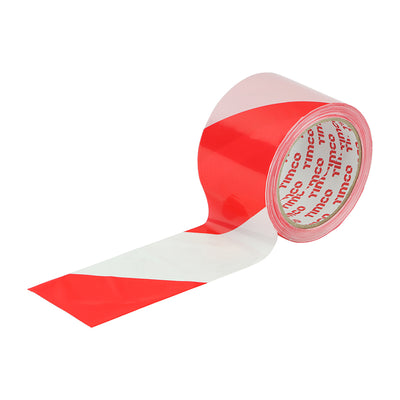
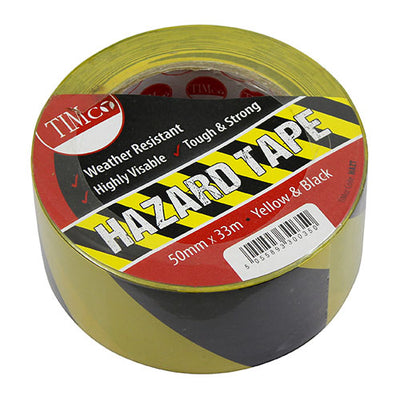
Hazard Tape and Safety Tape for Workplaces
One missing strip of safety tape can cause a serious accident. Hazard tape warns people before they enter a danger zone. It marks wet floors, uneven surfaces, and restricted areas clearly. This range covers black and yellow hazard tape, red and white warning tape, non-slip safety tape for steps, and self-adhesive floor marking tape. All products are suited to factories, warehouses, construction sites, and public buildings across the UK.
Why Safety Hazard Tape Matters
Slips, trips, and falls are the most common workplace accidents in the UK. The Health and Safety Executive (HSE) records tens of thousands every year. Many of them happen because hazards were not clearly marked.
Hazard safety tape is a fast, low-cost way to mark danger zones. It needs no special tools to apply. It is visible from a distance, even in poor lighting conditions. It tells workers and visitors to stop, take care, or stay out.
The right tape in the right place protects people. It also helps businesses meet their legal duties under the Health and Safety at Work Act 1974 and the Workplace (Health, Safety and Welfare) Regulations 1992.
Good to know: Hazard tape is not the same as anti-slip tape. Hazard tape warns people about danger. Anti-slip safety tape for steps gives physical grip underfoot. Both serve different purposes and are often used together.
Types of Hazard Tape / Safety Tape
Different jobs need different tape types. Here is a clear guide to the most common options and where each one is used.
Black and Yellow Hazard Tape
The most recognised safety colour in the UK. Black and yellow tape signals caution and physical hazards. It is used around machinery, trip hazards, loading bays, and floor edges. It is available in barrier tape for temporary cordons and adhesive tape for permanent floor marking.
Red and White Warning Tape
Red and white tape signals danger or restriction. It is used to cordon off no-entry areas, emergency zones, and fire exits. It is a popular choice on construction sites and in industrial settings. It can be tied or stretched across openings quickly.
Non-Slip Safety Tape for Steps
Safety tape for steps adds grip to stair edges and ramps. It reduces the risk of slipping on wet or smooth surfaces. It is available in high-visibility yellow and black or plain black. It sticks to metal, wood, concrete, and tile surfaces. It is widely used in offices, factories, and public buildings.
Floor Marking Tape
Floor marking tape defines walkways, work zones, and storage areas. It helps create clear traffic routes across warehouse and factory floors. It is available in multiple colours, including yellow, red, blue, and white. It withstands heavy foot traffic and forklift truck movement when applied correctly.
Self-Adhesive Barrier Tape
Self-adhesive barrier tape sticks directly to walls, floors, and posts. It is used to mark wet floors, freshly cleaned surfaces, and maintenance areas. It peels away cleanly without leaving residue on most surfaces. It is a fast and temporary hazard marking solution.
Non-Adhesive Barrier Tape
Non-adhesive barrier tape is strung between cones, posts, or barriers. It is quick to put up and take down. It is ideal for temporary site cordons, crowd control, and event safety. It comes in rolls so one roll covers a large area quickly.
Where to Use Hazard Safety Tape
Hazard and safety tape is used across many different environments. Each setting has its own risks and requirements.
Warehouses and Factories
Mark pedestrian walkways clearly away from forklift routes. Use floor tape to define storage zones and emergency exit paths. Apply anti-slip tape on loading platforms and ramps.
Construction Sites
Cordon off excavations, open manholes, and restricted zones. Use non-adhesive barrier tape stretched between stakes or fencing. Mark out site boundaries and no-entry areas clearly.
Offices and Public Buildings
Apply wet floor warning tape around cleaning areas. Use safety tape for steps on stair nosings in high-traffic stairwells. Mark cable routes and trip hazards across corridors and open areas.
Retail and Hospitality
Use bright hazard tape to mark spill areas and wet surfaces quickly. Apply non-slip tape to steps and entrance ramps. Keep a roll of barrier tape behind the counter for fast deployment.
HSE guidance note: Floor and hazard markings should be kept clean and in good repair. Faded or peeling tape should be replaced promptly. Damaged tape gives a false sense of security and can reduce visibility.
Hazard Tape Colour Guide
Tape colour carries meaning in UK workplaces. Using the correct colour helps workers understand the risk level at a glance.
| Tape Colour | Meaning | Common Use |
|---|---|---|
| Black and Yellow | Caution / Physical Hazard | Machinery guards, step edges, floor hazards |
| Red and White | Danger / No Entry | Construction cordons, fire hazard zones |
| Yellow | Caution / Pedestrian routes | Walkway marking, floor lanes |
| Red | Stop / Restricted area | Emergency stop zones, no-entry marking |
| Blue | Mandatory / Information | PPE required areas, information zones |
| Green | Safe condition / First aid | First aid points, evacuation routes |
| White | Storage and layout zones | Pallet areas, rack bays, aisle edges |
Always follow your workplace's specific colour coding plan. Consistency across a site is more important than any single strip of tape.
How to Pick the Right Safety Tape
Not all tape is the same. Picking the wrong type can mean it fails quickly. Ask these three questions before you buy.
Is the surface indoors or outdoors? Outdoor tape needs a stronger adhesive and weather resistance. Indoor tape may not hold up to rain, UV light, or temperature changes.
Is the hazard temporary or permanent? For temporary warnings, non-adhesive barrier tape is quick to use and remove. For permanent floor markings, use heavy-duty adhesive floor tape.
Does the surface need grip as well as warning? If the answer is yes, use anti-slip safety tape for steps and ramps. Standard hazard tape is smooth and does not add grip.
For the right safety signage to go alongside your tape, see our safety signs range.
Order Hazard Tape and Safety Tape for UK Delivery
Use the filters above to narrow by type, colour, and width. Check individual product pages for roll length, adhesive type, and surface compatibility before ordering.
Whether you need black and yellow hazard tape for a warehouse floor, red and white barrier tape for a construction cordon, non-slip safety tape for steps in a public building, or floor marking tape for a factory walkway, this range has the right option for your site.
Frequently Asked Questions
What is hazard tape used for?
Hazard tape is used to mark danger zones, restricted areas, and physical hazards. It warns people to slow down, take care, or stay out. It is used in factories, warehouses, construction sites, and public buildings.
What is the difference between hazard tape and safety tape for steps?
Hazard tape is a visual warning only. It does not add grip. Safety tape for steps has an abrasive surface that prevents slipping. One warns people. The other physically prevents falls.
Is hazard tape a legal requirement in UK workplaces?
There is no specific law requiring hazard tape. However, employers must clearly mark hazards under UK health and safety law. Hazard tape is one of the most common and accepted ways to do this.
Will adhesive hazard tape stick to a concrete floor?
Yes, but the concrete must be clean, dry, and free of dust and grease. Rough or uneven concrete may reduce how well the tape bonds. Pressing the tape down firmly after application improves adhesion.
Can I use hazard tape outside?
Only if the product is rated for outdoor use. Standard adhesive hazard tape may lift or fade in wet or UV-exposed conditions. Always check the product specification for outdoor suitability before buying.
How long does anti-slip safety tape for steps last?
Lifespan depends on foot traffic levels and surface type. In high-traffic areas, anti-slip tape may need replacing every one to two years. Inspect it regularly and replace any section that has lifted or worn smooth.
What width of floor marking tape should I use?
For warehouse and factory floor markings, 50mm to 75mm wide tape is the most common choice. Narrower tape suits step nosings and smaller hazard markers. Wider tape is more visible across large open floor areas.
Related Safety Products
Hazard tape is often used alongside other safety products on site. See our safety signs range for wall-mounted and self-adhesive warning signs.
For personal protection on site, see our PPE range.