3 products
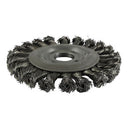
Bench Grinder Wire Brushes
bench-grinder-wire-brushes
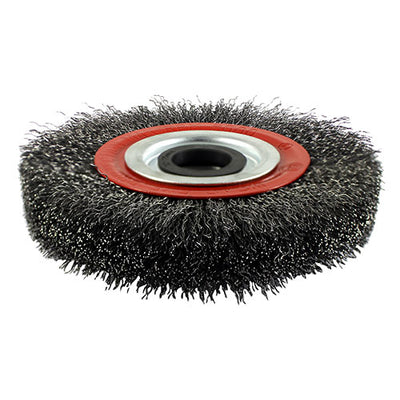
TIMCO Wheel Brush with Plastic Reducer Set Crimped Steel Wire - 150mm
- Pack quantity
- 1 Each
- Price
- £10.18Incl. VAT
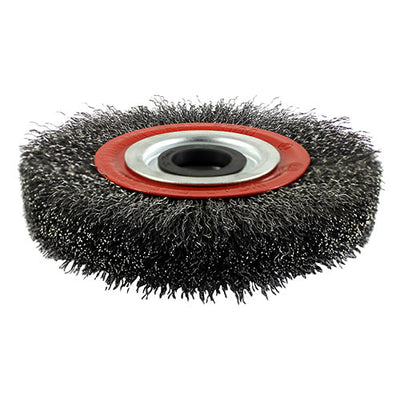
TIMCO Wheel Brush with Plastic Reducer Set Crimped Steel Wire - 200mm
- Pack quantity
- 1 Each
- Price
- £13.99Incl. VAT

Bench Grinder Wire Brushes for Trade and Workshop Use
A worn or clogged wire brush slows your work down fast. It leaves rust, scale, and old paint behind. That costs you time and effort on every job. These bench grinder wire brushes cut through surface rust, weld spatter, and paint quickly. They are built to mount directly onto bench grinders. From light deburring to heavy rust removal, you will find the right wire brush here. All brushes are sized for standard bench grinder spindles used across UK workshops and trade sites.
What Are Bench Grinder Wire Brushes?
A wire brush for a bench grinder is a rotating abrasive wheel. It is made from twisted or crimped wire strands. It mounts on the spindle of a bench grinder.
When spinning, the wire tips scour the surface of metal. They remove rust, scale, mill scale, corrosion, paint, and weld spatter. They also deburr sharp edges after cutting or grinding.
Wire brushes for grinders are not grinding wheels. They do not remove base metal. They clean and finish the surface without cutting deep.
Safety note: Always match the brush RPM rating to your bench grinder speed. Never use a brush rated below your grinder's maximum RPM. Check the product label before fitting.
Types of Wire Brushes for Bench Grinders
Different wire brush types suit different tasks. Knowing which to use saves time and gives better results.
Crimped Wire Bench Grinder Brushes
Crimped wire brushes have wavy, kinked wire strands. The crimp adds flexibility to the wire tips. This gives a softer, more even finish on metal surfaces. They are ideal for general cleaning, rust removal, and surface preparation. They are the most common wire brush for bench grinder use in UK workshops.
Knotted Wire Bench Grinder Brushes
Knotted wire brushes use twisted wire strands bunched into knots. This makes them much stiffer and more aggressive. They cut through heavy rust, thick scale, and hardened weld spatter faster. Use them on heavy metalwork and fabrication jobs. They create a coarser finish compared to crimped brushes.
Steel Wire Bench Grinder Brushes
Steel wire brushes are the standard option for most metal cleaning tasks. They handle iron, steel, and cast iron surfaces well. They are tough, long-lasting, and widely available. Steel wire brushes for grinders are suited to most general workshop and trade applications.
Stainless Steel Wire Grinder Brushes
Stainless steel wire brushes are essential for stainless steel workpieces. Using a carbon steel brush on stainless steel leaves iron particles behind. These cause rust and contamination. A stainless steel wire brush for a bench grinder keeps stainless workpieces clean and uncontaminated.
Brass Wire Bench Grinder Brushes
Brass wire brushes are the softest option available. They are spark-free and non-ferrous. Use them on soft metals such as copper, aluminium, and brass. They are also a safe choice near flammable materials. They clean without scratching delicate surfaces.
Wide Face Wheel Brushes
Wide face wheel brushes cover more surface area in each pass. They speed up cleaning on flat metal surfaces. They are well suited to larger workpieces and production environments. They are available in both crimped and knotted wire types.
What Are Bench Grinder Wire Brushes Used For?
Wire brushes for bench grinders are used across metal fabrication, engineering, maintenance, and restoration work. Here are the most common uses in UK trade and workshop settings.
Rust and Corrosion Removal
Surface rust and corrosion build up on iron and steel over time. A wire brush for a bench grinder strips rust back to bare metal quickly. This prepares the surface for priming, painting, or welding.
Weld Spatter Cleaning
Welding leaves spatter and slag on the surrounding metal. A knotted wire bench grinder brush removes it fast. This leaves a clean surface ready for finishing or coating.
Deburring Metal Edges
Cutting and drilling leave sharp burrs on metal edges. Running the part against a wire brush on a bench grinder removes burrs safely. It leaves a smooth, safe edge without altering the shape of the part.
Paint and Coating Removal
Old paint, varnish, and coatings need removing before repair or refinishing. A wire brush for a bench grinder strips them back efficiently. It reaches into profiles and edges that hand tools miss.
Scale and Mill Scale Removal
Hot-rolled steel has a hard, dark mill scale layer on the surface. This must be removed before welding or painting. A bench grinder wire brush breaks down mill scale faster than hand wire brushing.
Surface Preparation Before Welding
Clean metal welds better and stronger. A wire brush for a bench grinder removes contamination and oxidation. This gives a clean contact area for a quality weld joint.
How to Pick the Right Wire Brush for Your Bench Grinder
Getting the right bench grinder wire brush depends on four things. These are the task, the material, the grinder speed, and the bore size.
| Task | Best Wire Type | Wire Style |
|---|---|---|
| General rust removal on mild steel | Carbon steel | Crimped |
| Heavy rust and thick scale | Carbon steel | Knotted |
| Weld spatter removal | Carbon steel | Knotted |
| Deburring mild steel | Carbon steel | Crimped |
| Cleaning stainless steel parts | Stainless steel | Crimped or knotted |
| Cleaning soft metals (copper, aluminium) | Brass | Crimped |
| Surface prep before painting | Carbon steel | Crimped |
Bore size matters: Most bench grinders in UK workshops use a 1/2 inch (12.7mm) bore. Some use a 5/8 inch (16mm) bore. Always check your grinder's spindle size before ordering. Most brushes also include reducing bushes to fit common spindle sizes.
Common Bench Grinder Wire Brush Sizes
Wire brushes for bench grinders come in standard diameter sizes. The most common sizes used in UK workshops are listed below.
100mm (4 inch) Wire Brushes
Suited to smaller bench grinders and light-duty cleaning tasks. Good for hobbyists, small workshops, and occasional use. Ideal when working on small parts and components.
150mm (6 inch) Wire Brushes
The most popular size for standard UK bench grinders. Suits both trade and DIY use. Balances coverage with control well. Works with most 6 inch bench grinders sold in the UK.
200mm (8 inch) Wire Brushes
Designed for larger bench grinders with more power. Better suited to heavy fabrication and production work. Covers more surface area and handles tougher jobs faster.
Narrow and Wide Face Options
Face width affects how much surface the brush covers per pass. Narrow face brushes give more control on small parts. Wide face brushes are faster on flat surfaces and larger workpieces.
Wire Brush for Bench Grinder Safety Tips
Bench grinder wire brushes spin at high speed. Safe use is important. Follow these points every time you fit or use a wire brush on a bench grinder.
Check the RPM Rating
Every bench grinder wire brush has a maximum RPM rating. This must be equal to or higher than your grinder's maximum speed. Never use an under-rated brush. Wire can be thrown off at speed and cause serious injury.
Wear Eye Protection
Always wear safety glasses or a face shield when using a wire brush for a bench grinder. Wire filaments break off during use. They travel at high speed and can penetrate the eye.
Use the Work Rest
Keep the bench grinder work rest set close to the wire brush wheel. This stops the workpiece from being pulled down between the brush and the rest. Set the gap to no more than 3mm.
Let the Grinder Reach Full Speed First
Always let the bench grinder reach full speed before presenting the workpiece. Starting with the part touching the brush puts uneven load on the wire. This shortens brush life and increases the risk of filament breakage.
Do Not Press Too Hard
Light, even pressure is all that is needed. Pressing hard bends the wire tips and reduces cleaning action. It also causes the wire to break faster and shortens the brush life significantly.
Inspect Before Each Use
Check the wire brush before fitting it each time. Look for broken wire strands, loose sections, or visible wear. Do not use a brush that looks damaged. Replace it before starting work.
PPE reminder: Wear leather gloves, safety glasses, and a dust mask when wire brushing. Fine metal particles and rust dust are harmful if inhaled. Good ventilation in the workshop also helps reduce exposure.
Get the Right Wire Brush for Your Bench Grinder Today
Use the filters above to narrow by diameter, wire type, and bore size. Check individual product pages for maximum RPM ratings and bore dimensions before ordering.
Whether you need a crimped steel wire brush for general rust removal, a knotted wire bench grinder brush for heavy weld spatter, a stainless steel brush for clean stainless work, or a brass wire brush for soft metals, this range covers the most-used bench grinder wire brushes for trade and workshop use across the UK.
For angle grinder wire brushes and abrasive wheels, see our full abrasives range. For other surface preparation tools, visit our grinding wheels section.
Frequently Asked Questions
What is a bench grinder wire brush used for?
It is used to remove rust, weld spatter, scale, paint, and corrosion from metal surfaces. It also deburrs sharp edges after cutting or drilling. It mounts directly onto a bench grinder spindle and spins at high speed to clean metal fast.
What size wire brush fits a standard UK bench grinder?
Most standard bench grinders sold in the UK use a 150mm (6 inch) wire brush. The bore size is usually 1/2 inch (12.7mm) or 5/8 inch (16mm). Always check your grinder's spindle diameter before buying. Most brushes include reducing bushes to cover common bore sizes.
What is the difference between crimped and knotted wire brushes?
Crimped wire brushes have wavy wire strands and give a softer, more even action. They suit general cleaning and light rust removal. Knotted wire brushes have twisted wire bundles and are much more aggressive. They are better for heavy rust, thick scale, and weld spatter.
Can I use a carbon steel wire brush on stainless steel?
No. Carbon steel wire leaves iron particles on the stainless surface. These cause rust spots and contamination. Always use a dedicated stainless steel wire brush for bench grinders when working on stainless steel parts.
How do I know if a wire brush is safe for my bench grinder speed?
Check the maximum RPM printed on the wire brush label or packaging. This must be equal to or higher than your bench grinder's maximum speed. Never fit a brush with a lower RPM rating than your grinder can reach.
How long does a bench grinder wire brush last?
Lifespan depends on the task, pressure used, and grinder speed. Knotted brushes used on heavy work wear faster than crimped brushes on lighter tasks. Applying light pressure and not overloading the brush extends its working life.
Is a wire brush for a bench grinder the same as a flap wheel?
No. A wire brush removes rust, scale, and contamination without removing base metal. A flap wheel is an abrasive that removes metal and shapes or blends surfaces. They are different tools for different jobs.
Related Surface Preparation Tools
Wire brushes are often used alongside other surface preparation products. See our abrasives range for flap discs, grinding wheels, and cutting discs.