120 products
Nuts
nuts
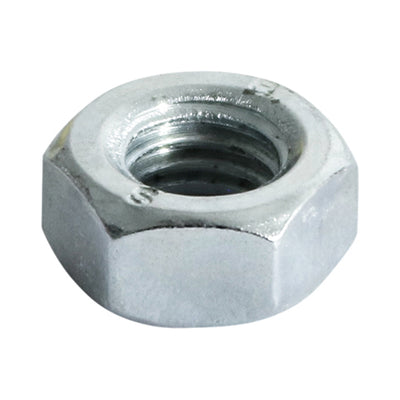
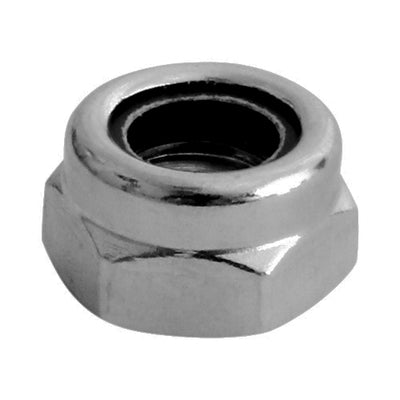
TIMCO Nylon Insert Nuts Type T DIN985 A2 Stainless Steel - M8 (10pcs)
- Pack quantity
- 10 Pieces
- Price
- £1.31Incl. VAT
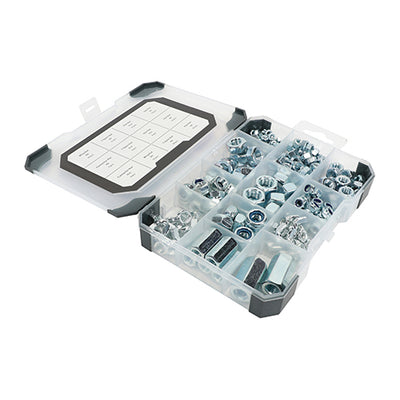
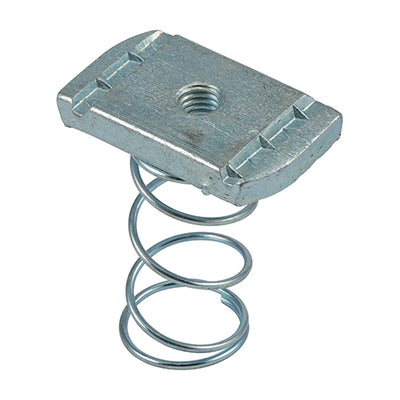
TIMCO Channel Nuts Long Spring Silver - M6 (100pcs)
- Pack quantity
- 100 Pieces
- Price
- £11.03Incl. VAT
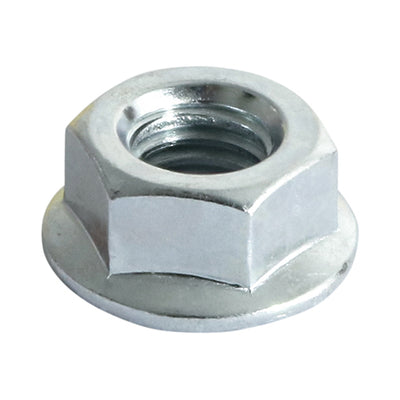
TIMCO Hex Serrated Flange Nuts DIN6923 Silver - M8 (200pcs)
- Pack quantity
- 200 Pieces
- Price
- £5.35Incl. VAT
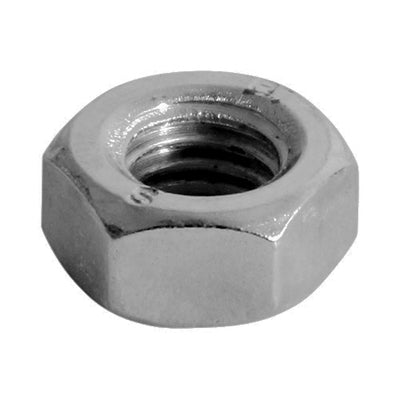
TIMCO Hex Full Nuts DIN934 A2 Stainless Steel - M4 (10pcs)
- Pack quantity
- 10 Pieces
- Price
- £0.78Incl. VAT
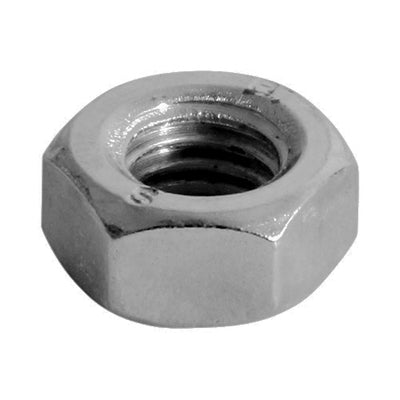
TIMCO Hex Full Nuts DIN934 A2 Stainless Steel - M10 (10pcs)
- Pack quantity
- 10 Pieces
- Price
- £1.90Incl. VAT
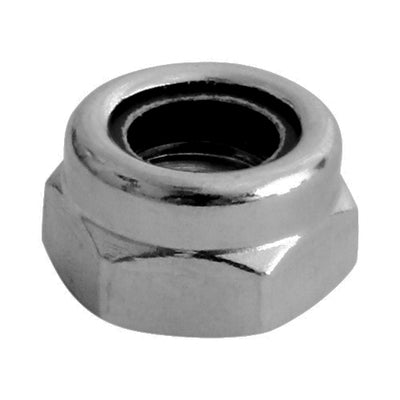
TIMCO Nylon Insert Nuts Type T DIN985 A2 Stainless Steel - M10 (4pcs)
- Pack quantity
- 4 Pieces
- Price
- £3.42Incl. VAT
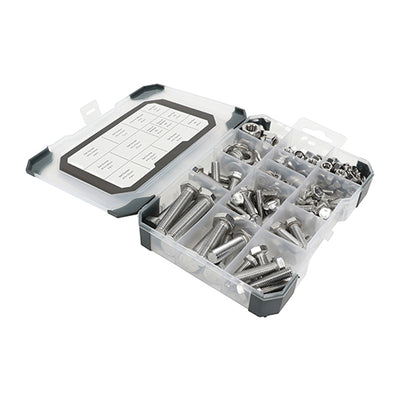
TIMCO Set Screws Nuts Washers A2 Stainless Steel Mixed Tray - 199pcs
- Pack quantity
- 1 Each
- Price
- £14.15Incl. VAT
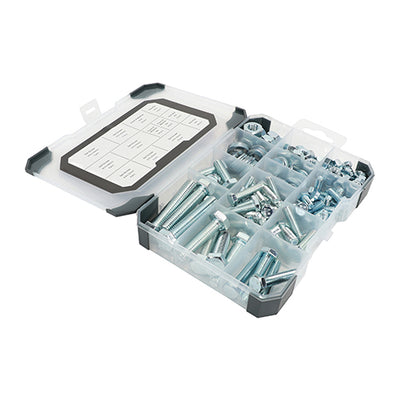
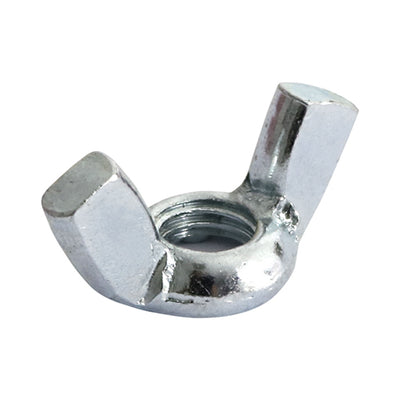
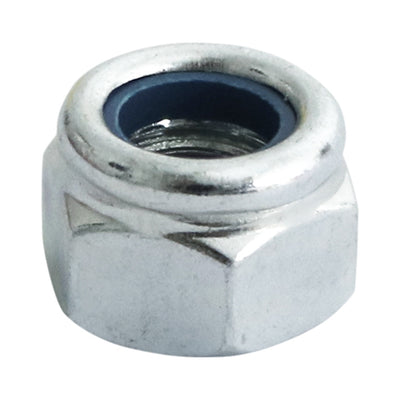
TIMCO Nylon Insert Nuts Type P DIN982 Silver - M10 (4pcs)
- Pack quantity
- 4 Pieces
- Price
- £1.34Incl. VAT
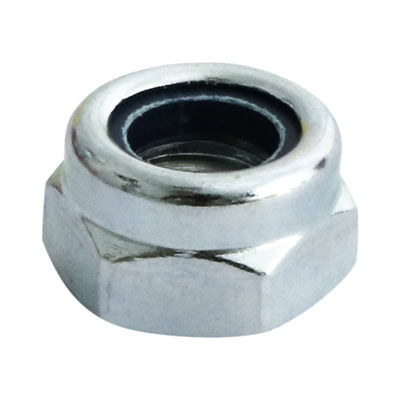
TIMCO Nylon Insert Nuts Type T DIN985 Silver - M8 (200pcs)
- Pack quantity
- 200 Pieces
- Price
- £4.55Incl. VAT
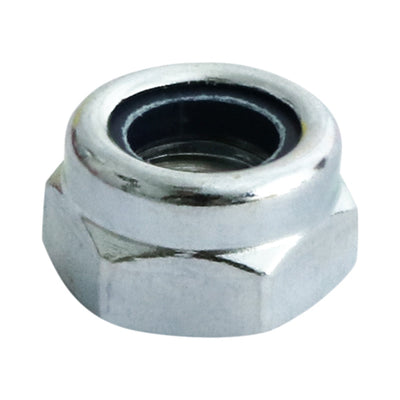
TIMCO Nylon Insert Nuts Type T DIN985 Silver - M6 (500pcs)
- Pack quantity
- 500 Pieces
- Price
- £5.45Incl. VAT
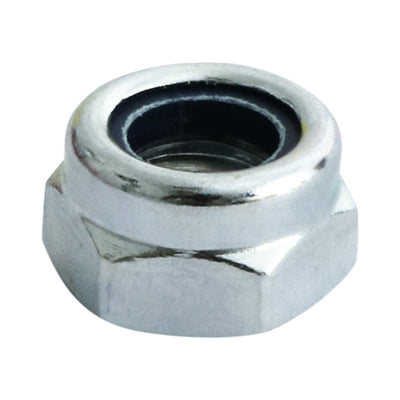
TIMCO Nylon Insert Nuts Type T DIN985 Silver - M12 (100pcs)
- Pack quantity
- 100 Pieces
- Price
- £7.56Incl. VAT
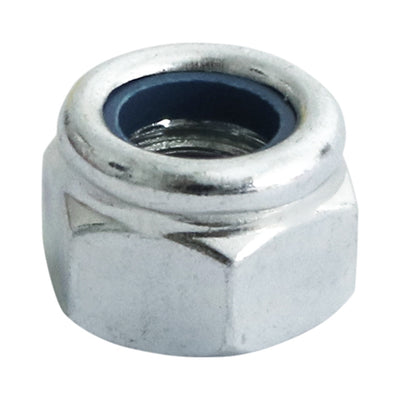
TIMCO Nylon Insert Nuts Type P DIN982 Silver - M8 (200pcs)
- Pack quantity
- 200 Pieces
- Price
- £5.59Incl. VAT
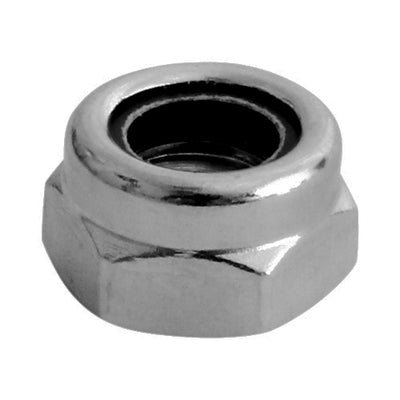
TIMCO Nylon Insert Nuts Type T DIN985 A2 Stainless Steel - M10 (10pcs)
- Pack quantity
- 10 Pieces
- Price
- £2.09Incl. VAT
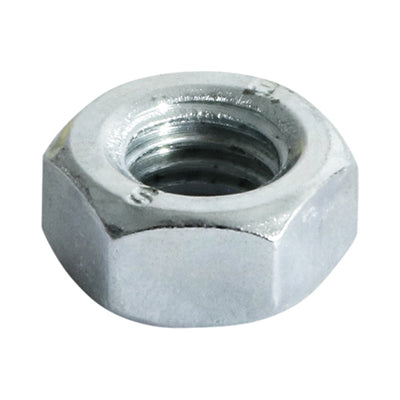
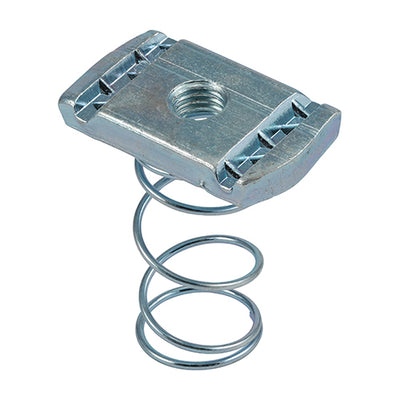
TIMCO Channel Nuts Long Spring Silver - M8 (100pcs)
- Pack quantity
- 100 Pieces
- Price
- £11.03Incl. VAT
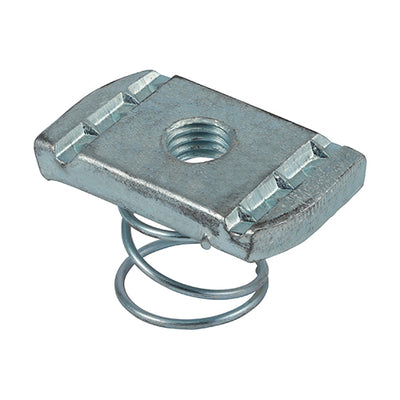
TIMCO Channel Nuts Short Spring Silver - M8 (100pcs)
- Pack quantity
- 100 Pieces
- Price
- £11.03Incl. VAT
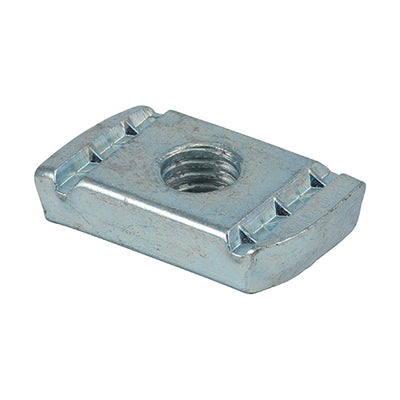
TIMCO Channel Nuts Without Spring Silver - M8 (100pcs)
- Pack quantity
- 100 Pieces
- Price
- £9.77Incl. VAT
Hex, Nyloc, Flange and Channel Nuts All in One Place
Find the right nut for every bolt and every job. Choose from hex nuts, nyloc, flange, dome, and channel nuts. Available in stainless steel, zinc plated, and galvanised finishes. Match the grade, thread size, and material before you order.
What Are Nuts and Why Does the Right Type Matter?
A nut is a metal fastener with an internal thread. It screws onto the external thread of a bolt or stud. Together, the nut and bolt clamp materials firmly in place.
Different nut types do different jobs. Some resist vibration. Some spread load. Some lock tight. Picking the wrong type can cause the joint to fail.
The nut must match the bolt in thread size and pitch. It must also suit the working environment and load. A nut used outdoors needs a corrosion-resistant material.
Always buy the nut and bolt in the same material. Mixing zinc-plated nuts causes corrosion. Match the grade, diameter, and thread pitch throughout.
Types of Nuts Available at JALFT
Every nut type has a specific job to do. Here is a clear guide to each type in the range.
Hex Nut (Full Nut)
The standard six-sided nut used in most assemblies. It fits a spanner or socket wrench on all six faces. Available in metric sizes from M3 to M24 and beyond.
Hex Nut Stainless Steel
A hex nut made from A2 or A4 stainless steel. A2 grade suits outdoor and damp conditions across the UK. A4 grade gives stronger protection in coastal environments.
Nyloc Nut (Nylon Insert Nut)
Has a nylon insert at one end of the nut. The insert grips the bolt thread and resists self-loosening. Use them in vibration-prone assemblies and machinery. Replace with a new one after repeated removal and refitting.
Flange Nut
Has a wide circular flange built into the base. The flange acts like an integrated washer under the nut. It spreads the load across a larger surface area. Serrated versions grip the material and resist vibration.
Dome Nut (Acorn Nut)
Has a closed, rounded top that covers the bolt end. It protects the exposed thread from damage and corrosion. Also used for a clean, finished appearance on visible fixings. Common in furniture, railings, and decorative metalwork.
Channel Nut (Strut Nut)
A rectangular nut designed to fit inside strut channel. Also called a Zeb nut, spring nut, or unistrut nut. Slides along the channel and locks into position when tightened. Used in electrical, HVAC, pipework, and cable support systems.
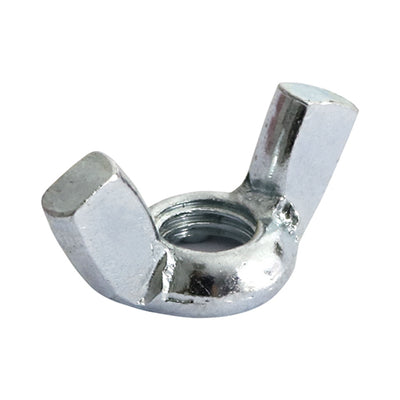
Wing Nut
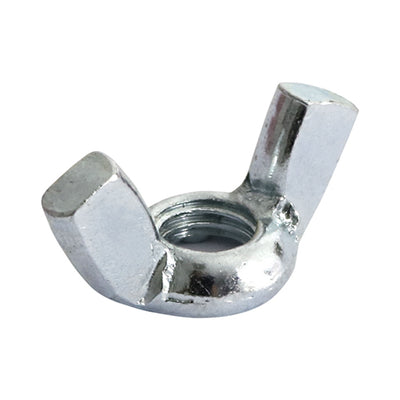
Has two flat wings that allow hand-tightening without tools. Used where the joint needs to be opened and closed often. Common in temporary assemblies, guards, and access panels. Not suitable for high-torque or vibration-prone applications.
Connector Nut (Coupling Nut)
A long nut used to join two threaded rods or bars end to end. Thread size and pitch must match on both bars. Also used to extend a stud or bolt where extra length is needed. Available in standard and heavy-duty versions.
Stainless Steel Nuts: A2 vs A4 Grade Explained
Stainless steel nuts are the right choice for outdoor use. They resist rust where zinc-plated nuts would corrode and fail.
There are two main grades used in UK trade work. Knowing the difference saves costly mistakes on site.
A2 Stainless Steel Nuts
Also known as Grade 304 stainless steel. Gives good corrosion resistance in most conditions. Suits general outdoor, damp, and wet environments. The standard minimum choice for exterior fixings in the UK.
A4 Stainless Steel Nuts (Marine Grade)
Also known as Grade 316 stainless steel. Contains added molybdenum for stronger salt resistance. Use near the coast, in marine environments, or in chemicals. Outlasts A2 grade in harsh and aggressive conditions.
Channel Nuts: What They Are and When to Use Them
Channel nuts are not standard hex nuts. They are rectangular and shaped to fit inside strut channel.
Strut channel is slotted metal framing used in construction. It is used to hang pipes, cables, ducts, and equipment. Channel nuts slide into the open slot of the strut.
Turn the nut 90 degrees after inserting it. It locks into the channel lips and cannot pull through. Tighten with a bolt and the nut grips firmly in place.
The biggest benefit is that no drilling is needed. Fix the nut anywhere along the full length of the channel. This makes installation fast and fully adjustable.
Plain Channel Nut
A basic rectangular nut without a spring clip. Insert by hand and rotate to lock into the channel. Used in lower-load or non-overhead channel applications. Available in zinc plated and A4 stainless steel versions.
Spring Channel Nut
Has a spring clip that holds the nut in place during fitting. The spring acts as a third hand during installation. No need to hold the nut while threading the bolt. Speeds up installation on overhead and hard-to-reach runs.
Key point for channel nut compatibility: Channel nuts must match the bolt size being used in the slot. Check the metric thread size before ordering, typically M8 or M10. Hot dip galvanised channel nuts are over-tapped. Not zinc-plated or stainless items.
Nut Materials: Which Finish Do You Need?
The material and coating affect how long the nut lasts. Always choose based on the working environment.
| Material | Best For | Avoid When |
|---|---|---|
| Bright Zinc Plated (BZP) | Dry indoor assemblies, general construction | Any outdoor or wet location |
| Hot Dip Galvanised (HDG) | Outdoor structural work, civil engineering | Marine or chemical environments |
| A2 Stainless Steel | Outdoor, damp, and general exterior fixings | Saltwater or prolonged chemical exposure |
| A4 Stainless Steel | Coastal, marine, and harsh chemical conditions | No significant restrictions on grade |
Nut Selection Guide: Which Nut for Which Job?
Use this table as a quick guide before you order. Always check the product specification for load ratings.
| Application | Recommended Nut | Key Point |
|---|---|---|
| General bolted assembly, indoor | BZP hex nut, metric full nut | Match thread size and pitch to bolt |
| Outdoor or damp fixing | A2 stainless steel hex nut | Minimum grade for UK outdoor use |
| Coastal or marine environment | A4 stainless steel hex nut | Higher resistance to salt and moisture |
| Vibration-prone machinery | Nyloc nut (nylon insert) | Replace after repeated removal |
| Thin or soft materials, oversized holes | Flange nut (serrated or plain) | Built-in flange spreads load, no washer needed |
| Strut and unistrut channel systems | Channel nut (plain or spring type) | Match bolt thread size to channel nut |
| Covering exposed bolt ends | Dome nut (acorn nut) | Protects thread and gives clean finish |
| Hand-tightened, removable joints | Wing nut | Not suitable for high-torque applications |
| Joining two threaded rods | Connector nut (coupling nut) | Both rods must share the same thread pitch |
Common Nut Buying Mistakes to Avoid
Small errors here lead to stripped threads and failed joints. These are the most common mistakes to watch out for.
Wrong Thread Size or Pitch
The nut must match the bolt in both diameter and thread pitch. Forcing a mismatched nut strips both the nut and the bolt. Always confirm the metric size before ordering.
Using Zinc Nuts Outdoors
BZP nuts corrode quickly in wet or exposed conditions. Use A2 stainless as the minimum for any outdoor fixing. Upgrade to A4 near the coast or in harsh environments.
Mixing Bolt and Nut Materials
A stainless bolt with a zinc-plated nut causes corrosion. Two different metals in contact degrade each other over time. Always keep the nut, bolt, and washer in the same material.
Reusing Nyloc Nuts Too Many Times
The nylon insert loses its locking grip with repeated use. On vibration-prone or safety-critical joints, always fit a new one. Never reuse a nyloc nut on a structural or load-bearing fixing.
Wrong Channel Nut for the Bolt Finish
Hot dip galvanised channel nuts are over-tapped. They are only compatible with galvanised. Using them with zinc-plated or stainless bolts causes problems. Always check the compatibility note before ordering channel nuts.
Not Using a Washer With a Hex Nut
A nut without a washer digs into the material surface. This damages the surface and reduces clamping strength. Always use a flat washer unless a flange nut is specified.
Frequently Asked Questions
1. What is the difference between a hex nut and a nyloc nut?
A hex nut is a standard six-sided nut with no locking feature. A nyloc nut has a nylon insert that grips the bolt thread. The nylon insert stops the nut loosening under vibration. Use a nyloc nut anywhere the joint is exposed to movement or vibration.
2. What is a channel nut used for?
A channel nut fits inside the slot of a strut or unistrut channel. It provides a threaded fixing point anywhere along the channel length. No drilling is needed. Slide, rotate, and tighten with a bolt. Used in electrical, HVAC, pipework, and cable support installations.
3. What is the difference between A2 and A4 stainless steel nuts?
A2 stainless steel suits most outdoor and damp conditions in the UK. A4 stainless steel has higher resistance to salt water and chemicals. Use A2 for general outdoor work and A4 near the coast or sea.
4. Do I need a washer with a hex nut?
Yes, in most cases. A washer spreads the load under the nut. Without a washer, the nut can dig into and damage the material. Use a flange nut if you want a built-in washer in one piece.
5. Can I reuse a nyloc nut?
Only a small number of times before the nylon insert wears out. The locking force reduces each time the nut is removed and refitted. Always fit a new nyloc nut on safety-critical or vibration-prone joints.
6. What does a flange nut do that a standard hex nut cannot?
A flange nut has a wide circular base that spreads the clamping load. This means no separate washer is needed in most applications. Serrated flange nuts also resist vibration-induced loosening. They are useful on soft materials or where holes are slightly oversized.
7. How do I know what size nut I need?
Match the nut diameter and thread pitch to the bolt being used. For example, an M10 bolt needs an M10 nut with the same thread pitch. In the UK, metric threads are the standard for engineering and construction. Check the bolt specification before ordering to confirm the correct size.
8. Can stainless steel nuts be used together with zinc-plated parts?
No. Mixing stainless and zinc-plated metals causes galvanic corrosion. The two metals react in damp conditions and corrode each other. Always keep the nut, bolt, and washer in the same material throughout. Use a nylon washer as a barrier only where mixing cannot be avoided.
9. What is a dome nut used for?
A dome nut covers the exposed end of a bolt or stud. It protects the thread from damage, moisture, and corrosion. It also gives a clean, finished appearance on visible fixings. Common in furniture assembly, handrails, and decorative metalwork.
10. Are channel nuts compatible with all strut channel sizes?
No. Channel nuts must match the width and slot size of the channel. The most common size in UK trade work is 41mm wide unistrut channel. Always confirm the channel width and bolt thread size before ordering. Galvanised channel nuts are only compatible with galvanised.
Find the Right Nut at JALFT
The right nut keeps every joint tight, strong, and safe. The wrong one causes loosening, corrosion, and joint failure.
JALFT stocks hex nuts, nyloc nuts, flange nuts, dome nuts, and channel nuts. Available in stainless steel, zinc plated, and hot dip galvanised finishes.
Always check the thread size, material, and grade before ordering. Match every nut to the bolt, washer, and working environment.
More Fasteners and Fixings at JALFT
Need matching bolts, screws, or threaded fixings? Browse our full range of engineering fasteners and fixings for bolts, rivets, machine screws, and more.
Need threaded bar to go with your connector nuts? Find the right studding in our threaded bar and studding collection.