6 products
Grease & Oils
grease-oils
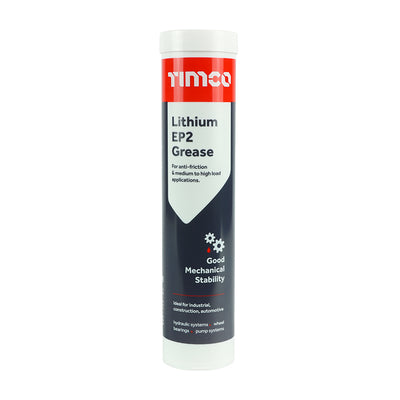
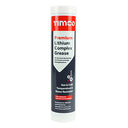
TIMCO Lithium EP2 Grease, High Temperature EP2 Multi-purpose Hydraulic Grease Cartridge - 400g
- Pack quantity
- 1 Each
- Price
- £4.39Incl. VAT
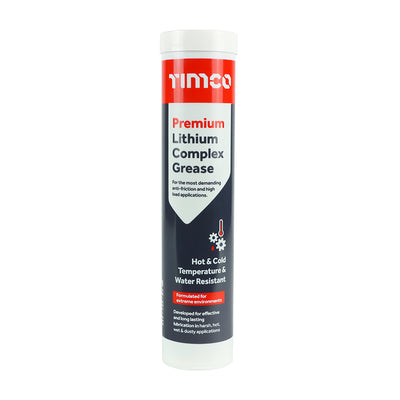
TIMCO Premium Lithium Complex Grease, High Pressure, Very High Temperature Red Grease Cartridge - 400g
- Pack quantity
- 1 Each
- Price
- £5.29Incl. VAT
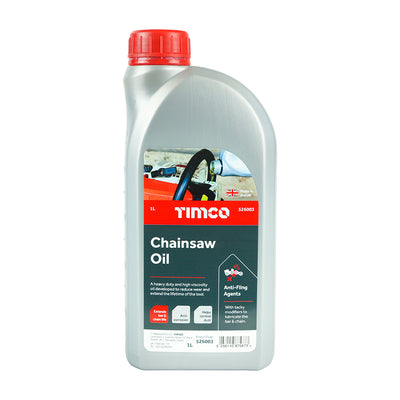
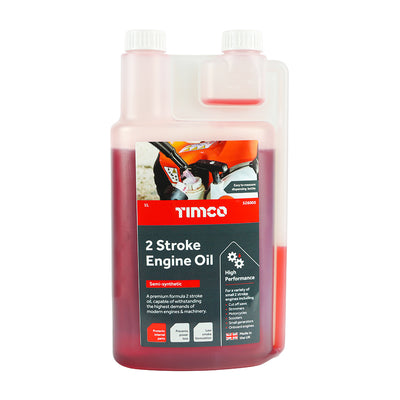
TIMCO 2 Stroke Engine Oil, Premium Mixing Oil in Metered Measured Dosage Bottle - 1L
- Pack quantity
- 1 Each
- Price
- £13.99Incl. VAT
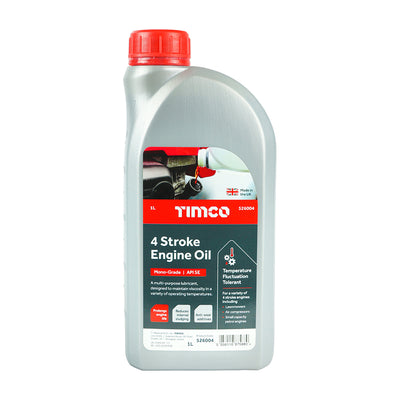
TIMCO 4 Stroke Engine Oil, Premium Oil for Small Petrol Engines, Lawnmower Oil - 1L
- Pack quantity
- 1 Each
- Price
- £9.49Incl. VAT
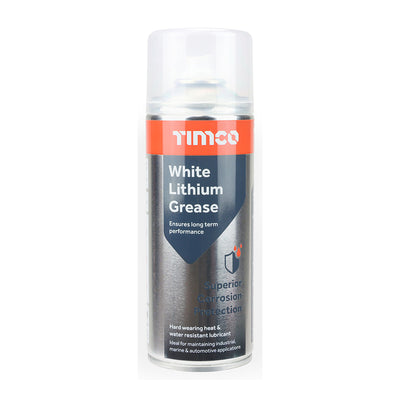
Oils and Greases for Trade and Workshop Use in the UK
Using the wrong lubricant can cause parts to wear out fast. It can also cause overheating, seizing, and costly damage. Here you will find quality oils and greases for trade, workshop, and site use. The range covers motor oil, engine oil, white lithium grease, and specialist lubricants. All products are suited to automotive, mechanical, and maintenance tasks. Whether you are a tradesperson, mechanic, or DIY enthusiast, you will find the right product here.
Why the Right Oil or Grease Matters
Oils and greases reduce friction between moving parts. Without lubrication, metal surfaces grind against each other. This causes heat, wear, and eventual failure.
Not every lubricant works for every job. Engine oil is not the same as gear oil. White lithium based grease is not the same as copper grease. Using the wrong type can cause more harm than using none at all.
This range gives you the correct product for each task. Every item listed here is suited to professional and trade use across the UK.
Quick tip: Always check the manufacturer's specification before using any oil or grease. Using the wrong viscosity or type can void warranties and damage components. When in doubt, refer to the vehicle or machinery handbook.
Types of Oils and Greases Available
Each lubricant type is built for a different purpose. Here is a clear guide to what is available and when to use each one.
Motor Oil and Engine Oil
Motor oil keeps internal engine parts lubricated. It reduces friction, cools internal components, and removes dirt. Engine oil comes in different viscosity grades such as 5W-30 and 10W-40. Always use the grade stated in your vehicle handbook. Using the wrong grade can reduce engine performance and life.
White Lithium Based Grease
White lithium grease is a thick, long-lasting lubricant. It stays in place better than oil. It is ideal for hinges, slides, door mechanisms, and metal-to-metal contact points. It resists moisture and does not wash away easily. It is one of the most widely used greases in the UK for trade and workshop tasks.
Copper Grease
Copper grease is used on brake components and exhaust fittings. It prevents metal parts from seizing at high temperatures. Apply it to brake caliper slide pins, wheel bolts, and exhaust manifold studs. Do not apply copper grease to brake pads or disc faces.
Chain and Cable Lubricant
Chain oil keeps drive chains, roller chains, and cables working smoothly. It penetrates links and prevents rust. Regular use extends the life of the chain significantly. Suitable for bicycles, motorcycles, and industrial machinery.
Penetrating Oil
Penetrating oil loosens rusted and seized fixings. It seeps into tight threads and corroded joints. It is very useful for removing old bolts, nuts, and screws. A common choice for automotive and maintenance work across the UK.
Multi-Purpose Grease
General-purpose grease covers a wide range of tasks. It lubricates bearings, ball joints, and chassis components. It is a good all-round product for workshop use. Available in tubs and grease gun cartridges for easy application.
Picking the Right Oil or Grease for Your Task
Think about what you are lubricating before you buy. The component type, operating temperature, and load all affect which product you need.
Engine and Drivetrain
Use motor oil or engine oil for internal combustion engines. Use gear oil for gearboxes and differentials. Always match the viscosity grade to the manufacturer's specification.
Brakes and Wheel Components
Use copper grease on brake slide pins and wheel bolt threads. Never put grease on brake pads or rotors. This can cause dangerous brake fade or failure.
Hinges, Slides, and Mechanisms
White lithium based grease works very well here. It clings to surfaces and lasts longer than spray oils. Use it on door hinges, sliding drawer runners, and garage door tracks.
Seized and Rusted Fixings
Penetrating oil is the first choice here. Apply it and leave it to soak for a few minutes. Then try to loosen the fixing with the correct tool.
Bearings and Chassis Parts
Multi-purpose or lithium grease is ideal for bearings. It handles pressure and moderate heat well. For heavy-duty or high-speed bearings, use a specialist bearing grease.
Chains and Cables
Chain lubricant or a light penetrating oil works best here. It keeps links moving freely and stops rust forming. Apply it after washing the chain for best results.
Understanding Engine Oil Viscosity Grades
Viscosity tells you how thick or thin an oil is. The grade code tells you how it performs at cold and hot temperatures.
The first number with a W (like 5W or 10W) is the cold start rating. A lower number means the oil flows better in cold weather. The second number (like 30 or 40) is the hot operating rating. A higher number means the oil stays thicker at high temperatures.
| Grade | Best For | Common Use in UK |
|---|---|---|
| 5W-30 | Modern petrol and diesel engines | Most common grade for UK passenger cars |
| 5W-40 | Turbocharged and performance engines | Used in sports cars and older diesels |
| 10W-40 | Older petrol engines with higher mileage | Popular in older UK vehicles |
| 15W-40 | Older vehicles and light commercial engines | Used in vans, trucks, and older cars |
| 0W-20 | New low-friction engines for fuel efficiency | Latest hybrid and economy petrol cars |
Always check your vehicle manual for the correct grade. Using the wrong viscosity reduces protection and can increase fuel consumption.
Oil Versus Grease: What Is the Difference?
Both oils and greases are lubricants. But they work differently.
Oil is a liquid. It flows easily into tight spaces. It is ideal for internal engine parts, gearboxes, and chains. It also helps cool components and carry away dirt. But it can drip, drain away, or evaporate over time.
Grease is a semi-solid. It is oil mixed with a thickening agent. White lithium based grease uses lithium soap as the thickener. Grease stays where you put it. It does not drip or drain away. It is better for parts that do not have an oil reservoir. Use grease on hinges, bearings, slides, and exposed metal joints.
Remember: Grease is not always better than oil. Some components, such as engines and gearboxes, need oil to circulate and cool parts. Grease cannot do this. Use the right type for each application.
Find the Right Oil or Grease for Your Job
Use the filters above to narrow by product type and application. Check individual product pages for full technical data before ordering.
Whether you need motor oil and engine oil for a service, white lithium grease for workshop maintenance, copper grease for brake components, or penetrating oil for seized fixings, this range covers the most-used oils and greases for trade and DIY use across the UK. You can also see our hand tools range for workshop essentials.
Frequently Asked Questions
What is the difference between motor oil and engine oil?
They are the same thing. Motor oil and engine oil both refer to the lubricant used inside combustion engines. The two terms are used interchangeably across the UK.
What is white lithium based grease used for?
White lithium grease is used on hinges, slides, door tracks, cables, and metal joints. It stays in place, resists moisture, and lasts longer than most spray lubricants.
Can I use the same grease for all applications?
No. Different greases are made for different jobs. Copper grease suits high-heat brake parts. White lithium grease suits general mechanical use. Always check the product description before using.
How often should I change my engine oil in the UK?
Most UK manufacturers recommend an oil change every 10,000 to 12,000 miles or once a year. Some older vehicles need it more frequently. Always follow the guidance in your vehicle handbook.
Is penetrating oil the same as WD-40?
WD-40 is one brand of penetrating spray. Penetrating oil is the wider product type. Not all penetrating oils perform the same. Some specialist products work better on heavily seized or corroded fixings.
What does the W stand for in engine oil grades like 5W-30?
The W stands for Winter. It refers to how well the oil flows when the engine is cold. A lower W number means better cold-weather performance.
Can I mix different engine oil grades or brands?
It is not recommended to mix different grades or brands of engine oil. Mixing can reduce the effectiveness of the oil additives. If you need to top up, use the same grade and brand where possible.
Related Products and Accessories
Oils and greases are often used alongside other workshop products. See our adhesives and sealants range for bonding and sealing tasks.