16 products
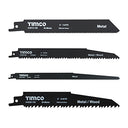
Reciprocating Saw Blades
reciprocating-saw-blades
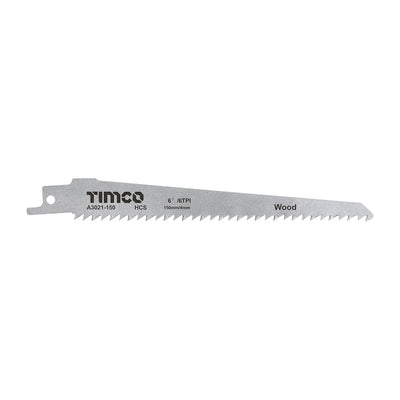
TIMCO Reciprocating Saw Blades Wood Cutting High Carbon Steel - S644D (5pcs)
- Pack quantity
- 5 Pieces
- Price
- £10.20Incl. VAT
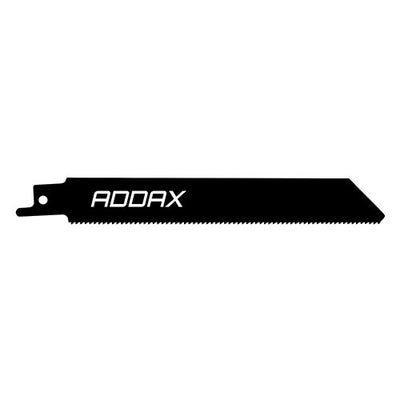
TIMCO Reciprocating Saw Blades Metal Cutting Bi-Metal - S922EF (5pcs)
- Pack quantity
- 5 Pieces
- Price
- £13.42Incl. VAT
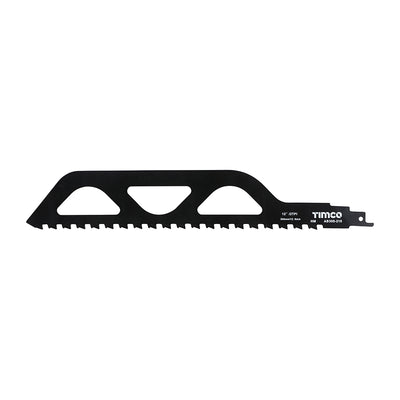
TIMCO Reciprocating Saw Blades Block / Brick Cutting Tungsten Carbide Tipped Blade - S1243HM
- Pack quantity
- 1 Each
- Price
- £21.77Incl. VAT
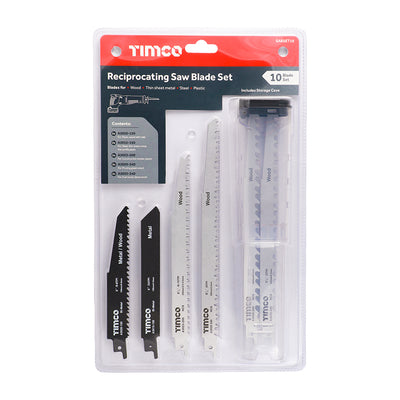
TIMCO Reciprocating Saw Blade Mixed Set Wood & Metal Cutting High Carbon Steel & Bi-Metal - Mixed (10pcs)
- Pack quantity
- 10 Pieces
- Price
- £18.29Incl. VAT
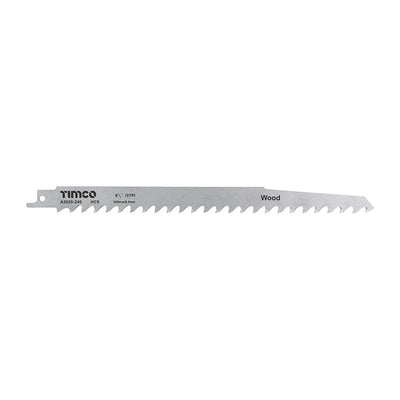
TIMCO Reciprocating Saw Blades Wood Cutting High Carbon Steel - S1542K (5pcs)
- Pack quantity
- 5 Pieces
- Price
- £15.66Incl. VAT
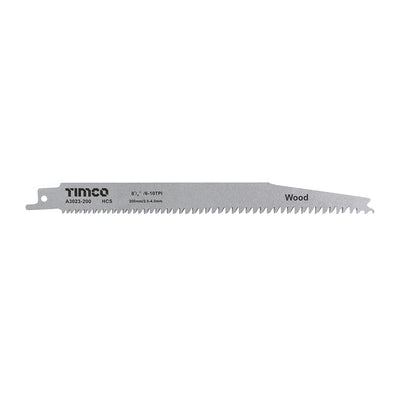
TIMCO Reciprocating Saw Blades Wood Cutting High Carbon Steel - S2345X (5pcs)
- Pack quantity
- 5 Pieces
- Price
- £15.66Incl. VAT
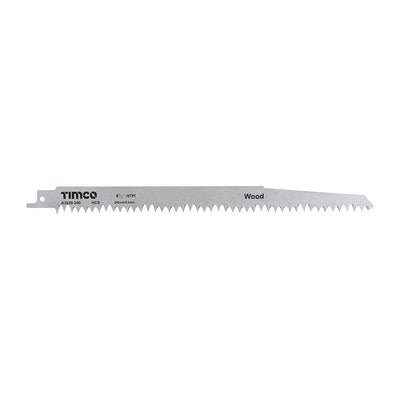
TIMCO Reciprocating Saw Blades Wood Cutting High Carbon Steel - S1531L (5pcs)
- Pack quantity
- 5 Pieces
- Price
- £15.66Incl. VAT
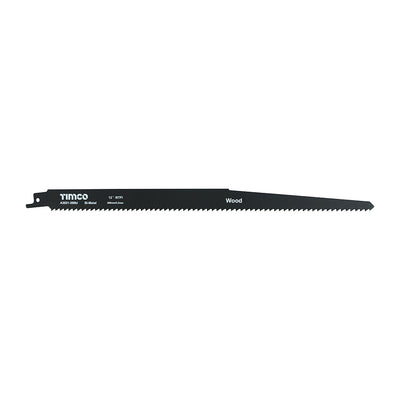
TIMCO Reciprocating Saw Blades Wood Cutting Bi-Metal - S1411DF (5pcs)
- Pack quantity
- 5 Pieces
- Price
- £27.22Incl. VAT
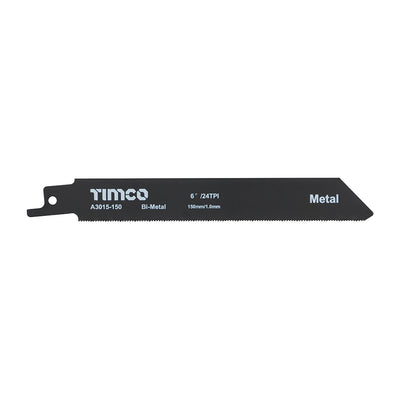
TIMCO Reciprocating Saw Blades Metal Cutting Bi-Metal - S922AF (5pcs)
- Pack quantity
- 5 Pieces
- Price
- £18.41Incl. VAT
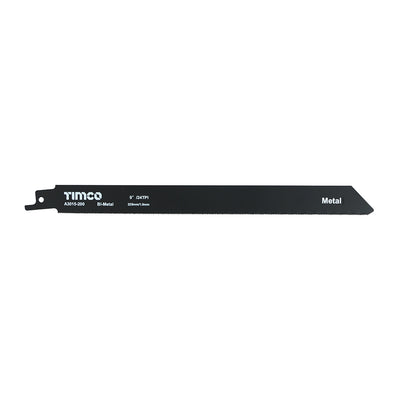
TIMCO Reciprocating Saw Blades Metal Cutting Bi-Metal - S1122AF (5pcs)
- Pack quantity
- 5 Pieces
- Price
- £24.85Incl. VAT
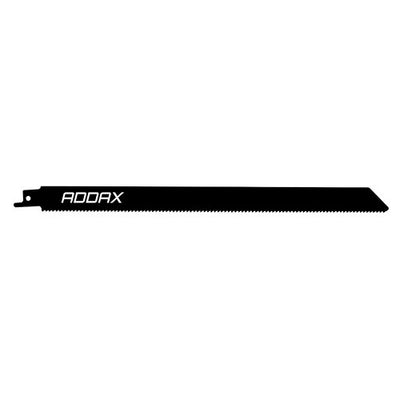
TIMCO Reciprocating Saw Blades Metal Cutting Bi-Metal - 280mm (5pcs)
- Pack quantity
- 5 Pieces
- Price
- £27.04Incl. VAT
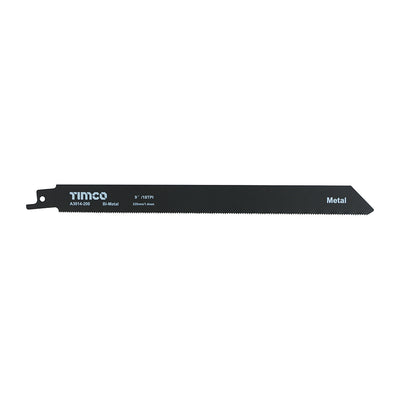
TIMCO Reciprocating Saw Blades Metal Cutting Bi-Metal - S1122EF (5pcs)
- Pack quantity
- 5 Pieces
- Price
- £17.90Incl. VAT
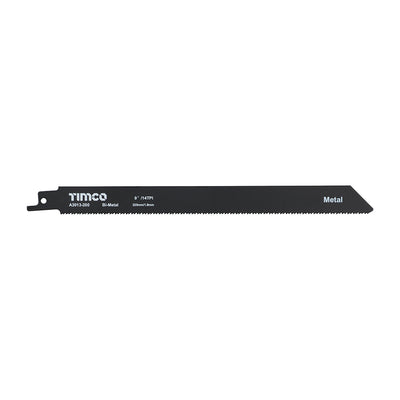
TIMCO Reciprocating Saw Blades Metal Cutting Bi-Metal - S1122BF (5pcs)
- Pack quantity
- 5 Pieces
- Price
- £17.90Incl. VAT
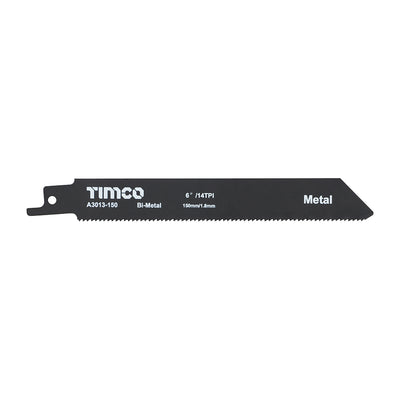
TIMCO Reciprocating Saw Blades Metal Cutting Bi-Metal - S922BF (5pcs)
- Pack quantity
- 5 Pieces
- Price
- £13.42Incl. VAT
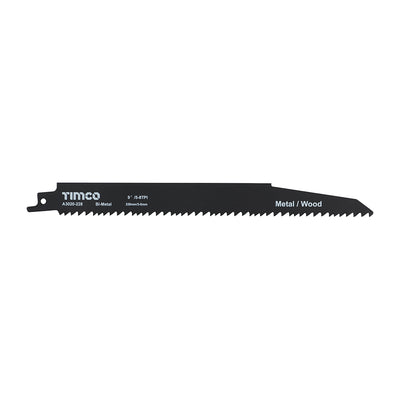
TIMCO Reciprocating Saw Blades Wood with Nails Cutting Bi-Metal - S1110VF (5pcs)
- Pack quantity
- 5 Pieces
- Price
- £25.33Incl. VAT
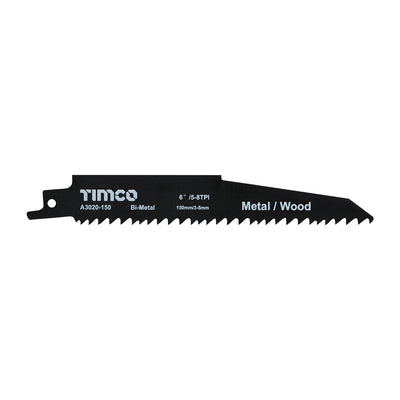
TIMCO Reciprocating Saw Blades Wood with Nails Cutting Bi-Metal - S610VF (5pcs)
- Pack quantity
- 5 Pieces
- Price
- £18.20Incl. VAT
Reciprocating Saw Blades for Wood, Metal and More
Using the wrong reciprocating saw blade slows you down and ruins materials. It can also damage your saw and create unsafe cuts. Here you will find reciprocating saw blades for wood, metal, plastic, and demolition work. All blades fit standard reciprocating saws with a universal shank. Whether you are on site or tackling a home project, the right blade is here.
Get the Right Reciprocating Saw Blade Every Time
Not all reciprocating saw blades are the same. The wrong blade tears material, overheats fast, and dulls quickly. Picking the right blade saves time and gives a cleaner result.
Reciprocating saw blades are made for specific materials. Wood blades have fewer, larger teeth. Metal blades have fine, close teeth. Bi-metal blades combine flexibility with cutting power.
This range covers blades for all common cutting tasks. Products suit trade professionals and serious DIYers across the UK. Pack sizes are available for both single use and bulk buying.
Quick tip: Always match the blade TPI (teeth per inch) to the material. Use low TPI for fast cuts in wood. Use high TPI for smooth cuts in metal. A finer tooth count reduces burring and improves finish quality.
Types of Reciprocating Saw Blades
Each blade type is designed for a specific material or task. Here is a clear breakdown of what is available and when to use each one.
Reciprocating Saw Blades for Wood
Wood blades have large, widely spaced teeth. They cut fast through softwood, hardwood, and chipboard. Lower TPI ratings (6 to 10) give aggressive, rapid cuts. These are ideal for framing, decking, and rough demolition work. Many wood blades also cut through nails embedded in timber.
Reciprocating Saw Blades for Metal
Metal cutting blades have fine, close-set teeth. Higher TPI ratings (14 to 32) reduce heat and vibration. They cut through mild steel, copper pipe, aluminium, and steel conduit. Bi-metal blades with high-speed steel teeth last far longer on metal. Use slow saw speed settings for thin sheet metal.
Bi-Metal Reciprocating Saw Blades
Bi-metal blades are the most versatile type available. They have a flexible spring steel body with hardened HSS teeth. This prevents snapping and extends cutting life significantly. They can cut wood, metal, plastic, and mixed materials in one blade. Ideal for demolition work where materials change frequently.
Demolition Blades
Demolition blades are built to cut through anything fast. They handle nails, screws, wire, timber, and pipe in one pass. Thick, reinforced bodies resist bending and flexing under pressure. These are the go-to blade for strip-out and refurbishment work. Available in longer lengths for deep, awkward cuts.
Pruning and Green Wood Blades
Pruning blades are designed for fresh wood and green branches. They have deep, hook-shaped teeth that pull through fast. Ideal for landscaping, tree surgery, and garden clearance jobs. Do not use these blades on dried or engineered timber. They are suited to reciprocating saws used as power pruning tools.
Plaster and Gypsum Blades
These blades cut through plasterboard and gypsum without crumbling. They have a fine, wavy tooth set for smooth, clean cuts. Suitable for making apertures for sockets, switches, and access panels. Much faster than using a pad saw by hand. Minimises dust and edge damage on finished plasterboard.
Reciprocating Saw Blade TPI Guide
TPI stands for teeth per inch. It is the most important blade specification. It tells you how the blade will cut and what material it suits.
| TPI Range | Best For | Cut Type |
|---|---|---|
| 3 to 6 TPI | Softwood, rough timber, green wood | Fast, aggressive cut |
| 6 to 10 TPI | Hardwood, chipboard, general wood cutting | Fast with moderate finish |
| 10 to 14 TPI | Thick mild steel, copper pipe, plastic | Medium speed, cleaner edge |
| 14 to 18 TPI | Thin steel sections, angle iron, stainless steel | Smooth, controlled cut |
| 18 to 32 TPI | Sheet metal, thin tube, steel conduit | Fine, burr-free finish |
Always use the highest TPI that still gives you acceptable cutting speed. Too fine a tooth on thick wood causes the blade to bind. Too coarse a tooth on thin metal causes chattering and tooth stripping.
Which Reciprocating Saw Blade Do You Need?
Matching the blade to the job makes cutting faster and safer. Here is a practical guide for the most common tasks.
Cutting Wood on Site
Use a wood blade with 6 to 10 TPI for general timber cutting. For fast rough cuts in framing timber, go for 3 to 6 TPI. A longer blade gives you more depth on thicker sections. Bi-metal blades are worth using if nails may be present in the timber.
Cutting Metal Pipe and Conduit
Use a bi-metal blade rated for metal with 14 to 18 TPI. Slow your saw speed down when cutting thin-walled steel tube. Apply light, steady pressure. Let the blade do the work. Lubricating the blade lightly extends its life on metal.
Demolition and Strip-Out Work
Use a thick demolition blade rated for multi-material cutting. These handle nails, screws, and mixed materials without breaking. Go for a longer blade length (200mm or more) for deep access. A bi-metal body gives the best durability on demanding strip-out tasks.
Cutting Stainless Steel
Stainless steel is harder than mild steel. It needs a fine blade. Use a bi-metal blade with 18 to 32 TPI for stainless applications. Reduce saw speed and keep pressure light and even. Rushing stainless steel cuts causes blade heat and fast dulling.
Cutting Plastic and PVC
Use a medium TPI blade (10 to 14) for PVC pipe and plastic sheeting. Too fine a tooth causes melting from heat build-up. A wood blade can also work on thicker plastic sections. Keep the saw moving steadily to prevent blade binding.
Plasterboard and Internal Fit-Out
Use a fine-tooth gypsum or plasterboard blade for clean cuts. Mark your cut lines clearly before starting. Short blade lengths (100 to 150mm) give more control for apertures. Always check for hidden cables and pipes before cutting into walls.
Reciprocating Saw Blade Length Guide
Blade length affects how deep you can cut and how easily you can access tight spaces. Here is what each length range is best suited for.
Short blades (100 to 150mm) give precise control in tight spaces. They are ideal for plasterboard, plastic, and light metalwork. Easier to handle in awkward corners and inside cabinets.
Medium blades (150 to 200mm) are the most commonly used length. They suit general wood and metal cutting tasks on site. A good all-round length for most reciprocating saw work.
Long blades (200mm and above) are for deep or overhead cuts. They are used in demolition, structural timber work, and pipe cutting. Longer blades flex more, so keep steady pressure and let the blade track straight.
Fitting tip: Most reciprocating saw blades use a universal T-shank fitting. This fits the majority of saws from Bosch, DeWalt, Makita, Milwaukee, and Ryobi. Always check your saw accepts T-shank blades before ordering.
Reciprocating Saw Blade Materials Explained
The material a blade is made from affects its durability and its best use.
| Blade Material | Strength | Best Use |
|---|---|---|
| High Carbon Steel (HCS) | Flexible, affordable | Wood, soft plastics, general DIY |
| High Speed Steel (HSS) | Hard, heat-resistant | Metal, stainless steel, hard materials |
| Bi-Metal (HCS body + HSS teeth) | Flexible and hard-wearing | Multi-material, demolition, site work |
| Carbide-Tipped | Extremely hard | Abrasive materials, fibre cement, cast iron |
Bi-metal blades are the best all-round investment for trade use. They outlast high carbon steel blades by a significant margin on most tasks. For heavy-duty or abrasive cutting, carbide-tipped blades are worth the extra cost.
Find the Right Reciprocating Saw Blade for Your Job
Use the filters above to narrow by material, TPI, length, and blade type. Check individual product pages for exact compatibility before ordering.
Whether you need reciprocating saw blades for wood framing, metal pipe cutting, demolition strip-out, or plasterboard work, this range covers the most-used blade types for trade and home use across the UK. All blades available here fit standard T-shank reciprocating saws.
For the tools that use these blades, see our power tools range. For other cutting consumables, see our saw blades range.
Frequently Asked Questions
What are reciprocating saw blades used for?
Reciprocating saw blades are used for cutting wood, metal, plastic, plasterboard, and mixed materials. They attach to a reciprocating saw and move back and forth to cut. Different blade types suit different materials and cutting tasks.
What reciprocating saw blade is best for cutting metal?
Use a bi-metal blade with 14 to 32 TPI for cutting metal. Higher TPI gives a smoother cut on thin metal. For thick mild steel or copper pipe, 14 to 18 TPI works well. Always reduce saw speed when cutting metal to extend blade life.
Can I use a reciprocating saw blade for cutting wood and metal?
Yes. Bi-metal blades can cut both wood and metal. They are the best option when materials change during a task. However, a blade dedicated to one material will always perform better on that material alone.
What does TPI mean on a reciprocating saw blade?
TPI stands for teeth per inch. It tells you how many cutting teeth are in each inch of the blade. Low TPI cuts fast but rough. High TPI cuts slower but gives a finer finish. Match TPI to your material for the best results.
Do reciprocating saw blades fit all saws?
Most modern reciprocating saw blades use a universal T-shank fitting. This fits the majority of branded saws including Bosch, DeWalt, Makita, Milwaukee, and Ryobi. Always check your saw's fitting type before ordering.
How long do reciprocating saw blades last?
It depends on the blade material and what you are cutting. Bi-metal blades last significantly longer than high carbon steel blades. Cutting abrasive or hard materials wears blades faster. Replace a blade when it starts to cut slowly or produces excessive heat.
What blade length should I use for a reciprocating saw?
Use a blade at least 25mm longer than the thickness of the material being cut. Short blades (100 to 150mm) suit light work and tight spaces. Medium blades (150 to 200mm) suit most general tasks. Long blades (200mm or more) are used for deep cuts and demolition work.
What is the difference between a bi-metal and a high carbon steel blade?
A high carbon steel blade is affordable and flexible. It suits wood and soft materials. A bi-metal blade has a flexible steel body with hardened high-speed steel teeth. Bi-metal blades last much longer and can cut harder materials without snapping. For trade use, bi-metal blades offer better value over time.
Related Cutting Products
Reciprocating saw blades are often used alongside other cutting tools and accessories. See our power tools range for reciprocating saws and related tools.
For other blade types and cutting consumables, see our saw blades range.