13 products
Multi-Functional Hangers
multi-functional-hangers
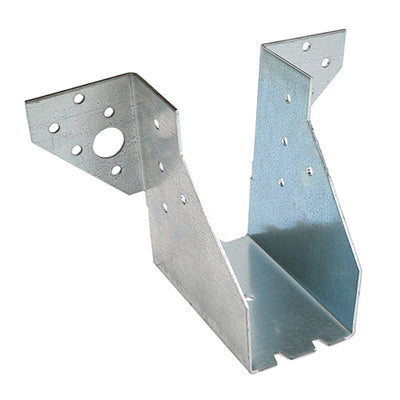
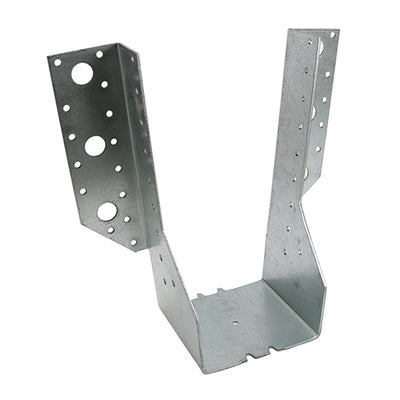
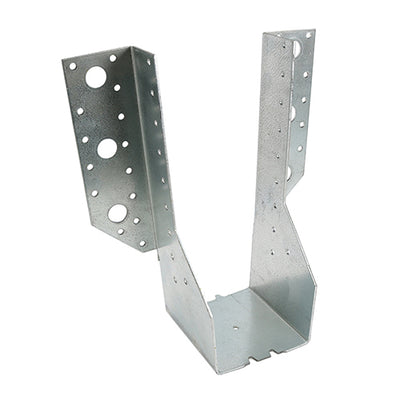
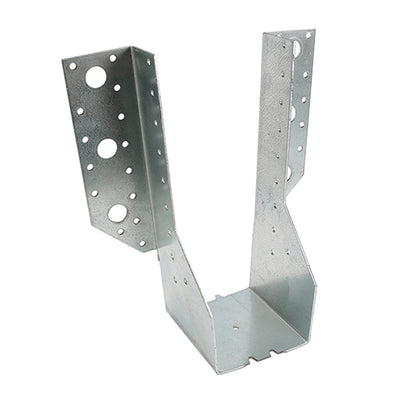
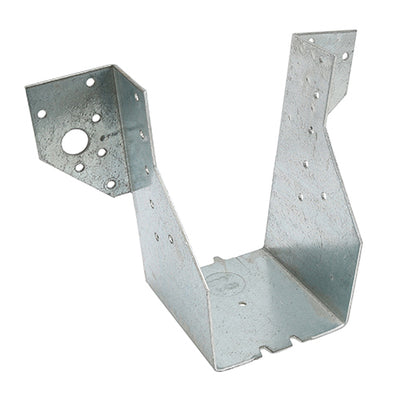
TIMCO Multi-Functional Hangers Galvanised - 76 x 346
- Pack quantity
- 1 Each
- Price
- £2.74Incl. VAT
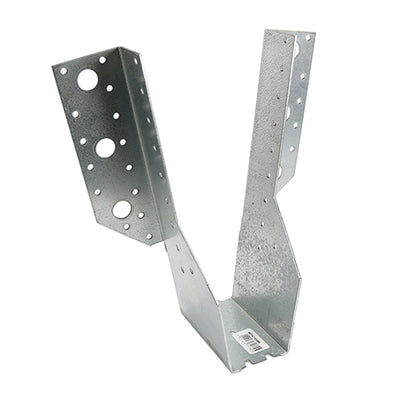
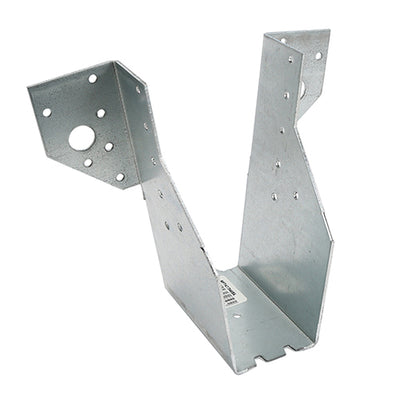
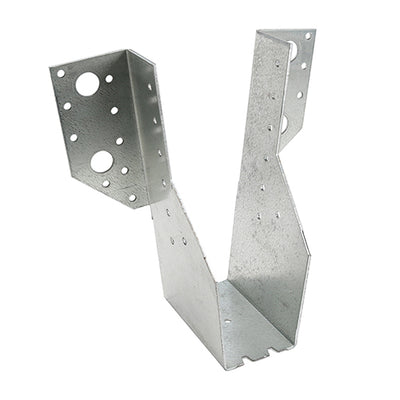
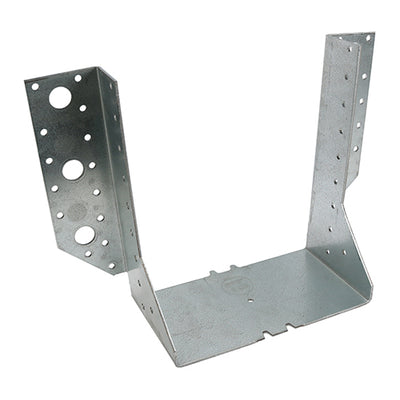
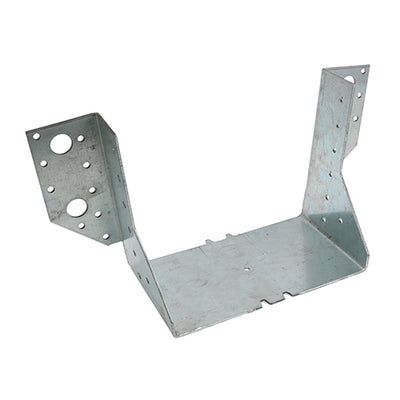
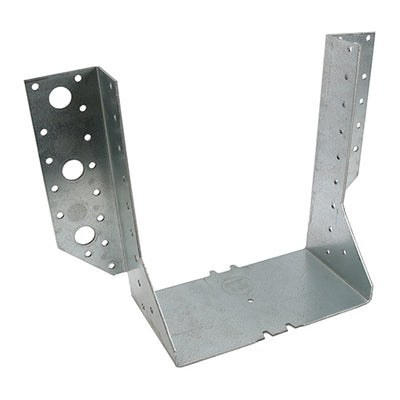
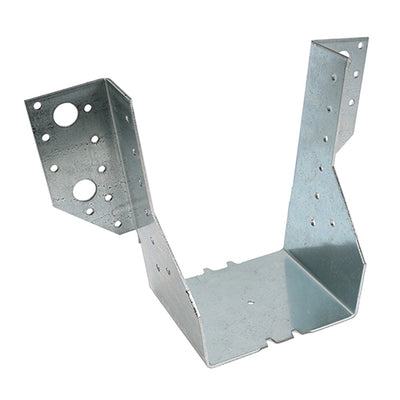
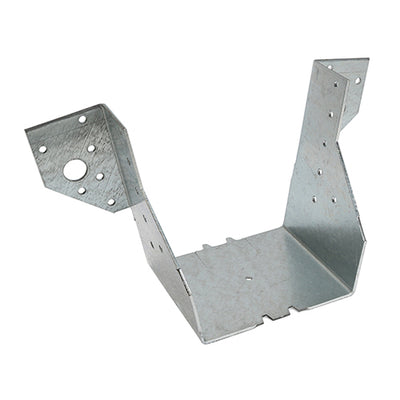
Multi-Functional Hangers for Timber, Joists and Structural Use
A failing joist hanger can bring a floor or roof down with it. One wrong fixing choice costs far more than the part itself. This range covers multi-functional hangers for timber-to-timber and timber-to-masonry connections. It includes TIMCO joist hangers, galvanised joist hangers, and versatile restraint straps. Every product here is suited to UK construction standards and trade use. Whether you are on a new build site or carrying out a structural repair, you will find the right hanger here.
What Are Multi-Functional Hangers?
Multi-functional hangers are pressed steel brackets. They support and connect structural timber members. They are used where two pieces of timber meet at a right angle.
Joist hangers are the most common type. They carry floor joists, roof joists, and ceiling joists. The hanger wraps under the timber and fixes to the supporting member or wall. This transfers the load safely and keeps the joint tight.
The term "multi-functional" means one bracket can handle several applications. It can support different joist sizes, timber species, and fixing configurations. This reduces the number of different products you need to keep on site.
Good to know: Most joist hangers in this range are approved for use in the UK. Always check the product spec sheet for load ratings and fixing requirements. Never guess the rated load. Always verify before installing structural hardware.
Types of Multi-Functional Hangers Available
Different structural situations need different hanger types. Here is a clear guide to what is available and when to use each one.
TIMCO Joist Hangers
TIMCO joist hangers are pressed from galvanised steel. They are built for timber floor and roof joists. They fit standard UK joist sizes from 38mm to 100mm width. TIMCO is a trusted brand used across UK trade and construction. These hangers offer reliable strength at a competitive price. Specific options include TIMCO Mini Multi-Functional Hangers Galvanised - 47 x 240, TIMCO Multi-Functional Hangers Galvanised - 90 x 504, TIMCO Multi-Functional Hangers Galvanised - 76 x 504, TIMCO Multi-Functional Hangers Galvanised - 76 x 404, TIMCO Multi-Functional Hangers Galvanised - 76 x 346, TIMCO Multi-Functional Hangers Galvanised - 47 x 504.
Galvanised Joist Hangers
Galvanised joist hangers have a protective zinc coating. This makes them resistant to moisture and corrosion. They are suitable for use in exposed roof structures, garages, and timber frame buildings. The galvanised finish meets BS EN 10143 standards for hot-dipped coatings. They are the right choice where dampness is a risk.
Restraint Straps
Restraint straps tie masonry walls to timber floor and roof structures. They stop walls from moving outward under load or wind pressure. They are a Building Regulations requirement in most new build and extension work. Available in standard lengths to suit wall thicknesses across the UK.
Timber to Timber Connectors
These connect two timber sections side by side or at an angle. They are used in ridge boards, purlins, and rafter connections. Many are slotted to allow adjustment during fitting. They are a neat alternative to traditional notching and nailing.
Face-Fix and Top-Fix Hangers
Face-fix hangers nail to the front face of the supporting member. Top-fix hangers sit over the top and nail through the sides. Top-fix types are useful when face nailing is not possible. Both types work with standard joist nails or structural screws.
Heavy Duty Joist Hangers
Heavy duty joist hangers carry larger spans and heavier loads. They are made from thicker gauge steel for extra strength. Used in commercial builds, larger residential projects, and engineered timber connections. Always check the load table before selecting a heavy duty hanger.
Where Multi-Functional Hangers Are Used
Joist hangers and structural hanger brackets are used in many areas of UK construction. They appear in new builds, extensions, loft conversions, and timber frame projects.
Floor Joists
Joist hangers support floor joists where they meet a steel beam or timber wall plate. They keep the floor structure level and prevent twisting. This is the most common use on residential building sites across the UK.
Roof Structures
Roof joist hangers connect ceiling joists and rafters to wall plates and ridge boards. They replace traditional bird's mouth cuts in many modern builds. This speeds up roof assembly and improves connection strength.
Loft Conversions
Loft conversions often require new structural timbers in tight spaces. Multi-functional hangers make these connections easier and safer. They allow a clean, code-compliant connection without complex carpentry.
Extensions and Orangeries
Extensions need hangers where new floor or roof joists meet the existing structure. Joist hangers provide a strong, permanent connection to existing brickwork or timber. They are quicker to install than built-in pockets in masonry.
Timber Frame Builds
Timber frame homes use a high volume of joist and rafter hangers. Multi-functional hangers reduce the number of bracket types needed on site. This saves storage space and simplifies ordering.
Decking and Outbuildings
Joist hangers are used in garden decking frames and timber outbuildings. Galvanised types are essential here due to outdoor moisture exposure. Using an uncoated hanger outside will lead to early corrosion and failure.
How to Pick the Right Joist Hanger
Getting the right hanger for your job is not complicated. You just need to know four things.
| What to Check | Why It Matters | What to Look For |
|---|---|---|
| Joist width | The hanger must match the timber width exactly | Measure in mm. Common sizes: 38mm, 47mm, 50mm, 75mm |
| Joist depth | The hanger wraps under the joist. It must fit the full depth | Common depths: 97mm, 120mm, 145mm, 170mm, 195mm, 220mm |
| Load rating | Every hanger has a rated vertical load capacity | Check the product data sheet. Match to your structural load |
| Fixing environment | Indoor or outdoor use determines the finish needed | Use galvanised joist hangers for damp or outdoor locations |
| Supporting member | Hangers fix differently to masonry vs timber | Check if you need a masonry strap or timber face-fix hanger |
Trade tip: Always use the correct nails with your joist hanger. Most hangers require 30mm x 3.75mm galvanised joist hanger nails. Using wood screws or the wrong nail size reduces the rated load capacity. The hanger is only as strong as its fixing.
TIMCO Joist Hangers vs Standard Galvanised Joist Hangers
Both TIMCO joist hangers and standard galvanised joist hangers are popular in the UK. Here is how they compare to help you decide which suits your project.
TIMCO joist hangers are made to consistent quality standards. They are pre-galvanised. They suit most standard residential and light commercial applications. TIMCO products are widely stocked and available in practical trade pack sizes. They are a reliable choice for most UK building projects.
Hot-dipped galvanised joist hangers have a thicker zinc coating. This offers better long-term corrosion protection. They are preferred in exposed outdoor structures, green oak builds, and high-humidity environments. The coating meets BS EN ISO 1461 for hot-dip galvanising. They cost a little more but last longer in tough conditions.
For most internal floor and roof joist applications, TIMCO hangers are the right pick. For outdoor decking frames, exposed roof timbers, or coastal areas, go for hot-dipped galvanised.
How to Fix a Joist Hanger Correctly
Fitting a joist hanger is a straightforward task. But it must be done right. A poorly fixed hanger will not carry its rated load safely.
Step 1: Mark the Position
Mark the top of the joist position on the supporting beam or wall plate. Use a spirit level to keep the mark straight and accurate. An uneven hanger will cause a sloping or twisted joist.
Step 2: Fix the Hanger
Nail or screw the hanger to the supporting member first. Use all fixing holes in the hanger. Never skip holes. Partially fixed hangers lose a significant portion of their rated load.
Step 3: Insert the Joist
Slide the joist down into the hanger. It should sit snugly with no gaps. The joist must sit on the hanger base plate. Not just resting on the sides. A gap under the joist means the hanger is too large.
Step 4: Nail Through the Sides
Nail through the side tabs of the hanger into the joist. Again, use all the nail holes provided. This locks the joist in place and prevents lateral movement.
Important: Never use joist hangers that show signs of damage or corrosion before fitting. A bent or corroded hanger will not perform to its rated specification. Always store hangers in a dry place before use.
Hanger Finishes and When to Use Each One
The finish on a structural hanger affects how long it lasts. Always match the finish to the environment.
| Finish | Best Environment | Typical Application |
|---|---|---|
| Pre-Galvanised (G90) | Internal, dry conditions | Internal floor joists, internal roof structures |
| Hot-Dipped Galvanised | Outdoor or damp conditions | Decking frames, exposed roof timbers, outbuildings |
| Stainless Steel | Coastal or chemical environments | Marine-adjacent builds, outdoor pools, high-humidity areas |
| Zinc Plated | Dry internal use only | Light-duty internal timber connections |
Using a pre-galvanised hanger in an outdoor or exposed roof setting will cause corrosion. In the UK's damp climate, always go for hot-dipped galvanised or better for any outdoor structural connection.
Find the Right Structural Hanger for Your Project
Use the filters above to narrow by hanger type, joist size, and finish. Check individual product pages for load ratings, fixing specifications, and approved timber sizes before ordering.
Whether you need TIMCO joist hangers for a fast floor fix, galvanised joist hangers for outdoor decking, restraint straps for a wall tie connection, or heavy duty hangers for engineered timber, this range covers the most widely used multi-functional hangers for trade and DIY use across the UK. For structural screws to pair with your hangers, see our structural fixings range.
Frequently Asked Questions
What size joist hanger do I need for a 47mm x 145mm joist?
You need a hanger sized 47mm wide and 145mm deep. Always measure the actual timber size. Nominal sizes can vary slightly. A hanger that is too wide will allow movement and reduce load performance.
Do joist hangers need special nails?
Yes. Most joist hangers require 30mm x 3.75mm galvanised joist hanger nails. Using standard wire nails or wood screws reduces the rated load capacity. Always check the product data sheet for the specified nail size and type.
Are TIMCO joist hangers suitable for outdoor use?
Standard TIMCO joist hangers are pre-galvanised. They are designed for internal, dry conditions. For outdoor use such as decking or exposed roof structures, use hot-dipped galvanised joist hangers instead. The thicker zinc coating on hot-dipped products gives better protection against moisture.
What is a restraint strap and when is it required?
A restraint strap connects the floor or roof structure to the surrounding masonry walls. It stops walls from moving outward under load or wind. Restraint straps are a Building Regulations requirement in most new build and extension work in the UK.
Can I use a multi-functional hanger on engineered timber like LVL or I-joists?
Not all standard joist hangers are rated for engineered timber. Always check the product specification for approved timber types. Some engineered timber manufacturers also specify their own approved hanger products.
What is the difference between a face-fix and top-fix joist hanger?
A face-fix hanger nails to the front face of the supporting beam or wall plate. A top-fix hanger fits over the top of the supporting member and nails down through the sides. Top-fix types are used when there is no access to the face of the supporting timber.
How many nails should I use when fitting a joist hanger?
You must fill every nail hole in the hanger. Do not skip any holes. The rated load of a joist hanger is based on all fixing holes being used. A partially fixed hanger can fail under loads well below its stated rating.
Related Structural Hardware
Multi-functional hangers are often used alongside other structural products. See our structural fixings range for anchor bolts, throughbolts, and heavy-duty brackets.
For masonry connections and wall ties used near joist hanger installations, see our masonry fixings range.