30 products
Restraint Straps
restraint-straps
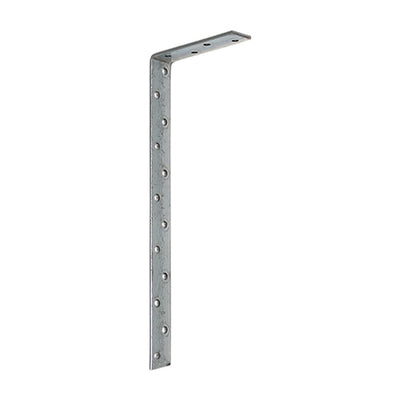
TIMCO Restraint Straps Heavy Duty Bent Galvanised - 300/100
- Pack quantity
- 1 Each
- Price
- £1.84Incl. VAT
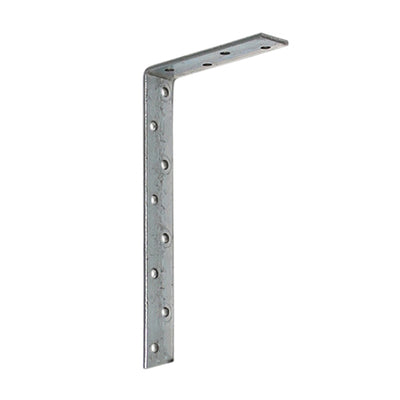
TIMCO Restraint Straps Light Duty Bent Galvanised - 200/100
- Pack quantity
- 1 Each
- Price
- £1.19Incl. VAT
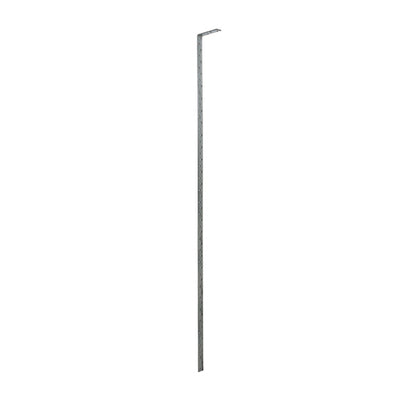
TIMCO Restraint Straps Light Duty Bent Galvanised - 900/100
- Pack quantity
- 1 Each
- Price
- £1.99Incl. VAT
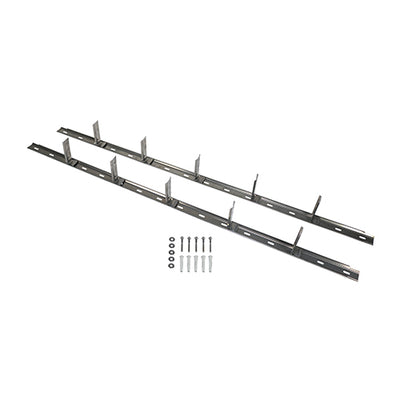
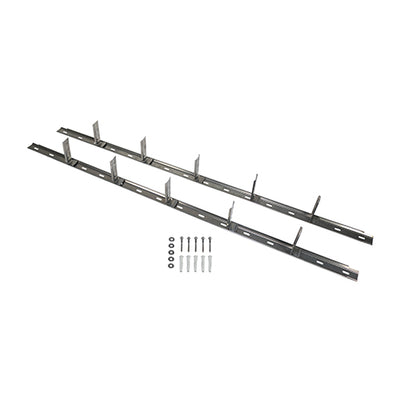
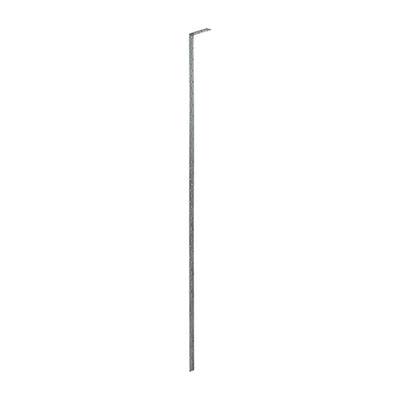
TIMCO Restraint Straps Heavy Duty Bent Galvanised - 1500/100
- Pack quantity
- 1 Each
- Price
- £7.36Incl. VAT
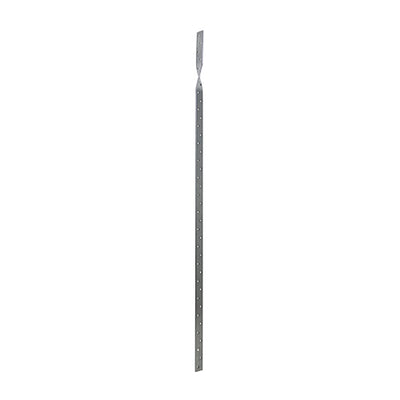
TIMCO Restraint Straps Light Duty Twisted Galvanised - 900/100
- Pack quantity
- 1 Each
- Price
- £2.93Incl. VAT
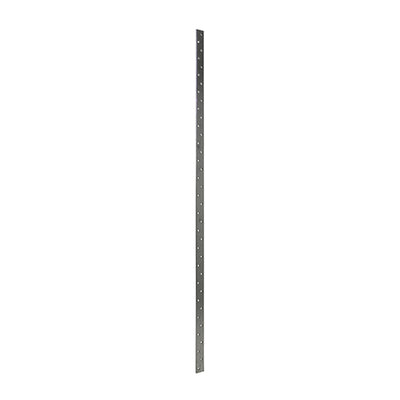
TIMCO Restraint Straps Light Duty Flat Galvanised - 1000mm
- Pack quantity
- 1 Each
- Price
- £2.40Incl. VAT
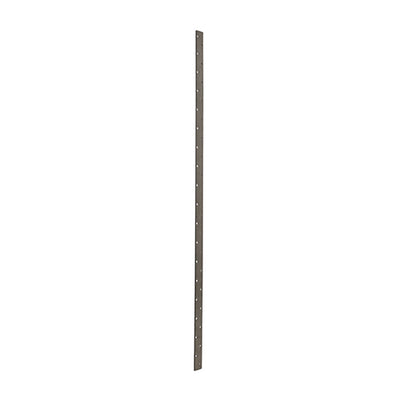
TIMCO Restraint Straps Light Duty Flat A2 Stainless Steel - 1000mm
- Pack quantity
- 1 Each
- Price
- £10.70Incl. VAT
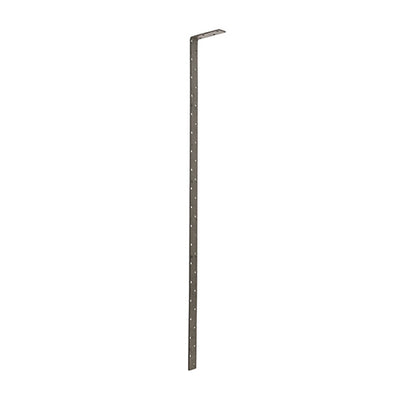
TIMCO Light Duty Restraint Straps Bent A2 Stainless Steel - 900/100
- Pack quantity
- 1 Each
- Price
- £11.03Incl. VAT
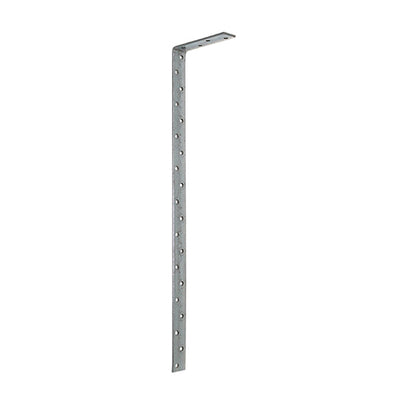
TIMCO Restraint Straps Light Duty Bent Galvanised - 500/100
- Pack quantity
- 1 Each
- Price
- £1.44Incl. VAT
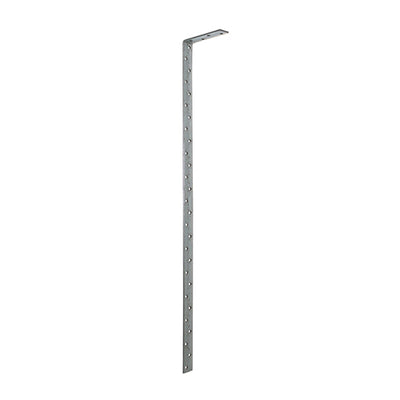
TIMCO Restraint Straps Light Duty Bent Galvanised - 700/100
- Pack quantity
- 1 Each
- Price
- £1.94Incl. VAT
TIMCO Restraint Straps Light Duty Bent Galvanised - 1400/100
- Pack quantity
- 1 Each
- Price
- £3.42Incl. VAT
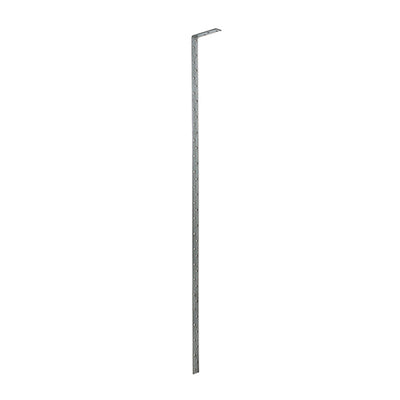
TIMCO Restraint Straps Light Duty Bent Galvanised - 1100/100
- Pack quantity
- 1 Each
- Price
- £2.36Incl. VAT
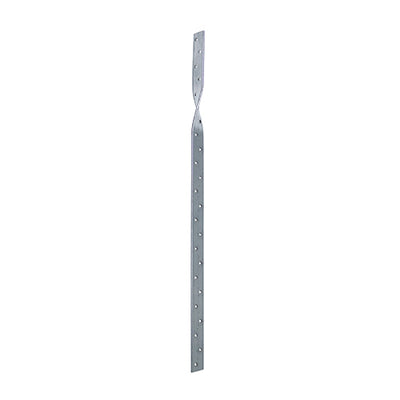
TIMCO Restraint Straps Heavy Duty Twisted Galvanised - 500/100
- Pack quantity
- 1 Each
- Price
- £3.85Incl. VAT
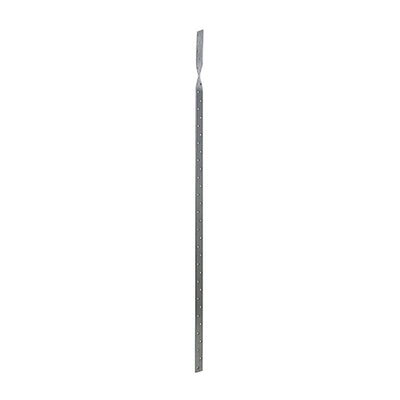
TIMCO Restraint Straps Heavy Duty Twisted Galvanised - 900/100
- Pack quantity
- 1 Each
- Price
- £5.27Incl. VAT
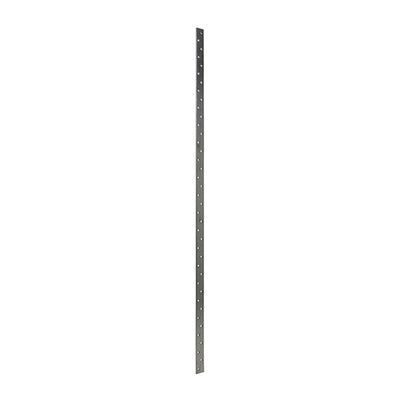
TIMCO Restraint Straps Heavy Duty Flat Galvanised - 1000mm
- Pack quantity
- 1 Each
- Price
- £4.60Incl. VAT
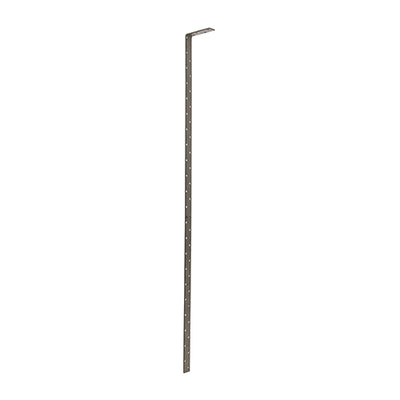
TIMCO Restraint Straps Heavy Duty Bent A2 Stainless Steel - 1100/100
- Pack quantity
- 1 Each
- Price
- £19.68Incl. VAT
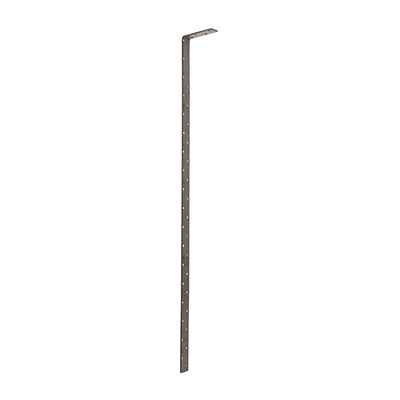
TIMCO Restraint Straps Heavy Duty Bent A2 Stainless Steel - 900/100
- Pack quantity
- 1 Each
- Price
- £16.96Incl. VAT
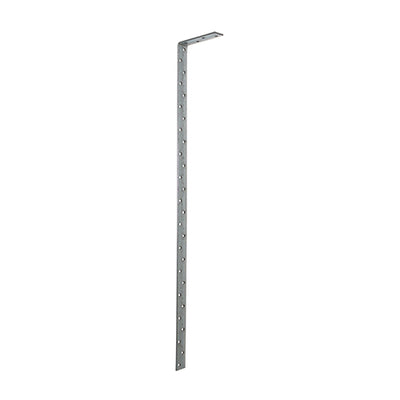
TIMCO Restraint Straps Heavy Duty Bent Galvanised - 700/100
- Pack quantity
- 1 Each
- Price
- £3.61Incl. VAT
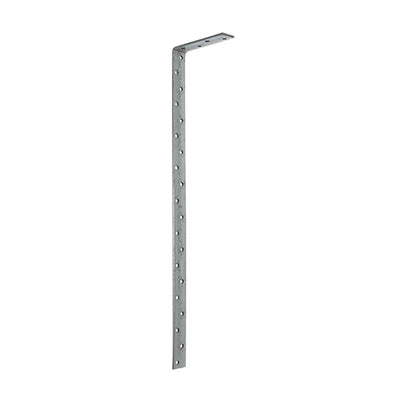
TIMCO Restraint Straps Heavy Duty Bent Galvanised - 500/100
- Pack quantity
- 1 Each
- Price
- £2.77Incl. VAT
TIMCO Restraint Straps Heavy Duty Bent Galvanised - 1450/150
- Pack quantity
- 1 Each
- Price
- £7.36Incl. VAT
TIMCO Restraint Straps Heavy Duty Bent Galvanised - 1400/100
- Pack quantity
- 1 Each
- Price
- £6.86Incl. VAT
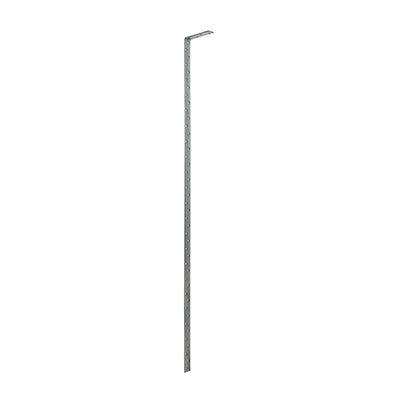
TIMCO Restraint Straps Heavy Duty Bent Galvanised - 1100/100
- Pack quantity
- 1 Each
- Price
- £4.75Incl. VAT
Restraint Straps for Timber Frame and Masonry Builds
A missing or wrong restraint strap is a building regulation failure. Full stop. Restraint straps hold walls, joists, and roof structures together. They stop lateral movement and keep buildings structurally sound. This range covers joist restraint straps, heavy duty restraint straps, and metal restraint straps. All products meet UK building regulations and structural requirements. Whether you are a builder, joiner, or self-builder, you will find the right strap here.
What Are Restraint Straps and Why Do They Matter?
Restraint straps are flat metal fixings used in structural building work. They tie floors, roofs, and walls together securely. Without them, walls can move outward under roof and floor loads.
In UK construction, restraint straps are a building regulation requirement. They are specified in Approved Document A for structural stability. Skipping them or fitting the wrong type is not acceptable on any site.
They are made from galvanised steel or stainless steel. This protects them from corrosion inside wall cavities and roof spaces. Correct installation is just as important as the strap itself.
Important: Restraint straps must be fixed at no more than 2 metre centres. This is a standard requirement under UK building regulations. Always check span tables and structural drawings before ordering.
Types of Restraint Straps Available
Different parts of a building need different strap types. Each strap is designed for a specific structural connection.
Joist Restraint Straps
Joist restraint straps connect timber floor joists to external walls. They stop the wall from moving outward under floor loading. They are bent at 90 degrees to wrap over the joist and fix to the wall. Available in standard lengths from 400mm to 1200mm. Galvanised for long-term performance inside floor zones.
Rafter and Roof Restraint Straps
Roof restraint straps tie rafters or roof joists to the top of external walls. They resist uplift and lateral movement caused by wind loads. Fitted under tiles or within the roof structure. Required at regular centres along the roof perimeter. A critical part of any compliant UK roof build.
Heavy Duty Restraint Straps
Heavy duty restraint straps are thicker and wider than standard straps. They are used where higher loads or longer spans are required. Common in commercial builds, extensions, and structural upgrades. Often specified by structural engineers for specific connections. Available in 5mm and 6mm gauge profiles.
Timber to Masonry Restraint Straps
These straps fix timber floor or roof members directly to blockwork or brickwork. They bridge the gap between the structural timber and the masonry leaf. Pre-formed bends make fitting quicker on site. Supplied with pre-drilled fixing holes. Suitable for both new build and refurbishment projects.
Stainless Steel Restraint Straps
Stainless steel restraint straps are used in exposed or damp environments. They resist corrosion better than standard galvanised straps. Ideal for timber frame builds with high humidity risk. A2 stainless is the standard grade for most UK structural applications. Longer service life with no maintenance needed.
Telescopic Restraint Straps
Telescopic restraint straps are adjustable in length. They extend to fill different cavity widths or span sizes. Useful when exact distances are not known until the build progresses. They lock at the required length and fix in the same way as standard straps. A flexible option for irregular or non-standard construction.
How to Fit Restraint Straps Correctly
Fitting a restraint strap incorrectly reduces its effectiveness. Follow these steps to ensure a compliant and safe installation.
Step 1: Identify the Connection Point
Work out where the strap needs to bridge. This is usually between a timber joist or rafter and a masonry wall. Check your structural drawings for exact positions.
Step 2: Select the Right Strap Length
Measure the span from the timber to the fixing point in the masonry. Add overlap at both ends for fixing. A strap that is too short will not meet structural requirements.
Step 3: Fix to the Timber
Use the correct nails or screws for the timber species and thickness. Galvanised ring shank nails are commonly used for strap fixing. Fix along the full length of the timber bearing surface.
Step 4: Fix to the Masonry
Use masonry screws or frame fixings in the mortar joint or block. Do not fix into raked or weak mortar joints. Ensure the strap sits flat against the masonry face.
Step 5: Check the Spacing
Restraint straps must be fitted at no more than 2m centres. Mark strap positions on the wall plate or wall before fixing begins. This makes spacing accurate and avoids gaps in restraint.
Step 6: Inspect Before Covering
Check all straps are flat, tight, and fixed at both ends before plastering or boarding. A building inspector may check strap installation at first fix stage. Do not cover the work before sign-off if required.
Site tip: Never bend a restraint strap on site with a hammer. Use pre-formed straps that match the angle you need. Bending on site weakens the metal and can cause cracking at the bend.
Restraint Strap Specification
Use this table to find the right strap for your application. Always confirm with your structural engineer for specific projects.
| Strap Type | Typical Size Range | Gauge | Best Use |
|---|---|---|---|
| Joist Restraint Strap | 400mm to 1200mm | 2.5mm to 5mm | Floor joists to external masonry walls |
| Roof Restraint Strap | 400mm to 1000mm | 2.5mm to 4mm | Rafters and ceiling joists to wall plate |
| Heavy Duty Restraint Strap | 600mm to 1800mm | 5mm to 6mm | Commercial builds and engineer-specified connections |
| Telescopic Restraint Strap | Adjustable, typically 600mm to 1200mm | 2.5mm to 4mm | Non-standard spans and cavity widths |
| Stainless Steel Restraint Strap | 400mm to 1200mm | 2.5mm to 4mm | Damp or exposed structural connections |
Check individual product pages for exact dimensions, load ratings, and fixing specifications.
Where Are Restraint Straps Used on a Building?
Restraint straps are needed at several key points in a structure. Each location has a specific role in maintaining structural stability.
Ground Floor Joist Zone
Ground floor joists span between walls and carry floor loads. Joist restraint straps fix the joists to the inner leaf of the cavity wall. This stops the wall leaf from deflecting outward under load.
First Floor Joist Zone
Upper floor joists need the same restraint as ground floor joists. Straps are fixed at regular intervals along the external walls. This is especially important in two-storey and three-storey buildings.
Roof Level
Roof restraint straps stop walls from spreading under the roof load. They tie the rafter feet to the wall plate and the masonry below. Wind uplift is a key concern at this level.
Gable Walls
Gable walls are exposed to wind and need lateral restraint. Straps run from the gable wall across the roof structure inside. Without them, gable walls are at risk of overturning in high winds.
Metal Restraint Straps: Material and Finish Options
The material and finish of a metal restraint strap affects its lifespan. Choosing the wrong finish leads to corrosion and structural failure.
| Finish | Environment | Expected Lifespan |
|---|---|---|
| Galvanised Steel | Internal and protected cavities | 50+ years in dry conditions |
| Hot-Dipped Galvanised | Slightly exposed or damp cavities | 60+ years with good protection |
| A2 Stainless Steel | Damp, exposed, or high-humidity areas | 75+ years in most UK conditions |
| A4 Stainless Steel | Coastal or chemically aggressive environments | Excellent long-term resistance |
For most UK domestic builds, galvanised straps are the standard choice. Use stainless steel in coastal areas, swimming pool buildings, or high-humidity spaces.
Find the Right Restraint Strap for Your Project
Use the filters above to narrow down by strap type, length, and material. Check each product page for fixing specifications and pack sizes before ordering.
For heavy duty restraint straps, joist restraint straps, or standard metal restraint straps, this range covers the most-used structural fixings for UK residential and commercial builds. All products are suited to timber frame, masonry, and mixed-construction methods.
Need help with related structural fixings? See our structural fixings range for hangers, connectors, and truss clips.
Frequently Asked Questions About Restraint Straps
What is a joist restraint strap used for?
A joist restraint strap ties floor or ceiling joists to the external masonry wall. It stops the wall from moving outward under floor or roof loading. It is a building regulation requirement at both ground and upper floor levels.
How far apart should restraint straps be fitted?
Restraint straps must be fitted at maximum 2 metre centres. This is the standard requirement under UK building regulations (Approved Document A). Closer spacing may be needed in high wind zones or on engineer-specified projects.
What length restraint strap do I need?
The length depends on the distance from the timber to the masonry fixing point. The strap must have enough overlap at both ends to fix securely. Measure the span and allow at least 100mm bearing at each end.
Can restraint straps be bent on site to fit?
No. Site bending weakens the strap and may crack the galvanised coating. Always order pre-formed straps in the correct angle for your application. Using a damaged or bent strap on a structural connection is not compliant.
Are restraint straps a building regulation requirement in the UK?
Yes. Restraint straps are required under Approved Document A of the Building Regulations. They are mandatory at joist and rafter level on all new domestic builds. Building inspectors will check for them at first fix stage.
What is the difference between a restraint strap and a joist hanger?
A restraint strap provides lateral stability by tying a timber member to a wall. A joist hanger carries the vertical load of a joist at its end. Both are structural fixings but they serve different structural purposes.
What screws or nails should I use to fix restraint straps?
Use galvanised ring shank nails or structural screws for timber fixings. For masonry, use masonry screws or frame fixings rated for the base material. Check each product's specification for the recommended fixing size and type.
Related Structural Fixings
Restraint straps are often used alongside other structural connectors. See our joist hangers for end-bearing joist support.
For fixing straps into masonry walls, see our masonry fixings range for the right screws and anchors.