46 products
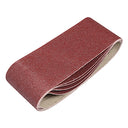
Powertool Sanding
powertool-sanding
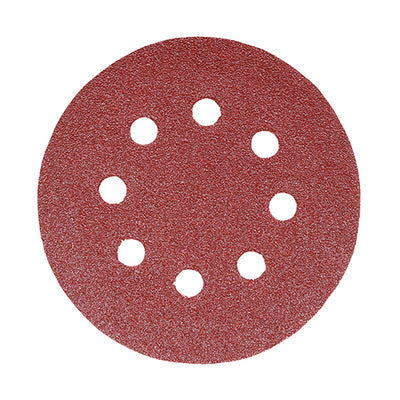
TIMCO Random Orbital Sanding Discs 60 Grit Red - 125mm (5pcs)
- Pack quantity
- 5 Pieces
- Price
- £2.21Incl. VAT
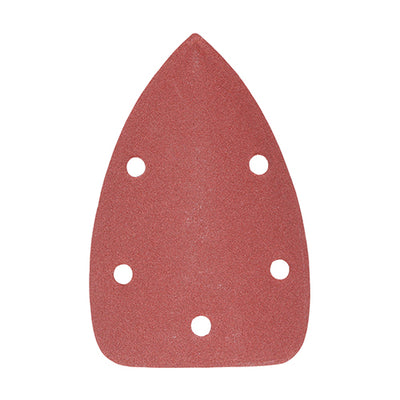
TIMCO Detail Sanding Pads 180 Grit Red - 95 x 136mm (5pcs)
- Pack quantity
- 5 Pieces
- Price
- £2.56Incl. VAT
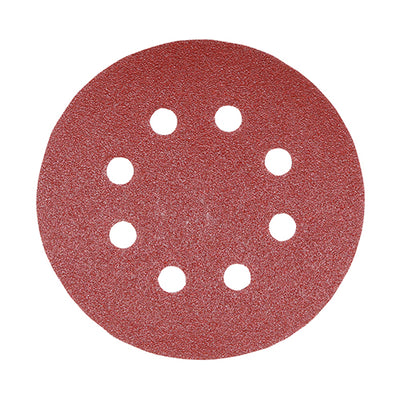
TIMCO Random Orbital Sanding Discs Mixed Red - 125mm (80/120/180) (5pcs)
- Pack quantity
- 5 Pieces
- Price
- £2.21Incl. VAT
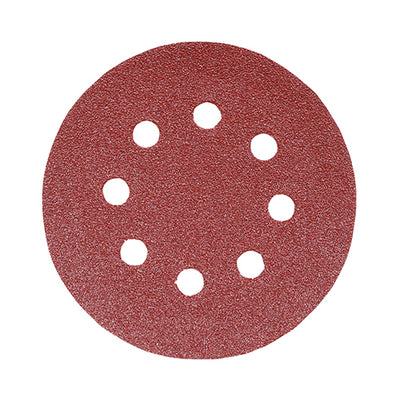
TIMCO Random Orbital Sanding Discs 120 Grit Red - 125mm (5pcs)
- Pack quantity
- 5 Pieces
- Price
- £2.21Incl. VAT
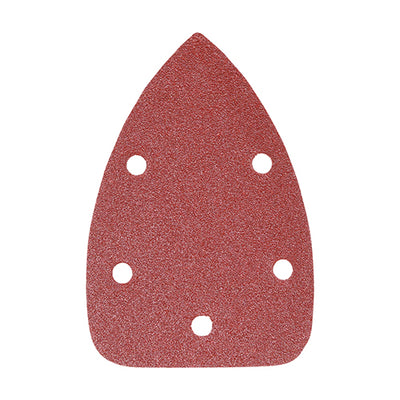
TIMCO Detail Sanding Pads 80 Grit Red - 95 x 136mm (5pcs)
- Pack quantity
- 5 Pieces
- Price
- £2.56Incl. VAT
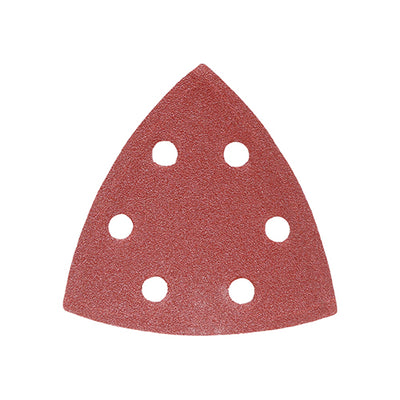
TIMCO Delta Sanding Pads 120 Grit Red - 95 x 95mm (5pcs)
- Pack quantity
- 5 Pieces
- Price
- £2.38Incl. VAT
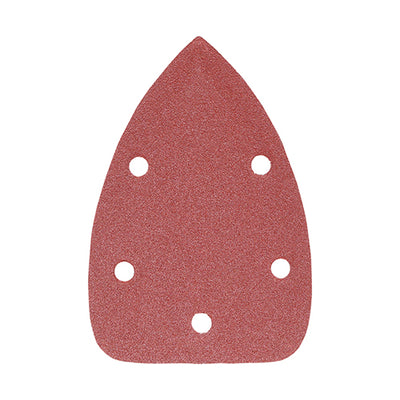
TIMCO Detail Sanding Pads 120 Grit Red - 95 x 136mm (5pcs)
- Pack quantity
- 5 Pieces
- Price
- £2.56Incl. VAT
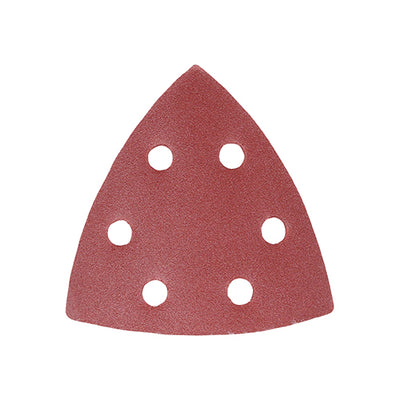
TIMCO Delta Sanding Pads 240 Grit Red - 95 x 95mm (5pcs)
- Pack quantity
- 5 Pieces
- Price
- £2.38Incl. VAT
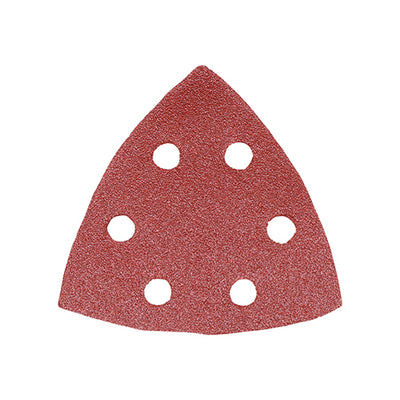

TIMCO Drylining Sanding Discs 100 Grit Yellow - 225mm (25pcs)
- Pack quantity
- 25 Pieces
- Price
- £50.63Incl. VAT

TIMCO Drylining Sanding Discs 220 Grit Yellow - 225mm (25pcs)
- Pack quantity
- 25 Pieces
- Price
- £50.63Incl. VAT

TIMCO Drylining Sanding Discs 80 Grit Yellow - 225mm (25pcs)
- Pack quantity
- 25 Pieces
- Price
- £50.63Incl. VAT
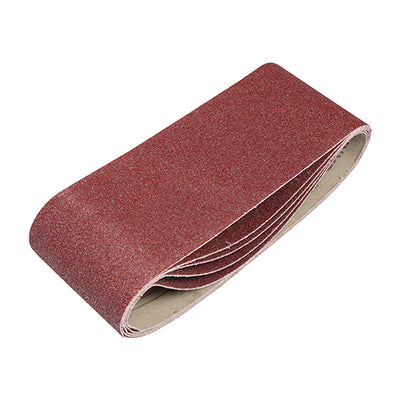
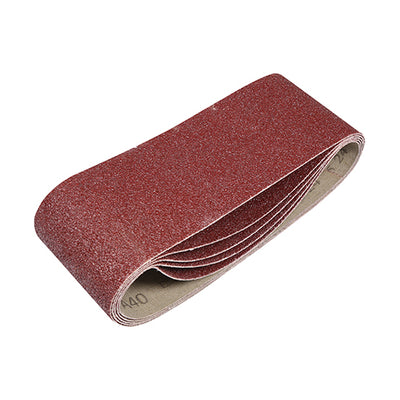
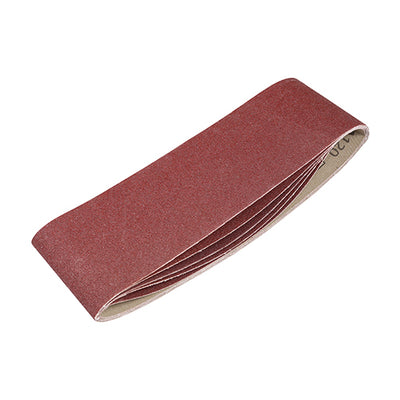

TIMCO Drylining Sanding Discs 150 Grit Yellow - 225mm (25pcs)
- Pack quantity
- 25 Pieces
- Price
- £50.63Incl. VAT

TIMCO Drylining Sanding Discs 180 Grit Yellow - 225mm (25pcs)
- Pack quantity
- 25 Pieces
- Price
- £50.63Incl. VAT

TIMCO Drylining Sanding Discs 120 Grit Yellow - 225mm (25pcs)
- Pack quantity
- 25 Pieces
- Price
- £50.63Incl. VAT

TIMCO Drylining Sanding Discs 60 Grit Yellow - 225mm (25pcs)
- Pack quantity
- 25 Pieces
- Price
- £50.63Incl. VAT

TIMCO Drylining Sanding Discs 40 Grit Yellow - 225mm (25pcs)
- Pack quantity
- 25 Pieces
- Price
- £50.63Incl. VAT
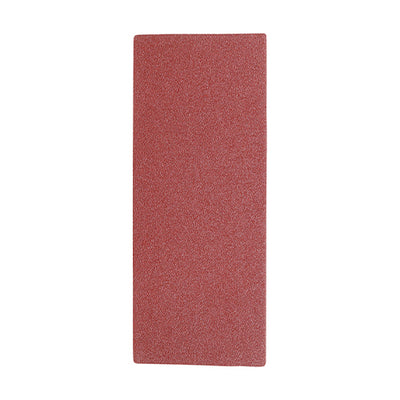
TIMCO 1/3 Sanding Sheets Mixed Red Unpunched - 93 x 230mm (80/120/180) (5pcs)
- Pack quantity
- 5 Pieces
- Price
- £2.48Incl. VAT
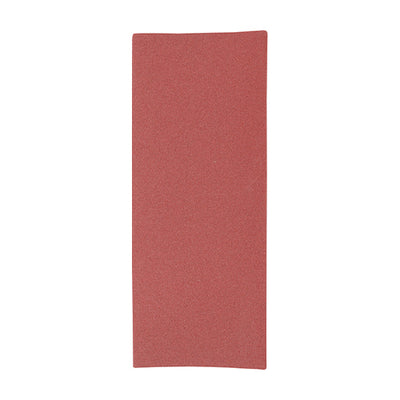
TIMCO 1/3 Sanding Sheets 180 Grit Red Unpunched - 93 x 230mm (5pcs)
- Pack quantity
- 5 Pieces
- Price
- £2.48Incl. VAT
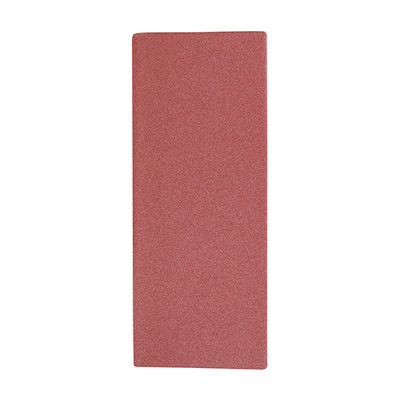
TIMCO 1/3 Sanding Sheets 120 Grit Red Unpunched - 93 x 230mm (5pcs)
- Pack quantity
- 5 Pieces
- Price
- £2.48Incl. VAT
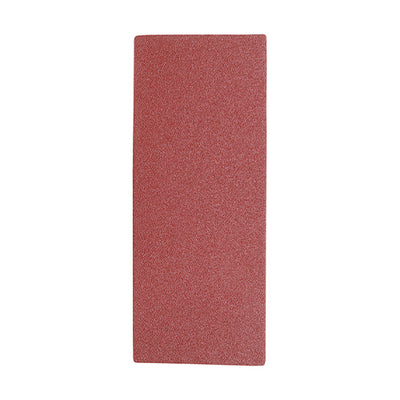
TIMCO 1/3 Sanding Sheets 80 Grit Red Unpunched - 93 x 230mm (5pcs)
- Pack quantity
- 5 Pieces
- Price
- £2.48Incl. VAT
Powertool Sanding Supplies for Trade and DIY
A poor sanding job ruins a good finish. Wrong grit, wrong tool, or wrong paper wastes time and material. Here you will find quality powertool sanding supplies that get the job done right. We stock orbital power sander pads, belt sanding paper, sanding discs, and more. All products are suited to wood, metal, plaster, and painted surfaces. Whether you are on site or finishing a home project, you will find what you need here.
Get a Smooth Finish Every Time
Powertool sanding is faster than sanding by hand. It gives a more even surface too. The right abrasive removes material quickly without leaving scratches.
Different jobs need different tools and paper. A belt sander is fast and aggressive. An orbital power sander is better for fine finishing work. Using the right setup from the start saves time and effort.
We stock sanding supplies for the most common power sanders used across the UK. Products come in practical pack sizes for trade use and DIY projects. Grits range from coarse stock removal to ultra-fine finishing grades.
Quick tip: Always start with a coarser grit to remove material. Then work up to a finer grit for a smooth finish. Skipping grits leaves visible scratch marks behind.
Types of Powertool Sanding Products
Each sanding product is built for a specific tool and task. Here is a clear guide to what is available and when to use each one.
Orbital Sanding Discs
Orbital sanding discs fit random orbital power sanders. They are round with a hook-and-loop or adhesive backing. These discs are used for finishing wood, plaster, and painted surfaces. Available in 115mm and 125mm sizes. Grits range from 40 (coarse) to 320 (ultra-fine).
Belt Sanding Paper
Belt sanding paper is used with electric belt sanders. It wraps around two drums and moves in a continuous loop. Belt sanders remove large amounts of material fast. Ideal for flattening rough timber, removing old coatings, and levelling floors. Common sizes are 75mm x 533mm and 100mm x 610mm.
Detail Sanding Sheets
Detail sanding sheets fit triangular and delta-head power sanders. They reach into tight corners and awkward spaces. Useful for furniture, window frames, and skirting boards. Available in full and cut-down sheet sizes. Hook-and-loop versions make sheet changes fast.
Half Sheets and Quarter Sheets
Half sheets and quarter sheets fit sheet sanders and palm sanders. They are cut from standard 230mm x 280mm abrasive sheets. These are a cost-effective option for general sanding tasks. Suitable for bare wood, paint preparation, and light metal finishing. Available in a full range of grit sizes.
Flap Discs for Angle Grinders
Flap discs fit standard angle grinders. They are used for grinding, blending, and finishing metal. Each disc has overlapping abrasive flaps that wear evenly. They last longer than standard grinding discs. Available in aluminium oxide and zirconia abrasive types.
Fibre Sanding Discs
Fibre discs are used with angle grinders and backing pads. They are tough and aggressive on metal, stone, and hard surfaces. Ideal for weld seam removal and surface preparation. Aluminium oxide versions suit mild steel. Zirconia versions last longer on harder metals.
Sanding Grit: Which Grit Do You Need?
Grit number tells you how coarse or fine the abrasive is. Lower numbers are coarser. Higher numbers are finer. Picking the right grit makes a big difference to the result.
| Grit Range | Grade | Best Use |
|---|---|---|
| P40 to P60 | Coarse | Heavy stock removal, stripping old paint, rough timber |
| P80 to P100 | Medium | General wood shaping, levelling surfaces, removing machine marks |
| P120 to P150 | Fine | Pre-finish sanding, smoothing bare wood before staining |
| P180 to P220 | Very Fine | Final sanding before painting or varnishing |
| P240 to P320 | Ultra-Fine | Between-coat sanding, final finishing on hardwood |
Always work through the grits in order. Do not jump from P60 to P220 in one step. Each grit removes the scratches left by the previous one.
Matching the Right Sander to Your Job
Picking the right power sander matters as much as picking the right grit. Each sander type is built for a different kind of work.
Random Orbital Power Sander
A random orbital power sander spins and vibrates at the same time. This dual action stops swirl marks forming on the surface. It is the most versatile powertool sander for wood finishing. Good for furniture, flooring, doors, and worktops. Sanding discs with hook-and-loop backing make pad changes easy.
Belt Sander
A belt sander is fast and powerful. It removes material quickly. Use it for rough timber, floor boards, and large flat surfaces. It is less suited to detailed or delicate work. Belt sanding paper must match your sander's drum size. Always sand with the grain to avoid scratches.
Detail Sander
A detail sander has a pointed or triangular pad. It reaches into corners, edges, and tight spaces. Use it for window frames, banisters, and furniture legs. Detail sanding sheets are cut to fit the pad exactly. It is not fast, but it gets to places bigger sanders cannot reach.
Sheet Sander or Palm Sander
A palm sander uses quarter or half sheets of abrasive paper. It is compact and easy to control with one hand. Good for light-duty sanding and preparation work. Suitable for flat surfaces on cabinets, shelves, and painted walls. Sheet paper is easy to cut and cheaper than pre-cut discs.
Angle Grinder with Sanding Disc
An angle grinder fitted with a flap disc or fibre disc is powerful. Use it for metal work, rust removal, and weld blending. Not suited to fine wood finishing. Always use the correct disc type and guard for safety. Flap discs give a smoother result than grinding wheels.
Drywall Sander
A drywall or long-reach sander covers large wall and ceiling areas. It uses sanding mesh or abrasive discs on a wide pad. Ideal for plasterboard finishing and skim coat preparation. Many models connect to a dust extractor to keep the area clean. Mesh sanding sheets resist clogging on plaster and filler.
Abrasive Materials: What Is the Difference?
The cutting material in sanding paper affects performance and cost. Different abrasives suit different surfaces and tasks.
| Abrasive Type | Best For | Key Benefit |
|---|---|---|
| Aluminium Oxide | Wood, paint, mild steel | Long-lasting, general purpose, widely available |
| Silicon Carbide | Plaster, glass, wet sanding | Very sharp cut, stays sharp when used wet |
| Zirconia | Stainless steel, hard metals | Self-sharpening, longer life on tough materials |
| Ceramic | Heavy metal grinding | Stays cool, very long disc life |
| Garnet | Bare softwood and hardwood | Natural material, good for final wood finishing |
For most wood sanding tasks, aluminium oxide abrasive paper is the right starting point. It is affordable, durable, and works well on both bare and painted timber.
Good to know: Open-coat abrasive paper has gaps between the grains. It clogs less quickly when sanding soft or resinous wood. Closed-coat paper cuts faster but blocks up sooner on soft materials.
Tips for Better Powertool Sanding Results
Getting the most from your sander is about more than grit and tool choice. Here are some practical tips that improve results on every job.
Keep Moving
Never let the sander sit still while it is running. Keeping it moving prevents flat spots and burn marks on the surface. Use slow, steady, overlapping passes for an even finish.
Sand With the Grain
On timber, always sand along the grain direction. Sanding across the grain leaves deep scratches that show through paint and varnish. Even random orbital sanders need to finish along the grain.
Replace Worn Paper Early
Worn sanding paper does not cut cleanly. It tears and smears. Replace belt sanding paper and sanding discs before they wear out fully. Fresh abrasive cuts faster and gives a cleaner result.
Use Dust Extraction
Most power sanders have a dust port or bag. Connect a vacuum or dust extractor to keep the surface clear. Dust buildup clogs the abrasive and reduces cutting speed. Dust extraction also protects your lungs on longer jobs.
Check Your Pad
The backing pad on an orbital power sander wears over time. A damaged or uneven pad causes uneven sanding marks. Inspect the pad regularly and replace it when the surface is no longer flat.
Let the Tool Do the Work
Do not press hard on the sander. Pushing down reduces disc life. It also increases heat, which can scorch wood or clog paper. Light, consistent pressure gives the best results.
Find the Right Sanding Supplies for Your Job
Use the filters above to narrow by product type, grit, and size. Check individual product pages for backing type, sander compatibility, and pack quantity before ordering.
Whether you need orbital sanding discs for a fine wood finish, belt sanding paper for heavy stock removal, detail sheets for tight corners, or flap discs for metal work, this range covers the most-used powertool sanding supplies for trade and DIY across the UK. For general abrasive accessories, also see our abrasives range.
Frequently Asked Questions
What is an orbital power sander used for?
An orbital power sander is used to smooth wood, paint, and plaster surfaces. It vibrates in a random oval pattern to prevent swirl marks. It is the best all-round powertool sander for finishing work.
What size sanding discs fit a random orbital sander?
Most random orbital sanders use 125mm hook-and-loop discs. Some models use 115mm discs. Always check your tool's specification first. The number of holes in the disc must match your sander's dust port pattern.
What grit sandpaper should I use before painting wood?
Use P120 to P150 grit for bare wood before a first coat of paint. After the first coat dries, sand lightly with P180 to P220 before the final coat. This gives a smooth, clean finish with no visible grain raised.
Can belt sanding paper be used on metal?
Yes. Aluminium oxide and zirconia belt sanding paper can be used on metal. Use a coarser grit to remove rust or scale. Finer grits give a smoother finish on bare metal surfaces.
How do I stop sanding paper clogging up?
Use open-coat abrasive paper on soft, resinous, or painted surfaces. It has more space between grains so dust does not build up as fast. Connect a dust extractor to your sander to keep the surface clean.
What is the difference between a belt sander and an orbital sander?
A belt sander uses a continuous loop of belt sanding paper. It removes material fast and suits large flat surfaces. An orbital power sander uses round discs and is better for fine finishing work.
How often should I replace sanding discs or belt sanding paper?
Replace abrasive paper when it no longer cuts cleanly or starts to tear. Worn paper heats up, smears the surface, and wastes time. On heavy-duty tasks, this may mean replacing paper every 10 to 20 minutes of use.
Related Powertool Accessories
Powertool sanding supplies are often used alongside other accessories. See our powertools range for compatible sanders and grinders.
For hand sanding blocks, abrasive sheets, and manual finishing products, see our abrasives range.