25 products
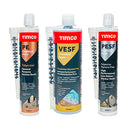
Resin & Accessories
resin-accessories
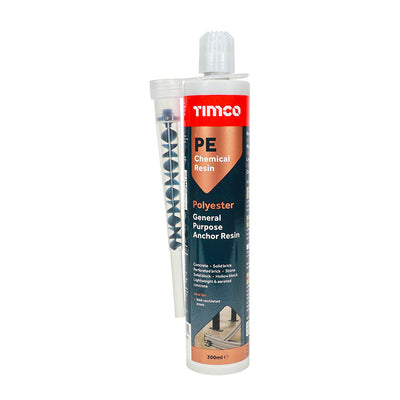
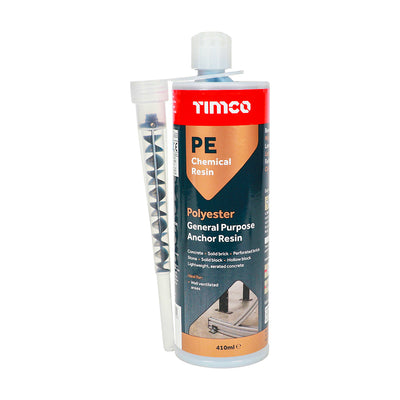
TIMCO Polyester Chemical Anchor Resins - 410ml
- Pack quantity
- 1 Each
- Price
- £6.07Incl. VAT
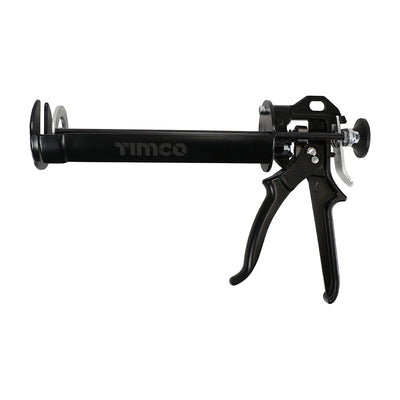
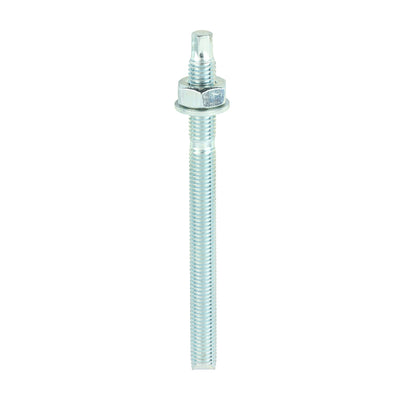
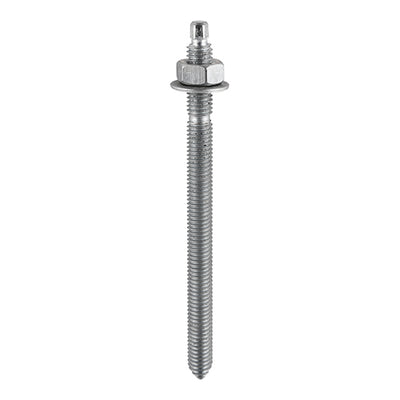
TIMCO Chemical Anchor Studs Hot Dipped Galvanised - M12 x 160 (10pcs)
- Pack quantity
- 10 Pieces
- Price
- £12.36Incl. VAT
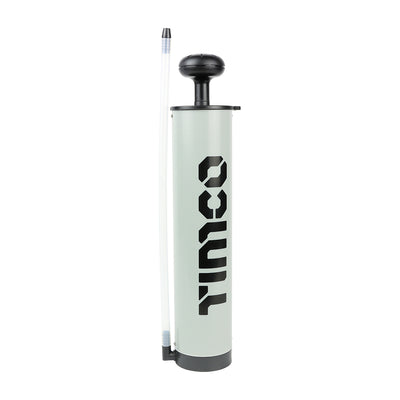
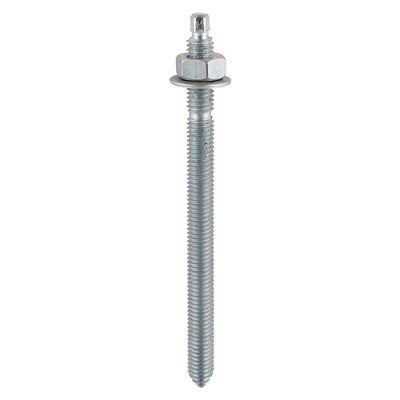
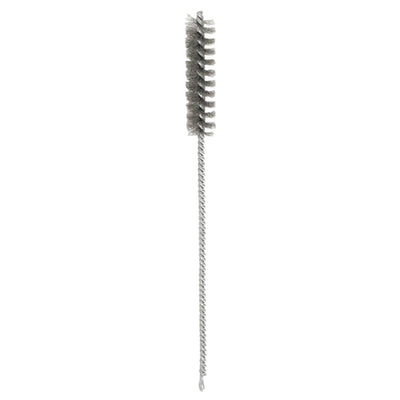
TIMCO Chemical Anchor Wire Hole Cleaning Brushes - 22mm (10pcs)
- Pack quantity
- 10 Pieces
- Price
- £31.48Incl. VAT
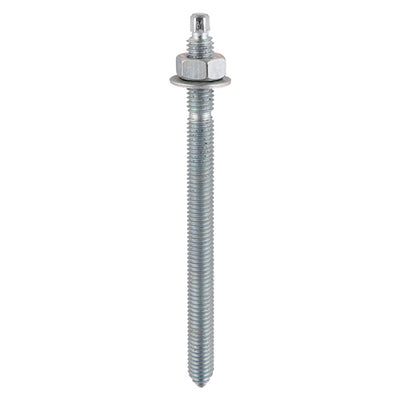
TIMCO Chemical Anchor Studs Silver - M16 x 190 (10pcs)
- Pack quantity
- 10 Pieces
- Price
- £15.07Incl. VAT
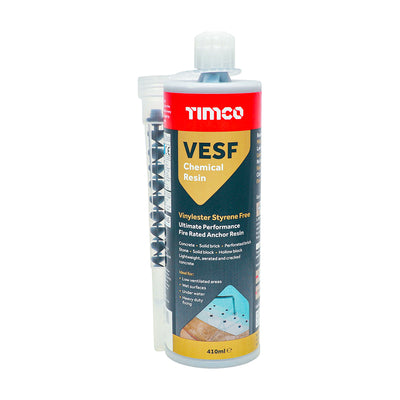
TIMCO Vinylester Styrene Free Chemical Anchor Resins - 410ml
- Pack quantity
- 1 Each
- Price
- £11.28Incl. VAT
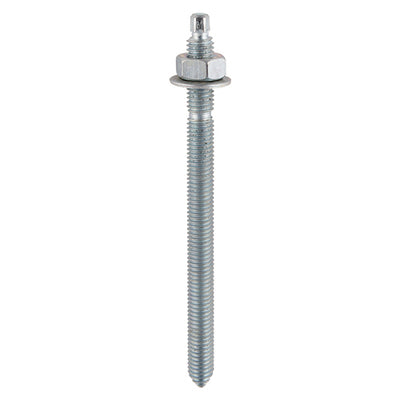
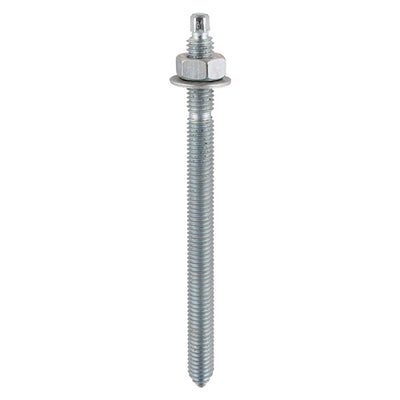
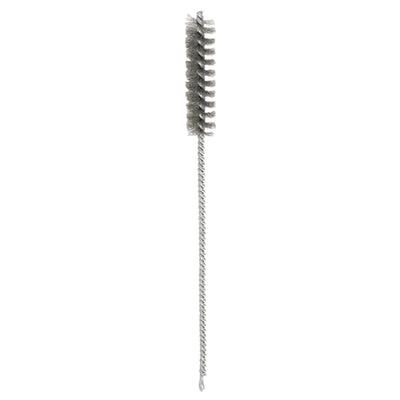
TIMCO Chemical Anchor Wire Hole Cleaning Brushes - 15mm (10pcs)
- Pack quantity
- 10 Pieces
- Price
- £30.05Incl. VAT
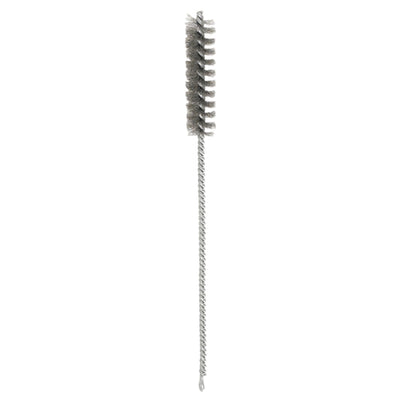
TIMCO Chemical Anchor Wire Hole Cleaning Brushes - 13mm (10pcs)
- Pack quantity
- 10 Pieces
- Price
- £27.59Incl. VAT
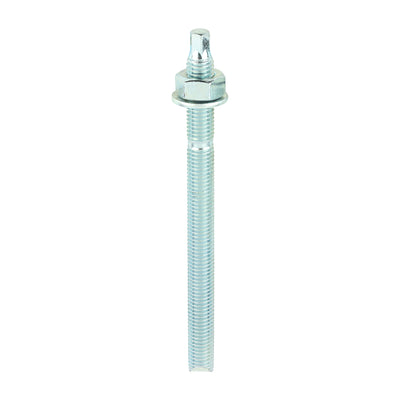
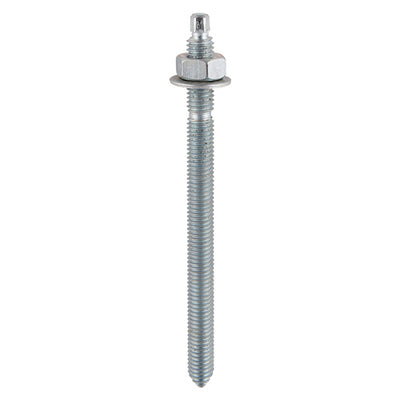
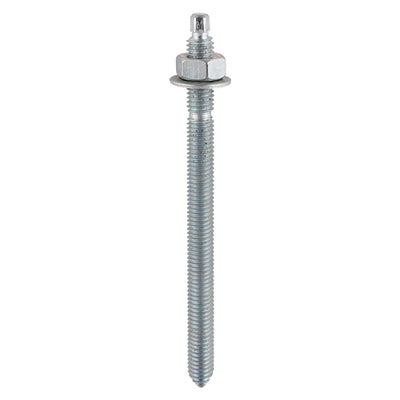
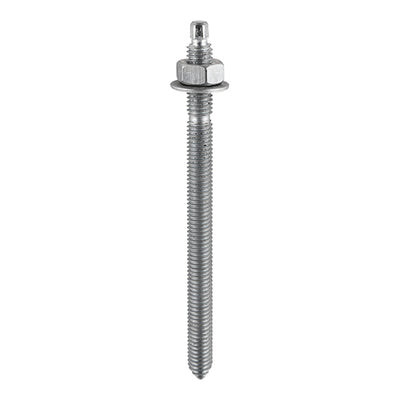
TIMCO Chemical Anchor Studs Hot Dipped Galvanised - M20 x 260 (4pcs)
- Pack quantity
- 4 Pieces
- Price
- £19.52Incl. VAT
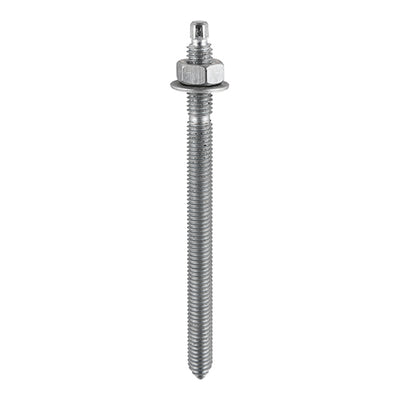
TIMCO Chemical Anchor Studs Hot Dipped Galvanised - M16 x 190 (10pcs)
- Pack quantity
- 10 Pieces
- Price
- £22.58Incl. VAT
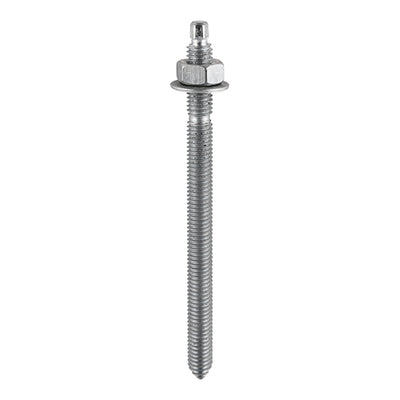
TIMCO Chemical Anchor Studs Hot Dipped Galvanised - M8 x 110 (10pcs)
- Pack quantity
- 10 Pieces
- Price
- £5.08Incl. VAT
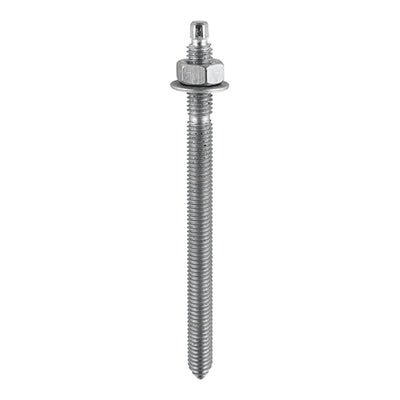
TIMCO Chemical Anchor Studs Hot Dipped Galvanised - M10 x 130 (10pcs)
- Pack quantity
- 10 Pieces
- Price
- £7.18Incl. VAT
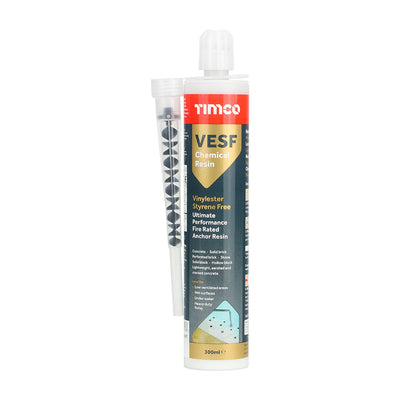
TIMCO Vinylester Styrene Free Chemical Anchor Resins - 300ml
- Pack quantity
- 1 Each
- Price
- £9.80Incl. VAT
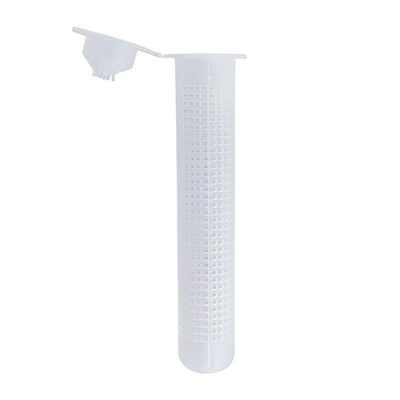
TIMCO Chemical Anchor Resin Plastic Sleeves - 16 x 85 (100pcs)
- Pack quantity
- 100 Pieces
- Price
- £43.98Incl. VAT
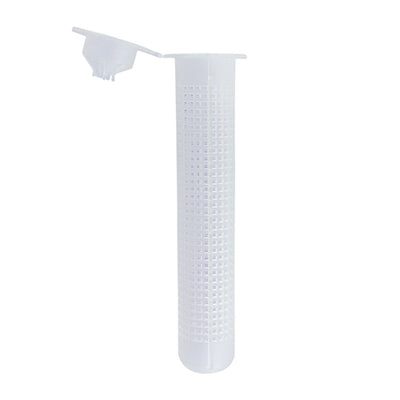
TIMCO Chemical Anchor Resin Plastic Sleeves - 16 x 130 (100pcs)
- Pack quantity
- 100 Pieces
- Price
- £47.95Incl. VAT
Resin and Accessories for Anchoring Into Concrete and Masonry
A failed anchor in concrete can cause serious structural problems. Loose fixings, cracked substrates, and pulled-out bolts all start with the wrong product. Resin anchoring is the professional solution for solid, high-load fixing. This range includes anchoring resin, chemical anchors for concrete, injection cartridges, and all the accessories you need. Products are suited to concrete, brick, block, and natural stone. Ideal for trade professionals and serious DIY users across the UK.
What Is Anchoring Resin and Why Does It Matter?
Anchoring resin is a two-part adhesive system. It bonds threaded rods, bolts, and rebar directly into a substrate.
Unlike mechanical anchors, resin fills voids in the base material. It creates a bond across the full depth of the hole. This gives higher load capacity and less stress on the surrounding concrete.
Resin anchoring is widely used across UK construction. It suits structural steelwork, handrails, machinery bases, and post-installed rebar connections.
Important: Always allow full cure time before loading a resin anchor. Cure time varies by temperature and resin type. Check the product data sheet before use.
Types of Resin and Anchoring Accessories
Each product in this range serves a specific purpose. Here is a clear guide to what is available.
Chemical Anchors for Concrete
Chemical anchors use resin to bond a rod or bolt into concrete. They work in cracked and uncracked concrete. Load capacities are high. They are the standard choice for structural fixing on UK sites. Available in styrene-free and hybrid formulas.
Resin Injection Cartridges
Resin comes in dual-chamber cartridges. The two parts mix automatically as you dispense. You get consistent results every time. Cartridges fit standard skeleton guns or dedicated dispensing tools. Various volumes are available for small or large jobs.
Anchoring Resin for Brick and Block
Brick and hollow block need a different resin type. A mesh sleeve is inserted first. The resin fills the mesh and cures around the fixing. This prevents resin from simply running through voids. It gives a secure, load-bearing bond in hollow substrates.
Threaded Rods and Anchor Bolts
Threaded rods are the most common insert used with resin. They are set into the cured resin to create a stud anchor. Available in zinc-plated, hot-dipped galvanised, and stainless steel. Lengths and diameters vary to match your load requirements.
Mesh Sleeves for Hollow Substrates
Mesh sleeves are essential when fixing into hollow or perforated brickwork. The sleeve holds the resin in place while it cures. Without a sleeve, resin escapes through voids. Match the sleeve diameter to the drilled hole size.
Dispensing Guns and Nozzles
A good dispensing gun makes resin work easier and more accurate. Manual and pneumatic options are available. Mixing nozzles attach to the cartridge tip. They mix both resin components as they pass through. Always use a fresh nozzle for each new cartridge.
Hole Cleaning Brushes and Blowers
Clean holes are critical for resin bonding. Dust, debris, and moisture weaken the bond. Wire brushes and air blowers remove loose material from the drilled hole. This step is non-negotiable for a reliable resin anchor installation.
Rebar Anchoring Resin
Rebar anchoring resin is used for post-installed reinforcement. It bonds steel rebar into existing concrete structures. Common in extensions, bridge repairs, and structural upgrades. Requires deep embedment and full hole cleaning before injection.
How Chemical Anchor Resin Works Step by Step
Resin anchoring is a straightforward process. But each step must be done correctly.
Step 1: Drill the Hole
Use a hammer drill and the correct masonry bit. Drill to the required depth and diameter. The hole must match the rod size and load specification. Depth is usually marked on the cartridge label.
Step 2: Clean the Hole
Blow out dust with a blower or pump. Brush the walls with a wire brush. Blow again. Repeat this process at least three times. A dusty hole reduces resin bond strength significantly.
Step 3: Insert Mesh Sleeve (If Required)
In hollow or perforated substrates, insert the correct mesh sleeve first. It should sit flush with the substrate face. Resin will fill the sleeve and set inside the void space.
Step 4: Inject the Resin
Attach a mixing nozzle to the cartridge. Dispense the first portion and discard it. This purges unmixed material. Then fill the hole from the bottom upward. Fill to about two thirds depth.
Step 5: Insert the Rod or Bolt
Push and rotate the threaded rod into the resin-filled hole. Go straight in without stopping. The rod should reach the bottom of the hole. Wipe away excess resin from the surface immediately.
Step 6: Allow Full Cure Time
Do not disturb the anchor during cure. Cure time depends on temperature. At 20°C, most resins cure in 30 to 60 minutes. At lower temperatures, cure time increases. Check the product data sheet for exact times.
Site tip: In cold UK weather, warm the cartridge before use. A cold cartridge dispenses poorly and may not mix properly. Carry cartridges in a warm van or use a cartridge warmer.
Picking the Right Resin for Your Substrate
Not all resins work in all substrates. Matching the resin to the base material is essential.
Solid Concrete
Any chemical anchor resin works well in solid concrete. Vinylester and epoxy resins offer the highest bond strength. Polyester resin is a lower-cost option for non-structural use. Always confirm the resin is rated for your load.
Cracked Concrete
Cracked concrete needs a resin rated for C1 crack conditions. Standard resins may not be approved for cracked substrates. Check the product ETA or approval document before specifying.
Solid Brick
Vinylester or hybrid resin works well in solid engineering brick. Confirm the resin is rated for masonry, not just concrete. Solid brick offers good bond strength with the right product.
Hollow Brick or Block
Always use a mesh sleeve with hollow substrates. Without it, resin escapes into the void. The sleeve contains the resin and allows a proper cure. Load capacity is lower than in solid substrates.
Natural Stone
Natural stone varies widely in density and porosity. Test on a small area first. Use a resin suited to masonry applications. Avoid high-expansion resin in stone, as it can cause cracking.
Wet or Damp Holes
Some resins are rated for wet or water-filled holes. Not all products work in these conditions. If the substrate is damp, confirm the resin has a specific wet-condition approval before using it.
Resin Anchors vs Mechanical Anchors: Key Differences
Both anchor types are used on UK sites. But they work very differently.
| Feature | Resin Anchor | Mechanical Anchor |
|---|---|---|
| Load Type | High tension and shear | Moderate tension and shear |
| Works in Cracked Concrete | Yes (with approved product) | Limited (type-dependent) |
| Works in Hollow Substrates | Yes (with mesh sleeve) | No, generally |
| Cure Time Required | Yes, 30 min to several hours | No, load immediately |
| Stress on Substrate | Low expansion stress | Higher expansion stress |
| Edge Distance | Shorter minimum edge distance | Longer minimum edge distance |
| Typical Use | Structural, rebar, close-edge fixing | General site anchoring |
For structural and safety-critical fixing, resin anchors are usually the better specification. Mechanical anchors suit general-purpose work where cure time is a constraint.
For mechanical anchor options, see our masonry and concrete fixings range.
Essential Accessories for Every Resin Anchor Job
The resin cartridge is only part of the system. You also need the right accessories.
Dispensing Gun
A quality dispensing gun gives even, controlled resin output. Manual guns suit occasional use. Pneumatic guns are better for high-volume or repetitive work. Match the gun to the cartridge format, either 300ml or 500ml.
Static Mixing Nozzles
Mixing nozzles blend the two resin components as they dispense. Never reuse a nozzle once the resin has cured inside it. Keep spare nozzles on site. A blocked nozzle stops the job.
Wire Bore Brushes
Wire brushes clean the inside of the drilled hole. Use the correct diameter for the hole size. Cleaning is mandatory for correct resin bond. Skipping this step weakens the anchor.
Air Pump or Blower
Blowers remove dust from the hole after brushing. A rubber bulb pump is the minimum needed on site. For larger jobs, a compressed air blowout is faster and more thorough.
Mesh Sleeves
Mesh sleeves are essential for hollow brick, block, and perforated substrates. Sizes must match the hole diameter exactly. They are single use and not reusable once the resin cures.
Threaded Rods
Threaded rods are the most common insert for resin anchor systems. Grade 5.8, 8.8, and A4 stainless steel options are available. Always specify the correct grade for the load and environment.
Get the Right Resin Anchoring System for Your Job
Use the filters above to narrow by substrate type, cartridge size, and insert material. Check individual product pages for technical data sheets, ETA approvals, and minimum embedment depths before ordering.
Whether you need a chemical anchor for concrete, anchoring resin for rebar installation, mesh sleeves for hollow brickwork, or a full dispensing kit, this range has what UK trade professionals rely on every day.
For heavy-duty bolts and structural hardware to use alongside resin, see our structural fixings range.
Frequently Asked Questions
What is anchoring resin used for?
Anchoring resin bonds threaded rods, bolts, and rebar into concrete, brick, and masonry. It creates a high-strength adhesive connection. It is used for structural fixings, post-installed rebar, and close-edge anchoring where mechanical anchors are not suitable.
Can I use chemical anchors in hollow brickwork?
Yes, but you must use a mesh sleeve. The sleeve holds the resin inside the void while it cures. Without a mesh sleeve, the resin runs through the hollow section and the anchor fails.
How long does resin anchor take to cure?
Most resins cure in 30 to 60 minutes at 20°C. At lower temperatures, cure time can extend to several hours. Never load the anchor before the stated cure time. Always check the product data sheet for temperature-specific cure times.
Why do I need to clean the hole before injecting resin?
Dust and debris in the hole prevent the resin from bonding to the substrate. Even a thin layer of dust reduces pull-out strength significantly. Blowing and brushing at least three times is the minimum standard for a reliable bond.
What is the difference between vinylester and polyester resin anchors?
Vinylester resin offers higher strength, better chemical resistance, and suitability for cracked concrete. Polyester resin is lower cost but has a stronger odour and is not approved for cracked concrete or wet conditions. For structural work, vinylester is the preferred choice.
Can resin anchors be used in wet or water-filled holes?
Only specific resins are approved for wet conditions. Standard polyester and many hybrid resins are not suitable when the hole contains water. Look for a product with an explicit wet-hole approval on its data sheet or ETA certificate.
Do I need a special gun to use resin cartridges?
Yes. Resin cartridges require a dedicated dispensing gun. Standard sealant guns do not provide the correct ratio or force. Manual and pneumatic dispensing guns are available to suit different cartridge sizes.
Related Options
Resin anchoring systems are often used alongside other fixings. The right combination ensures a complete and reliable installation.
Masonry and Concrete Fixings
For heavy-duty throughbolts, sleeve anchors, and frame fixings, see our masonry and concrete fixings range. Ideal when resin is not required.
Structural Fixings
Pair resin-set threaded rods with structural brackets and load-bearing hardware. See our structural fixings range for plates, brackets, and bolts.