12 products

Damp Proofing Materials & Supplies
damp-proofing-materials-supplies
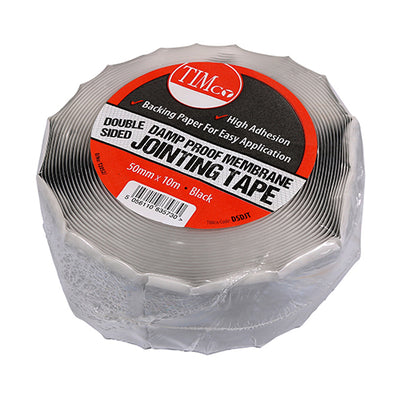
TIMCO Double Sided Damp Proof Membrane Jointing Tape - 10m x 50mm
- Pack quantity
- 1 Each
- Price
- £12.58Incl. VAT

TIMCO Damp Proof Membrane Handy Pack Blue - 4m x 5m / 250 microns
- Pack quantity
- 1 Each
- Price
- £28.45Incl. VAT


TIMCO Damp Proof Membrane Black - 4m x 12.5m / 500 microns
- Pack quantity
- 1 Each
- Price
- £64.48Incl. VAT
Damp Proofing Materials and Supplies for Trade and DIY
Damp is one of the most damaging problems a UK property can face. Left untreated, it causes mould, rot, and structural damage. This range covers damp proofing materials and supplies for walls, floors, and foundations. You will find damp proof membranes, waterproof coatings, DPC strips, and more. All products are suited to new builds, renovations, and repair work across the UK. Whether you are a tradesperson or a homeowner, you will find what you need here.
Stop Damp Before It Causes Real Damage
Moisture entering a building never stays small for long. It spreads through walls, floors, and timber over time. The result is peeling paint, damp patches, and costly repair bills.
Damp proofing creates a barrier between the structure and moisture. This barrier blocks water from entering the building fabric. The right product depends on where the damp is coming from.
Rising damp comes up through floors and walls from the ground. Penetrating damp comes in through external walls and rooflines. Condensation damp forms on cold internal surfaces. Each type needs a different treatment product.
Good to know: Most UK buildings built before 1960 have little or no damp proofing. Older properties are especially at risk from rising and penetrating damp. Acting early saves money on repairs later.
Types of Damp Proofing Materials
Each product type targets a specific damp problem. Using the wrong product gives poor results. Here is a clear guide to each type.
Damp Proof Membrane (DPM)
A damp proof membrane is a thick plastic sheeting. It is laid under concrete floors before casting. It stops ground moisture rising into the slab. DPM sheeting is also used in wall and floor tanking systems. Available in 300mu and 1200mu grades for different load requirements. Specific options include TIMCO Damp Proof Membrane Black - 4m x 25m / 250 microns, TIMCO Damp Proof Membrane Black - 4m x 25m / 300 microns, TIMCO Damp Proof Membrane Black - 4m x 12.5m / 500 microns.
Damp Proof Course (DPC) Strip
DPC strip is a flexible waterproof layer built into masonry walls. It sits at the base of a wall, just above ground level. It stops rising damp climbing through the brickwork. Available in widths to match standard brick and block courses. A legal requirement in all new UK residential construction.
Waterproof Membrane for External Walls
A waterproof membrane for external walls is applied to the outside face. It stops rain and surface water penetrating through the masonry. Products include tanking slurry, bitumen coatings, and render-based systems. Used on basement walls, retaining walls, and exposed external elevations. Effective against penetrating damp in solid and cavity walls.
Damp Proof Membrane for Walls (Internal)
An internal damp proof membrane for walls lines the inside of affected walls. It traps moisture and channels it to a drainage system or floor level. This method manages damp rather than blocking it at source. Popular in basement conversions and older solid wall properties. Works where external treatment is not possible.
Bitumen and Waterproof Coatings
Bitumen-based coatings are applied by brush or roller to masonry surfaces. They form a tough, waterproof skin over walls and floors. Used on below-ground foundations, retaining walls, and basement floors. Suitable for both new build and remedial damp proofing work. Flexible grades allow for minor movement without cracking.
Tanking Slurry
Tanking slurry is a cement-based waterproofing product. It is applied to walls and floors in a basement or cellar. It bonds to the surface and creates a watertight barrier. Works on brick, block, stone, and concrete substrates. Applied in two coats for full waterproofing performance.
Cavity Drain Membranes
Cavity drain membranes are studded plastic sheets. They fix to internal walls and floors in below-ground spaces. Water enters behind the sheet and drains away safely. Used as part of a full basement waterproofing system. Often paired with a sump pump and drainage channel.
Damp Proof Paint and Sealers
Damp proof paint is used to seal walls against moisture vapour. It is not a full waterproofing solution for severe damp. Best used after treating the root cause of damp. Works well as a surface sealer before plastering or decorating. Available in water-based and solvent-based formulas.
Where to Use Each Damp Proofing Product
The location of the damp problem decides the right product. Here is a simple guide to matching product to problem area.
| Problem Area | Damp Type | Recommended Product |
|---|---|---|
| Concrete floor slab | Rising damp from ground | Damp proof membrane (DPM sheeting) |
| Base of masonry wall | Rising damp through brickwork | DPC strip or chemical DPC injection |
| External wall face | Penetrating damp, rain ingress | Waterproof membrane for external walls |
| Basement or cellar walls | Ground water pressure | Tanking slurry or cavity drain membrane |
| Below-ground foundations | Ground moisture and hydrostatic pressure | Bitumen waterproof coating |
| Internal wall surfaces | General moisture and condensation | Damp proof paint or surface sealer |
Always identify the source of damp before buying materials. Treating the symptom without fixing the cause leads to repeat problems.
Getting the Right Grade of Damp Proof Membrane
Not all damp proof membranes are the same thickness. Thickness is measured in microns (mu) or grams per square metre (gsm). The right grade depends on how much moisture pressure the membrane will face.
300mu DPM Sheeting
Suitable for light-duty floor applications. Used under screeds in low-risk ground conditions. Not suitable for high water table areas. A cost-effective option for standard residential floor builds.
1200mu DPM Sheeting
The standard grade for most UK residential floor slabs. Compliant with BS 8102 guidance for below-ground construction. Resists puncture during concrete pouring and compaction. Recommended for most new build and renovation floor projects.
Heavy-Duty DPM for Basements
Thicker grades are used in high water table zones. Combined with tanking or cavity drain systems for full protection. Ideal for basement conversions where ground water pressure is high. Always follow BS 8102 guidance for basement waterproofing grades.
DPC Strip Thickness
DPC strip comes in standard 0.5mm and 1mm thicknesses. Thicker grades are used in exposed or high-load applications. Width must match the wall width exactly. Always lap joints by a minimum of 100mm at corners and junctions.
UK Building Regulations note: New ground floors must include a DPM under the concrete slab. This is a requirement under Approved Document C of the Building Regulations. Always check local authority requirements before starting work.
Key Tips for Fitting Damp Proofing Materials
Even the best products fail if fitted incorrectly. These tips help you get a reliable result first time.
Prepare the Surface First
Remove loose render, efflorescence, and contamination before applying any coating. A clean, sound surface gives the best bond. Fill cracks and voids with a suitable repair mortar before treatment.
Lap Membrane Joints Correctly
DPM sheet joints must overlap by at least 150mm. Seal laps with waterproof tape for a continuous barrier. An unsealed lap is a direct path for water ingress.
Turn Membranes Up the Wall
Floor membranes must be turned up at least 150mm at the wall edge. This links the floor DPM to any wall DPC or treatment. Missing this step leaves a gap at the wall-floor junction.
Apply Coatings in the Right Conditions
Do not apply bitumen coatings or tanking slurry in freezing conditions. Most products need a minimum surface temperature of 5°C. Wet surfaces can also prevent proper bonding in some products.
Allow Full Cure Before Covering
Tanking slurry and waterproof coatings need time to cure fully. Do not cover or tile over them until the product is fully set. Refer to the product data sheet for exact cure times.
Use Compatible Products Together
Some primers and coatings are not compatible with each other. Always use products from the same system where possible. Check the product data sheet for compatibility before mixing brands.
Find the Right Damp Proofing Product for Your Project
Use the filters above to search by product type, application area, and format. Check individual product pages for coverage rates, application methods, and data sheets before ordering.
Whether you need a damp proof membrane for a floor slab, a waterproof membrane for external walls, DPC strip for new brickwork, or tanking slurry for a basement, this range covers the most widely used damp proofing materials and supplies for trade and DIY use across the UK.
For related products, see our waterproofing sealants and building chemicals ranges.
Frequently Asked Questions About Damp Proofing Materials
What is a damp proof membrane used for?
A damp proof membrane (DPM) is used to stop ground moisture rising into floors and walls. It is laid under concrete floor slabs before casting. It is also used in wall and basement tanking systems. The standard grade for UK residential floors is 1200mu polythene sheeting.
What is the difference between a DPM and a DPC?
A DPM (damp proof membrane) is a sheet or coating used under floors or on walls. A DPC (damp proof course) is a horizontal layer built into masonry walls. The DPC sits at the base of a wall to stop rising damp climbing upwards. Both are needed in most new UK builds but serve different functions.
Can I use a damp proof membrane on walls?
Yes. An internal damp proof membrane for walls lines the inside of a damp wall. It manages moisture by directing it to a drainage channel at floor level. This approach is common in basements and older solid wall properties. It does not stop damp at source but controls it safely.
What is a waterproof membrane for external walls?
It is a product applied to the outside face of a masonry wall. It creates a barrier that stops rain and surface water penetrating inward. Products include bitumen coatings, tanking slurry, and specialist render systems. Used on basements, retaining walls, and exposed external walls.
Do I need to use primer before applying tanking slurry?
Most tanking slurry systems do not need a primer coat. However, on very dry or porous surfaces a slurry primer coat may improve bonding. Always follow the specific product manufacturer's instructions. Applying to a damp but not wet surface usually gives the best result.
Is damp proof paint the same as a damp proof membrane?
No. Damp proof paint is a surface sealer for minor moisture vapour. A damp proof membrane is a physical barrier against ground water and bulk moisture. Paint is not suitable as a standalone fix for rising or penetrating damp. Use it as a finishing coat after treating the root cause.
How thick should a DPM be under a concrete floor?
The standard minimum for UK residential floors is 1200 gauge (300 microns). In areas with a higher water table or ground moisture risk, use a thicker grade. The DPM must be lapped at joints by at least 150mm and turned up at walls. This meets the requirements of Approved Document C of the Building Regulations.
Can damp proofing materials be used in a basement?
Yes. Basements need a more robust system due to hydrostatic water pressure. Suitable products include cavity drain membranes, tanking slurry, and heavy-duty DPM. BS 8102 sets out the grades of protection needed for below-ground spaces. A Type A, B, or C waterproofing system may be required depending on the risk level.