7 products

Plastic Sheets & Accessories
plastic-sheets-accessories
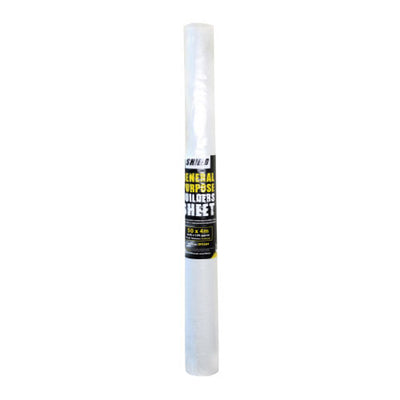
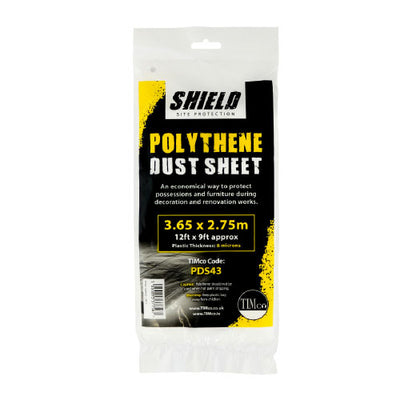
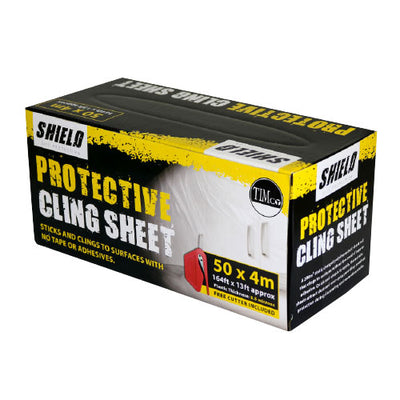
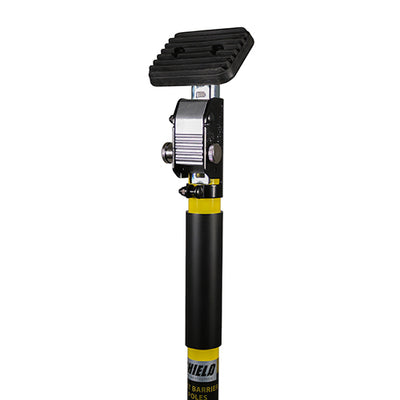
TIMCO Telescopic Drywall Support Prop & Dust Barrier Poles - 1.6 - 2.9m (2pcs)
- Pack quantity
- 2 Pieces
- Price
- £53.57Incl. VAT
Plastic Sheets and Accessories for Trade and DIY
One torn dust sheet can ruin a freshly laid floor or a painted surface. The right plastic sheeting protects your work area properly. Here you will find plastic sheets, polythene covers, and plastic sheet accessories. This range includes heavy duty plastic dust sheets and plastic sheet connectors. All products are suited to building sites, refurbishments, and home improvements across the UK. Get the right protection for every job, from quick paint covers to full site dustproofing.
Why Plastic Sheeting Matters on Every Job
Dust, debris, paint, and moisture cause damage on sites every day. Good plastic sheeting stops this before it starts.
Plastic sheets are lightweight, strong, and waterproof. They protect floors, furniture, and surfaces from dust and splashes. They also help contain mess in a specific work area.
The right sheet depends on the job and the surface you are protecting. Thicker sheets handle rough surfaces and heavy-duty site work. Lighter sheets suit quick cover-ups during decorating.
Quick tip: Always overlap plastic sheets by at least 150mm at joins. Use plastic sheet connectors or jointing tape to seal edges properly. This stops dust and moisture getting underneath.
What Is in This Range
This range covers the main plastic sheet products used on UK sites. Here is what you will find and when to use each one.
Heavy Duty Plastic Dust Sheets
Heavy duty plastic dust sheets are made from thick polythene film. They stand up to foot traffic, tools, and rough surfaces. Use them on floors, staircases, and large open areas. They offer much stronger protection than standard lightweight alternatives. Ideal for building sites, renovations, and commercial refurbishments.
Standard Polythene Sheets
Standard polythene sheets are lightweight and easy to lay quickly. They are suited to decorating, painting, and light dust protection. Available in a range of sizes to cover different areas. Easy to fold, store, and reuse across multiple jobs. A cost-effective option for general site cover-up work.
Plastic Sheet Connectors
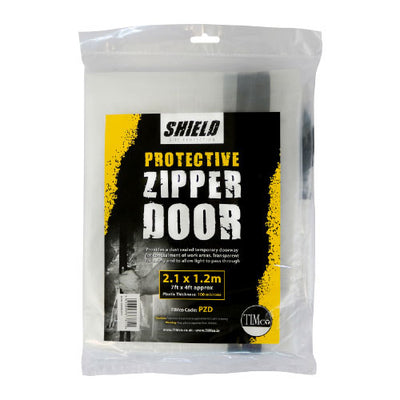
Plastic sheet connectors join two sheets together at the edges. They create a secure, sealed join without tape. Use them to cover large areas with multiple sheets. They are fast to fit and can be removed and reused. Ideal for creating dust barriers across doorways and open spaces.
Polythene Dust Sheets (Rolls)
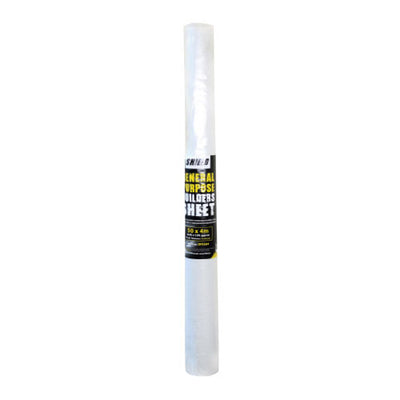
Polythene dust sheet rolls give you flexibility on larger jobs. Cut to any length needed on site. Suits corridor runs, stairwells, and large floor areas. No wastage from pre-cut sheets that are the wrong size. A practical choice when you need variable coverage lengths.
Dust Sheet Accessories
Accessories include jointing clips, sheet clamps, and fixing tapes. They help secure plastic sheets to walls, floors, and frames. Good accessories stop sheets lifting, shifting, or bunching up. They make plastic sheeting more effective and safer underfoot. Use alongside heavy duty plastic dust sheets for a full setup.
Protective Floor Covers
Protective floor covers go on top of hard floors and carpets. They guard against paint drips, plaster splashes, and scuffs. Thicker grades stay flat and do not slip underfoot. Some versions have a non-slip backing for added safety. Ideal for occupied homes and finished interior spaces.
How to Pick the Right Plastic Sheet
Not all plastic sheets perform the same way. Thickness and size both affect how well a sheet does its job.
Light Decorating Work
Painting a room or ceiling? A lightweight polythene dust sheet will give enough cover. It keeps paint splashes off floors and furniture. Easy to fold and move as you work around the room.
Building and Renovation Sites
Active building sites need heavy duty plastic dust sheets. Thicker polythene handles foot traffic and tool use. It resists tearing when dragged or moved around. A stronger sheet stays intact over days or weeks.
Large Open Areas
Covering a large floor or open plan space? Use polythene rolls cut to length. Join sections using plastic sheet connectors to cover the full area. This avoids gaps where dust or moisture can get through.
Dust Barriers and Partitions
Need to seal off a room or doorway? Use plastic sheets fixed to door frames or ceiling tracks. Plastic sheet connectors hold sections together at the join. This creates a barrier that keeps dust in the work zone.
Wet or Damp Conditions
Polythene is fully waterproof. Use it to protect materials stored outside or in exposed areas. Heavier grades resist wind and do not tear in damp conditions. Good for covering timber, plasterboard, and bagged materials on site.
Finished Interiors
Protecting a completed floor in an occupied home? Use a heavier protective sheet with a non-slip surface. This stops it moving underfoot and reduces trip risk. It also gives better protection against dropped tools and materials.
Plastic Sheet Thickness Chart
Plastic sheeting is measured in microns (mu) or gauge. Thicker sheets give stronger protection but are heavier to handle.
| Thickness | Best Use | Typical Application |
|---|---|---|
| 50 to 100 microns | Light cover-up work | Decorating, painting, furniture protection |
| 125 to 150 microns | General site protection | Floor covering, door and window wrapping |
| 200 to 250 microns | Heavy duty site use | High-traffic areas, renovation sites, stairwells |
| 300 microns and above | Specialist protection | Damp proof membranes, heavy material covers |
Always match the thickness to the conditions on your site. Using a thin sheet in a high-traffic area leads to tears and poor protection.
Good to know: Heavy duty plastic dust sheets of 200 microns and above are far less likely to tear under foot traffic. For stairs and corridors, always go for the thicker option. It costs slightly more but lasts much longer on active sites.
How Plastic Sheet Connectors Work
Plastic sheet connectors are simple but very useful on site. They let you join sheets securely without relying on tape alone.
Most connectors work by gripping the overlapping edge of two sheets. They clip together and hold the join firmly in place. Some versions slide along a track fixed to the wall or ceiling. This makes it easy to build a full dust partition across a large opening.
Connectors are reusable. Remove them at the end of the job without damage. Tape leaves residue. Connectors do not. This makes them a better choice for clean, professional setups.
Use plastic sheet connectors with any standard polythene sheet or heavy duty plastic dust sheet. They are especially useful when joining multiple sheets to cover a wide floor area.
Get the Right Plastic Sheeting for Your Job
Use the filters above to sort by size, thickness, and product type. Check individual product pages for exact dimensions and pack quantities before ordering.
Whether you need heavy duty plastic dust sheets for a renovation, plastic sheet connectors for a dust barrier, polythene rolls for a large floor area, or general site accessories, this range has the plastic sheeting products most used on UK building and decorating jobs.
For other site protection and sheeting supplies, see our site protection range. For tapes and adhesives used alongside plastic sheets, visit our tapes and adhesives range.
Frequently Asked Questions
What is a heavy duty plastic dust sheet used for?
Heavy duty plastic dust sheets protect floors, carpets, and surfaces during building work. They are thicker than standard sheets and handle foot traffic without tearing. Use them on renovation sites, stairwells, and high-traffic work areas.
What are plastic sheet connectors?
Plastic sheet connectors join two plastic sheets at the edges. They clip onto the overlapping section and hold it firmly. They are reusable and leave no residue when removed.
How thick should a plastic dust sheet be for a building site?
For active building sites, use sheets of at least 200 microns. Thinner sheets tear quickly under foot traffic and tool movement. Heavier grades last longer and give better protection on busy sites.
Can plastic sheets be reused?
Yes. Heavy duty polythene sheets can be folded and reused across multiple jobs. Avoid cuts and punctures to extend the life of each sheet. Thinner single-use sheets are not designed for repeat use.
Is polythene sheeting waterproof?
Yes. Polythene is fully waterproof. It is suitable for covering materials outdoors and protecting surfaces from wet trades. Use it to cover timber, plasterboard, and bagged materials stored on site.
What is the difference between a dust sheet and a polythene sheet?
A dust sheet can be made from cotton, canvas, or polythene. A polythene sheet is always plastic and always waterproof. Plastic dust sheets are lighter and cheaper than fabric alternatives. They are best for one-off or short-term surface protection.
How do I stop plastic sheeting from slipping on hard floors?
Use a sheet with a textured or non-slip backing. Alternatively, secure edges with jointing tape or weighted accessories. Plastic sheet connectors at joins also help stop sheets shifting underfoot.
Related Site Protection Products
Plastic sheets are often used alongside other site protection products. See our site protection range for covers, boards, and barriers.
For securing sheets to surfaces, see our tapes and adhesives range.