11 products
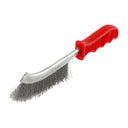
Wire Hand Brushes
wire-hand-brushes
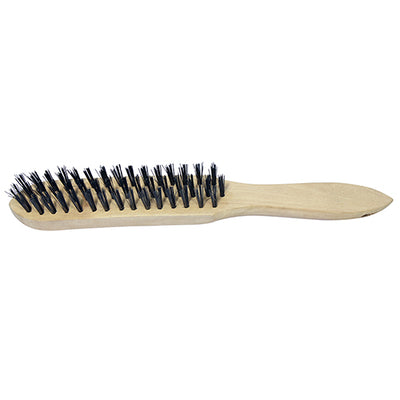
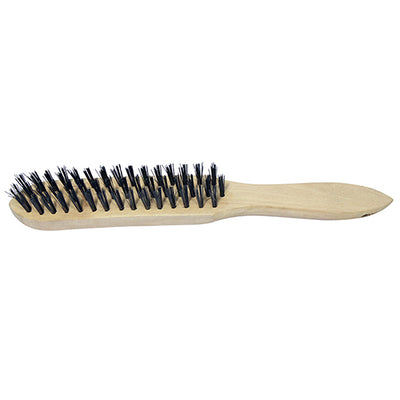
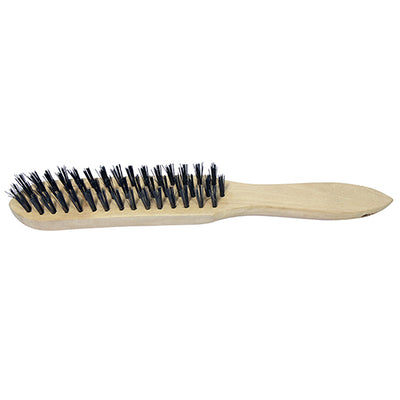
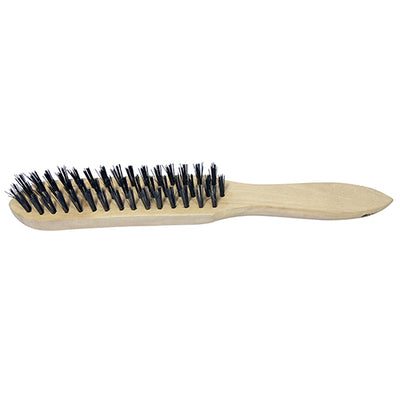
TIMCO Wooden Handle Wire Brush Steel - 4 Rows
- Pack quantity
- 1 Each
- Price
- £2.58Incl. VAT
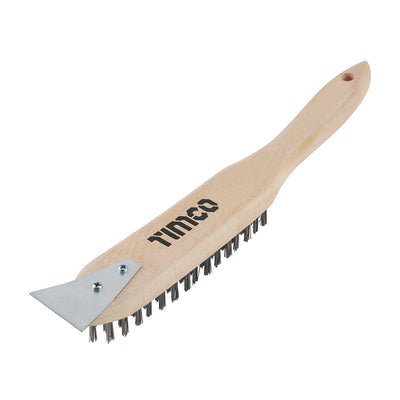
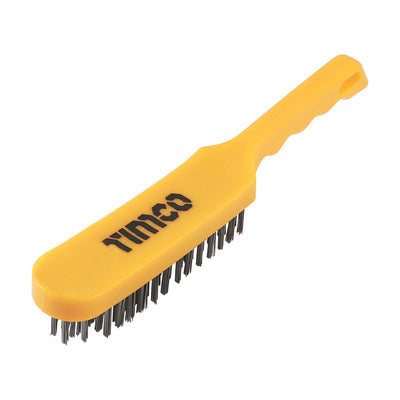


Wire Hand Brushes for Trade and DIY Use
A blocked weld or a rusty surface can ruin a good finish. The right wire hand brush removes rust, scale, and old paint fast. It cleans welds before inspection and preps surfaces for coating. You will find wooden wire brushes, plastic curved handle wire brushes, and more here. All products are built for real trade and workshop use. Suited to metal, masonry, and timber surface prep across the UK.
Wire Hand Brushes That Get the Job Done
Surface prep is one of the most skipped steps on site. But it matters more than most people think. A dirty or rusty surface will not hold paint, primer, or a weld properly.
Wire hand brushes are simple tools. But they do a vital job. They strip rust, loose paint, dirt, and scale from hard surfaces. They clean weld seams before and after welding. They prep brick and metal for bonding agents and coatings.
Each brush type suits a different task. The handle shape and bristle type both matter. Getting the right one saves time and gives a better result.
Quick tip: Always brush in the direction of the grain or weld seam. This gives a cleaner finish and reduces bristle wear. Use firm, short strokes for the best result.
Handle Types Available in Wire Hand Brushes
The handle is just as important as the bristles. It affects grip, reach, and how much pressure you can apply.
Wooden Handle Wire Brush
A wooden wire brush has a solid, natural feel in the hand. The handle gives good grip even with gloves on. It is a classic choice for workshop and site use. Suited to heavy scrubbing tasks on flat metal surfaces. Wooden handles are robust and hold up well to daily use. Specific options include TIMCO Wooden Handle Wire Brush SS - 3 Rows, TIMCO Wooden Handle Wire Brush Steel - 3 Rows.
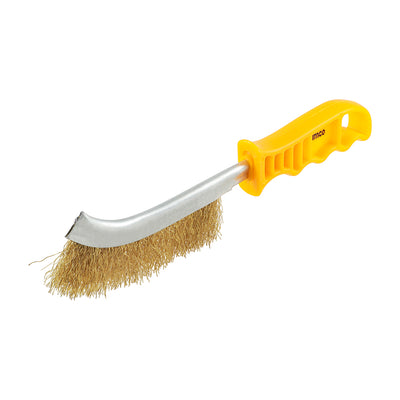
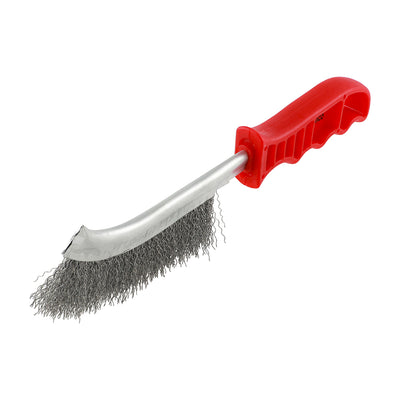
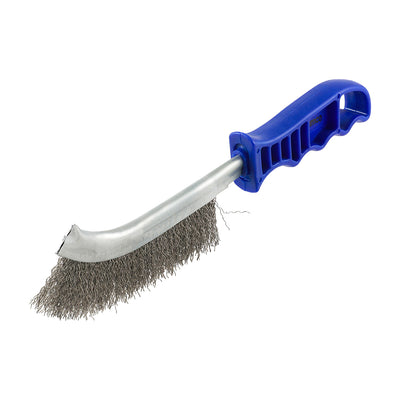
Plastic Curved Handle Wire Brush
A plastic curved handle wire brush is shaped to reduce hand strain. The curved form lets you apply even pressure across the brush head. It works well in tight spots and on angled surfaces. The plastic handle resists moisture and oil. Ideal for welding shops and fabrication work.
Straight Handle Wire Brush
Straight handle brushes give direct downward pressure. They are easy to control on flat, open surfaces. Often available with wooden or polypropylene handles. A popular everyday brush for general surface prep and rust removal.
Short Handle Wire Brush
Short handle wire brushes are used for close-up detail work. They give more control in confined areas. Useful for cleaning around fixings, bolt heads, and pipe joints. A good addition to any tradesperson's toolkit.
Wire Bristle Types and What They Do
Not all wire bristles are the same. The wire material affects how aggressive the brush is and where it can be used safely.
Carbon Steel Bristles
Carbon steel bristles are the most common type. They are tough and aggressive. Good for removing heavy rust, scale, and old coatings from carbon steel surfaces. Not suited for use on stainless steel, as they can cause cross-contamination and surface staining.
Stainless Steel Bristles
Stainless steel bristles are used on stainless steel workpieces. They do not leave behind carbon particles. This prevents rust bloom and surface contamination. Essential for food-grade, marine, and medical fabrication work.
Brass Bristles
Brass bristles are softer than steel. They clean without scratching delicate surfaces. Used on copper pipes, electrical contacts, and soft metals. Also a good choice in environments where sparking is a safety concern.
Crimped vs Twisted Wire
Crimped wire bristles are more flexible. They suit light-duty cleaning and painted surfaces. Twisted or knotted wire is stiffer and more aggressive. Better for heavy rust removal and weld cleaning on thick steel.
Important: Always use a stainless steel bristle brush on stainless steel surfaces. Using a carbon steel brush will leave iron particles behind. These particles rust and can permanently damage the surface finish.
Where Wire Hand Brushes Are Used
Wire hand brushes are used across many trades and industries in the UK. Here are the most common applications.
Weld Cleaning
Brushing weld seams removes flux residue and weld spatter. It reveals the weld profile for inspection. Stainless steel brushes are used on SS welds. Carbon steel brushes are used on mild steel. This is a standard step before any post-weld treatment.
Rust and Scale Removal
Wire brushes are one of the fastest manual tools for rust removal. They lift loose rust and mill scale from steel surfaces. This prepares the surface for primer, paint, or galvanising. Essential before any protective coating is applied.
Paint Stripping
Loose or flaking paint comes away quickly with a wire brush. It is ideal for prepping old metalwork, garden furniture, and railings. Not suited for fully bonded paint. Use alongside paint stripper for better results on stubborn coatings.
Masonry and Brickwork Cleaning
Wire brushes remove mortar residue from brickwork. They clean stone surfaces before repointing. They prep concrete blocks for adhesive bonding. A wooden wire brush handles this kind of abrasive work well.
Pipe and Tube Prep
Pipe ends need to be clean before soldering, welding, or jointing. A wire brush removes oxidation and contamination from pipe ends. Brass bristle brushes are often used on copper and soft metal pipes.
General Workshop Cleaning
Wire brushes keep work surfaces, vices, and tools clean. They remove debris from file and rasp teeth. They clean threading dies and taps. A useful tool across any metalworking or fabrication workshop.
Wire Hand Brush Comparison
Use this table to match the right wire brush to your task.
| Brush Type | Bristle Material | Best For | Not Suited For |
|---|---|---|---|
| Wooden Wire Brush | Carbon Steel | Rust removal, scale, heavy surface prep | Stainless steel surfaces |
| Plastic Curved Handle Wire Brush | Carbon or SS Steel | Weld cleaning, angled surfaces, tight access | Very heavy-duty abrasion |
| Stainless Steel Bristle Brush | Stainless Steel | SS welds, food-grade and marine fabrication | Carbon steel surfaces |
| Brass Bristle Brush | Brass | Copper pipe, soft metals, spark-sensitive areas | Heavy rust or scale removal |
| Short Handle Wire Brush | Carbon or Brass Steel | Detail work, confined spaces, bolt cleaning | Large flat surface areas |
Safe Use of Wire Hand Brushes
Wire brushes are simple hand tools. But they still carry safety risks if used without care.
Bristles can break off during use. Loose wire bristles are sharp and small. They can cause eye injury or skin punctures. Always wear safety glasses when wire brushing. This is especially important when brushing above head height or at an angle.
Wear cut-resistant or heavy-duty work gloves. The brush head and the workpiece can both have sharp edges. Do not press so hard that the bristles splay outward. This reduces cleaning efficiency and increases bristle wear.
Inspect the brush before each use. If bristles are bent, splayed, or falling out, replace the brush. Do not use a wire brush on a surface hotter than the bristle material can handle without specialist gloves.
PPE reminder: Always wear safety glasses and work gloves when using wire hand brushes. Keep bystanders clear of the work area. Loose wire bristles are a real hazard if they become airborne.
Find the Right Wire Hand Brush for Your Task
Use the filters above to narrow down by handle type, bristle material, and brush width. Check individual product pages for exact bristle gauge, row count, and overall brush length.
Whether you need a wooden wire brush for heavy rust removal, a plastic curved handle wire brush for weld cleaning, or a brass bristle brush for copper pipework, this range covers the most-used wire hand brushes for trade and DIY work across the UK.
For surface prep tools that work alongside wire brushes, see our abrasives range. For wire brushes designed for angle grinders and power tools, visit our power tool accessories page.
Frequently Asked Questions
What is a wire hand brush used for?
A wire hand brush removes rust, scale, loose paint, weld flux, and surface dirt from metal, masonry, and timber. It is a manual surface prep tool used across welding, fabrication, plumbing, and construction trades.
What is the difference between a wooden wire brush and a plastic handle wire brush?
A wooden wire brush has a solid wood handle. It gives a firm, traditional grip for heavy scrubbing. A plastic curved handle wire brush has an ergonomic shape. It reduces hand fatigue and suits angled or confined surfaces better.
Can I use a carbon steel wire brush on stainless steel?
No. Carbon steel bristles leave iron particles on the surface. These particles cause rust staining on stainless steel. Always use a dedicated stainless steel bristle brush on SS surfaces.
What type of wire brush is best for cleaning welds?
A plastic curved handle wire brush with stiff bristles is ideal for weld cleaning. Use stainless steel bristles on SS welds and carbon steel bristles on mild steel. Brush along the weld seam to remove flux and spatter cleanly.
How do I know when to replace a wire hand brush?
Replace a wire brush when the bristles are badly splayed, bent flat, or falling out. A worn brush loses cleaning power and can shed loose bristles, which is a safety risk.
Are wire hand brushes safe to use without gloves?
No. Always wear cut-resistant work gloves when using a wire brush. Workpiece edges and loose bristles can cause cuts and puncture injuries. Safety glasses are also strongly recommended.
What size wire brush do I need for general use?
A standard 5-row or 6-row wire brush with a width of around 140mm to 160mm covers most general surface prep tasks. Smaller brushes suit detail work. Wider brushes cover large flat areas faster.