644 products
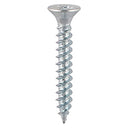
Woodscrews
woodscrews
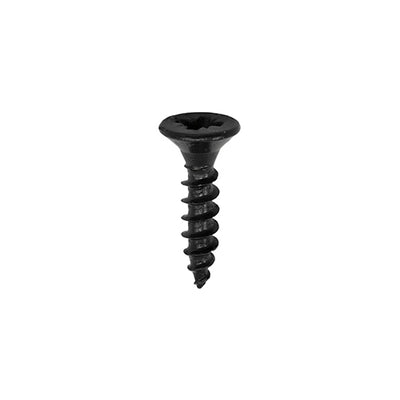
TIMCO Classic Multi-Purpose Countersunk Black Woodscrews - 3.5 x 16 (200pcs)
- Pack quantity
- 200 Pieces
- Price
- £1.72Incl. VAT
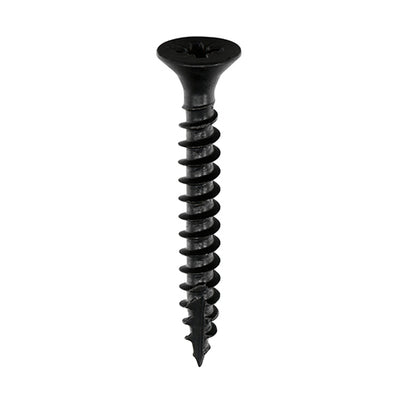
TIMCO Classic Multi-Purpose Countersunk Black Woodscrews - 5.0 x 40 (200pcs)
- Pack quantity
- 200 Pieces
- Price
- £6.82Incl. VAT
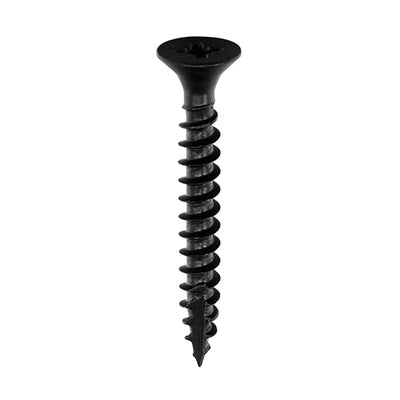
TIMCO Classic Multi-Purpose Countersunk Black Woodscrews - 3.5 x 25 (200pcs)
- Pack quantity
- 200 Pieces
- Price
- £2.51Incl. VAT
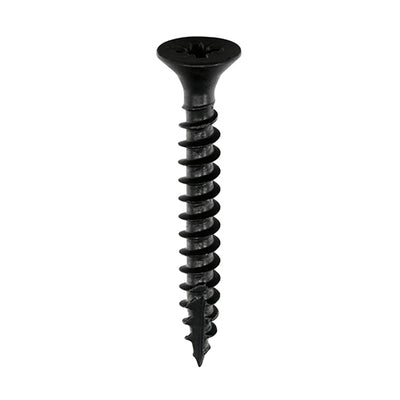
TIMCO Classic Multi-Purpose Countersunk Black Woodscrews - 4.0 x 40 (200pcs)
- Pack quantity
- 200 Pieces
- Price
- £4.25Incl. VAT
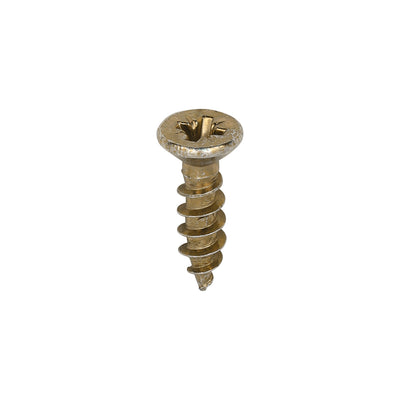
TIMCO Classic Multi-Purpose Reduced Head Countersunk Gold Piano Hinge Woodscrews - 3.0 x 12 (200pcs)
- Pack quantity
- 200 Pieces
- Price
- £1.54Incl. VAT
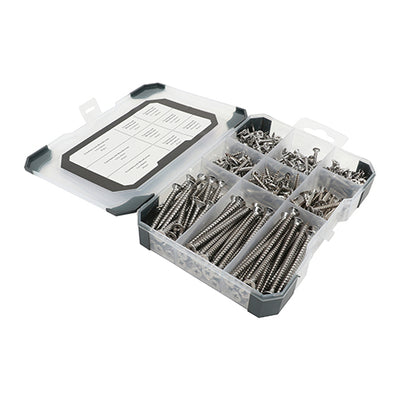
TIMCO Countersunk A2 Stainless Steel Woodscrews Mixed Tray - 340pcs
- Pack quantity
- 1 Each
- Price
- £14.15Incl. VAT
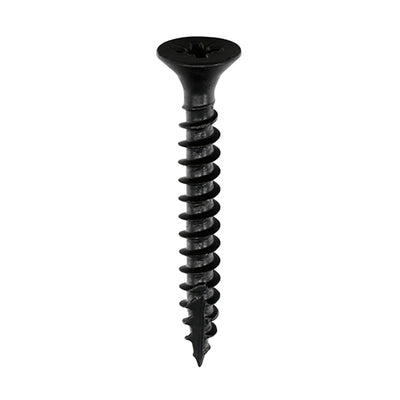
TIMCO Classic Multi-Purpose Countersunk Black Woodscrews - 4.0 x 30 (200pcs)
- Pack quantity
- 200 Pieces
- Price
- £3.41Incl. VAT
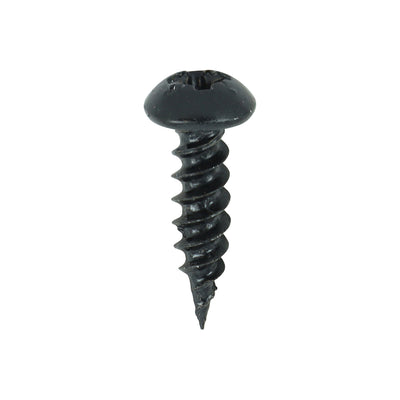
TIMCO Twin-Threaded Round Head Black Woodscrews - 8 x 5/8 (200pcs)
- Pack quantity
- 200 Pieces
- Price
- £3.01Incl. VAT
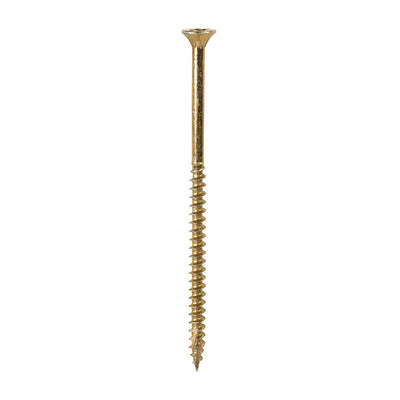
TIMCO C2 Clamp-Fix Multi-Purpose Premium Countersunk Gold Woodscrews - 4.0 x 80 (200pcs)
- Pack quantity
- 200 Pieces
- Price
- £6.71Incl. VAT
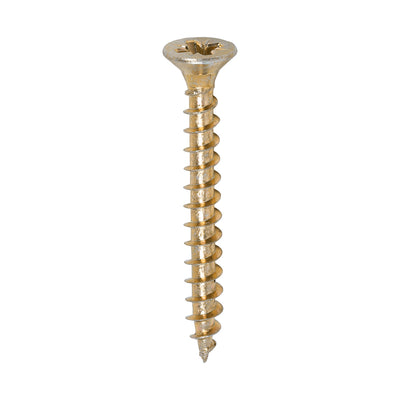
TIMCO Solo Countersunk Gold Woodscrews - 4.0 x 35 (200pcs)
- Pack quantity
- 200 Pieces
- Price
- £1.78Incl. VAT
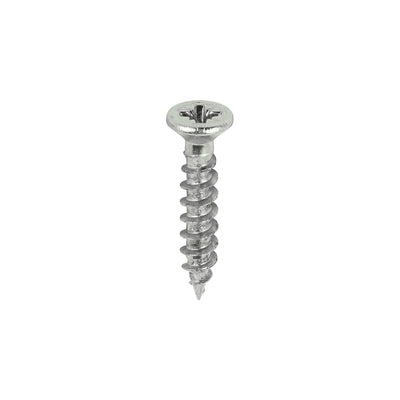
TIMCO Classic Multi-Purpose Reduced Head Countersunk Nickel Piano Hinge Woodscrews - 3.0 x 16 (200pcs)
- Pack quantity
- 200 Pieces
- Price
- £2.72Incl. VAT
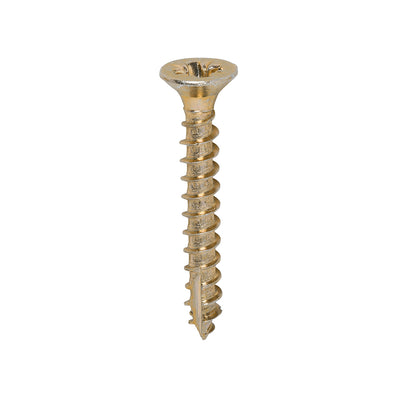
TIMCO Classic Multi-Purpose Countersunk Gold Woodscrews - 3.5 x 25 (200pcs)
- Pack quantity
- 200 Pieces
- Price
- £1.67Incl. VAT
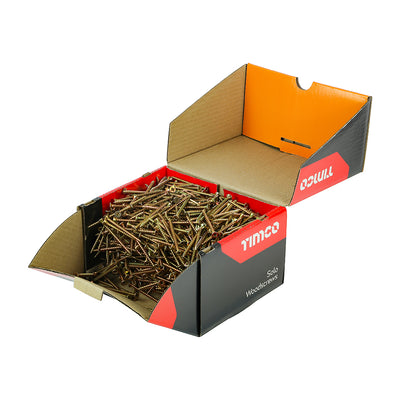
TIMCO Solo Countersunk Gold Woodscrews - 5.0 x 70 (1000pcs)
- Pack quantity
- 1000 Pieces
- Price
- £24.68Incl. VAT
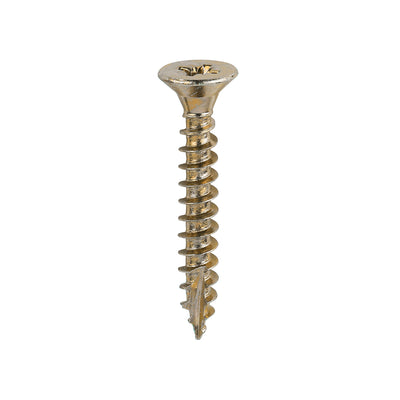
TIMCO Classic Multi-Purpose Countersunk Gold Woodscrews - 5.0 x 35 (200pcs)
- Pack quantity
- 200 Pieces
- Price
- £3.95Incl. VAT
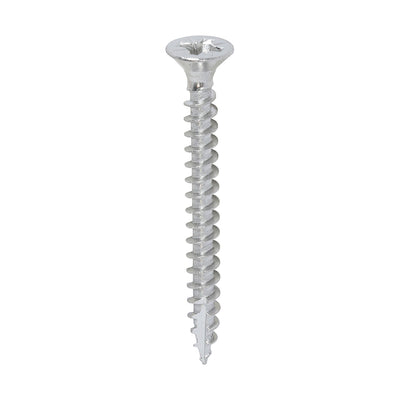
TIMCO Classic Multi-Purpose Countersunk A2 Stainless Steel Woodscrews - 3.5 x 35 (200pcs)
- Pack quantity
- 200 Pieces
- Price
- £10.09Incl. VAT
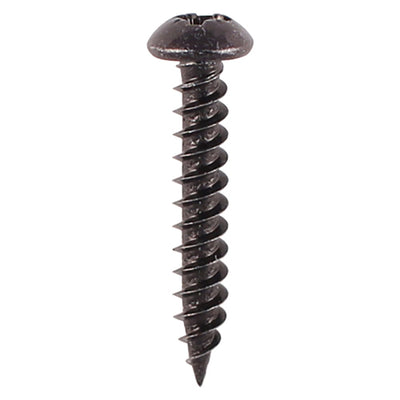
TIMCO Twin-Threaded Round Head Black Woodscrews - 6 x 5/8 (200pcs)
- Pack quantity
- 200 Pieces
- Price
- £2.21Incl. VAT
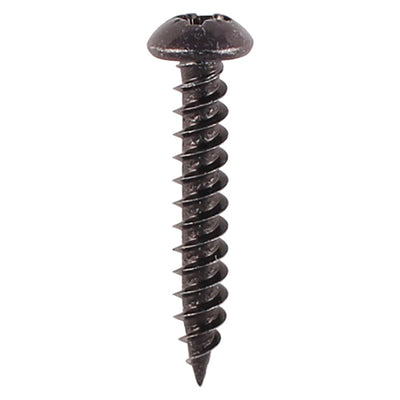
TIMCO Twin-Threaded Round Head Black Woodscrews - 6 x 1 (200pcs)
- Pack quantity
- 200 Pieces
- Price
- £2.68Incl. VAT
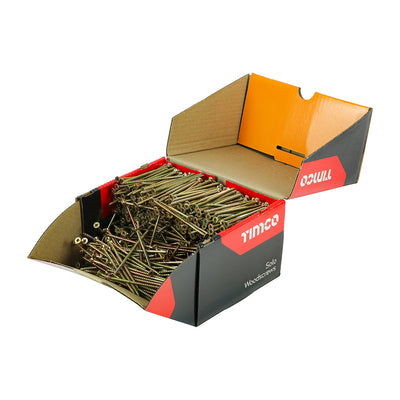
TIMCO Solo Countersunk Gold Woodscrews - 5.0 x 100 (1000pcs)
- Pack quantity
- 1000 Pieces
- Price
- £29.99Incl. VAT
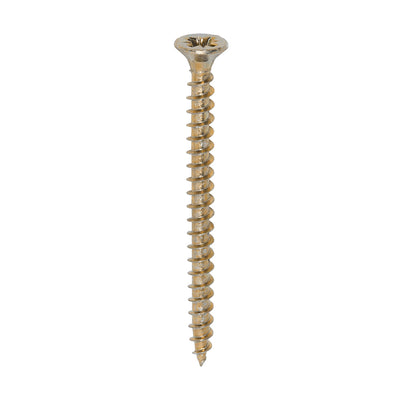
TIMCO Solo Countersunk Gold Woodscrews - 4.0 x 50 (200pcs)
- Pack quantity
- 200 Pieces
- Price
- £2.54Incl. VAT
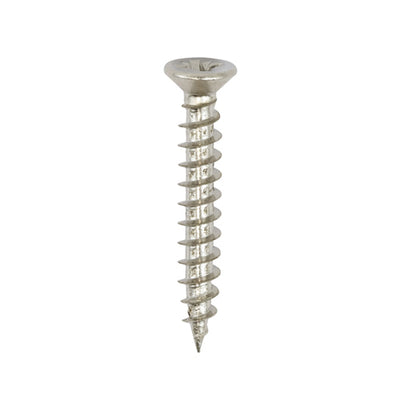
TIMCO Classic Multi-Purpose Reduced Head Countersunk Nickel Piano Hinge Woodscrews - 3.0 x 12 (200pcs)
- Pack quantity
- 200 Pieces
- Price
- £2.50Incl. VAT
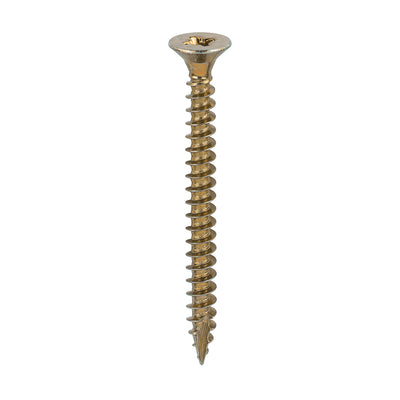
TIMCO Classic Multi-Purpose Countersunk Gold Woodscrews - 5.0 x 60 (200pcs)
- Pack quantity
- 200 Pieces
- Price
- £6.56Incl. VAT
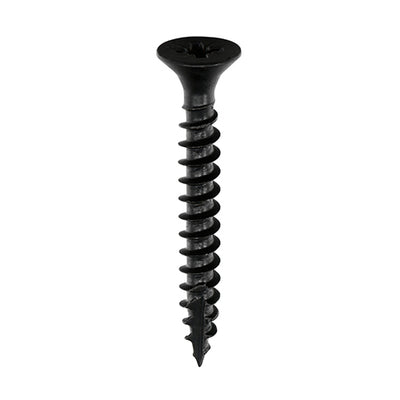
TIMCO Classic Multi-Purpose Countersunk Black Woodscrews - 5.0 x 30 (200pcs)
- Pack quantity
- 200 Pieces
- Price
- £5.22Incl. VAT
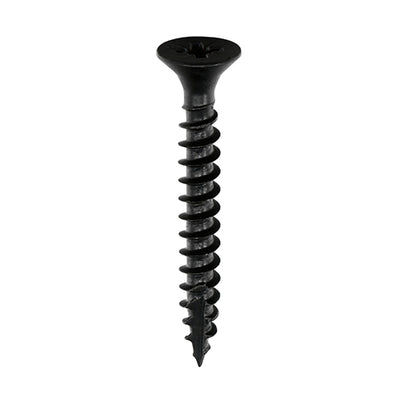
TIMCO Classic Multi-Purpose Countersunk Black Woodscrews - 4.0 x 25 (200pcs)
- Pack quantity
- 200 Pieces
- Price
- £3.07Incl. VAT
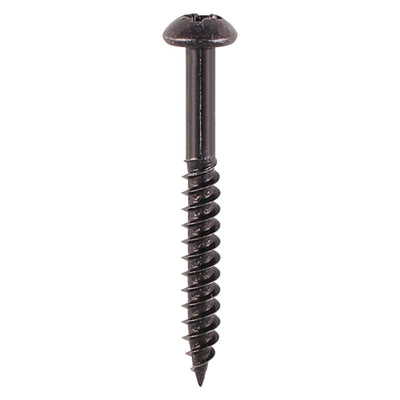
TIMCO Twin-Threaded Round Head Black Woodscrews - 8 x 1 1/4 (200pcs)
- Pack quantity
- 200 Pieces
- Price
- £4.20Incl. VAT
Woodscrews for Timber, Joinery and Furniture
The right woodscrew makes every fixing job easier and more secure. Choose from over 600 woodscrews for many types of projects. Find sizes from 3mm to 12mm and lengths from 12mm upwards. Pick carbon steel, solid brass, or A2 stainless steel. Choose from different head types and finishes to suit your job. Order before 2 pm for next-day UK delivery.
Pick the Wrong Screw and Your Job Will Show It
The right woodscrew holds tight and looks clean. The wrong one splits the wood, strips out, or leaves a rough surface. With over 600 products in this range, you can match the exact screw to the job every time.
This collection covers all the main woodscrew types used in UK trade and DIY work. You will find screws for furniture, cabinetry, joinery, flooring, garden structures, and more. All products are from TIMCO. All prices include VAT.
Use the filters to search by head type, thread diameter, finish, material, length, and availability. Every product spec is listed on the product page. Check the spec before you order.
Woodscrew Head Types in This Range
The head type affects how the screw sits in the timber. It also affects how the screw is driven. Pick the right head for your job. Do not use the wrong one.
Countersunk Woodscrews
The most common head in this range. The angled underside pulls flush with the timber face. No bump. No snag. Perfect for furniture, cabinet carcasses, door linings, skirting boards, and general joinery. Available in double countersunk and double countersunk with ribs versions. The ribs grip the surface as the head seats. They stop the head pulling through soft sheet material.
Round Head Wood Screws
A domed head that sits above the timber surface. It spreads the load over a wider area. Good for fixing hinges, brackets, and fittings where a flush head is not needed. Available in twin-thread versions in this range. Comes in black finish for visible ironmongery work.
Hex Flange Wood Screws
A six-sided head with a built-in washer flange underneath. Driven with a socket or impact driver. The wide flange spreads load across the timber face. Used for structural timber joints, post-to-beam fixing, landscaping sleepers, and heavy outdoor builds. Strong pull-out resistance under load.
Pan Head Woodscrews
A low-profile flat head with a wide bearing surface. Sits just above the timber face. Used for fixing thin sheet material, cable trays, and surface-mounted hardware. Available in select sizes in this range. Does not countersink into the timber.
Not sure which head to pick? Use countersunk woodscrews for nearly all general joinery and furniture work. Switch to round head or hex flange when fitting heavy hardware or structural timber.
Materials and Finishes in This Collection
Material and finish affect how long the screw lasts. They also affect how it looks. Pick the right one for the site and the job.
Carbon Steel with Zinc or Zinc and Yellow Finish
The most popular option in this range. Carbon steel gives good tensile strength. Zinc coating adds basic rust protection. Zinc and yellow passivation adds a little more. Use for general indoor joinery, furniture, cabinet work, and dry indoor builds. Not suitable for outdoor or damp sites without additional protection.
Black Wood Screws
Carbon steel with a black organic or black phosphate finish. Low glare and dark in colour. Used where the screw head will be visible. Popular for black ironmongery, strap hinges, latches, dark timber, and rustic or industrial interiors. Available in countersunk and round head versions. Good choice for aesthetic woodwork.
A2-304 Stainless Steel
Austenitic stainless steel with strong corrosion resistance. Used in damp areas, kitchens, bathrooms, and lightly exposed outdoor settings. Does not rust under normal UK conditions. Available in countersunk head type in this range. More expensive than carbon steel but lasts far longer in wet or humid environments.
Solid Brass Woodscrews
Polished solid brass for decorative and fine furniture work. Brass does not rust. It looks smart on quality hardwood cabinets, antique furniture repairs, and heritage joinery. Softer than steel so care is needed when driving. Always use a correctly sized driver bit and drive slowly to avoid snapping the head.
Key Woodscrew Product Types Explained
This range includes several distinct screw designs. Each one is made for a different type of job or material. Know the difference before you order.
Twin Thread Woodscrews
Two thread starts instead of one. This means faster driving and better grip in softwood and sheet materials. The twin thread cuts through the wood quickly and bites hard. Common in MDF, chipboard, plywood, and general first-fix carpentry. Less suitable for very hard or dense hardwoods where single thread screws perform better.
Solo Woodscrews
Single thread design with a coarse pitch. Gives a strong single bite into timber. Good for hardwoods and denser materials. The reduced thread count means less force is needed for each turn. Available in a wide range of sizes including long wood screw lengths up to 150mm and beyond.
C2 Strong Fix and Clamp-Fix Screws
Premium countersunk woodscrews with two cutting flutes at the tip. The double cut reduces the force needed to drive the screw. Less likely to split timber at the end grain. Good for structural work, thick timber sections, and close-to-edge fixing where splitting is a risk.
Piano Hinge Screws
Reduced head countersunk screws made for piano hinges and continuous hinges. The smaller head fits the narrow slot of a piano hinge leaf without protruding. Available in gold and nickel finishes in 3mm diameter. Used by cabinet makers, instrument builders, and fine joinery workers.
Chipboard Screws
Coarse thread screws designed to bite into chipboard and particle board. The wider thread spacing grips the loose fibres of chipboard better than a standard fine thread. Common in flat-pack furniture assembly, kitchen fitting, and shop fitting work.
Coach Screws (Solo Coachscrews)
Heavy-duty hex-head bolts for timber-to-timber fixing. Driven with a spanner or socket. Used in structural timber joints, fence post fixing, pergola building, and heavy garden structures. Available as Solo coachscrews in this range.
Thread Diameter and Length Guide
Thread diameter and length must match the timber and the load. Too thin and the joint is weak. Too short and the grip is poor. Use this guide to find the right size.
| Thread Diameter | Typical Use | Common Lengths |
|---|---|---|
| 3mm and 3.5mm | Light cabinetry, thin ply, decorative trim, piano hinges, small hardwood sections | 12mm to 50mm |
| 4mm and 4.5mm | Standard furniture, kitchen carcasses, door linings, skirting, general joinery | 16mm to 100mm |
| 5mm | Floorboards, sub-frames, structural internal timber, heavy furniture frames | 30mm to 120mm |
| 6mm and 8mm | Structural timber framing, heavy landscaping, retaining walls, decking sub-frame | 50mm to 150mm+ |
| 10mm and 12mm | Heavy structural posts, large baulk timber, coach screw applications | 75mm to 150mm+ |
Length rule of thumb: Around two thirds of the screw length should sit inside the timber receiving the load. The rest clamps the piece being fixed. For a 50mm screw fixing a 16mm board, around 34mm should go into the base timber.
Which Woodscrew for Which Job
Use this quick guide to match the screw to the task. Always check the product spec page before ordering.
| Application | Recommended Screw Type | Suggested Size |
|---|---|---|
| Kitchen cabinet carcasses | Countersunk woodscrew, zinc and yellow, twin thread | 3.5 x 30 or 4.0 x 35 |
| Hardwood furniture joints | Solo countersunk woodscrew, single thread, zinc | 4.0 x 50 or 5.0 x 60 |
| Fitting black ironmongery and hinges | Black wood screw, countersunk or round head | 3.5 x 20 or 4.0 x 30 |
| Decorative hardwood cabinets | Solid brass countersunk woodscrew, polished | 3.0 x 16 or 3.5 x 25 |
| Structural timber framing | Hex flange wood screw or C2 strong fix | 5.0 x 80 or 6.0 x 100 |
| Long wood screw for deep fixing | Solo countersunk woodscrew, gold, coarse thread | 5.0 x 100 or 6.0 x 150 |
| Chipboard and MDF panels | Chipboard screw, countersunk, zinc | 3.5 x 25 or 4.0 x 40 |
| Damp area fixing or kitchen worktop | A2 stainless countersunk woodscrew | 3.5 x 35 or 4.0 x 50 |
| Piano hinge fitting | Reduced head piano hinge screw, gold or nickel | 3.0 x 12 or 3.0 x 16 |
Do You Need a Pilot Hole?
Many modern woodscrews are self-tapping. They cut their own thread as they go in. But a pilot hole is still often a good idea. Here is when to use one.
When to Pre-Drill
Always pre-drill into hardwoods like oak, ash, and beech. Pre-drill when fixing close to the end or edge of a board. Pre-drill when using 5mm and above diameter screws. Pre-drill when using solid brass woodscrews to avoid snapping the head off.
When You Can Skip It
Most twin thread and chipboard screws go straight into softwood and sheet board without a pilot hole. This saves time on site. The self-tapping tip cuts cleanly through pine, spruce, and MDF without splitting. Always test on a waste piece first.
Pilot Hole Size Rule
Drill a pilot hole about 70 percent of the screw shank diameter. So for a 4mm screw, a 2.8mm drill bit is about right. This allows the thread to bite without the shank splitting the grain. Use a clearance hole in the top piece for a tight pull-together joint.
Countersink First
When using countersunk woodscrews in hardwood, always use a countersink bit first. This lets the head seat flush without cracking the surface. A combined countersink and drill bit saves time on repetitive work.
Drive Types in This Range
The drive type is the recess in the screw head. It tells you which bit to use. Using the wrong bit strips the head. Always match the bit to the drive.
Pozi (PZ) Drive
The standard drive across most UK timber screws. A cross-shaped recess with four extra ribs. Use a PZ2 bit for most 3.5mm to 5mm woodscrews. PZ1 for small 3mm screws. PZ3 for large 6mm and above. Pozi drive is widely available and works well with cordless drivers.
Torx (TX) Drive
A six-pointed star recess. Much less likely to slip or cam out under high torque. Used on C2 strong fix and premium screws in this range. Preferred for structural work and heavy driving with impact drivers. Match the TX size to the screw diameter as listed on the product page.
Related Screw Collections at JALFT
This range covers standard woodscrews for timber and joinery work. For other applications, see the related collections below.
Need screws for decking, garden structures, or pressure-treated timber? Visit our decking and timber screws collection. That range has exterior-coated screws built for outdoor conditions.
Looking for screws for plasterboard and metal stud work? See our drywall screws collection. For roofing and cladding fixings, browse our roofing and construction screws range.
Frequently Asked Questions
1. What is the difference between a single thread and twin thread woodscrew?
A twin thread screw has two thread starts. It drives faster and grips better in soft materials like pine, MDF, and chipboard. A single thread screw has one thread start. It gives a slower but stronger bite in dense hardwoods and structural timber. Use twin thread for sheet boards and softwood. Use single thread for oak, ash, and heavy structural work.
2. What are black wood screws used for?
Black wood screws are used where the screw head will be on show. The dark finish suits black ironmongery, strap hinges, antique-style latches, and exposed fixings on dark or stained timber. The black organic or phosphate finish reduces glare and looks smart on visible hardware. They are not a special structural grade; the finish is cosmetic.
3. When should I use a hex flange wood screw?
Use a hex flange wood screw for heavy structural timber joints. The wide flange head spreads load over a bigger area. The hex head means you drive it with a socket or impact driver, not a screwdriver bit. Good for joining joists, fixing posts, building pergolas, and connecting heavy structural timber sections where a strong pull-out force is needed.
4. How long should a wood screw be?
As a general guide, about two thirds of the screw length should go into the piece receiving the load. So if you are fixing a 15mm board to a 50mm frame, you want a screw long enough to put at least 23mm into the frame. For most standard cabinet and furniture work, 35mm to 50mm screws cover the most common joins. For structural timber, longer screws of 80mm to 150mm are often needed.
5. Are zinc-plated woodscrews suitable for outdoor use?
Standard zinc-plated woodscrews are not recommended for outdoor or exposed use. Zinc gives basic rust protection for dry indoor settings. Outdoors, moisture causes the zinc coating to break down and the screw to rust. For garden furniture, fences, decking, and any outdoor timber, use exterior-coated screws or stainless steel woodscrews from our decking and timber screws range.
6. Can I use woodscrews in chipboard and MDF?
Yes. Twin thread and chipboard screws are well suited for MDF and chipboard. The coarse thread bites into the loose fibres of board materials. For MDF, always pre-drill close to edges to prevent splitting. Avoid overtightening as MDF can compress and the head can pull through. For deep or structural MDF joints, use a slightly longer screw to get more thread engagement.
7. What pack sizes are available?
Most products in this range come in 200-piece packs. Bulk 1000-piece boxes are available on selected lines. Mixed trays of assorted sizes are also stocked for general workshop use. All prices shown include VAT. Order before 2 pm for next-day delivery to UK mainland addresses.
Trade-Grade Woodscrews Delivered Next Day from Hull
JALFT stocks over 600 woodscrew lines for trade buyers, joiners, cabinet makers, and builders across the UK. Use the filters to search by head type, diameter, length, material, finish, and availability. All products are from TIMCO. Over 616 lines are in stock right now.
Check each product spec page before ordering. Match the diameter, length, head type, and finish to your job. Order before 2 pm for next-day delivery from our Hull trade counter.