26 products

Sawing & Cutting Hand Tools
sawing-cutting-hand-tools
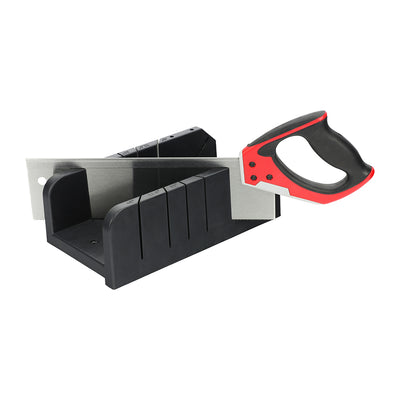
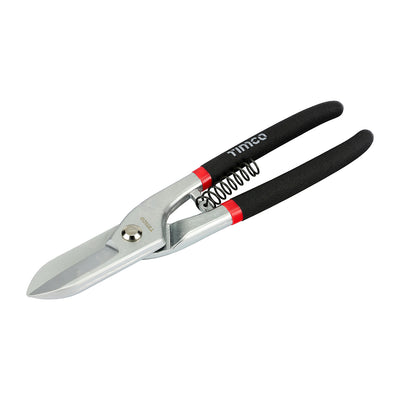
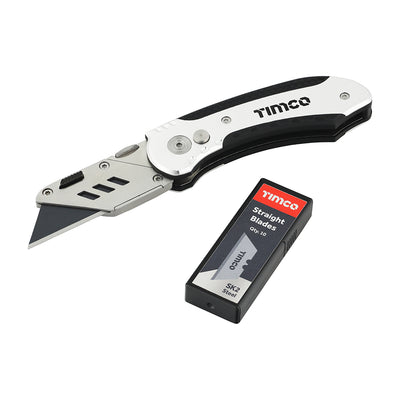
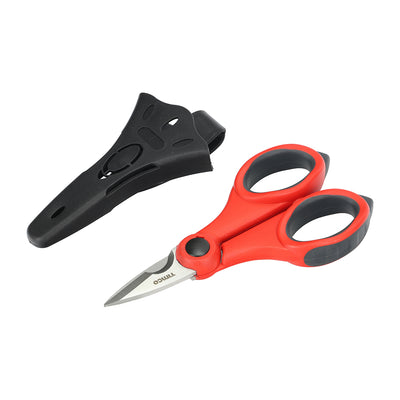
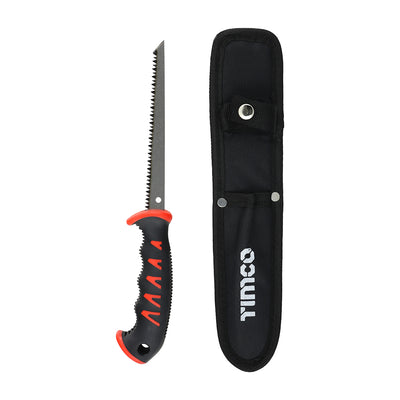
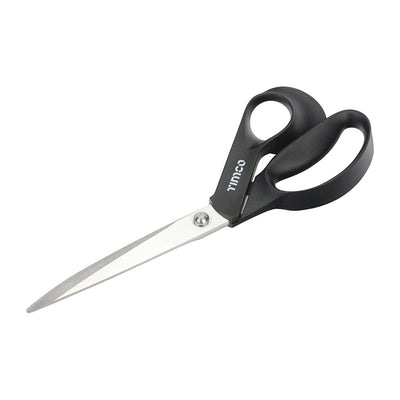
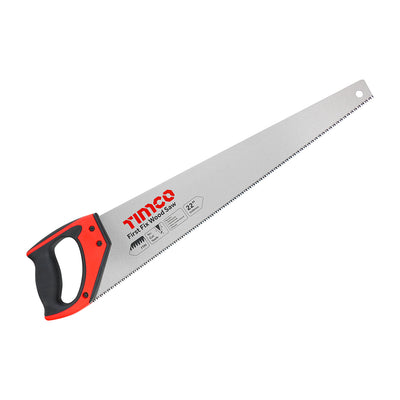
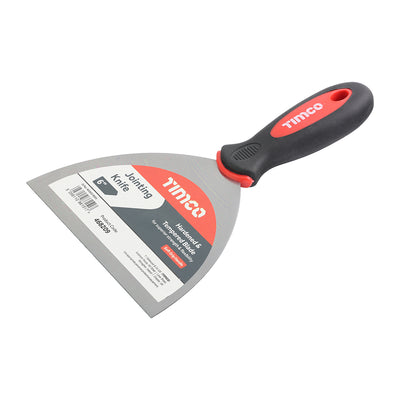
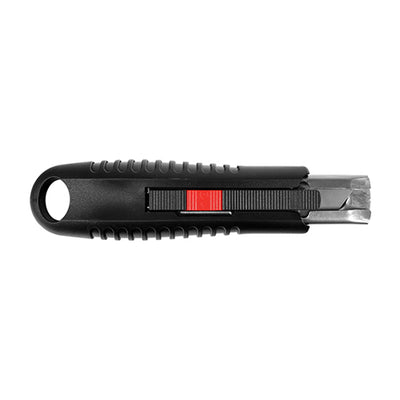
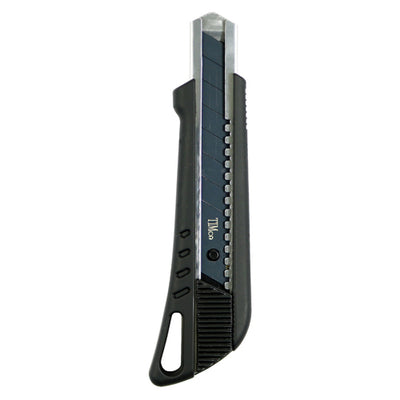
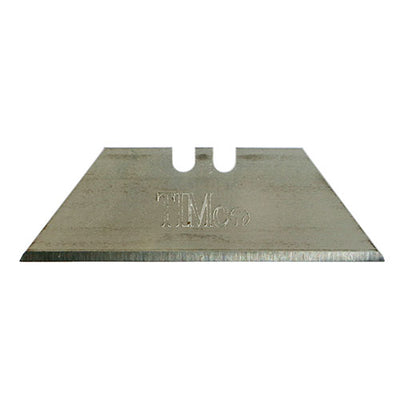
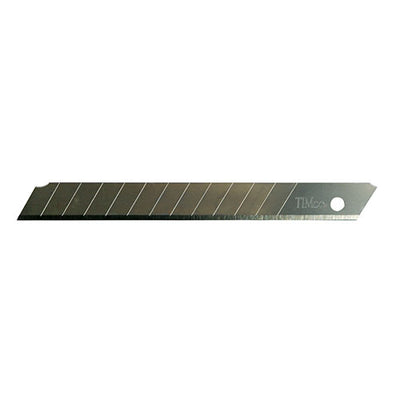
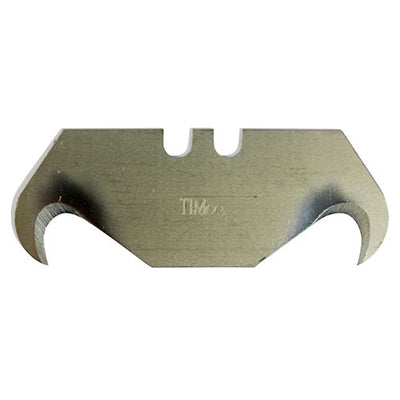
TIMCO Utility Knife Blade Snap Off - 80 x 9 x 0.6 (10pcs)
- Pack quantity
- 10 Pieces
- Price
- £1.31Incl. VAT
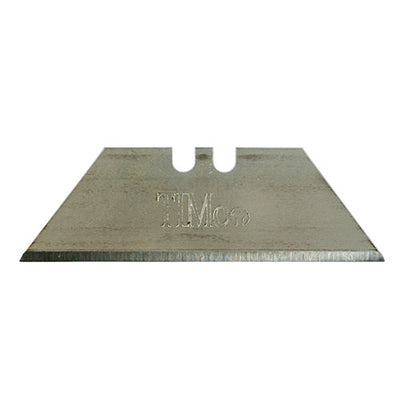
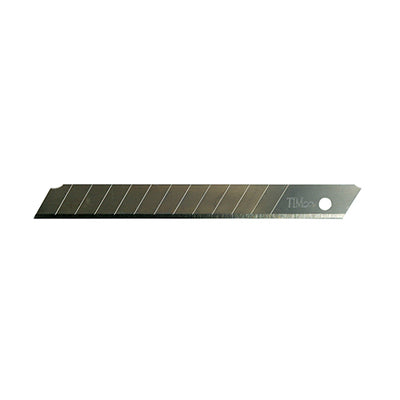
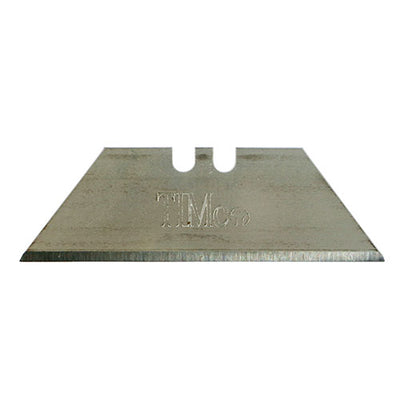
TIMCO Utility Knife Blade Snap Off - 100 x 18 x 0.6 (10pcs)
- Pack quantity
- 10 Pieces
- Price
- £1.67Incl. VAT
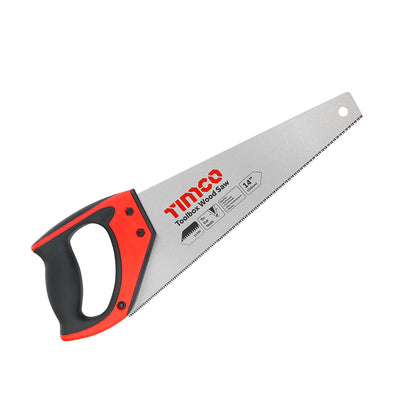
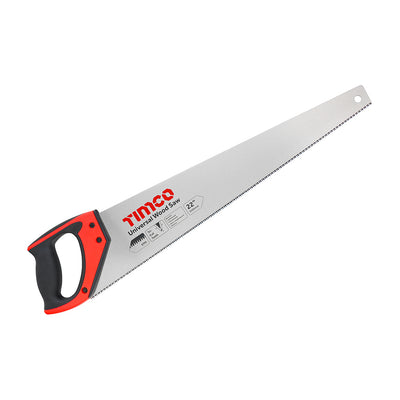
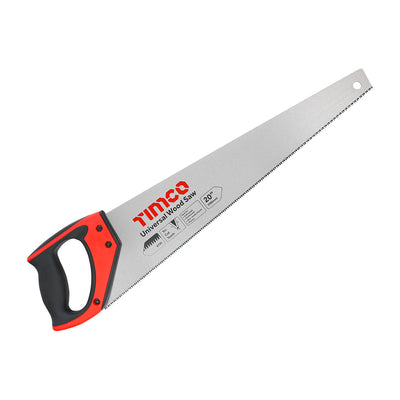
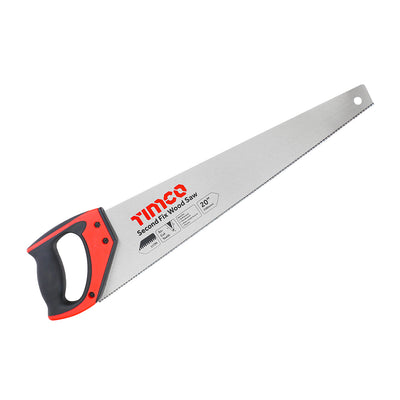
Sawing and Cutting Hand Tools for Trade and DIY
A blunt saw or the wrong cutting tool wastes time and ruins your work. Every cut matters, whether you are on a busy building site or at home. This range covers sawing and cutting hand tools for timber, metal, plastic, and more. Find hand saws, hacksaws, jab saws, and cutting knives built for real trade use. All products are sourced from trusted names used by UK tradespeople and DIYers.
Sawing and Cutting Tools Built for Every Job
The right cutting tool makes every job faster and safer. Hand cutting tools give you full control with no power needed. They are perfect for tight spaces, awkward angles, and site work.
Sawing and cutting hand tools cover a wide range of tasks. From rough timber cutting to precise finish work, there is a tool for each job. Knowing which saw to use saves time and avoids costly mistakes.
This range stocks quality saws and cutting tools for UK tradespeople. Products suit carpenters, plumbers, electricians, roofers, and general builders. Most items are also ideal for confident DIYers working at home.
Quick tip: Always match your saw to the material you are cutting. Using a wood saw on metal or plastic will blunt the teeth quickly. The right blade type protects your tool and gives a cleaner cut.
Types of Sawing and Cutting Hand Tools
Each saw and cutting tool is designed for a specific task. Here is a clear guide to what is available and when to use it.
Hand Saws
Hand saws are the most common sawing tool on site. They are used for cutting timber, sheet boards, and general wood. Tooth count (TPI) affects the cut quality and speed. A lower TPI gives a faster but rougher cut. A higher TPI gives a slower but cleaner finish. Hardpoint hand saws stay sharp longer than traditional saws.
Hacksaws
Hacksaws are used for cutting metal, plastic, and pipe. They use replaceable blades fitted to a metal frame. Standard hacksaws suit general site work. Junior hacksaws are smaller and useful in tight spaces. Mini hacksaws are good for one-handed use and awkward angles. Always match the blade TPI to the material being cut.
Jab Saws and Pad Saws
Jab saws are used for cutting holes in plasterboard and stud walls. They have a pointed tip that pierces the material without a starter hole. Also known as pad saws or drywall saws, they are a must for electricians and plumbers. Good for cutting cable trunking access holes and socket cutouts.
Bow Saws
Bow saws are used for cutting green wood, logs, and branches. They have a tensioned blade held in a metal or plastic frame. The large blade teeth cut quickly through softwood and hardwood. Often used by landscapers, groundworkers, and in garden clearance. Blades are replaceable when worn.
Tenon Saws and Back Saws
Tenon saws have a stiffened back to keep the blade rigid. This gives better control for accurate, straight cuts. They are used in joinery, cabinet making, and finish carpentry. Good for cutting joints, trim, and fine timber work. The stiff back limits cut depth, but precision is excellent.
Cutting Knives and Utility Knives
Cutting knives are used to score, trim, and cut sheet materials. They suit plasterboard, carpet, insulation, and thin plastics. Retractable utility knives are the safest type for general use. Fixed blade knives give more control for precise work. Always use a straight edge when cutting with a knife for accuracy.
Flooring Saws
Flooring saws are designed for cutting laminate and timber flooring. They have a unique tooth pattern that cuts on both push and pull strokes. This reduces the chance of chipping the face of the board. A good flooring saw speeds up installation and gives cleaner results.
Pruning Saws
Pruning saws are designed to cut through green wood and branches. They often have curved blades that cut on the pull stroke. This gives better control and less effort when cutting overhead. Folding pruning saws are safer to carry and store on site.
How to Pick the Right Cutting Tool
The material you are cutting decides the tool you need. Using the wrong saw leads to poor results and damaged blades.
| Material | Recommended Tool | Notes |
|---|---|---|
| Timber and Sheet Boards | Hardpoint Hand Saw | Use 8 TPI for general cutting, 12 TPI for finer work |
| Metal Pipe and Bar | Hacksaw with 24-32 TPI Blade | Higher TPI for thinner metal sections |
| Plasterboard and Drywall | Jab Saw or Pad Saw | Pierce and cut without a starter hole |
| Plastic Pipe and Sheet | Hacksaw or Fine Hand Saw | Use a fine blade to avoid cracking or chipping |
| Timber Joints and Trim | Tenon Saw or Back Saw | Stiff back gives better control for precise cuts |
| Laminate and Wood Flooring | Flooring Saw | Cuts on both strokes and reduces face chipping |
| Insulation and Sheet Material | Utility Knife or Long Blade Knife | Score and snap is often faster than sawing |
| Green Wood and Branches | Bow Saw or Pruning Saw | Curved teeth clear sawdust and cut fast |
Understanding TPI on Saw Blades
TPI stands for teeth per inch. It is printed on most saw blades. TPI tells you how fine or coarse the cut will be.
A lower TPI means fewer, bigger teeth. Cuts are fast but rough. A higher TPI means more, smaller teeth. Cuts are slower but cleaner.
For general timber work, 7-8 TPI is a good starting point. For finish joinery, use 10-12 TPI or higher. For metal cutting with a hacksaw, 24-32 TPI is standard.
Good to know: Hardpoint hand saws cannot be re-sharpened. When the teeth are worn, replace the saw. Traditional hand saws with softer steel can be re-sharpened by a saw doctor. Hardpoint saws are more cost-effective for most trade use.
Blade Care and Safe Cutting Practice
A well-maintained saw cuts better and lasts longer. Always store saws in a dry place to prevent rust on the blade.
Use a blade guard or saw holder when the tool is not in use. This protects the teeth and keeps you safe.
When cutting, let the saw do the work. Do not force the blade. Forcing a saw causes the blade to buckle or jump off the line. Light, steady strokes give a straighter, cleaner cut every time.
For hacksaw blades, check the tension before each use. A loose blade wanders off line and snaps more easily. Tighten the wing nut until the blade pings when tapped gently.
Safety reminder: Always wear safety glasses when cutting metal with a hacksaw. Metal swarf and blade fragments can cause serious eye injury. Work gloves protect your hands from rough cut edges and sharp burrs.
Find the Right Saw or Cutting Tool for Your Job
Use the filters above to search by tool type, material, and brand. Check individual product pages for blade length, TPI, and compatibility.
Whether you need a hardpoint hand saw for timber, a hacksaw for metal pipe, a jab saw for plasterboard, or a utility knife for sheet materials, this range covers the most-used sawing and cutting hand tools across the UK. For complementary products, see our hand tools range or our measuring and marking tools.
Frequently Asked Questions
What is the difference between a hand saw and a hacksaw?
A hand saw is designed for cutting wood and timber. A hacksaw is used for cutting metal, plastic, and pipe. The key difference is blade tooth design and TPI count. Using a hand saw on metal will damage the teeth quickly.
What TPI hacksaw blade should I use for cutting copper pipe?
Use a 24 TPI blade for cutting copper pipe. This gives a clean cut without catching or tearing the metal. For very thin-walled pipe or sheet metal, go up to 32 TPI.
Can I use a jab saw to cut timber stud walls?
A jab saw cuts plasterboard well but is not ideal for thick timber. Use a hand saw for cutting through stud wall timber frames. A jab saw works best on plasterboard, insulation, and thin panels.
How do I stop a hand saw from wandering off line?
Mark your cut line clearly before you start. Begin with short, light pull strokes to create a starter groove. Keep your elbow, wrist, and the saw in line with your cut. A tenon saw or back saw gives more control for precision cuts.
Are hardpoint hand saws worth buying for DIY use?
Yes. Hardpoint saws stay sharp longer than traditional saws. They are ready to use straight from the pack. For most DIY tasks, a hardpoint saw is the most practical and cost-effective option.
What is a flooring saw used for?
A flooring saw cuts laminate, engineered wood, and solid timber flooring. Its tooth pattern cuts on both the push and pull stroke. This reduces chipping on the visible face of the board.
How often should I replace my hacksaw blade?
Replace your hacksaw blade when it starts to slip or feel dull. Blades used on hard metal wear faster than those used on plastic. A fresh blade cuts faster, stays on line, and is safer to use.
Related Hand Tools and Accessories
Sawing and cutting tools are often used alongside other hand tools. See our full hand tools range for chisels, hammers, and more.