3 products
Staple Guns & Rivet Guns
staple-guns-rivet-guns
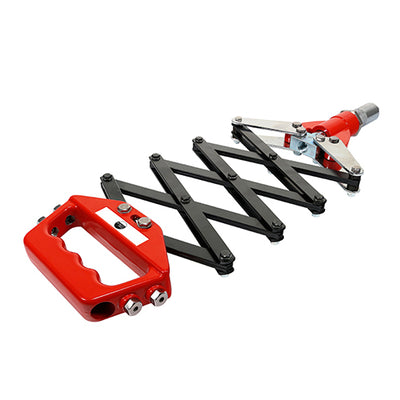
TIMCO Lazy Tongue Riveter - Rivets 3.0/3.2/4.0/4.8/6.0/6.4
- Pack quantity
- 1 Each
- Price
- £43.96Incl. VAT
Staple Guns and Rivet Guns for Trade and DIY Use
The wrong fastening tool wastes time, damages materials, and leaves weak joints. A good staple gun or rivet gun gets the job done cleanly and securely. Here you will find manual, electric, and pneumatic staple guns and rivet guns. This range covers upholstery staple guns, heavy duty staple guns, electric rivet guns, and hand rivet guns. All tools are suited to trade, construction, and home improvement use across the UK.
Why the Right Fastening Tool Matters
Staple guns and rivet guns are two of the most used fastening tools on site. They fix materials quickly without screws or nails. Getting the right tool for the job saves time and prevents mistakes.
Staple guns drive staples into wood, fabric, insulation, and board. Rivet guns pull metal rivets to join panels, brackets, and sheet materials. Each tool has its own use case. Using the wrong one causes poor joints.
This range covers trusted tools suited to UK tradespeople and DIY users. Whether you are a professional upholsterer or a site carpenter, you will find the right tool here.
Quick tip: Always match the staple or rivet size to your tool. Using the wrong size can jam the tool or weaken the joint. Check the product page for compatible staple and rivet sizes before buying.
Types of Staple Guns and Rivet Guns
There are several types in this range. Each works best in a different situation. Here is a clear breakdown of what each type does.
Manual Staple Guns
Manual staple guns are hand-powered and need no electricity. You squeeze the trigger to fire a staple. They are lightweight, portable, and easy to use. Good for light upholstery work, carpet fixing, and general DIY tasks. They are one of the most common types for home use.
Heavy Duty Staple Guns
A best heavy duty staple gun handles tough jobs with ease. It drives longer, thicker staples into dense materials. Suited to timber battening, insulation boards, roofing felt, and thick upholstery. Heavy duty models have stronger springs and reinforced frames. They are a firm favourite on UK building sites.
Electric Staple Guns
Electric staple guns reduce hand fatigue on longer jobs. They fire staples with less effort than manual models. Ideal for large upholstery projects, lining boards, and carpet fitting. Some models are corded. Others are battery powered for more freedom. A great choice for repetitive stapling tasks.
Pneumatic Staple Guns
Pneumatic staple guns run on compressed air. They are fast, powerful, and suited to high-volume trade work. Used widely in furniture manufacturing and timber frame construction. They require an air compressor to operate. A top choice for speed and consistency in professional settings.
Hand Rivet Guns
Hand rivet guns set blind rivets by squeezing the handle. They are compact and do not need power. Suited to light metalwork, guttering, sheet metal, and signage fixing. A reliable tool for one-sided joining where the back is not accessible. Available in single and double-handed grip styles.
Best Electric Rivet Guns
A best electric rivet gun sets rivets at the press of a button. No squeezing effort is needed. This reduces hand strain on long jobs. Suitable for trade use in sheet metal, HVAC, and automotive bodywork. Battery-powered models offer the best mobility on site.
Staple Guns vs Rivet Guns: Which Do You Need?
Many users are unsure whether they need a staple gun or a rivet gun. The answer depends on the materials you are joining.
Use a staple gun when fixing soft or semi-soft materials. This includes fabric, carpet, insulation, and thin board. Staples are not suited to joining two pieces of metal.
Use a rivet gun when joining two hard surfaces. This includes metal panels, brackets, and structural sheet materials. Rivets form a permanent, flush joint on both sides of the material.
| Tool Type | Best For | Common Uses |
|---|---|---|
| Manual Staple Gun | Light DIY tasks | Upholstery, carpet, insulation, thin board |
| Heavy Duty Staple Gun | Dense or thick materials | Roofing felt, timber battens, thick foam |
| Electric Staple Gun | Repetitive or large jobs | Large upholstery, lining boards, carpet fitting |
| Pneumatic Staple Gun | High-volume trade work | Furniture, timber frames, production use |
| Hand Rivet Gun | Light metalwork | Guttering, signage, sheet metal panels |
| Electric Rivet Gun | High-volume or trade metalwork | HVAC, automotive, structural sheet fixing |
Understanding Staple Types and Sizes
Not all staples are the same. Using the wrong type causes jams and weak fixings.
Crown width is the top part of the staple. Most DIY staple guns use a 10mm or 11mm crown. Heavy duty models often use a wider crown for better holding power.
Leg length is how deep the staple goes into the material. Thin fabrics need short legs of around 6mm to 8mm. Dense board or timber needs longer legs of 10mm to 14mm.
Always check the staple specification on your gun before buying consumables. Many tools only work with one or two staple series.
Good to know: Stainless steel staples resist rust in damp conditions. Use them for outdoor or humid environments. Galvanised staples are a lower-cost option for indoor work.
Understanding Rivet Types and Sizes
Blind rivets are the most common type used with rivet guns. They are set from one side only. No access to the back is needed.
Rivets are measured by diameter and grip range. The diameter must match the hole drilled in your material. The grip range must cover the total thickness of the materials being joined.
Common rivet materials include aluminium, steel, and stainless steel. Aluminium rivets are light and easy to set. They suit light metalwork and signage. Steel rivets give a stronger hold. Use them for structural or load-bearing joints. Stainless steel rivets are best for outdoor and corrosive environments.
| Rivet Material | Strength | Best Environment |
|---|---|---|
| Aluminium | Light duty | Indoor, dry, light panel work |
| Steel | Medium to heavy duty | General trade, structural fixing |
| Stainless Steel | Heavy duty, corrosion resistant | Outdoor, coastal, damp areas |
| Copper | Light duty | Electrical and decorative work |
What to Look for When Buying a Staple or Rivet Gun
There are a few things to check before you buy. Getting these right saves money and avoids poor results.
Jaw Opening and Material Thickness
The jaw of a rivet gun must open wide enough for your rivet diameter. For staple guns, check the maximum staple leg length. This ensures the tool can handle the material thickness you are working with.
Power Source
Manual tools suit low-volume or occasional use. Electric and battery-powered tools are better for regular or repetitive work. Pneumatic tools suit production or trade environments with air supply on hand.
Ergonomics and Grip
A comfortable grip reduces hand fatigue on longer jobs. Look for soft-grip handles on manual staple guns. Electric rivet guns with a balanced body are easier to control overhead.
Staple or Rivet Compatibility
Always check what sizes the tool accepts. Some guns only work with one brand of consumable. Choosing a tool that accepts standard sizes gives you more sourcing flexibility.
Find the Right Tool for Your Project
Use the filters above to narrow by tool type, power source, and application. Check individual product pages for compatible staple or rivet sizes before ordering.
Whether you need a best heavy duty staple gun for site work, an electric staple gun for upholstery, a hand rivet gun for light metalwork, or a best electric rivet gun for trade panel fixing, this range covers the most-used fastening tools for UK trade and DIY use.
For help choosing the right consumables to go with your tool, see our fixings and fasteners range.
Frequently Asked Questions
What is the difference between a staple gun and a rivet gun?
A staple gun drives U-shaped staples into soft materials like fabric, board, and timber. A rivet gun sets metal rivets to join hard materials like steel or aluminium panels. Use a staple gun for soft materials and a rivet gun for metal-to-metal joints.
Can a heavy duty staple gun be used for roofing felt?
Yes. A best heavy duty staple gun is ideal for fixing roofing felt and breathable membranes. Use longer leg staples of 10mm or more for a secure hold in roof battens and sheathing boards.
How do I know which staple size to use?
Check the staple leg length against your material thickness. The leg should go at least halfway through the material for a strong hold. Always check your staple gun's compatible staple series before buying.
Are electric rivet guns better than manual rivet guns?
For occasional light jobs, a manual hand rivet gun is fine. For high-volume or trade use, a best electric rivet gun is faster and reduces hand fatigue significantly. Electric models also set larger rivets with less effort.
What type of rivet should I use outdoors?
Use stainless steel rivets for outdoor fixing in the UK. Aluminium rivets can corrode when in contact with damp or treated timber. Stainless steel resists rust and holds up well in wet or coastal conditions.
Can I use an electric staple gun for upholstery work?
Yes. An electric staple gun is well suited to upholstery. It fires faster and with less effort than a manual model. This makes it ideal for fixing fabric to furniture frames over long sessions.
Do rivet guns come with nosepieces for different rivet sizes?
Most rivet guns include a set of interchangeable nosepieces. These allow you to use different rivet diameters with one tool. Check the product listing to confirm which sizes are included.
Related Tools and Fixings
Staple and rivet guns are often used alongside other hand tools and fixings. See our hand tools range for complementary site tools.
For metal panel fixings used alongside rivet guns, see our fixings and fasteners range.