16 products
Cleaning Fluids
cleaning-fluids
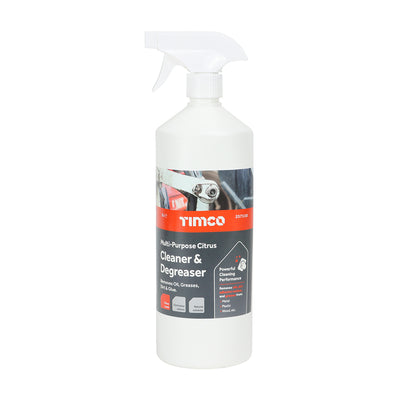
TIMCO Multi-Purpose Citrus Cleaner & Degreaser, Commercial Spray Degreaser with Citrus Scent - 1L
- Pack quantity
- 1 Each
- Price
- £8.46Incl. VAT
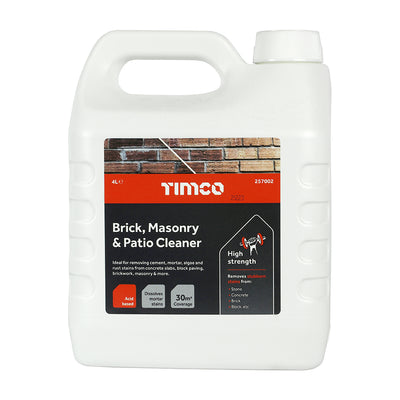

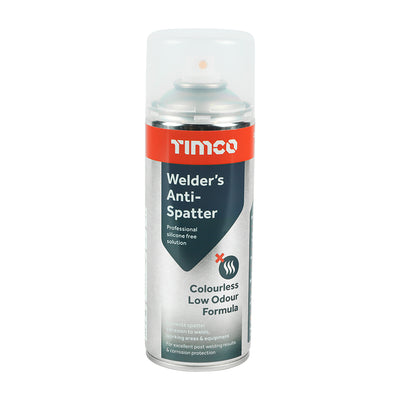
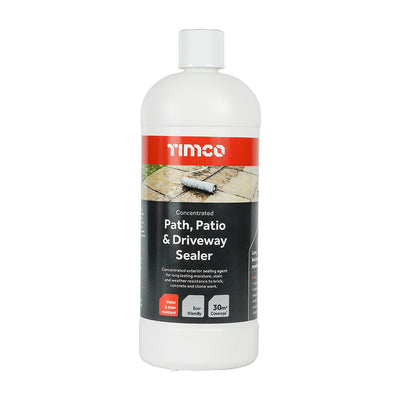
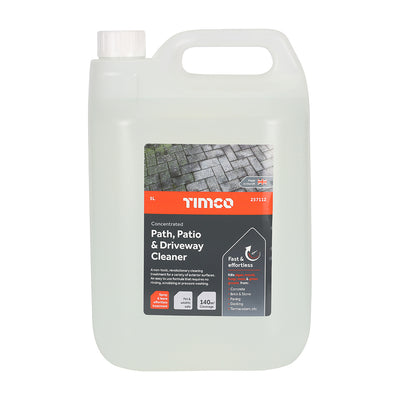
TIMCO Path Patio & Driveway Cleaner, High Strength, Spray & Leave Outdoor Cleaner - 5L
- Pack quantity
- 1 Each
- Price
- £11.63Incl. VAT
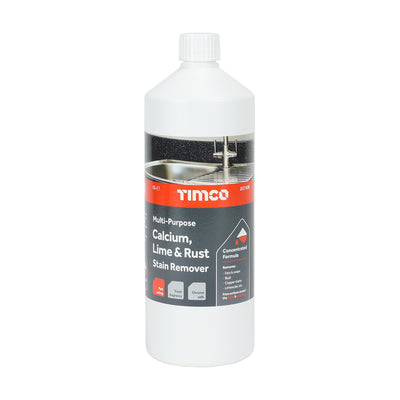
TIMCO Multi-Purpose Disinfectant & Cleaner, Commercial Stain and Deposit Remover - 1L
- Pack quantity
- 1 Each
- Price
- £8.26Incl. VAT

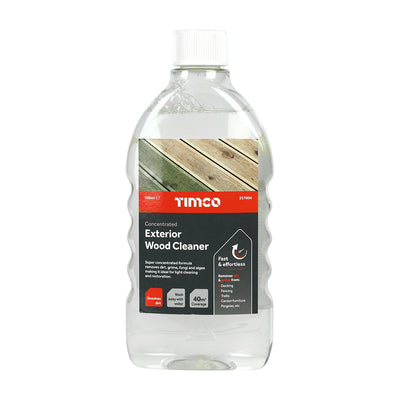
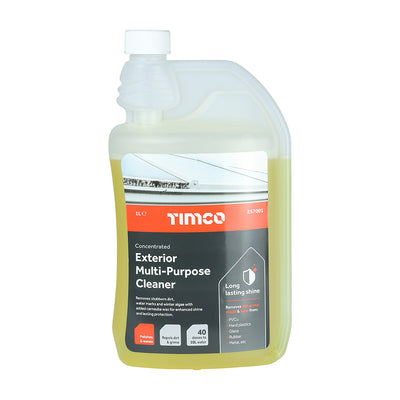
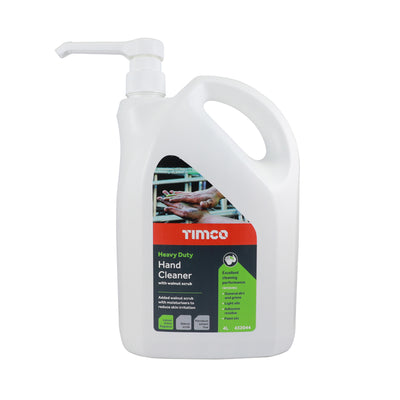
TIMCO Heavy Duty Hand Cleaner Hand Walnut Scrub with Citrus Pump Bottle - 4L
- Pack quantity
- 1 Each
- Price
- £17.22Incl. VAT
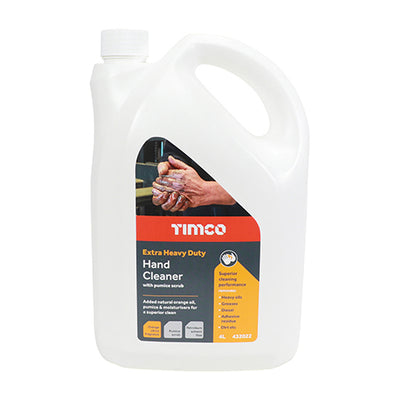
TIMCO Extra Heavy Duty Hand Cleaner Hand Pumice Scrub Orange - 4L
- Pack quantity
- 1 Each
- Price
- £14.47Incl. VAT
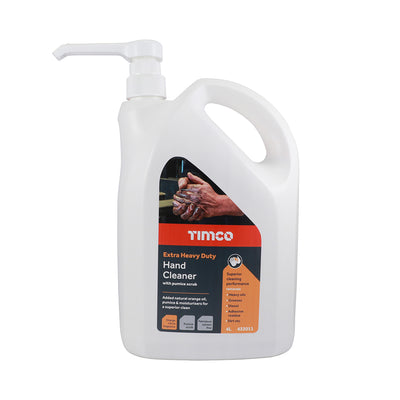
TIMCO Extra Heavy Duty Hand Cleaner Hand Pumice Scrub Orange Pump Bottle - 4L
- Pack quantity
- 1 Each
- Price
- £17.22Incl. VAT
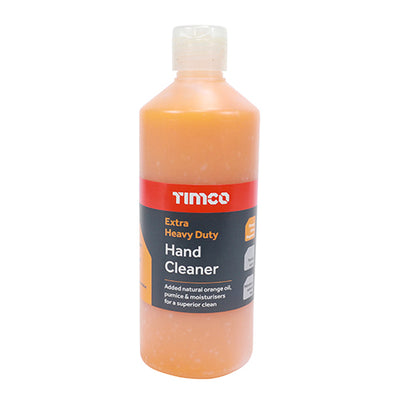
TIMCO Extra Heavy Duty Hand Cleaner Hand Pumice Scrub Orange Flip Top - 500ml
- Pack quantity
- 1 Each
- Price
- £3.61Incl. VAT
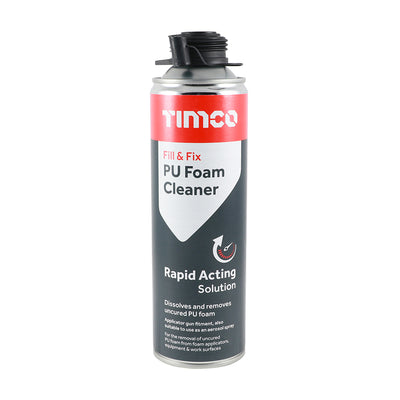
Cleaning Fluids for Trade, DIY and Building Maintenance
Dirty surfaces cause more damage than most people think. Grime, algae, and staining break down materials over time. The right cleaning fluid stops that from happening. Here you will find professional cleaning fluids for decks, timber, PVCu frames, and more. These products are trusted by tradespeople and used on sites across the UK. From deck and wood cleaner to PVCu frame cleaner, the right product is here.
Why Choosing the Right Cleaning Fluid Matters
Not all cleaning fluids work the same way. Using the wrong product can damage the surface. It can strip timber coatings, dull uPVC, or leave marks on decking.
Professional cleaning fluids are made for specific surfaces and jobs. They remove dirt, algae, mould, and staining without causing harm. They prepare surfaces properly for treatment, sealing, or repainting.
This range covers the most common cleaning needs for building and maintenance work in the UK. Whether you are cleaning a garden deck, a uPVC window frame, or timber cladding, there is a product here to suit.
Good to know: Always test a cleaning fluid on a small hidden area first. This confirms it is suitable for your specific surface before full application. Read the product label carefully for dilution rates and dwell times.
Types of Cleaning Fluids Available
Different surfaces need different cleaning solutions. Here is a guide to the main types of cleaning fluids and what each one does.
Deck and Wood Cleaner
Deck and wood cleaner is made to remove algae, grime, and weathering from timber. It works on decking boards, garden furniture, and wooden cladding. It lifts deep-set dirt without scrubbing too hard. It prepares the surface for oils, stains, or sealants. Suitable for softwood and hardwood decking across the UK.
PVCu Frame Cleaner
PVCu frame cleaner is designed for white and coloured uPVC window frames, door frames, and fascias. It removes traffic film, mould, yellowing, and general dirt. It restores the original colour without scratching the surface. Safe for rubber seals and gaskets. Ideal for regular maintenance of uPVC and PVCu profiles.
Timber and Fence Cleaner
Timber and fence cleaner removes green algae, moss, and black mould from fencing. It also works on gate posts, pergolas, and wooden outbuildings. It brightens aged timber and restores a clean base for re-treatment. A key step before applying any fence paint or timber preservative.
Multi-Surface Cleaner
Multi-surface cleaning fluids work across a range of materials. They suit masonry, concrete paths, block paving, and render. They remove biological growth and traffic contamination. Useful for builders and property maintenance teams working across multiple surface types.
Mould and Algae Remover
Mould and algae remover is a targeted biocidal cleaning fluid. It kills and removes green algae, black mould, and lichen from surfaces. Effective on timber, render, concrete, and paving. It helps prevent regrowth when used as part of a regular maintenance plan.
Pre-Treatment Cleaner
Pre-treatment cleaners prepare surfaces before painting, coating, or sealing. They remove contaminants that could stop treatments from bonding properly. Using a pre-treatment cleaner improves the lifespan of any applied finish. Recommended by most timber treatment and exterior paint manufacturers.
When to Use a Cleaning Fluid
Many cleaning tasks are skipped to save time. This often leads to bigger problems later. Knowing when to use a cleaning fluid helps protect your surfaces for longer.
Before Applying Any Treatment or Coating
Oils, paints, and sealants need a clean surface to bond properly. Any dirt, algae, or old flaking finish will reduce performance. Always clean the surface thoroughly before any treatment is applied.
At the Start of Spring
Winter damp encourages mould and algae growth on outdoor surfaces. A spring clean with the right fluid removes this build-up. It protects decking, fencing, and frames ahead of summer use.
After Storm or Heavy Rain
Storms can leave dirt, mud, and debris on surfaces. Cleaning promptly prevents staining from setting in. PVCu frame cleaner and deck cleaner are ideal for post-storm maintenance.
As Part of Regular Maintenance
Regular cleaning extends the life of timber, uPVC, and other surfaces. A clean surface is easier to maintain over time. Most UK tradespeople recommend cleaning outdoor surfaces at least once a year.
Which Cleaning Fluid to Use on Each Surface
This quick reference guide helps you pick the right product for the job.
| Surface | Recommended Cleaner Type | Common Use |
|---|---|---|
| Timber Decking | Deck and Wood Cleaner | Remove algae, grime, and weathering before re-oiling or sealing |
| Garden Fencing | Timber and Fence Cleaner | Clean algae and mould before applying fence paint or preservative |
| uPVC / PVCu Window Frames | PVCu Frame Cleaner | Remove yellowing, traffic film, and mould from frames and fascias |
| Block Paving and Concrete | Multi-Surface or Algae Remover | Remove green growth and staining from driveways and paths |
| Exterior Render and Masonry | Mould and Algae Remover | Kill biological growth before repainting or applying masonry coating |
| Wooden Cladding | Deck and Wood Cleaner or Pre-Treatment Cleaner | Prepare cladding surface before re-staining or painting |
| Composite Decking | Deck Cleaner (check compatibility first) | Remove surface dirt and algae without damaging composite boards |
Always check the product label to confirm it is suitable for your surface type. Some cleaning fluids are not compatible with treated or coated timber.
How to Use Cleaning Fluids Correctly
Applying a cleaning fluid correctly gives you the best results. It also avoids damage to surfaces and surrounding areas.
Step 1: Prepare the area. Remove loose debris, leaves, and dirt first. This lets the cleaning fluid reach the surface directly.
Step 2: Dilute if required. Some products are ready to use. Others need to be diluted with water. Check the label before applying.
Step 3: Apply to the surface. Use a brush, roller, or pump sprayer. Work the fluid into joints, grooves, and textured areas. Allow the product to dwell for the time stated on the label.
Step 4: Agitate if needed. For heavy staining, use a stiff brush. Scrubbing helps lift deep-set dirt and biological growth.
Step 5: Rinse thoroughly. Use clean water to rinse off the cleaning fluid. A garden hose or pressure washer works well for large areas. Allow the surface to dry fully before applying any treatment.
Safety note: Wear gloves and eye protection when handling cleaning fluids. Keep children and pets away from treated areas until the surface is fully dry and rinsed. Store cleaning products in a cool, dry place away from direct sunlight.
The Right Cleaning Fluid for Every Maintenance Job
Use the filters above to sort by surface type or product category. Check individual product pages for exact dilution rates, dwell times, and coverage information.
Whether you need a deck and wood cleaner for a timber refresh, a PVCu frame cleaner for uPVC window maintenance, or an algae remover for outdoor surfaces, this range has professional-grade cleaning fluids for trade and DIY use across the UK.
For tools and accessories to go alongside your cleaning products, see our brushes and applicators range. For surface treatments to apply after cleaning, visit our timber treatments page.
Frequently Asked Questions
What is a deck and wood cleaner used for?
A deck and wood cleaner removes algae, grime, weathering, and greying from timber surfaces. It is used on decking boards, garden furniture, cladding, and timber fencing. It prepares the wood for oils, stains, or sealants.
Can I use PVCu frame cleaner on coloured uPVC?
Yes, most PVCu frame cleaners are safe for both white and coloured uPVC profiles. Always test on a small area first to confirm compatibility with the specific colour or finish.
Do I need to rinse off cleaning fluids after use?
Yes. Most cleaning fluids should be rinsed off with clean water after the dwell time. This removes residue and prevents it from affecting any treatments applied afterwards. Always follow the rinsing instructions on the product label.
Can cleaning fluids be used before painting or sealing timber?
Yes. Cleaning the surface first is highly recommended before any paint, stain, or sealant. Dirt and algae on timber stop coatings from bonding properly. A pre-treatment clean improves adhesion and extends the life of the finish.
Are these cleaning fluids safe for use near plants and lawns?
Many cleaning fluids are safe once dry, but some contain biocides that can harm plants. Cover nearby plants and grass during application. Rinse runoff away from garden beds with water. Check the product label for specific environmental guidance.
How often should I clean timber decking?
In the UK climate, decking should be cleaned at least once a year. Many homeowners clean in spring before applying a fresh coat of decking oil or stain. High-traffic or shaded decks may need cleaning twice a year.
What is the difference between a mould remover and a general deck cleaner?
A mould and algae remover is a biocidal product that kills biological growth at the root. A deck and wood cleaner removes surface dirt, grime, and weathering. For heavy mould or algae, use a mould remover first, then follow with a deck cleaner for a full refresh.