70 products
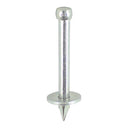
Zinc Masonry Nails
zinc-masonry-nails
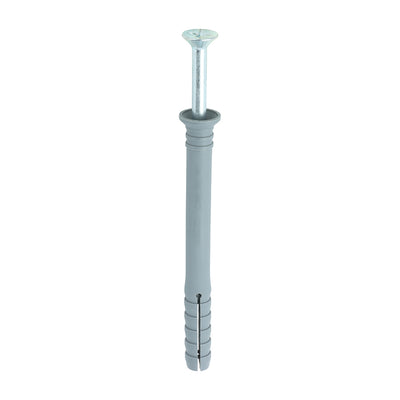
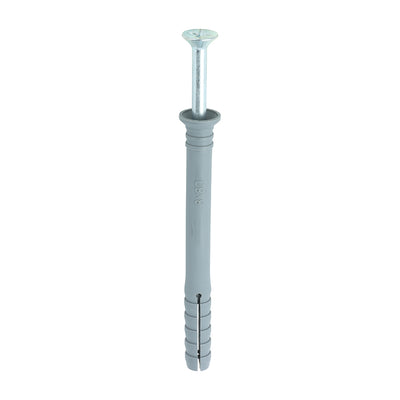
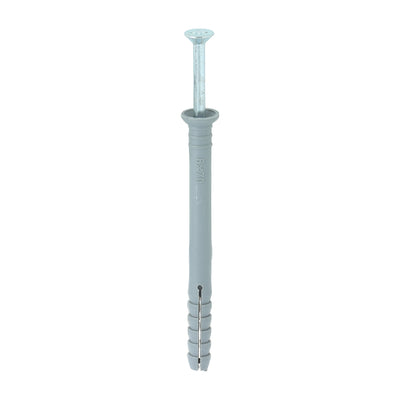
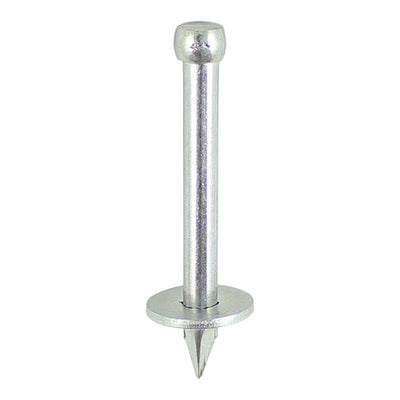
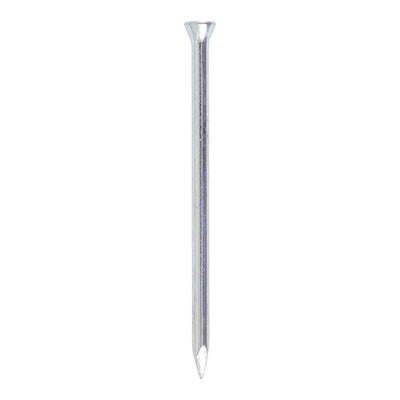
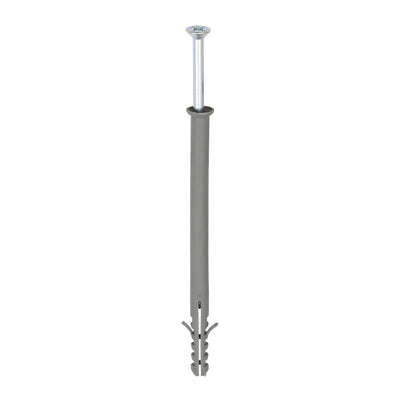
TIMCO Masonry Nails Washered Zinc - 35 x 3.70 (100pcs)
- Pack quantity
- 100 Pieces
- Price
- £8.66Incl. VAT
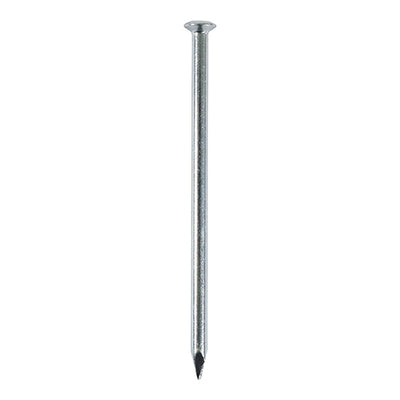
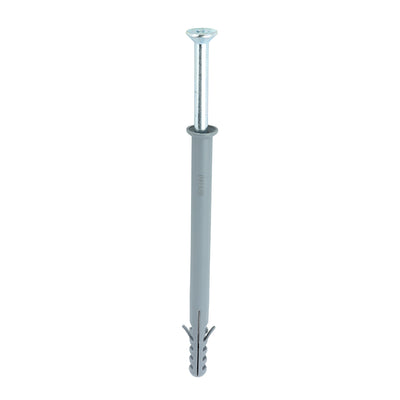
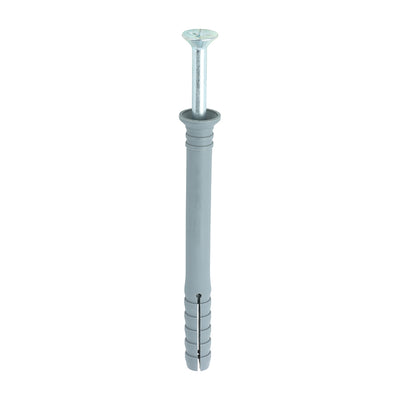
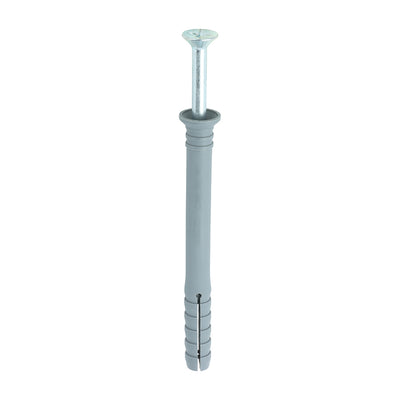
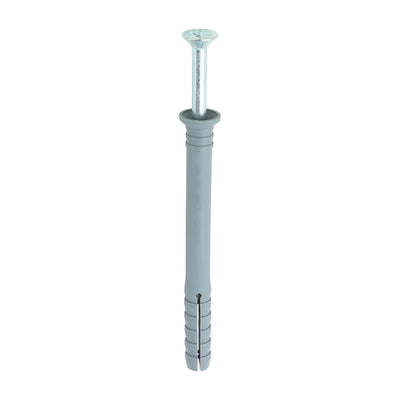
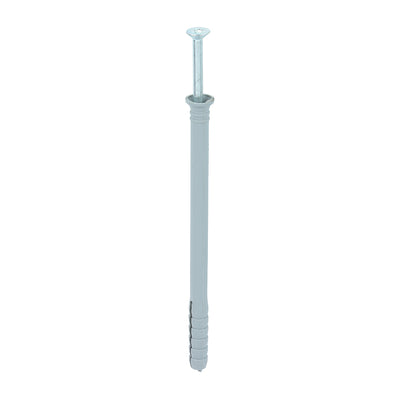
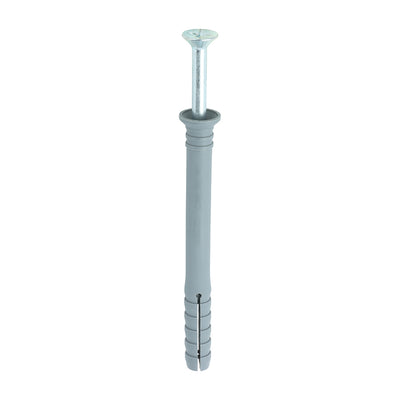
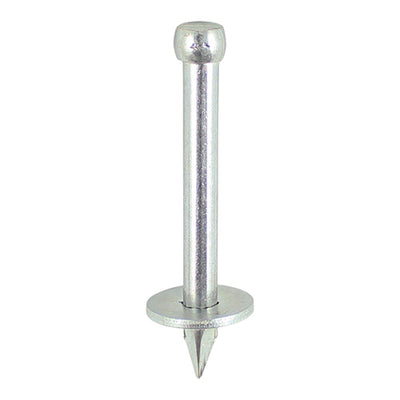
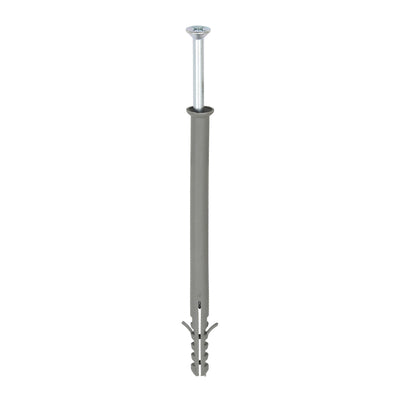
TIMCO Masonry Nails Washered Zinc - 60 x 3.70 (100pcs)
- Pack quantity
- 100 Pieces
- Price
- £12.88Incl. VAT
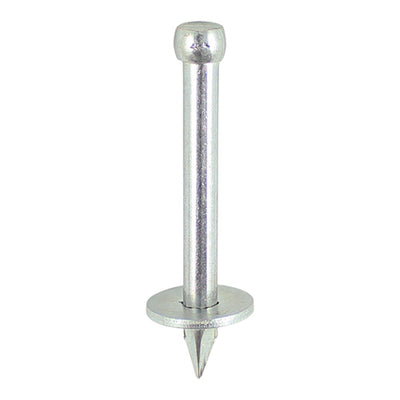
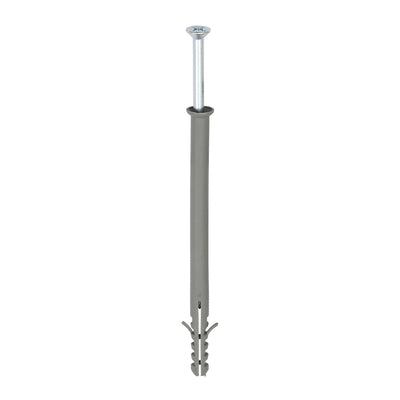
TIMCO Masonry Nails Washered Zinc - 30 x 3.70 (100pcs)
- Pack quantity
- 100 Pieces
- Price
- £8.32Incl. VAT
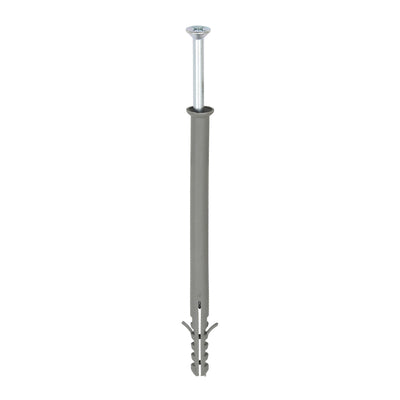
Zinc Masonry Nails for Brick, Block and Concrete
Most nails bend or snap the moment they touch masonry. Zinc masonry nails are built differently. They are hardened to drive straight into brick, block, and concrete without bending. Each nail has a zinc coating that resists rust and surface corrosion. This range includes cut masonry nails, galvanised masonry nails, and square twisted shank nails. Sizes suit DIY jobs and trade use across the UK. You will find reliable nails here for internal and external masonry work.
What Makes Zinc Masonry Nails Different?
Standard wire nails are made from mild steel. They are soft. Drive one into brick and it bends immediately.
Zinc masonry nails are made from hardened steel. The steel is strong enough to penetrate dense masonry. The zinc coating adds a layer of protection against moisture and rust.
These nails are used across the UK building trade every day. They fix timber battens to brick walls. They pin timber grounds into blockwork. They fasten skirting boards and door frames to masonry surfaces.
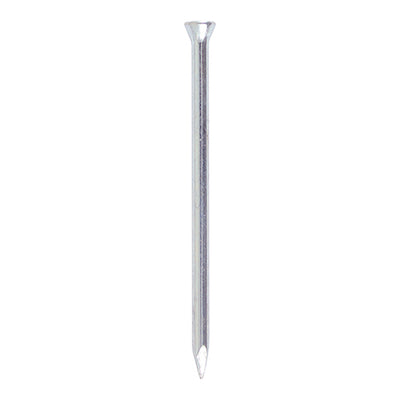
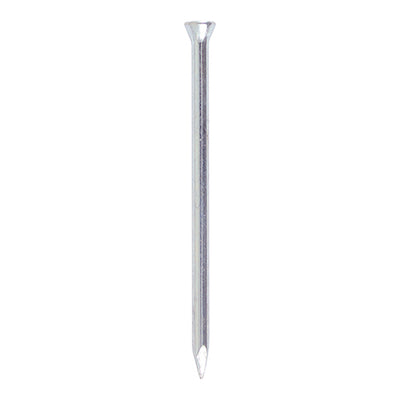
The cut nail profile is key. A square or rectangular cross-section grips the masonry tightly. This shape splits between mortar grains instead of cracking the brick face.
Good to know: Zinc masonry nails are best driven in with a lump hammer or club hammer. Always wear safety glasses. Hardened steel can chip on contact with hard aggregate in concrete.
Available Types of Masonry Nails
Not every masonry nail is the same. Different profiles suit different jobs. Here is a breakdown of the main types you will find here.
Cut Zinc Masonry Nails
These have a flat, tapered profile cut from hardened steel strip. The shape grips the mortar bed firmly as it is driven in. They are the most widely used type in UK residential and commercial building work. Suitable for fixing timber to brick, block, and stone.
Galvanised Masonry Nails
Galvanised masonry nails carry a heavier zinc coating than standard zinc-plated nails. Hot-dip galvanising gives better protection in damp or exposed conditions. They are the right choice for external walls, outbuildings, and garages. Use these anywhere moisture is a concern.
Square Twisted Shank Masonry Nails
The twisted shank creates extra mechanical grip inside the masonry. As the nail is driven, the twist locks it in place. This reduces the chance of the nail working loose over time. Ideal for areas with vibration or where a firm, long-term fixing is needed.
Round Wire Masonry Nails
Round wire masonry nails are hardened to resist bending. They are quick to use and widely stocked across the UK. Best suited for softer masonry like lightweight block or aircrete. Not recommended for very hard concrete or engineering brick.
Masonry Nails for Nail Guns
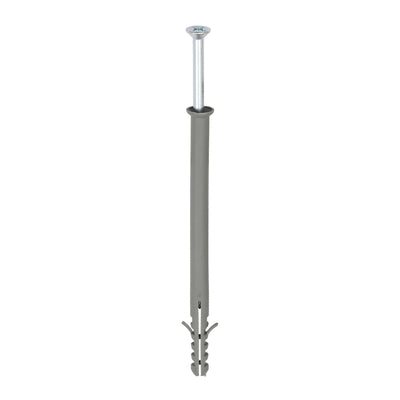
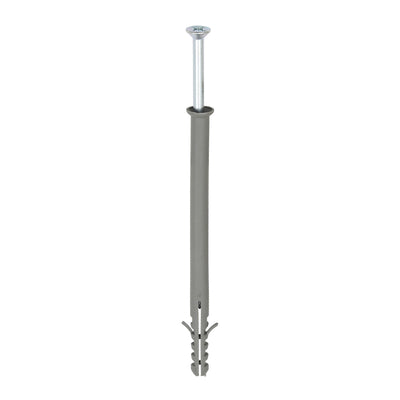
Nail gun masonry nails are loaded into strip or coil magazines. They fire into concrete or block at high speed. This saves time on large site jobs. Always check that your nail gun is rated for masonry nails before use. Using the wrong nail in a gun is a safety risk.
Concrete Nails
Concrete nails are extra-hardened for driving into poured concrete floors and walls. They have a fluted or grooved shank for better grip. These are commonly used by plumbers, electricians, and first-fix carpenters. They fix pipe clips, cable brackets, and sole plates to concrete.
Masonry Nail Size Guide
Getting the right nail length matters. Too short and the nail will not hold. Too long and you risk cracking the brick or block.
As a general rule, the nail should penetrate the masonry by at least 25mm. For thicker battens or boards, you need a longer nail to reach that depth.
| Nail Length | Common Use | Typical Timber Thickness |
|---|---|---|
| 25mm | Thin grounds, cable clips to block | Up to 10mm |
| 38mm | Skirting grounds, batten fixing | 12mm to 18mm |
| 50mm | Standard batten and board fixing | 19mm to 25mm |
| 65mm | Thicker timber battens to masonry | 25mm to 38mm |
| 75mm | Heavy timber sole plates, door frames | 38mm to 50mm |
| 100mm | Structural sole plates, thick grounds | 50mm and above |
Rule of thumb: Nail length should be roughly 2.5 to 3 times the thickness of the timber being fixed. This gives enough penetration into the masonry for a secure hold.
Where Are Zinc Masonry Nails Used?
Zinc masonry nails are used on building sites and in homes across the UK. Here are the most common applications.
Fixing Timber Battens to Brick
Battens for plasterboard, cladding, or tiling are often nailed directly to brick walls. A 50mm or 65mm cut zinc nail is the standard choice for this task. Space nails at around 400mm centres for a firm fix.
Skirting Board Grounds
Timber grounds nailed to the base of masonry walls hold skirting boards in place. A 38mm or 50mm nail is enough for most ground thicknesses. Nailing into the mortar joint is easier and less likely to crack the brick face.
Door Lining and Frame Fixing
Timber door linings are packed and nailed to blockwork openings. Longer nails of 65mm or 75mm give enough depth in this situation. Nails should be alternated on opposite sides of the lining for balance.
Concrete Floor Sole Plates
Stud work sole plates are nailed to concrete floors during first fix. Concrete nails or masonry nails for nail guns are the fastest option here. A 75mm or 100mm nail is standard for a 47mm timber plate.
External Outbuilding Work
Garages, sheds, and outbuildings often have timber fixed to masonry walls. Use galvanised masonry nails for any external or damp-exposed situation. Standard zinc-plated nails will rust quickly outside if not protected.
Cable and Pipe Clip Fixing
Electricians and plumbers often nail clips to block or brick walls. Shorter 25mm or 38mm masonry nails work well for these light-duty jobs. A concrete nail or cut masonry nail gives a quick, clean fix.
Zinc Plated vs Galvanised Masonry Nails
Both coatings protect the steel from rust. But they do not offer the same level of protection.
Zinc-plated masonry nails have a thin electroplated zinc layer. This is applied by passing the nail through a zinc bath using an electric current. The coating is uniform but thin, usually around 5 to 8 microns thick. This is fine for internal dry work inside the UK. It is not enough for outdoor or damp conditions.
Galvanised masonry nails are hot-dip galvanised. The nail is dipped into molten zinc at high temperature. This creates a thicker, tougher coating of 45 microns or more. Hot-dip galvanising is far more durable in wet, outdoor, or exposed environments.
In short, use zinc-plated nails inside on dry walls. Use galvanised masonry nails outside or anywhere damp is likely.
| Coating Type | Coating Thickness | Best Environment |
|---|---|---|
| Zinc Plated (Electroplated) | 5 to 8 microns | Internal, dry masonry work |
| Hot-Dip Galvanised | 45+ microns | External walls, garages, outbuildings |
| Bright Steel (No Coating) | None | Temporary use only, not recommended |
How to Drive Masonry Nails Correctly
Masonry nails need more care than driving a nail into wood. Follow these steps to get a clean, firm fix every time.
Step 1: Mark Your Position
Aim for the mortar joint wherever possible. Mortar is slightly softer than brick. It reduces the risk of splitting the brick face. For concrete, any position is fine.
Step 2: Start the Nail Carefully
Hold the nail steady with your fingers at first. Give it a few light taps to seat the tip. Once it stands on its own, move your fingers away before striking harder.
Step 3: Strike Squarely
Use a club hammer or lump hammer. Strike the nail head squarely and firmly. Angled blows cause the nail to deflect or bend. Keep the hammer face flat against the nail head.
Step 4: Drive to Depth
Drive the nail until the head is tight to the timber surface. Do not over-drive. Sinking the head too deep weakens the fix. The head should sit flat, not countersunk into the wood.
Safety note: Always wear eye protection when nailing into masonry. Hardened steel nails can chip or fragment on contact with hard stone or aggregate. Keep bystanders clear of the work area.
Buy Zinc Masonry Nails for Trade and DIY
Use the filters above to narrow by nail type, length, and pack size. Whether you need cut masonry nails for internal batten fixing, galvanised masonry nails for outdoor use, or masonry nails for a nail gun on a busy site, you will find the right product here.
For other fasteners used in masonry and concrete work, see our masonry and concrete fixings range. For screws and fixings that go into timber, visit our wood screws section.
Frequently Asked Questions
Can I use masonry nails in concrete?
Yes, but you need hardened masonry nails or dedicated concrete nails. Standard wire nails will bend. Use a club hammer and drive firmly and squarely. For poured concrete floors, masonry nails for a nail gun are the fastest option.
What size masonry nail do I need for fixing battens to a brick wall?
For a standard 25mm batten, a 50mm or 65mm masonry nail is usually correct. The nail should penetrate the masonry by at least 25mm after passing through the timber. Check the size guide above for more detail on matching nail length to timber thickness.
Are masonry nails for nail guns the same as hand-driven nails?
No. Nail gun masonry nails are designed for pneumatic or powder-actuated tools. They come in strip or coil form and are fired at high velocity. Never use hand-driven masonry nails in a nail gun. It is a safety risk.
Should I nail into the brick or the mortar joint?
Nailing into the mortar joint is generally better. Mortar is slightly softer and less likely to split or crack. Nailing into the brick face itself risks cracking or spalling the brick.
Can masonry nails be used outdoors in the UK?
Only galvanised masonry nails should be used outdoors in the UK. The damp UK climate will cause zinc-plated nails to rust within a few years. Hot-dip galvanised nails resist corrosion far better in wet and exposed conditions.
Related Fixings and Fasteners
Masonry nails are often used alongside other fixings and fasteners. For screw-based fixing into brick or concrete, see our masonry and concrete fixings range.
If you are fixing timber to timber as part of a first-fix frame, visit our wire nails section for the right nails for that task.