27 products
Diamond Blades & Cutting Wheels
diamond-blades-cutting-wheels
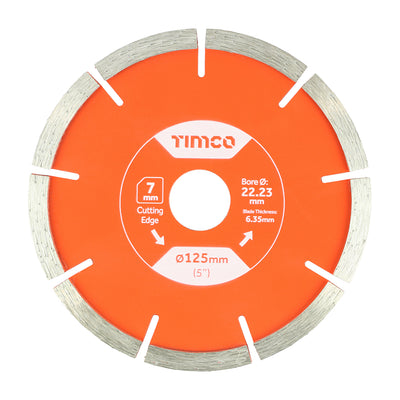
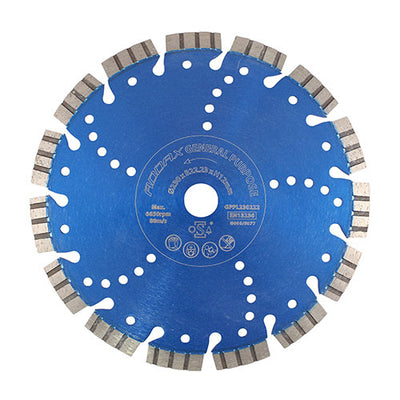
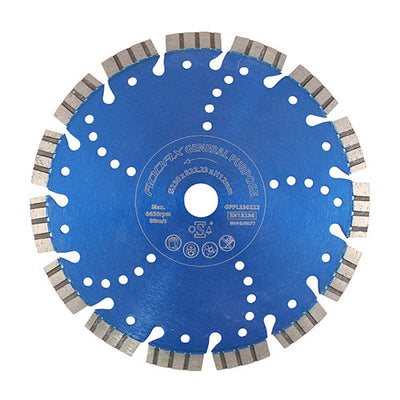
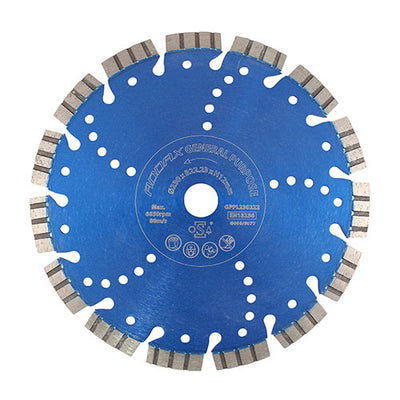
TIMCO General Purpose Mortar Raking Diamond Blade - 125 x 22.2
- Pack quantity
- 1 Each
- Price
- £16.39Incl. VAT
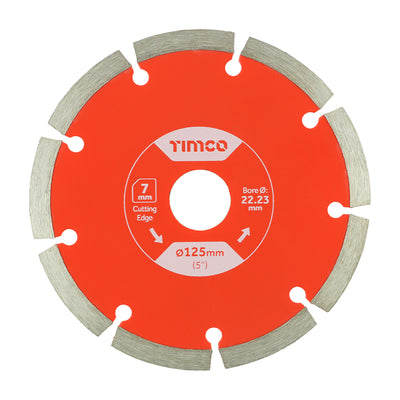
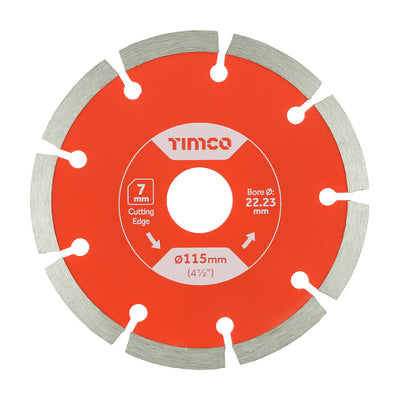
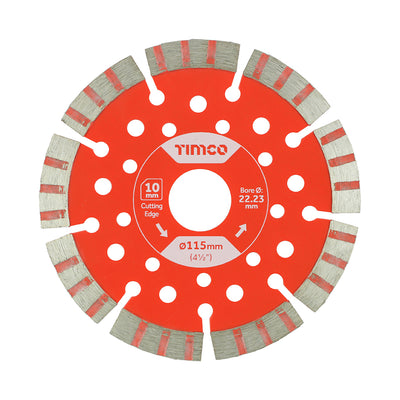
TIMCO General Purpose Diamond Blade Segmented - 115 x 22.2 (3pcs)
- Pack quantity
- 3 Pieces
- Price
- £6.56Incl. VAT
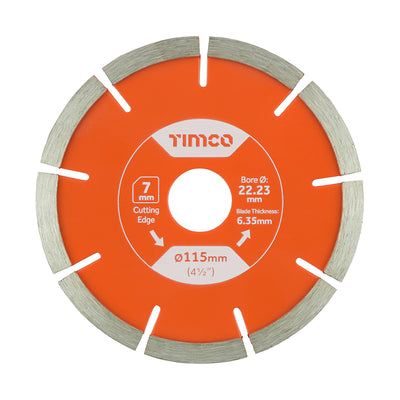
TIMCO General Purpose Mortar Raking Diamond Blade - 115 x 22.2
- Pack quantity
- 1 Each
- Price
- £14.16Incl. VAT
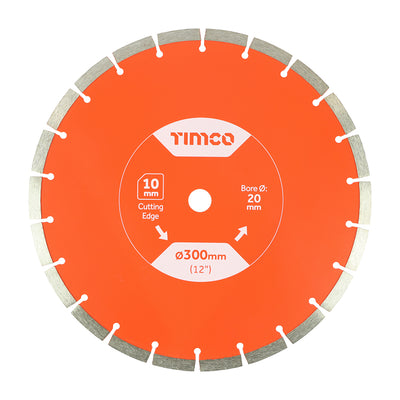
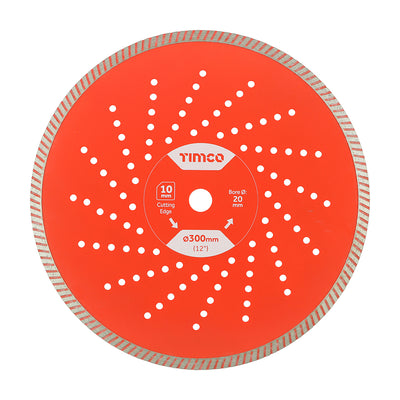
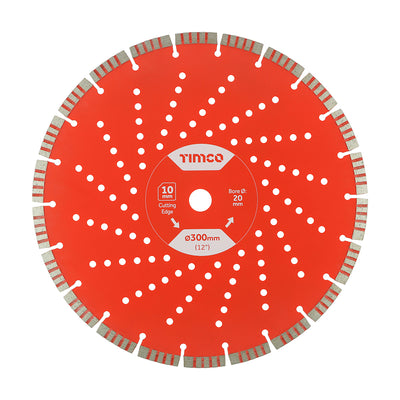
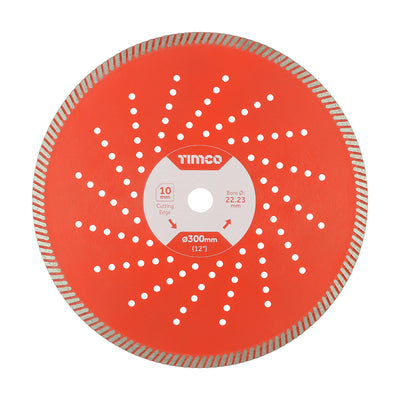
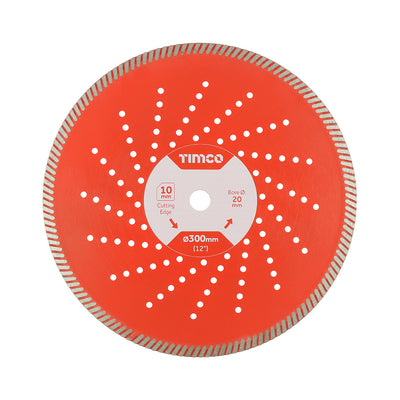
TIMCO General Purpose Diamond Blade Segmented - 300 x 20.0
- Pack quantity
- 1 Each
- Price
- £28.51Incl. VAT
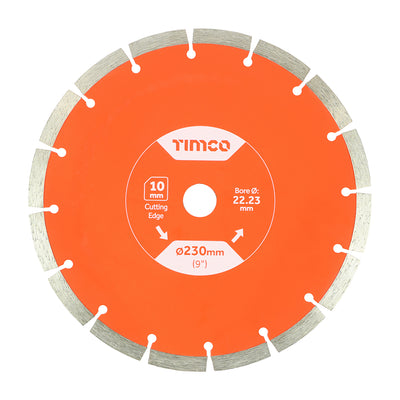
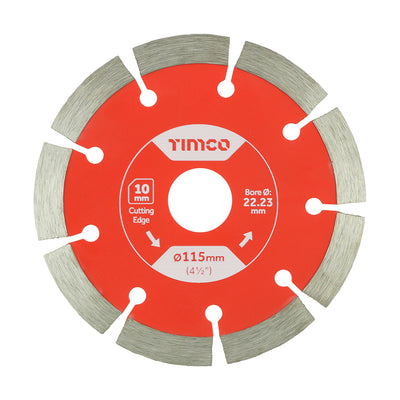
TIMCO General Purpose Diamond Blade Segmented - 115 x 22.2
- Pack quantity
- 1 Each
- Price
- £2.48Incl. VAT
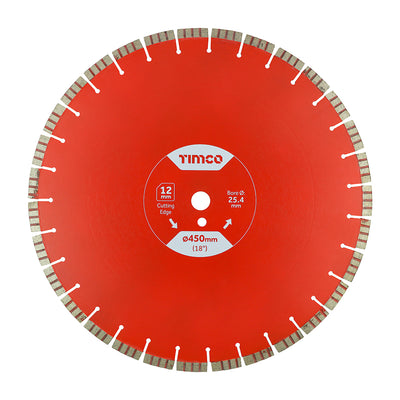
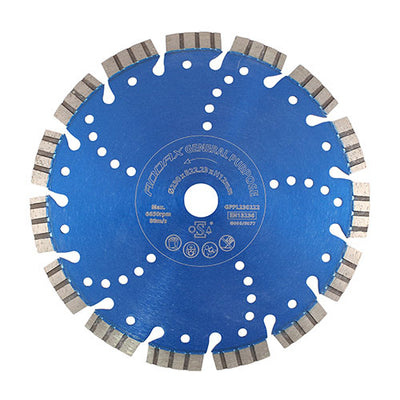
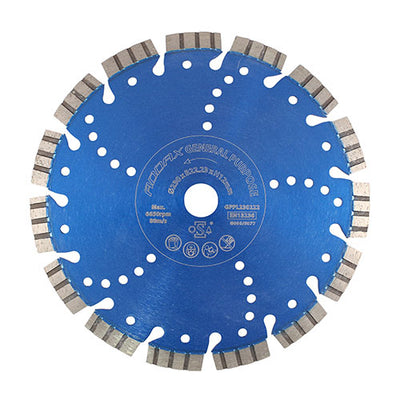
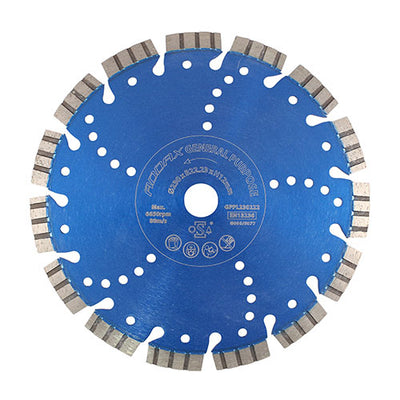
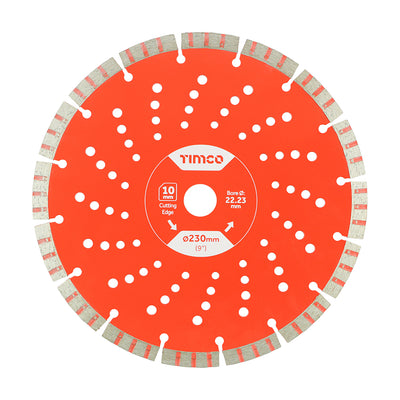
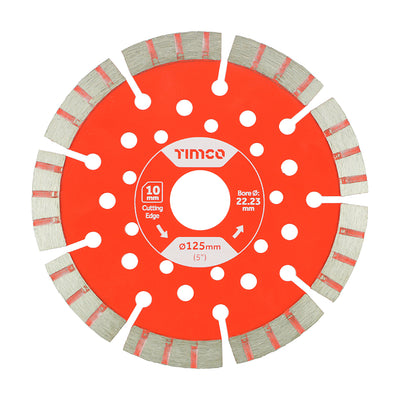
Diamond Blades and Cutting Wheels for Trade and DIY
Using the wrong blade on stone, concrete, or tile can crack the surface. It can also damage your saw and waste your time. Diamond blades and cutting wheels are built for hard materials. They cut cleanly, last longer, and give better results. Here you will find diamond cut saw blades and abrasive cutting wheels for trade and DIY use. All products are suited to angle grinders, cut-off saws, and tile saws. Whether you are cutting roof tiles, concrete slabs, or ceramic tiles, you will find the right blade here.
Why Diamond Blades Outperform Standard Cutting Blades
Standard steel blades struggle with hard, abrasive materials. They wear down fast and leave rough edges. Diamond blades work in a completely different way.
Diamond segments on the blade edge do the cutting. They grind through hard material rather than ripping it. This gives a cleaner cut and a much longer blade life.
Diamond blades and cutting wheels are used across UK building sites every day. Bricklayers, tilers, groundworkers, and roofers all rely on them. They handle concrete, porcelain, stone, asphalt, and brick with ease.
Quick tip: Never use a diamond blade without checking the maximum RPM. Always match the blade speed rating to your tool. Running a blade too fast is dangerous and shortens its life.
Types of Diamond Blades and Cutting Wheels
Not every diamond blade is the same. Each type is made for a specific material or cutting task. Using the right blade makes a real difference to cut quality and blade life.
Segmented Diamond Blades
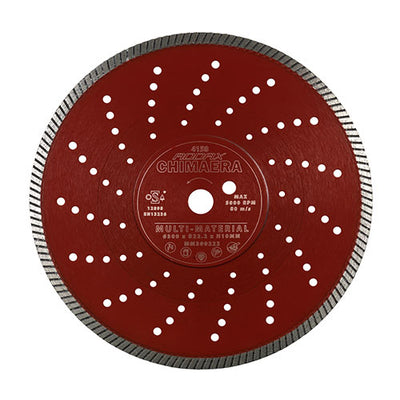
Segmented blades have gaps between the diamond segments. These gaps let heat escape during dry cutting. They are ideal for concrete, brick, and block. Segmented diamond cut saw blades are a popular choice on site. They cut fast and handle rough materials well. Specific options include TIMCO General Purpose Diamond Blade Segmented - 300 x 20.0.
Continuous Rim Diamond Blades
Continuous rim blades have no gaps around the edge. They give a very smooth, chip-free cut. Best used for cutting ceramic tiles, porcelain, and marble. They usually need water cooling to prevent overheating. Perfect for tiling work where clean edges matter.
Turbo Diamond Blades
Turbo blades combine speed with a decent finish. The serrated turbo edge cuts faster than a continuous rim. They are suited to general-purpose cutting in brick and concrete. A good all-round diamond blade for trade use. Available for both wet and dry cutting.
Diamond Cutting Discs for Angle Grinders
These thin cutting wheels fit standard angle grinders. They cut through concrete, stone, and masonry quickly. Diamond cutting discs are ideal for tight spaces and detail work. Lightweight and easy to handle on site. Always check the disc is rated for your grinder speed.
Roof Tile Diamond Blades
Roof tiles are hard and brittle. Standard blades chip and crack them badly. Roof tile diamond blades are specially designed for this task. They cut cleanly through fibre cement, concrete tiles, and slate. A must-have for roofing contractors across the UK.
Abrasive Cutting Wheels
Abrasive cutting wheels are not diamond-bonded. They use aluminium oxide or silicon carbide to cut. Suited to cutting metal, steel bar, and pipework. They wear down over time as they cut. Good value for high-volume metal cutting tasks.
Match Your Blade to the Material You Are Cutting
Picking the right blade for the right material is very important. The wrong match causes poor cuts, early blade wear, and safety risks.
| Material | Recommended Blade Type | Wet or Dry? |
|---|---|---|
| Concrete slabs and blocks | Segmented diamond blade | Dry or wet |
| Ceramic and porcelain tiles | Continuous rim diamond blade | Wet preferred |
| Brick and clay pavers | Segmented or turbo diamond blade | Dry |
| Natural stone and granite | Turbo or continuous rim blade | Wet preferred |
| Roof tiles (fibre cement or concrete) | Roof tile diamond blade | Dry |
| Asphalt and tarmac | Asphalt-rated segmented diamond blade | Dry or wet |
| Steel and metal bar | Abrasive metal cutting wheel | Dry |
If in doubt, check the product label for the approved materials list. Using a blade on the wrong surface voids its performance rating.
Find the Right Blade for Your Cutting Task
Different jobs call for different blades. Here is a simple guide to help you pick the right one.
Cutting Concrete and Slabs
Use a segmented diamond saw blade for dry cutting. A 230mm or 300mm blade suits most cut-off saws. For hand-held angle grinders, a 115mm or 125mm diamond cutting disc works well. Always wear dust protection when cutting concrete dry.
Cutting Floor and Wall Tiles
Use a continuous rim diamond blade for porcelain and ceramic. Wet cutting gives the cleanest finish. It also reduces dust, which is important in enclosed spaces. For porcelain specifically, a premium continuous rim blade is worth the cost.
Cutting Brick and Masonry
A turbo diamond blade handles brick and block cutting well. It is faster than a continuous rim and gives an acceptable finish. Good for groundworkers and bricklayers working at pace on site.
Cutting Roof Tiles
Roof tile cutting needs a blade rated for abrasive materials. Concrete and fibre cement roof tiles blunt standard blades fast. A purpose-made roof tile diamond blade gives clean cuts every time.
Cutting Natural Stone
Natural stone varies a great deal in hardness. Granite is very hard and needs a premium diamond blade. Sandstone is softer and suits a standard segmented blade. Always wet cut stone where possible to reduce dust and heat.
Cutting Steel and Pipework
Diamond blades are not suitable for steel cutting. Use an abrasive metal cutting wheel instead. These are rated for angle grinders and cut-off tools. They cut through bar, tube, and sheet metal quickly.
Wet Cutting vs Dry Cutting with Diamond Blades
Both methods work well when you use the right blade. The main differences are heat control, dust, and blade life.
Dry cutting uses the gaps in segmented blades to keep heat low. No water supply is needed, which makes it faster to set up on site. It produces more dust, so you must use proper RPE (respiratory protective equipment). Dry cutting is common for outdoor work with brick, block, and concrete.
Wet cutting uses water to cool the blade and suppress dust. It gives a cleaner cut and extends blade life. Wet cutting is preferred for tiles, stone, and indoor work. Make sure the blade is rated for wet use before adding water.
Safety note: Silica dust from cutting concrete, stone, and brick is harmful. Always use dust suppression or wet cutting when possible. Wear a FFP3-rated dust mask for dry cutting on site. UK HSE regulations require proper dust control on construction sites.
Diamond Blade Size Guide for UK Tools
Diamond blades come in several common sizes. Each size suits a different type of tool. Always match the blade size to your tool's arbor and guard size.
| Blade Diameter | Typical Tool | Common Use |
|---|---|---|
| 115mm | Small angle grinder | Detail cutting, tile trimming |
| 125mm | Standard angle grinder | General masonry, brick, and tile cutting |
| 180mm | Large angle grinder | Deeper cuts in slabs and block |
| 230mm | Large angle grinder or cut-off saw | Cutting concrete slabs and pavers |
| 300mm | Floor saw or cut-off saw | Road cutting, deep concrete work |
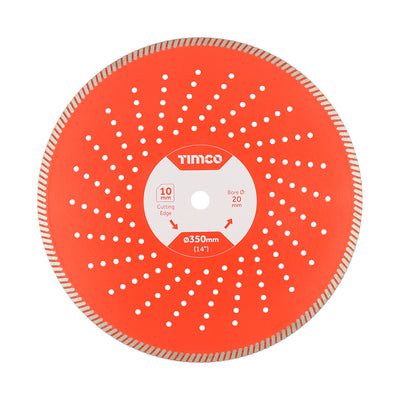
| 350mm+ | Table saw or floor saw | Heavy-duty site cutting tasks |
Check your tool manual for the maximum blade size it accepts. Never fit a blade that is larger than the guard allows.
Diamond Blade Safety on UK Building Sites
Diamond blades spin at very high speeds. Safe use matters on every single cut.
Check the RPM Rating
Every diamond blade has a maximum RPM stamped on it. Your tool must not exceed that speed. Running a blade above its rated speed can cause it to shatter. This is a serious injury risk.
Inspect Before Every Use
Check the blade for cracks, chips, or missing segments before use. Never use a damaged blade. A damaged diamond cutting disc can break apart during use. Replace any blade that looks worn or damaged.
Use the Correct Guard
Always fit the blade guard supplied with your tool. Never remove or bypass the guard. The guard contains debris and protects you if the blade breaks.
Wear Proper PPE
Always wear eye protection, gloves, and a dust mask. For dry cutting, use a FFP3 mask as a minimum. Hearing protection is also recommended for prolonged cutting. Safety boots protect against falling debris.
Never Side-Cut with a Diamond Blade
Diamond blades are made for straight, forward cutting only. Do not use them for grinding or side cutting. This can cause the blade to crack or shatter without warning. Use a grinding disc for surface work instead.
Let the Blade Do the Work
Do not force the blade through the material. Apply steady, light pressure and let the diamond segments cut. Forcing the blade causes overheating and reduces blade life. It also increases the risk of the blade binding or kicking back.
Get the Right Diamond Blade for Your Job
Use the filters above to narrow down by blade type, diameter, and material. Check individual product pages for maximum RPM, bore size, and approved materials before ordering.
Whether you need a segmented diamond cut saw blade for concrete, a continuous rim blade for tiles, a turbo blade for brick, or an abrasive cutting wheel for metal, this range covers the most-used diamond blades and cutting wheels for trade and DIY across the UK.
For cutting tools and power tool accessories, see our power tool accessories range. For site safety and PPE, visit our PPE and safety section.
Frequently Asked Questions
What is a diamond blade used for?
A diamond blade is used for cutting hard materials like concrete, brick, stone, and tile. The blade edge has bonded diamond segments that grind through the material. Standard steel blades cannot cut these materials cleanly or efficiently.
Can I use a diamond blade on an angle grinder?
Yes. Diamond cutting discs are made specifically for angle grinders. Always check the blade's maximum RPM matches your grinder's speed. Use the correct size blade for your grinder's guard.
What is the difference between a segmented and a continuous rim diamond blade?
Segmented blades have gaps between the diamond sections. They are for dry cutting concrete and brick. Continuous rim blades have no gaps. They give a chip-free finish and are best for tiles and stone. Wet cutting is often recommended for continuous rim blades.
Can diamond blades cut wet and dry?
Some diamond blades are rated for both wet and dry cutting. Others are dry-only. Always check the product label before adding water. Using a dry-only blade with water can weaken the bond holding the diamond segments.
How long does a diamond blade last?
Diamond blade life depends on the material being cut and how the blade is used. Cutting very hard materials like granite wears the blade faster. Using the correct blade for the material and not forcing it will extend its life.
Can I use a diamond blade to cut metal or steel?
No. Diamond blades are not suitable for cutting steel or ferrous metals. Use an abrasive metal cutting wheel for steel, bar, and pipework. Using a diamond blade on metal can damage the blade and is a safety risk.
What size diamond blade do I need for a standard angle grinder?
Most standard 115mm and 125mm angle grinders take 115mm or 125mm diamond blades. Larger angle grinders take 180mm or 230mm blades. Always check your tool's guard size and maximum blade diameter in the manual.
Are diamond blades safe to use without water when cutting concrete?
Segmented diamond blades are designed for dry cutting concrete. However, dry cutting produces harmful silica dust. You must wear a FFP3 dust mask and ensure good ventilation. Wet cutting or dust suppression is always the safer option under UK HSE guidance.
Related Products and Tools
Diamond blades are often used alongside other site tools and consumables. See our power tool accessories for grinding discs and cutting attachments.
For site safety equipment to use alongside cutting work, see our PPE and safety range.