5 products
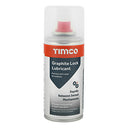
Spray Lubricants
spray-lubricants
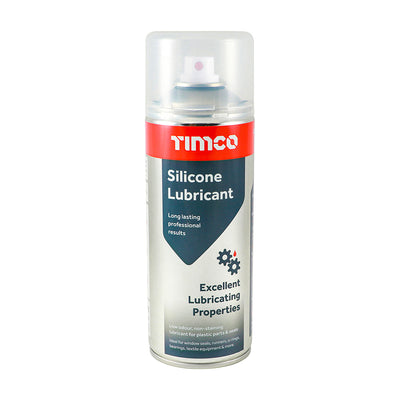
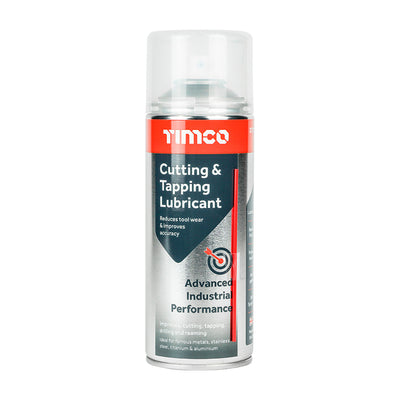
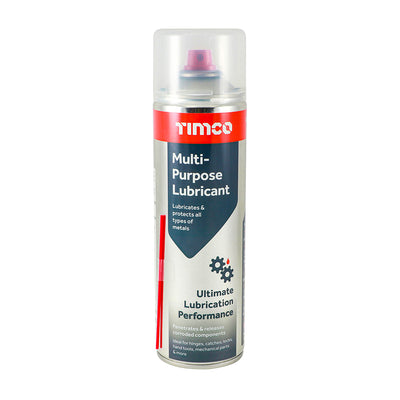
Spray Lubricants That Actually Stop Squeaks and Sticking
A stiff bolt, a squeaky hinge, or a rusted mechanism can slow any job down. The right spray lubricant sorts it in seconds. Here you will find professional-grade spray lubricants suited to trade and DIY use. This includes silicone-based lubricant sprays, penetrating oils, dry film lubricants, and more. All products are picked for reliability and performance in real working conditions across the UK.
What Are Spray Lubricants Used For?
Spray lubricants reduce friction between moving parts. They also displace moisture and prevent corrosion. They are used across many trades and industries in the UK.
A good lubricating spray gets into tight spaces fast. It forms a protective film on metal, plastic, rubber, and other surfaces. This keeps parts moving freely and reduces wear over time.
Spray lubricants are used by electricians, plumbers, mechanics, maintenance engineers, and DIY users. Common jobs include freeing seized bolts, lubricating hinges, protecting cables, and maintaining tools.
Quick tip: Always clean the surface before applying a spray lubricant. Dirt and old grease mixed with a new lubricant can cause more harm than good. A clean surface gives better adhesion and longer protection.
Types of Spray Lubricants Available
Not every spray lubricant is the same. Each type is designed for specific surfaces and tasks. Picking the right one makes a real difference to performance and longevity.
Silicone-Based Lubricant Spray
A lubricating silicone spray is one of the most versatile products available. It works on rubber, plastic, metal, and vinyl without causing damage. It repels water and prevents sticking. Ideal for rubber seals, drawer runners, window frames, and plastic trim. It leaves a clear, non-greasy film after application.
Penetrating Oil Spray
Penetrating oils are designed to break down rust and corrosion. They work into tight threads and seized joints to free them. Useful for rusted bolts, corroded nuts, stuck hinges, and seized mechanisms. These are a must-have on any trade van or site toolbox.
Dry Film Lubricant Spray
Dry film lubricants leave a solid coating rather than a wet residue. They do not attract dust or grit. Good for locks, sliding mechanisms, and conveyor systems. The dry finish means they are useful in dusty environments. They last longer than wet lubricants in high-debris areas.
Multi-Purpose Lubricant Spray
A multi-purpose lubricant spray handles a wide range of everyday tasks. It lubricates, protects against rust, displaces moisture, and loosens stiff parts. This type is a reliable everyday option for trade use. Great for tools, hinges, fixings, and general maintenance work.
Chain and Cable Lubricant Spray
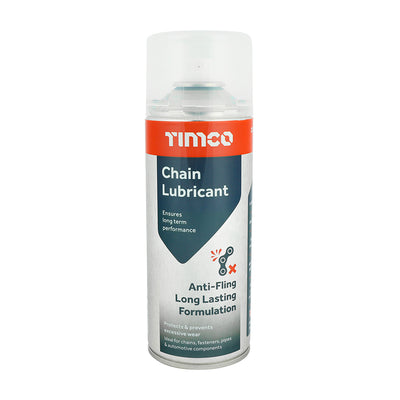
Chain and cable lubricants are designed to penetrate link gaps and strands. They cling to the surface and resist fling-off at speed. Used on bike chains, industrial chains, wire ropes, and control cables. They reduce wear and extend service life on moving chain systems.
PTFE Lubricant Spray
PTFE lubricant sprays use polytetrafluoroethylene to create a very low-friction surface. They work at a wide temperature range and resist chemicals. Suitable for plastic parts, metal guides, and precision mechanisms. A PTFE spray is a strong alternative to silicone spray in some applications.
Which Lubricant Spray Works on Which Surface?
Using the wrong lubricant on the wrong surface can cause damage. Rubber seals can swell if the wrong product is used. Some sprays leave residue that attracts grime to precision parts. Use this table to match the right product to your surface.
| Surface or Material | Best Lubricant Type | Notes |
|---|---|---|
| Rubber Seals and Gaskets | Silicone-based lubricant spray | Safe on rubber; does not cause swelling or degradation |
| Plastic Parts and Trim | Silicone spray or PTFE spray | Avoid petroleum-based sprays; they can crack some plastics |
| Metal Hinges and Bolts | Penetrating oil or multi-purpose spray | Use penetrating oil for seized parts; multi-purpose for general maintenance |
| Locks and Latches | Dry film or PTFE spray | Wet lubricants attract grit and clog lock mechanisms over time |
| Chains and Wire Ropes | Chain lubricant spray | Must cling during rotation; standard sprays fling off quickly |
| Electrical Components | Contact cleaner or dry film spray | Never use wet or conductive sprays near live electrics |
| Wooden Drawer Runners | Silicone spray | Does not stain wood and reduces stick without soaking in |
Always read the product label before use. Check that the spray is compatible with your specific material. This avoids damage and ensures the best performance.
Why Silicone Spray Is So Widely Used in the UK
A lubricating silicone spray is one of the most trusted products in the trade. It is safe on a huge range of materials. It does not stain. It dries clear.
Silicone-based lubricant spray creates a thin, slippery film. This film reduces friction and repels water at the same time. It works in temperatures from around minus 40 degrees to over 200 degrees Celsius. That makes it useful in many environments, from freezing garages to hot engine bays.
It is commonly used for rubber seals on car doors, window and door frames, uPVC runners, zip fasteners, rubber grommets, and flexible hoses. It is also used by carpenters to stop drawers and sliding parts from sticking.
Important: Do not use silicone spray on surfaces that need to be painted or bonded. Silicone prevents paint from sticking. It also stops adhesives from bonding properly. If in doubt, wipe the area clean with a solvent before applying paint or glue.
Silicone Spray vs Penetrating Oil: Which Do You Need?
These are two of the most searched lubricant sprays in the UK. They do different jobs. Here is a clear breakdown to help you decide.
Use Silicone Spray When...
You need to reduce friction on rubber, plastic, or vinyl. You want a clean, non-greasy finish. You are lubricating drawer runners, rubber seals, or uPVC window parts. You want water repellency on a surface. The surface must stay clean and dust-free after application.
Use Penetrating Oil When...
You have a rusted or seized bolt, nut, or fitting. You need to break down corrosion fast. You are working on metal parts exposed to weather or water. You need to free a stuck mechanism before lubricating it. The part has not moved in months or years.
In many cases, you use both. Apply penetrating oil first to free the part. Then apply a suitable maintenance lubricant to keep it moving. Penetrating oil is not a long-term lubricant. It is a release agent.
How to Get the Best Results from a Lubricant Spray
The spray itself is only part of the job. Good preparation and correct technique make a big difference.
Clean Before You Spray
Remove old grease, grime, and rust before applying any lubricant. Old residue mixed with new lubricant reduces effectiveness. A clean surface allows proper contact and better protection.
Use the Straw Nozzle
Most spray lubricants include a thin plastic straw that clips onto the nozzle. Use it to direct the spray into tight spaces, threads, and joints. This avoids overspray and wastes less product.
Apply in Thin Coats
More is not always better with lubricant sprays. A thin, even coat is usually more effective than a heavy soaking. For stuck parts, apply and leave for a few minutes before working the joint.
Ventilate the Work Area
Most spray lubricants produce vapour when applied. Always work in a well-ventilated area or outdoors. Avoid breathing in the mist, especially in enclosed spaces. Wear gloves if applying to a large area.
Wipe Away Excess
After applying, wipe away any excess with a clean rag. Excess lubricant on floors or surrounding surfaces can be a slip hazard. On precision parts, excess spray can attract dirt and clog mechanisms.
Store Cans Properly
Keep aerosol lubricant cans away from heat sources and direct sunlight. Store at room temperature in a well-ventilated area. Never puncture, crush, or incinerate aerosol cans, even when empty.
Common Trade Uses for Spray Lubricants in the UK
Spray lubricants are used across almost every trade. Here is how different industries use them.
| Trade or Industry | Common Uses | Recommended Type |
|---|---|---|
| Plumbing | Freeing seized pipe joints, lubricating rubber seals | Penetrating oil, silicone spray |
| Electrical | Cable pulling, protecting terminals from moisture | Silicone spray, dry film spray |
| Carpentry and Joinery | Drawer runners, hinges, saw blades | Silicone spray, dry film lubricant |
| Automotive and Fleet | Door hinges, rubber seals, cables, locks | Silicone-based lubricant spray, PTFE spray |
| Facilities Maintenance | Door mechanisms, access panels, gate hardware | Multi-purpose spray, penetrating oil |
| Manufacturing and Engineering | Guides, rails, precision moving parts | PTFE spray, dry film lubricant |
| DIY and Home Improvement | Squeaky hinges, stiff locks, uPVC frames | Multi-purpose spray, silicone spray |
For specialist jobs, always check that the spray you pick is rated for that specific task. Some sprays carry approvals for food-safe or high-temperature environments. Check the product data sheet if you have any doubt.
Find the Right Spray Lubricant for Your Job
Use the filters above to narrow by lubricant type, pack size, and application. Check each product page for full technical data, surface compatibility, and safety information before ordering.
Whether you need a lubricating silicone spray for rubber seals, a penetrating oil for seized bolts, a dry film lubricant for lock mechanisms, or a PTFE spray for precision parts, you will find the right product here. All options are suited to trade and professional use in the UK.
For related maintenance products, see our adhesives and sealants range. For cutting and drilling fluids, visit our cutting fluids section.
Frequently Asked Questions About Spray Lubricants
What is a silicone-based lubricant spray used for?
A silicone-based lubricant spray is used to reduce friction and repel moisture on rubber, plastic, vinyl, and metal surfaces. It is safe on rubber seals and does not cause swelling or degradation. Common uses include uPVC window runners, car door seals, drawer runners, and zip fasteners.
Can I use silicone spray on rubber seals?
Yes. Silicone spray is one of the safest lubricants for rubber seals and gaskets. It does not cause rubber to swell or crack. It also repels water, which helps keep seals in good condition for longer.
What is the difference between silicone spray and penetrating oil?
Silicone spray reduces friction and repels water. It is used for maintenance and protection. Penetrating oil breaks down rust and corrosion to free seized parts. They are different products for different tasks and are often used together.
Is silicone spray safe to use on plastic?
Yes. Silicone spray is one of the few lubricants safe to use directly on plastic. Petroleum-based sprays can crack or discolour some plastics. Always check the product label if you are using it on a specialist plastic component.
Can I use a spray lubricant to free a seized bolt?
Yes, but use a penetrating oil rather than a standard lubricant spray. Penetrating oils are designed to work into corroded threads and break down rust. Apply, leave for several minutes, then attempt to turn the bolt. Repeat if needed before applying force.
What spray lubricant should I use for a stiff door lock?
Use a dry film or PTFE lubricant spray for door locks. Wet lubricants attract grit and dust inside lock mechanisms. Over time, this causes the lock to become stiffer, not smoother. A dry film spray lubricates without leaving a sticky residue.
Are spray lubricants safe to use indoors?
Most spray lubricants are safe to use indoors if you ventilate the area properly. Open windows and doors before spraying. Avoid breathing in the mist. Some products carry low-VOC or water-based formulas if ventilation is limited. Always read the safety data sheet before use.