10 products
Building Tapes
building-tapes
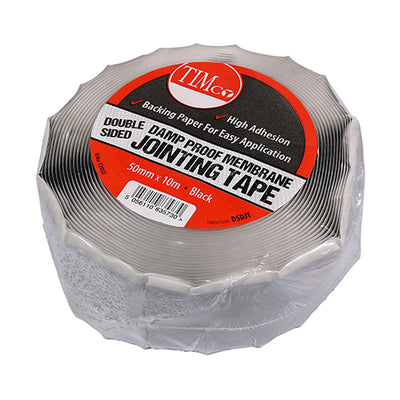
TIMCO Double Sided Damp Proof Membrane Jointing Tape - 10m x 50mm
- Pack quantity
- 1 Each
- Price
- £12.58Incl. VAT

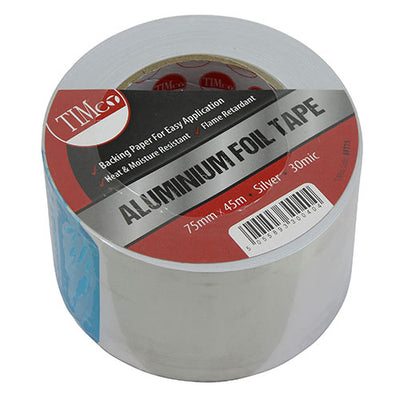
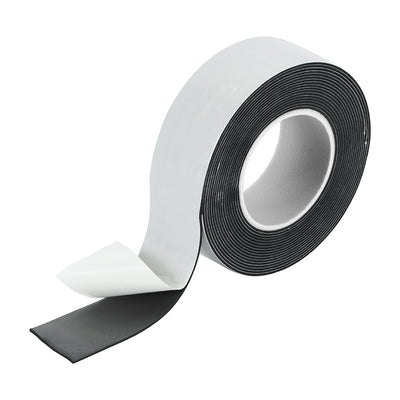
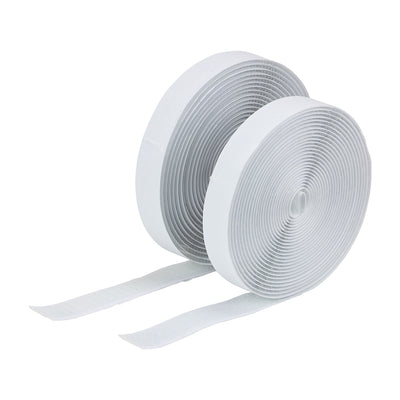
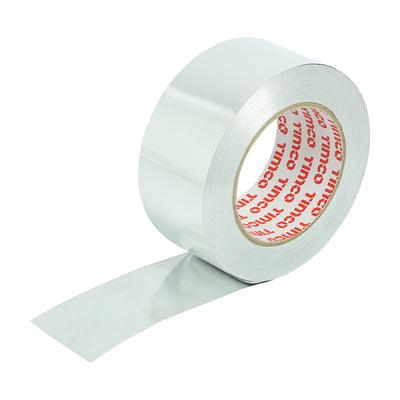
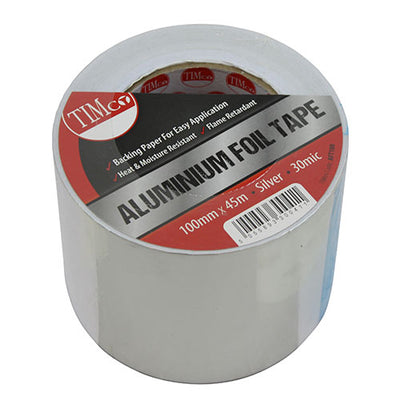
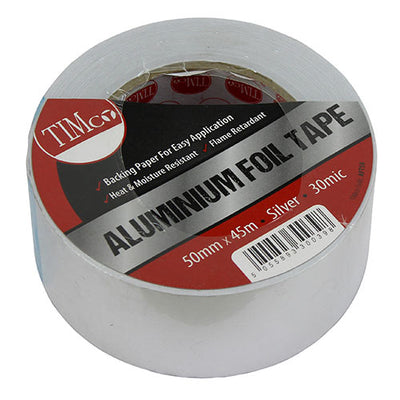
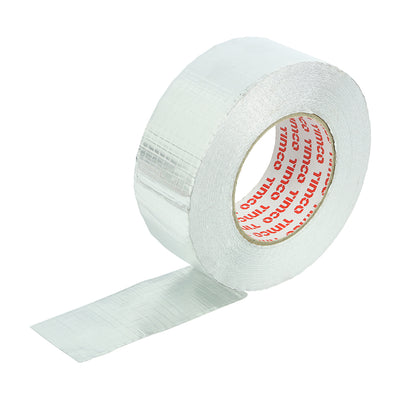
TIMCO Aluminium Foil Tape Extreme Temperature - 45m x 50mm
- Pack quantity
- 1 Each
- Price
- £6.34Incl. VAT
Building Tapes for Trade and DIY
The wrong tape on a building job can cost you time and money. It can let in air, moisture, and noise where they should not be. Building tapes are designed for construction work. They bond, seal, and protect in ways that ordinary tape cannot. Here you will find professional building tapes suited to UK sites and home improvement projects. This covers jointing tape, vapour barrier tape, self-adhesive flashing tape, and more. Each tape is matched to a real job on site.
What Are Building Tapes?
Building tapes are specialist adhesive tapes made for construction use. They are stronger and more durable than standard craft or packing tape. They grip to surfaces like plasterboard, foil, vapour membranes, and concrete.
Construction adhesive tapes serve many different purposes on site. Some seal joints in insulation boards and vapour control layers. Others bond flashing around windows, doors, and roof edges. Some are used as joint tape for drywall and plastered surfaces.
These tapes are not interchangeable. Each type is engineered for a specific task. Using the wrong tape in the wrong place leads to failure. It can void warranties on insulation systems and breathable membranes too.
Trade tip: Always clean and dry the surface before applying building tape. Dust, moisture, or grease on the surface weakens the bond. On cold days, warming the surface slightly helps the adhesive grip faster.
Types of Building Tapes and Uses
Different building tapes are made for different jobs. Here is a clear guide to the main types and when to use them.
Joint Tape for Drywall
Joint tape for drywall is used to reinforce plasterboard joints. It is pressed into jointing compound along the seam. This stops cracks from forming as the wall dries and settles. Paper joint tape and fibreglass mesh tape are both common types. Paper tape gives a flatter finish. Mesh tape is easier to apply by hand. Both types work with standard jointing compounds and filler.
Vapour Barrier Tape
Vapour barrier tape seals laps and joints in vapour control layers. It stops warm, moist air from passing through the membrane. This is critical in insulated roofs, walls, and floors. Without a proper seal, moisture can build up inside the construction. It must be compatible with the vapour control layer being used. Always follow the membrane manufacturer's tape recommendations.
Self-Adhesive Flashing Tape
Flashing tape seals around window and door openings. It bonds to timber, masonry, render, and concrete. It creates a waterproof barrier at vulnerable junctions. Butyl and lead-free aluminium versions are both available. Flashing tape is also used on flat roofs and around pipe penetrations. It is a key part of any airtight or weatherproof building envelope.
Breather Membrane Tape
Breather membrane tape is used to seal overlapping sections of breathable roofing or wall membrane. It allows moisture vapour to pass out but stops liquid water getting in. The tape must be compatible with the membrane it joins. It is a critical part of any properly detailed timber frame or cavity wall system.
Foil and Insulation Tape
Foil tape seals joints in rigid insulation boards. It is also used on foil-faced ductwork and pipe insulation. It has a reflective surface that resists heat transfer. This tape is common in loft insulation, underfloor heating systems, and MVHR ductwork. It bonds well to foil, polystyrene, and aluminium surfaces.
Double-Sided Construction Tape
Double-sided tape is used where two surfaces need bonding without visible tape. It is used to fix vapour membranes, underlays, and acoustic matting. It also bonds carpet threshold strips and flooring overlays. Choose a version rated for the load and surface type you are working with.
Matching the Right Tape to the Job
Not all construction adhesive tapes work on every surface. Getting the right match saves time and prevents failures later.
| Tape Type | Key Use | Typical Surface |
|---|---|---|
| Drywall Joint Tape | Reinforcing plasterboard seams | Plasterboard, jointing compound |
| Vapour Barrier Tape | Sealing vapour control layer laps | Foil, polythene, vapour membrane |
| Flashing Tape | Weatherproofing window and door reveals | Timber, masonry, render, concrete |
| Breather Membrane Tape | Sealing breathable membrane overlaps | Breather membrane, timber frame |
| Foil / Insulation Tape | Sealing insulation board joints and ductwork | Foil-faced board, polystyrene, aluminium |
| Double-Sided Tape | Bonding underlays, matting, and membranes | Concrete, timber, screed, membrane |
If you are working with a complete insulation or membrane system, check the system specification. Many manufacturers require a specific branded tape to maintain their product warranty.
Using Joint Tape for Drywall Correctly
Drywall jointing is one of the most common tasks in UK building projects. Getting it right depends on using the correct joint tape and technique.
Paper joint tape is the most widely used type. It must be embedded in wet jointing compound. Apply a thin coat of compound first. Lay the tape over the joint. Press it flat with a broad knife. Apply a second coat over the top. Sand smooth once dry.
Fibreglass mesh tape is self-adhesive. Press it directly onto the dry plasterboard joint. Then apply jointing compound over the top. It is quicker to apply but can be harder to finish flat. Mesh tape is popular for patching repairs and small areas.
Important: Do not use fibreglass mesh tape on butt joints without a setting-type compound. Standard ready-mixed compound is not strong enough to prevent cracking at butt joints with mesh tape. Use a harder setting compound for those areas.
Building Tapes and Airtight Construction
Airtight construction is now a key requirement in UK building regulations. Part L of the Building Regulations sets standards for air permeability. Building tapes play a central role in achieving airtight junctions.
Vapour barrier tape, breather membrane tape, and flashing tape are all used in airtight detailing. They seal the gaps where different layers of the building fabric meet. These junctions are where most air leakage happens.
Using the right tape at these points helps meet air pressure test requirements. It also reduces heating bills and improves the comfort of the finished building.
For full airtightness systems, see our range of vapour barriers and membranes. These work together with building tapes for a complete sealed system.
Find the Right Building Tape for Your Project
Use the filters above to sort by tape type, width, and application. Check each product page for the full spec before ordering.
Whether you need joint tape for drywall finishing, vapour barrier tape for insulation sealing, self-adhesive flashing tape for weatherproofing reveals, or foil tape for ductwork and insulation boards, this range covers the most-used construction adhesive tapes for trade and DIY work across the UK.
For fixing products used alongside building tapes, see our masonry and concrete fixings range.
Frequently Asked Questions About Building Tapes
What is the difference between paper and mesh joint tape for drywall?
Paper joint tape must be embedded in wet jointing compound. It gives a flatter, stronger finish. Mesh joint tape is self-adhesive and quicker to apply. However, it can crack at butt joints if used with ready-mixed compound alone. Paper tape is preferred by most professionals for a high-quality finish.
Can I use standard tape instead of a vapour barrier tape?
No. Standard tape does not bond properly to foil or polythene membranes. It also lacks the long-term adhesion needed in sealed construction. Always use a tape specifically designed for vapour control layers.
What is flashing tape used for in construction?
Flashing tape seals around windows, doors, rooflights, and pipe penetrations. It creates a waterproof bond at junctions where the building fabric changes. It is also used on flat roofs to seal upstands and edges.
Does building tape need a primer before applying?
On porous or dusty surfaces, a primer improves adhesion significantly. On smooth surfaces like foil or polythene, primer is usually not needed. Always check the tape manufacturer's guidelines for the surface you are working on.
How wide should joint tape be for plasterboard?
Standard drywall joint tape is 50mm to 52mm wide. This covers most tapered plasterboard joints. For butt joints, which are wider and harder to finish, a wider tape or extra coats of compound are needed.
Are building tapes suitable for outdoor use?
Some are, and some are not. Flashing tape and breather membrane tape are made for outdoor exposure. Drywall joint tape is for internal use only. Foil tape varies depending on the grade. Always check the product specification for outdoor suitability before buying.
What is construction adhesive tape used for?
Construction adhesive tapes bond, seal, and join materials on building sites. They are used on vapour membranes, insulation, plasterboard, flashing, and ductwork. They are stronger and more durable than standard household tape.