153 products
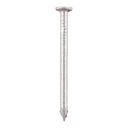
Galvanised Nails
galvanised-nails
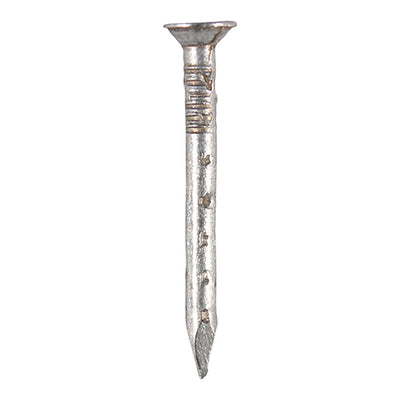
TIMCO Jagged Plasterboard Nails Galvanised - 30 x 2.65 (0.5kg)
- Pack quantity
- 1 Kilograms
- Price
- £2.96Incl. VAT
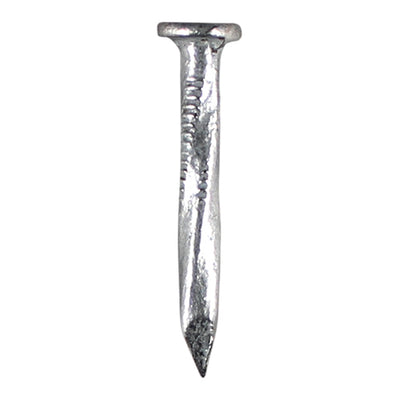
TIMCO Square Twist Nails Galvanised - 30 x 3.75 (0.5kg)
- Pack quantity
- 1 Kilograms
- Price
- £2.23Incl. VAT
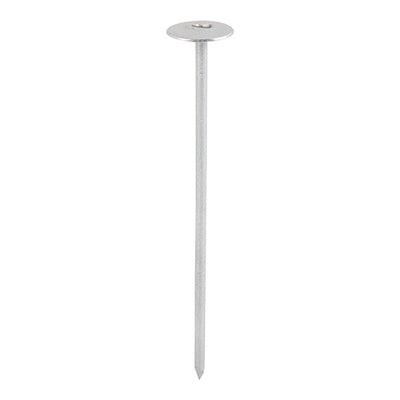
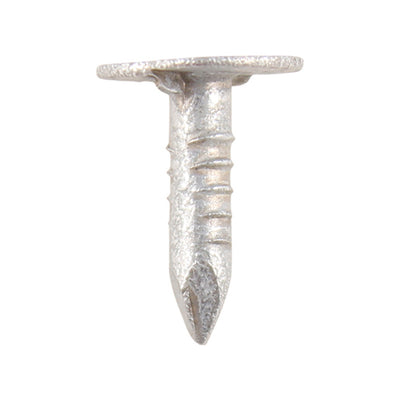
TIMCO Extra Large Head Clout Nails Galvanised - 13 x 3.00 (1kg)
- Pack quantity
- 1 Kilograms
- Price
- £4.44Incl. VAT
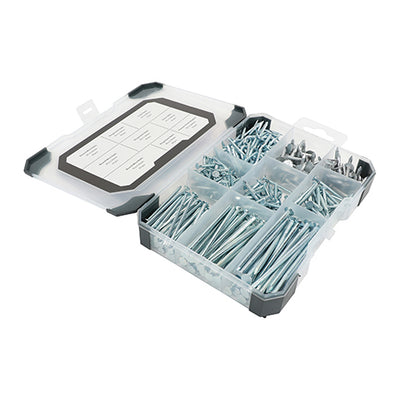
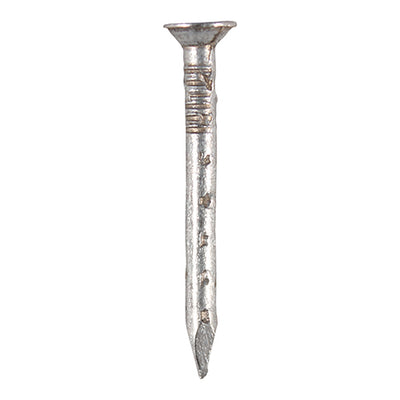
TIMCO Jagged Plasterboard Nails Galvanised - 40 x 2.65 (0.5kg)
- Pack quantity
- 1 Kilograms
- Price
- £2.96Incl. VAT
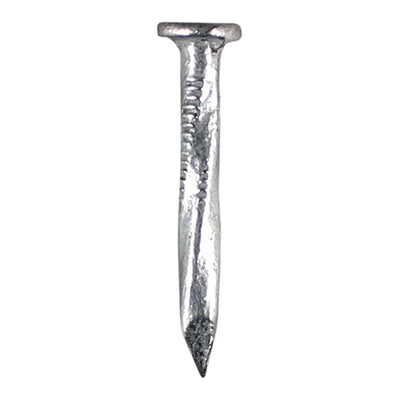
TIMCO Square Twist Nails Galvanised - 40 x 3.75 (0.5kg)
- Pack quantity
- 1 Kilograms
- Price
- £2.23Incl. VAT
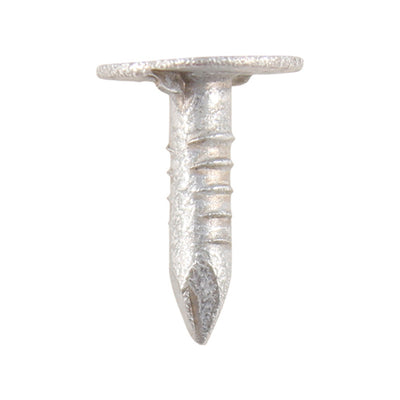
TIMCO Extra Large Head Clout Nails Galvanised - 40 x 3.00 (75pcs)
- Pack quantity
- 75 Pieces
- Price
- £2.05Incl. VAT
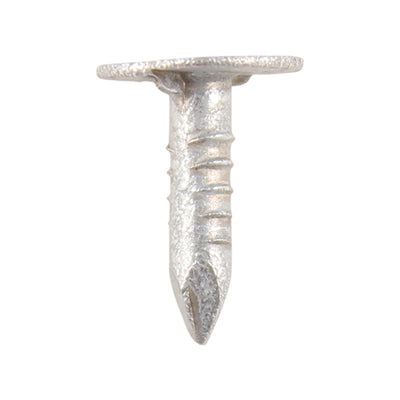
TIMCO Extra Large Head Clout Nails Galvanised - 30 x 3.00 (0.5kg)
- Pack quantity
- 1 Kilograms
- Price
- £2.48Incl. VAT
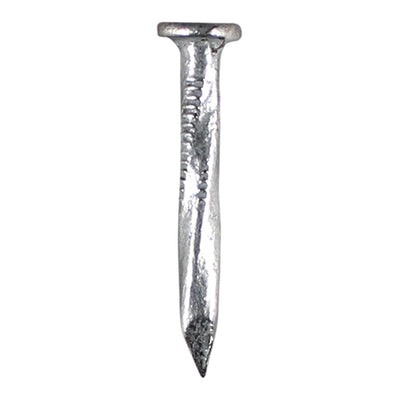
TIMCO Square Twist Nails Galvanised - 40 x 3.75 (2.5kg)
- Pack quantity
- 3 Kilograms
- Price
- £10.28Incl. VAT
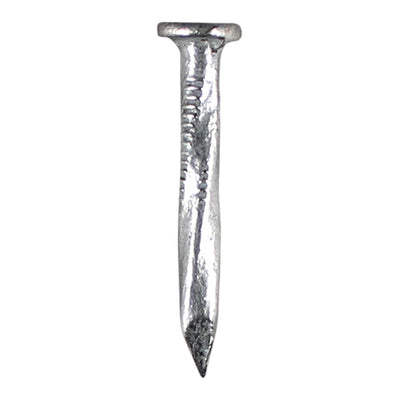
TIMCO Square Twist Nails Galvanised - 30 x 3.75 (1kg)
- Pack quantity
- 1 Kilograms
- Price
- £3.95Incl. VAT
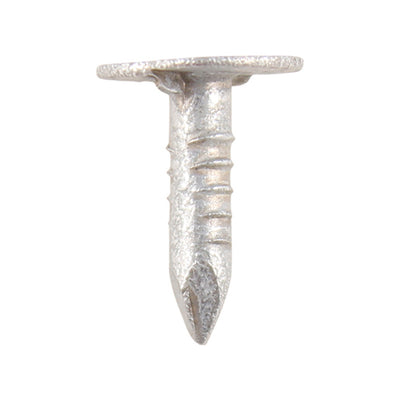
TIMCO Extra Large Head Clout Nails Galvanised - 50 x 3.00 (0.5kg)
- Pack quantity
- 1 Kilograms
- Price
- £2.48Incl. VAT
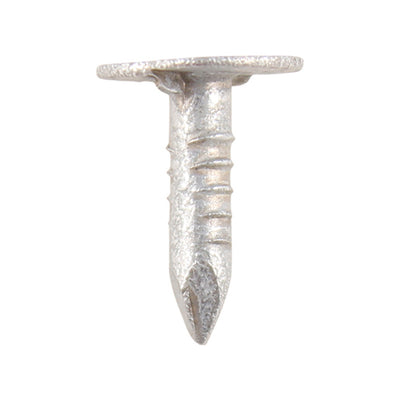
TIMCO Extra Large Head Clout Nails Galvanised - 20 x 3.00 (1kg)
- Pack quantity
- 1 Kilograms
- Price
- £4.44Incl. VAT
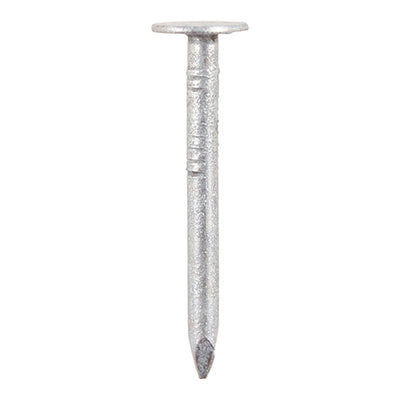
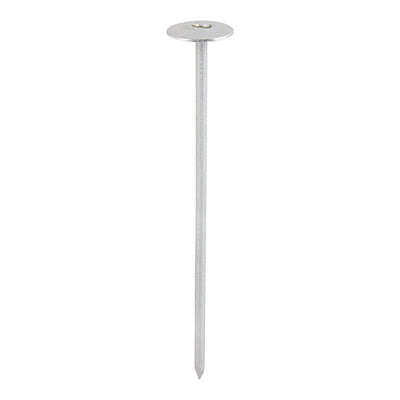
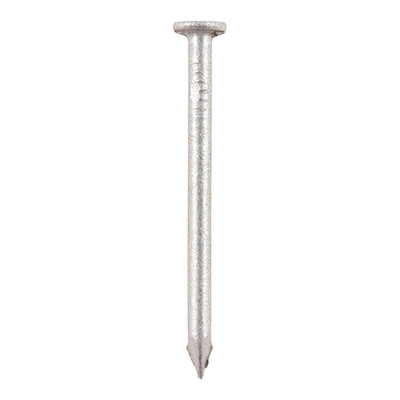
TIMCO Round Wire Nails Galvanised - 150 x 6.00 (2.5kg)
- Pack quantity
- 3 Kilograms
- Price
- £10.04Incl. VAT
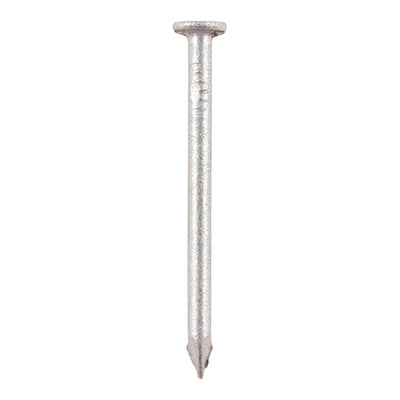
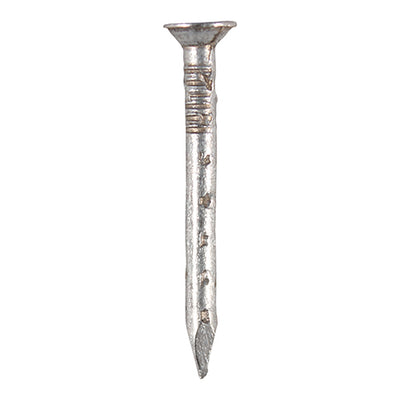
TIMCO Jagged Plasterboard Nails Galvanised - 40 x 2.65 (1kg)
- Pack quantity
- 1 Kilograms
- Price
- £4.70Incl. VAT
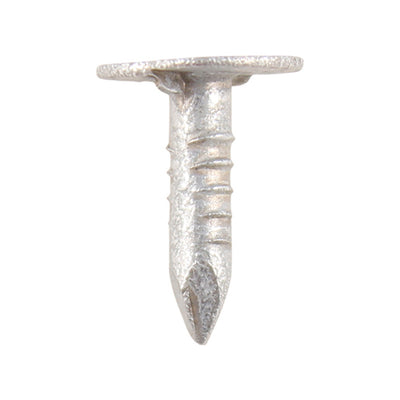
TIMCO Extra Large Head Clout Nails Galvanised - 13 x 3.00 (2.5kg)
- Pack quantity
- 3 Kilograms
- Price
- £10.80Incl. VAT
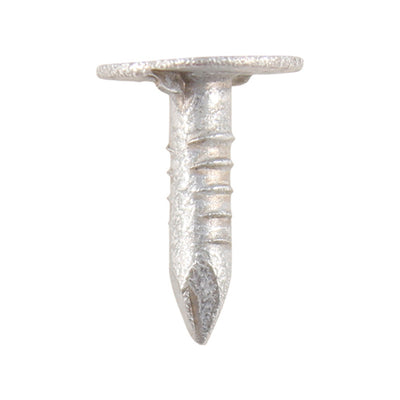
TIMCO Extra Large Head Clout Nails Galvanised - 20 x 3.00 (0.5kg)
- Pack quantity
- 1 Kilograms
- Price
- £2.48Incl. VAT
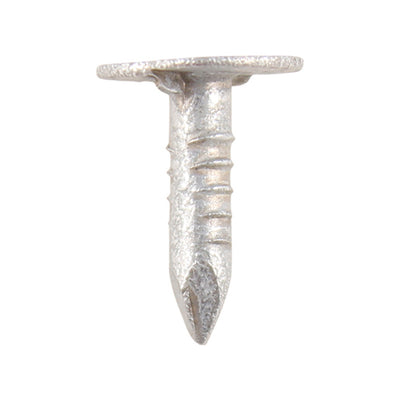
TIMCO Extra Large Head Clout Nails Galvanised - 13 x 3.00 (0.5kg)
- Pack quantity
- 1 Kilograms
- Price
- £2.48Incl. VAT
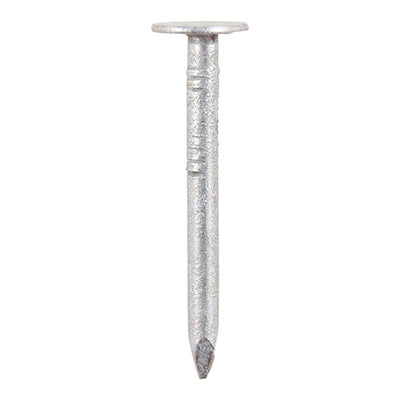
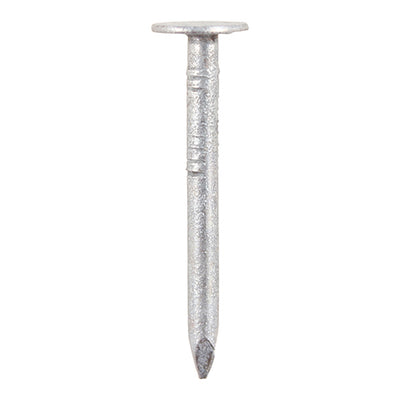
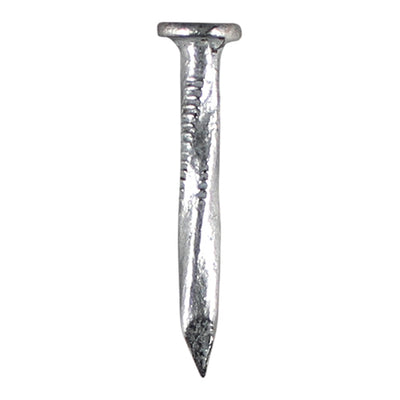
TIMCO Square Twist Nails Galvanised - 30 x 3.75 (2.5kg)
- Pack quantity
- 3 Kilograms
- Price
- £10.04Incl. VAT
Galvanised Nails Built to Last Outdoors
Rust is the enemy of any outdoor nail job. A plain steel nail in a wet UK climate will corrode fast. It stains timber, weakens the fix, and can fail completely. Galvanised nails are coated in zinc to stop corrosion before it starts. This range covers galvanised round wire nails, galvanised roofing nails, galvanised clout nails, and galvanised concrete nails. All are suited to outdoor, structural, and weathered environments across the UK.
Why Galvanised Nails Matter for Work
The UK has a wet, damp climate all year round. Any outdoor fixing must resist moisture to last. Galvanised nails have a zinc coating applied to the steel. This zinc layer acts as a barrier against rust and corrosion.
There are two main types of galvanising. Electro-galvanised nails have a thin zinc coating. They suit light indoor use only. Hot-dipped galvanised nails have a thick zinc coating. They are the right choice for outdoor, exposed, or structural work.
Always use hot-dipped galvanised nails for roofing, fencing, cladding, and decking. Using plain nails outside leads to rust streaks on timber and weak fixings over time.
Quick tip: Hot-dipped galvanised nails are the correct choice for pressure-treated timber. The chemicals in treated wood attack plain steel nails. Only galvanised or stainless steel nails hold up against treated wood over time.
Types of Galvanised Nails in This Range
Different nail types suit different tasks. Here is a guide to what is available and when to use each one.
Galvanised Round Wire Nails
These are the most common type of galvanised nail. They have a smooth shank and a flat round head. They suit general timber joinery, fencing, and outdoor framing. Available in a wide range of lengths and gauges. Ideal for most DIY and trade carpentry tasks.
Galvanised Roofing Nails
Galvanised roofing nails have a large flat head. This wide head holds roofing felt, lead flashing, and bitumen sheets firmly. The hot-dipped galvanised finish resists constant rain and UV exposure. They are the standard nail for roof felt and low-pitched roofing work across the UK.
Galvanised Clout Nails
Clout nails are short with a large diameter head. They are used for fixing roofing felt, sarking boards, and roof battens. The wide head prevents the material from tearing around the nail. Galvanised clout nails resist the moisture found under roof membranes.
Galvanised Concrete Nails
Galvanised concrete nails are hardened steel nails for masonry fixing. They are driven directly into concrete, brick, and blockwork. No drill or anchor is needed for light-duty tasks. The galvanised finish suits damp or humid environments. They suit fixing battens and timber plates to concrete floors and walls.
Galvanised Ring Shank Nails
Ring shank nails have ridges along the shank. These rings grip the timber fibres tightly after driving. They are much harder to pull out than smooth wire nails. Ideal for decking, cladding, and fencing where withdrawal resistance matters.
Galvanised Annular Ring Nails
Annular ring nails are similar to ring shank nails. They offer very high pull-out resistance in structural timber. Often used in flooring, flat roofing decks, and timber frame construction. The hot-dipped galvanised finish makes them suitable for damp conditions.
Which Galvanised Nail to Use for Each Projects
Picking the right nail type saves time and gives a stronger result. Here is a simple guide by task.
Roofing and Roof Felt
Use galvanised clout nails or galvanised roofing nails. The large head holds the felt without tearing it. The galvanised coating handles constant water and UV exposure.
Fencing and Outdoor Structures
Use hot-dipped galvanised round wire nails or ring shank nails. These hold fencing boards and rails firmly. The zinc coating prevents rust staining on timber panels.
Decking and Cladding
Use ring shank or annular ring galvanised nails. High withdrawal resistance stops boards from lifting over time. The galvanised finish protects against wet weather all year.
Pressure-Treated Timber
Only use hot-dipped galvanised or stainless steel nails. The preservative chemicals in treated wood corrode plain and electro-galvanised nails. Hot-dipped galvanised nails resist this chemical reaction well.
Concrete and Masonry Fixing
Use galvanised concrete nails for light-duty fixing into masonry. They are driven in with a hammer without drilling. Suitable for fixing timber sole plates and battens to concrete.
General Joinery and Carpentry
Use galvanised round wire nails for most timber-to-timber fixing. They are available in sizes from 25mm up to 150mm. Suitable for both structural and finishing carpentry tasks.
Electro-Galvanised vs Hot-Dipped Galvanised Nails
Not all galvanised nails are the same. The type of galvanising affects how long the nail lasts outdoors.
Electro-galvanised nails are coated using an electrical process. The zinc layer is thin, usually 5 to 10 microns. They suit dry internal environments only. Avoid them in roofing, fencing, or any outdoor application.
Hot-dipped galvanised nails are dipped into molten zinc. The coating is much thicker, typically 45 to 85 microns. This gives far better corrosion resistance in wet and exposed conditions. Hot-dipped galvanised nails are the correct choice for all outdoor UK work.
| Type | Zinc Coating | Best Use | UK Outdoor Suitability |
|---|---|---|---|
| Electro-Galvanised | 5 to 10 microns | Internal, dry areas | Not recommended |
| Hot-Dipped Galvanised | 45 to 85 microns | Outdoor, roofing, fencing, decking | Highly suitable |
| Stainless Steel | No coating needed | Coastal, chemical, or high-exposure areas | Excellent |
For most UK trade and DIY jobs outdoors, hot-dipped galvanised nails are the standard choice. In coastal areas or highly exposed sites, stainless steel nails give the best long-term result.
Galvanised Nail Sizes and When to Use Them
Nail length should be at least two and a half times the thickness of the timber being fixed. This gives enough grip in the second piece of timber.
| Nail Length | Common Application |
|---|---|
| 20mm to 30mm | Roof felt, thin battens, light cladding |
| 40mm to 50mm | Fencing boards, timber cladding, decking boards |
| 60mm to 75mm | Structural framing, floor joists, roof trusses |
| 90mm to 100mm | Heavy timber frame, stud walls, post and rail fencing |
| 150mm | Large timber sections, outbuilding frames |
Remember: Always use the longest practical nail for the job. A nail that is too short will not hold under load. A nail that is too long may split the timber or break through the other side.
Stock Up on Galvanised Nails for Trade and DIY
Galvanised nails are a daily essential on UK building sites and in gardens. They prevent rust, protect timber, and give reliable fixings that last for years.
This range covers galvanised round wire nails, galvanised roofing nails, galvanised clout nails, and galvanised concrete nails. Pack sizes are available to suit both trade volume and smaller DIY jobs.
For related timber fixings, see our full nails range. For fixing timber into concrete or brick, see our masonry fixings.
Frequently Asked Questions
What are galvanised nails used for?
Galvanised nails are used for outdoor and exposed timber fixing. This includes roofing, fencing, decking, cladding, and structural framing. The zinc coating prevents rust in wet UK conditions.
What is the difference between galvanised and stainless steel nails?
Galvanised nails have a zinc coating on steel. Stainless steel nails are made from corrosion-resistant steel throughout. Stainless steel lasts longer in coastal or chemical environments. For most UK outdoor jobs, hot-dipped galvanised nails are sufficient.
Can I use galvanised nails with pressure-treated timber?
Yes, but only hot-dipped galvanised nails. The preservative chemicals in treated timber corrode electro-galvanised and plain steel nails. Hot-dipped galvanised or stainless steel nails are the correct choice.
What are galvanised roofing nails used for?
Galvanised roofing nails are used to fix roof felt, sarking membranes, and bitumen sheets. Their large flat head holds the material without tearing it. They must be galvanised to resist the constant moisture on roofs.
How do galvanised concrete nails work?
Galvanised concrete nails are hardened steel nails. They are driven directly into concrete, brick, or blockwork with a hammer. No drilling is needed for light-duty fixing. The galvanised finish protects them in damp or humid conditions.
What size galvanised nail do I need?
The nail should be at least two and a half times the thickness of the timber being nailed through. For example, fixing 19mm cladding needs a nail of at least 50mm. Always go longer rather than shorter for a stronger grip.
Are galvanised clout nails the same as roofing nails?
They are similar but not identical. Clout nails are short with a wide head, used for felt, sarking, and slating. Roofing nails tend to be slightly longer and are used for fixing roof sheets and battens. Both should be hot-dipped galvanised for outdoor roofing use.
Related Nails and Fixings
Galvanised nails are often used alongside other fasteners and fixings. See our full nails range for stainless steel, bright, and ring shank nail options.
For fixing timber to concrete or brick, see our masonry fixings range.