22 products
Spacers, Packers & Shims
spacers-packers-shims
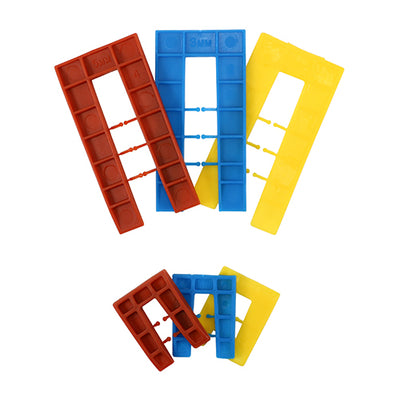
TIMCO Assorted Horseshoe Shims - 1.0, 3.0, 5.0, 6.0mm (100pcs)
- Pack quantity
- 100 Pieces
- Price
- £5.51Incl. VAT
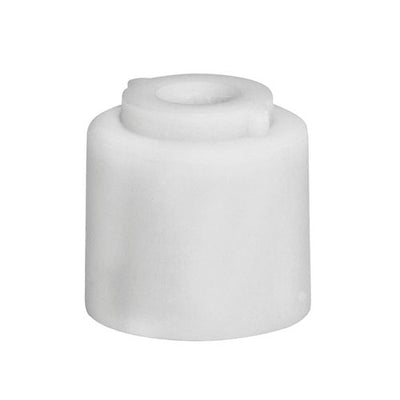
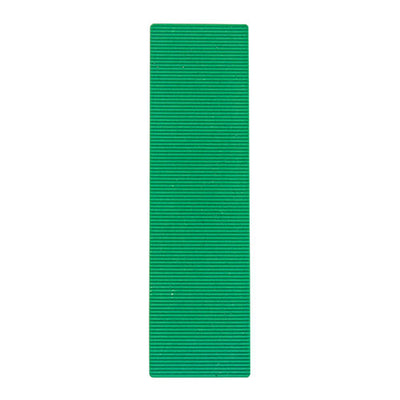
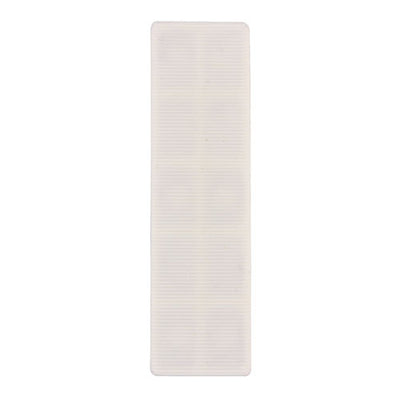
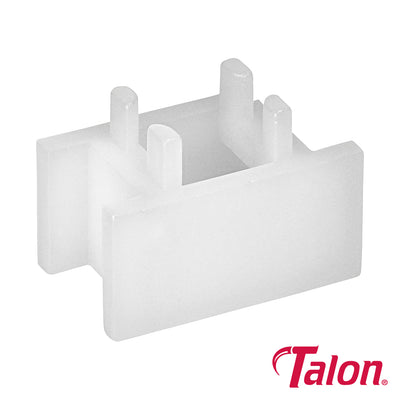
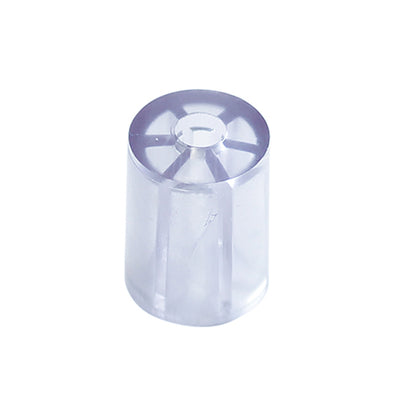
Interlock Hinged Pipe Clip Spacers White - 15mm (100pcs)
- Pack quantity
- 100 Pieces
- Price
- £11.33Incl. VAT
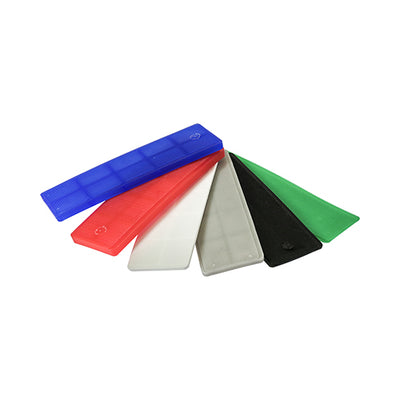
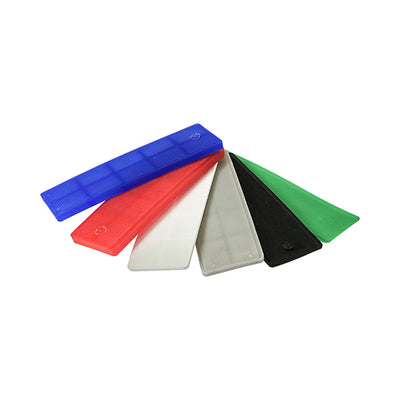
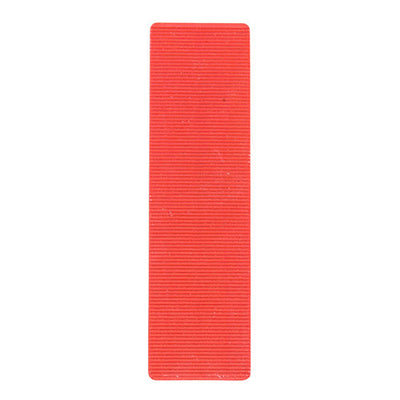
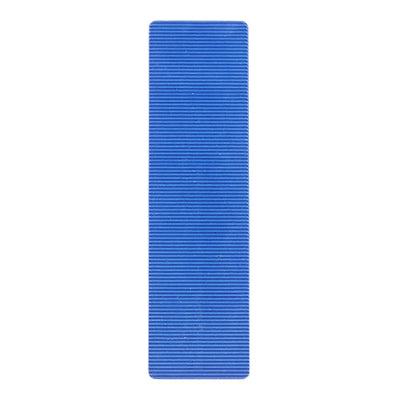
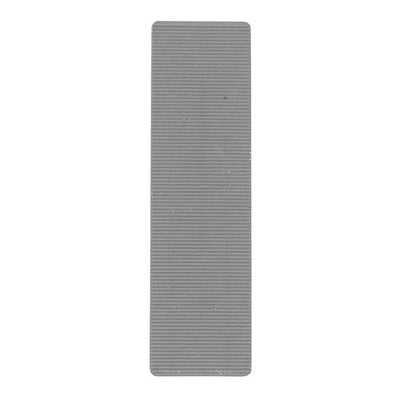
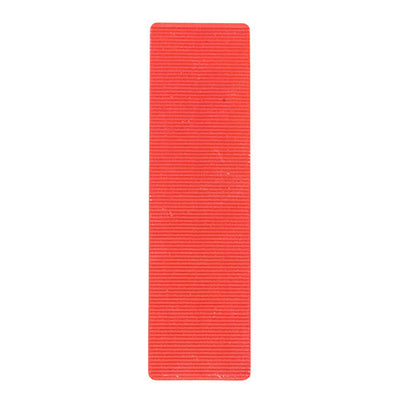
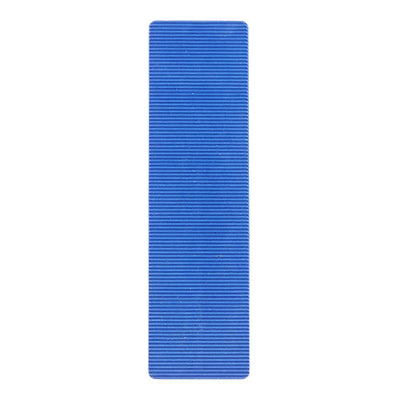
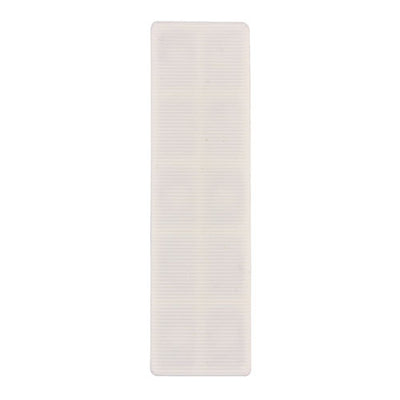
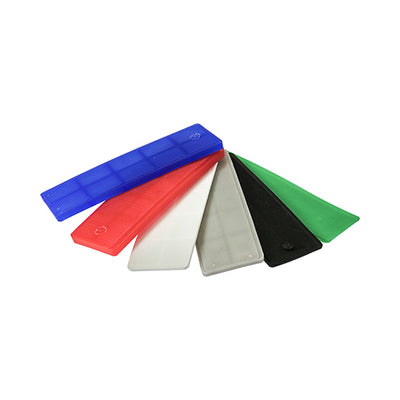
TIMCO Glazing Packers White - 100 x 28 x 3 (1000pcs)
- Pack quantity
- 1000 Pieces
- Price
- £28.28Incl. VAT
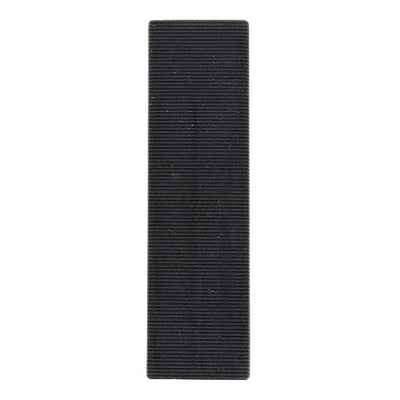
TIMCO Glazing Packers Black - 100 x 28 x 2 (1000pcs)
- Pack quantity
- 1000 Pieces
- Price
- £23.16Incl. VAT
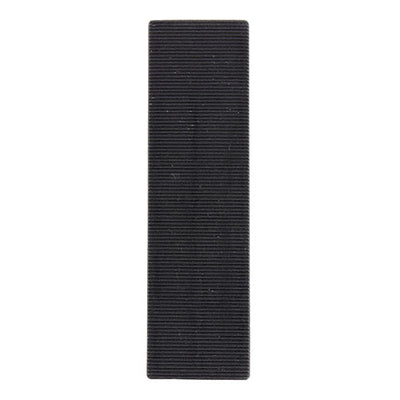
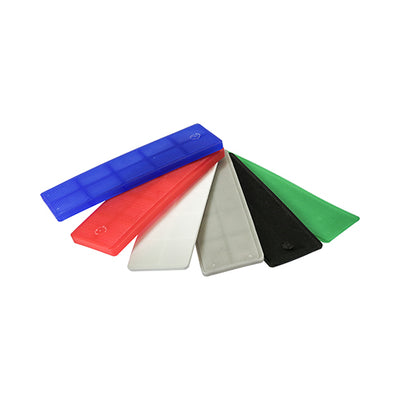
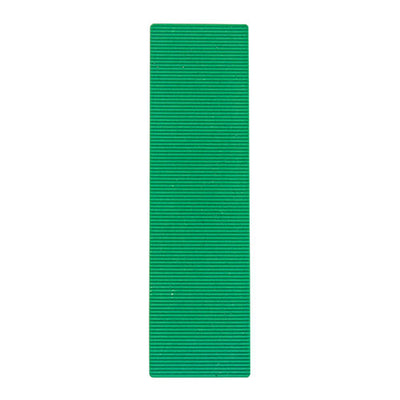
TIMCO Glazing Packers Green - 100 x 28 x 1 (1000pcs)
- Pack quantity
- 1000 Pieces
- Price
- £22.25Incl. VAT
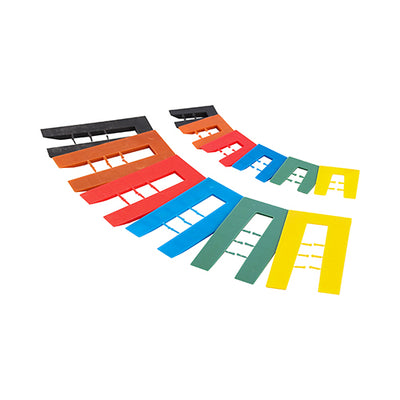
TIMCO Assorted Horseshoe Shims - 1.0 - 6.0mm (400pcs)
- Pack quantity
- 400 Pieces
- Price
- £30.17Incl. VAT
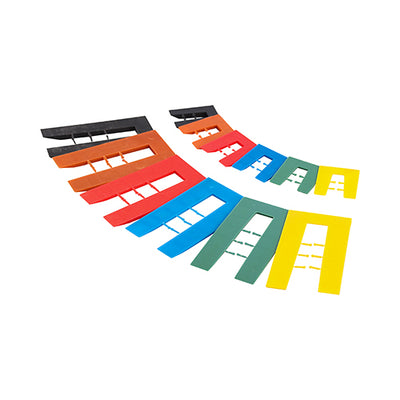
TIMCO Assorted Horseshoe Shims - 1.0 - 6.0mm (200pcs)
- Pack quantity
- 200 Pieces
- Price
- £12.65Incl. VAT
Spacers, Packers & Shims for Trade and DIY
A tiny gap in the wrong place can ruin an entire installation. Doors that won't close. Windows that let in cold air. Tiles that crack. Plastic spacers, packers, and shims fix these problems before they start. This range covers glazing packers, horseshoe shims, tile spacers, and frame packers. All products are built for use across the UK construction and joinery trades. Whether you are a site professional or a home improver, the right size is here.
Why Spacers, Packers, and Shims Matter on Every Job
Most people do not think about packers until something goes wrong. A window that rattles. A door that sticks. A tiled floor that shifts.
Plastic packers and shims create the small, precise gaps you need. They level surfaces. They support frames during installation. They let materials expand and contract without damage.
Good quality plastic shims do not compress, rot, or absorb moisture. That makes them far better than timber offcuts or folded card. They give a consistent thickness every time.
Quick tip: Always use the correct thickness packer for the job. Stacking multiple thin packers is acceptable for fine adjustment. Never use materials that can compress under load.
Types of Spacers, Packers, and Shims
Different jobs need different types of packers and shims. Here is a clear guide to what each product does.
Glazing Packers
Glazing packers support glass units inside window and door frames. They sit at the base and sides of the glass rebate. They keep the glass centred and level within the frame. Made from tough plastic, they do not crush under the weight of glass. Available in various thicknesses, commonly 1mm to 6mm. These are sometimes called glazing blocks or glass packers. Specific options include TIMCO Glazing Packers Green - 100 x 28 x 1 (200pcs), TIMCO Glazing Packers White - 100 x 28 x 3 (200pcs), TIMCO Assorted Glazing Packers - 100 x 28 (1000pcs), TIMCO Assorted Glazing Packers - 100 x 24 (1000pcs).
Horseshoe Plastic Shims
Horseshoe shims are U-shaped plastic packers. They slip around bolts, frames, and fixings without removal. This makes them ideal for quick level adjustments on site. They are used in window frames, door frames, and curtain walling. Horseshoe plastic shims are available in multiple thicknesses. A common choice for fast, accurate shimming on UK building sites.
Frame Packers
Frame packers sit between a door or window frame and the surrounding structure. They fill the gap left during installation. They allow the frame to be plumbed and levelled with precision. Available in flat and horseshoe styles. Used by joiners, window fitters, and door installation teams across the UK.
Tile Spacers
Tile spacers keep grout joints consistent during tiling. They ensure even spacing across walls and floors. Available in cross and T-shaped styles. Standard sizes include 1mm, 2mm, 3mm, and 5mm. Simply push them into place as you lay each tile. Remove or leave in before grouting, depending on the style.
Plastic Wedge Packers
Wedge packers come in pairs and slide against each other. Pushing them together creates a wider, adjustable pack. They are ideal for levelling appliances, frames, and sills. Wedge shims are very useful when the gap is not perfectly even. Widely used in kitchen fitting, door hanging, and floor levelling.
Flat Plastic Packers
Flat packers are solid rectangular plastic strips. They come in set thicknesses for consistent results. Used to level subframes, timber bearers, and steel posts. A simple, reliable product used across many trades. Available in bulk packs for high-volume site use.
Glazing Packers: What They Do and How to Use Them
Glazing packers are one of the most used products in window installation. They keep double glazed units sitting correctly inside the frame.
Without glazing packers, glass can sit unevenly in the rebate. This puts stress on the sealed edge of the unit. Over time, the seal can fail. Condensation then forms inside the glass.
The correct packer placement stops this from happening. Setting blocks go at the base of the glass to take the load. Location blocks go at the sides to prevent lateral movement. Distance pieces sit at the top and bottom of the frame opening.
British Standard guidance: BS 6262 covers glazing for buildings. It recommends the use of setting blocks and location blocks for all glass installations. Always follow the glass unit manufacturer's guidance on packer placement.
Glazing packers are made from polypropylene or HDPE plastic. These materials resist moisture, UV light, and chemicals. They do not shrink, swell, or degrade over time. This is important because they stay in place for the life of the window.
Horseshoe Plastic Shims: A Trade Favourite
Horseshoe shims are used in almost every window and door installation. Their open U-shape means they slide into place without removing bolts or screws.
They are used to adjust the position of a frame while it is still being fixed. This saves time compared to removing fixings and starting again.
Horseshoe plastic shims are available in a wide range of thicknesses. Common sizes include 1mm, 2mm, 3mm, 4mm, 5mm, and 6mm. Stacking multiple shims allows very fine adjustment.
| Thickness | Typical Use | Common Trade Application |
|---|---|---|
| 1mm | Fine adjustment | Glazing rebate alignment, curtain walling |
| 2mm | Minor levelling | Window frame shimming, door alignment |
| 3mm | Standard shimming | Frame packers, general joinery |
| 4mm to 5mm | Larger gap filling | Sub-sill levelling, steel post bases |
| 6mm+ | Heavy adjustment | Structural frame levelling, plant and equipment |
Horseshoe shims are sold in bags and bulk packs. Buying in bulk reduces cost on larger contracts.
Picking the Right Packer or Shim for the Job
Not all packers and shims are the same. The right choice depends on the task, the load, and the gap to fill.
Installing a Window Frame
Use horseshoe plastic shims around the fixings to level the frame. Use flat frame packers to fill the gap between the frame and the wall reveal. Add glazing packers once the glass unit is ready to fit.
Fitting a Door Frame
Use flat plastic packers behind the frame at hinge and lock positions. This keeps the frame plumb and rigid. Horseshoe shims help with quick adjustments during fixing.
Tiling Walls or Floors
Use cross tile spacers for uniform grout joints. Match the spacer size to the grout joint width you want. T-spacers are useful for the edges and borders of a tiled surface.
Levelling Kitchen Units
Plastic wedge packers work well under base units. Slide the two wedge pieces together to raise the unit height. They are adjustable and do not compress under the weight of worktops.
Supporting Glass Panes
Use purpose-made glazing packers, not general packers. Glazing packers are made to the correct Shore hardness for glass support. Using the wrong product can damage sealed unit edges over time.
Levelling Structural Posts or Steels
Use heavy-duty flat packers under steel base plates. Stack packers to reach the correct height. Always use load-rated packers for structural applications.
Why Plastic Packers Are Better Than Timber or Card
On older sites, timber offcuts and folded card were used as packers. This is no longer best practice.
Timber absorbs moisture and can swell or rot over time. Card compresses under load and breaks down quickly. Neither gives a consistent, reliable thickness.
Plastic packers solve all of these problems. They are dimensionally stable and do not change shape under load. They resist moisture, rot, and chemical exposure. They are available in precise, consistent thicknesses.
Important: UK building regulations and many window system warranties require the use of approved plastic packers and shims. Using timber or card may void product warranties. Always check the system manufacturer's installation guide.
Packer and Shim Materials at a Glance
| Material | Load Capacity | Best Used For |
|---|---|---|
| Polypropylene (PP) | Medium to high | Glazing packers, horseshoe shims, frame packers |
| HDPE | High | Structural shimming, heavy frame support |
| Nylon | Very high | Load-bearing structural applications |
| ABS Plastic | Medium | Tile spacers, decorative trim spacing |
Colour-coding often indicates thickness in glazing and frame packers. Always confirm the thickness on the product label. Do not rely on colour alone, as it varies between manufacturers.
Find the Right Spacer, Packer, or Shim for Your Project
Use the filters above to narrow by product type, thickness, and pack size. Check individual product pages for load ratings and material details before ordering.
Whether you need glazing packers for window installation, horseshoe plastic shims for frame alignment, tile spacers for a tiling job, or flat packers for structural levelling, this range covers the most-used spacers and shims for trade and DIY use across the UK. For related installation hardware, see our masonry and concrete fixings.
Frequently Asked Questions
What are glazing packers used for?
Glazing packers support glass units inside window and door frames. They keep the glass centred, level, and correctly spaced within the rebate. They prevent the sealed unit edges from taking uneven stress.
What is the difference between a setting block and a location block?
A setting block sits at the base of the glass and takes the downward load. A location block sits at the sides and stops the glass moving sideways. Both are types of glazing packers and are used together in every glazing installation.
What are horseshoe plastic shims used for?
Horseshoe plastic shims are used to level and align window and door frames. Their U-shape lets them slide around bolts or screws without removal. They are a standard product in window installation and curtain walling across the UK.
Can I stack plastic packers to get the right thickness?
Yes. Stacking packers is a common and accepted practice. It allows fine adjustment when no single packer matches the gap size. Use stable, solid plastic packers when stacking, not foam or soft materials.
What size tile spacers should I use?
For wall tiles, 1mm to 2mm spacers are common for a slim grout joint. For floor tiles, 2mm to 5mm is more typical. Larger format tiles often need wider joints to allow for movement.
Are plastic packers suitable for outdoor use?
Yes. Polypropylene and HDPE plastic packers resist moisture and UV light. They do not rot, swell, or degrade when used outdoors. This is why they are preferred over timber or card for window and door installation.
What thickness glazing packer do I need?
This depends on the rebate depth and the glass unit thickness. Common thicknesses range from 1mm to 6mm. Check the window system manufacturer's installation guide for the correct size.
Related Products and Fixings
Spacers and packers are often used alongside other installation products. For the fixings used to secure window and door frames to masonry, see our masonry and concrete fixings.