21 products
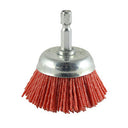
Drill Nylon & Wire Brushes
drill-nylon-wire-brushes
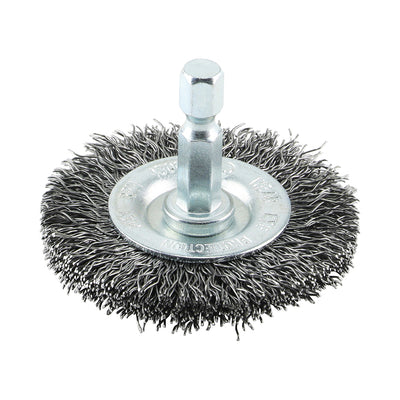
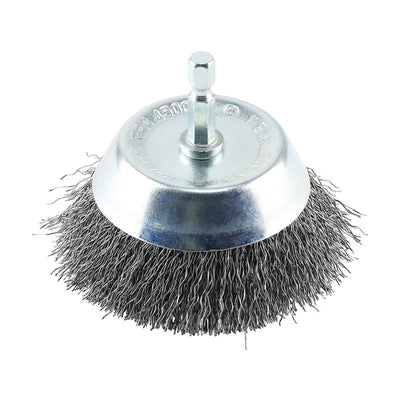

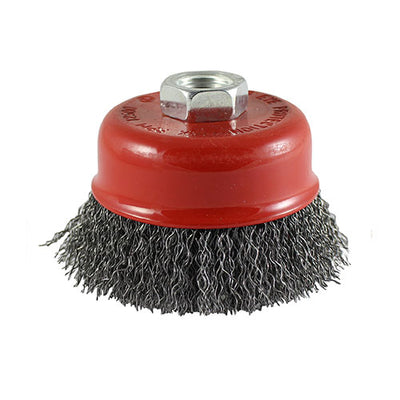
TIMCO Angle Grinder Cup Brush Crimped Steel Wire - 125mm
- Pack quantity
- 1 Each
- Price
- £9.44Incl. VAT
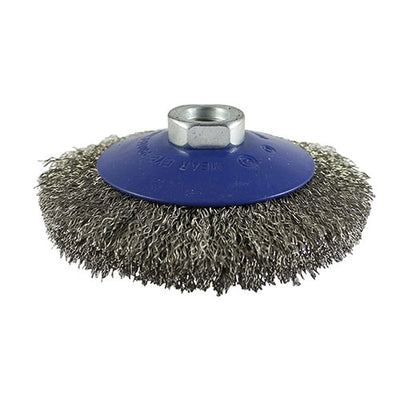
TIMCO Angle Grinder Bevel Brush Crimped Stainless Steel - 115mm
- Pack quantity
- 1 Each
- Price
- £9.13Incl. VAT
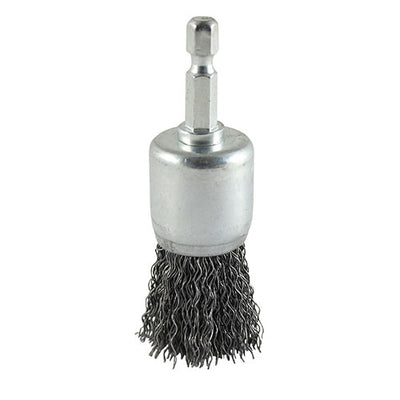
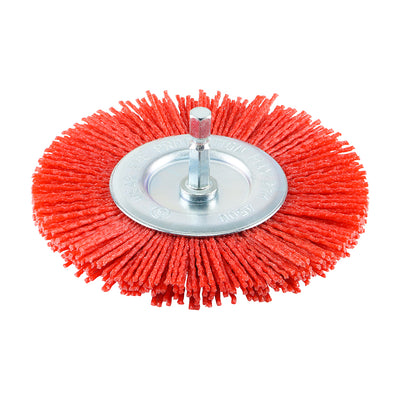
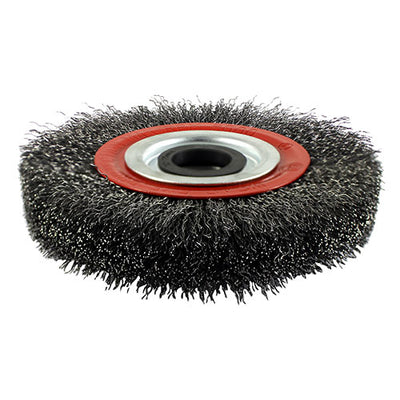
TIMCO Wheel Brush with Plastic Reducer Set Crimped Steel Wire - 150mm
- Pack quantity
- 1 Each
- Price
- £10.18Incl. VAT
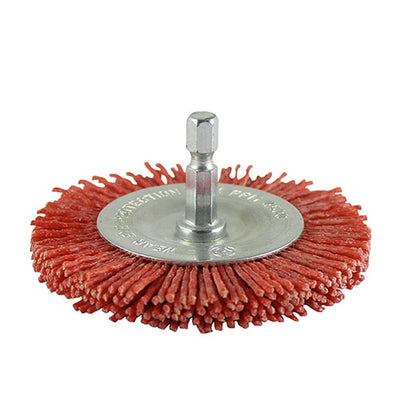
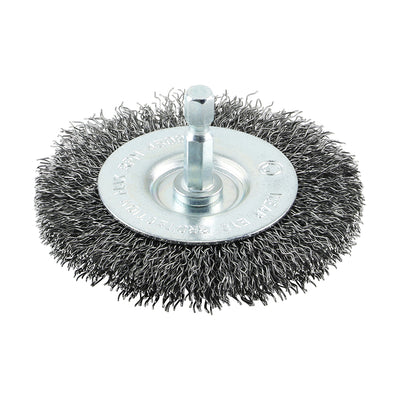
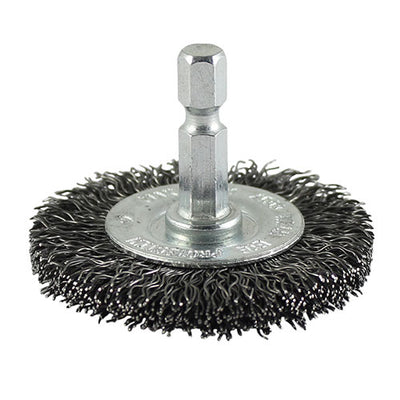
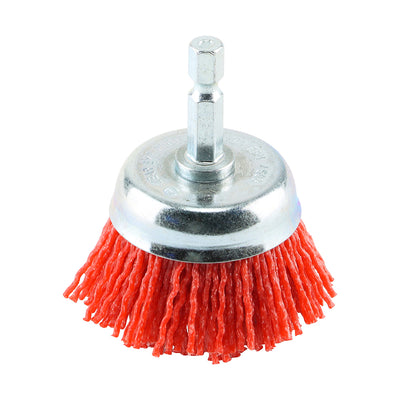
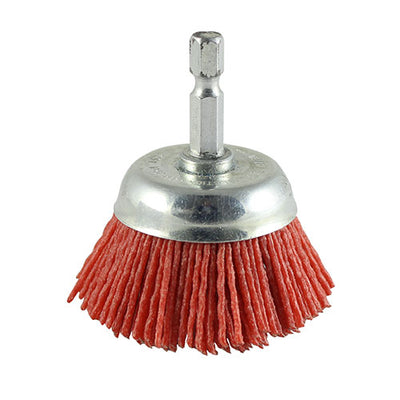
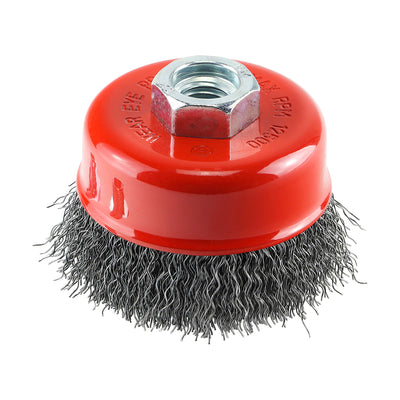
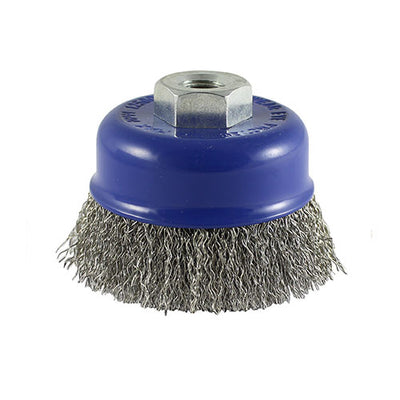
TIMCO Angle Grinder Cup Brush Crimped Stainless Steel - 75mm
- Pack quantity
- 1 Each
- Price
- £9.02Incl. VAT
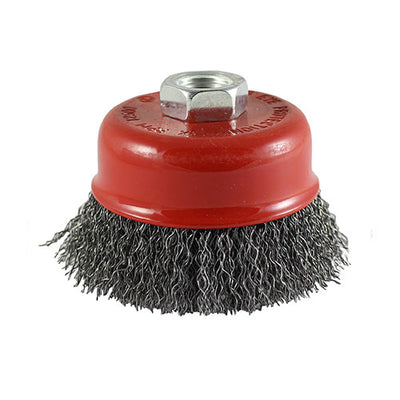
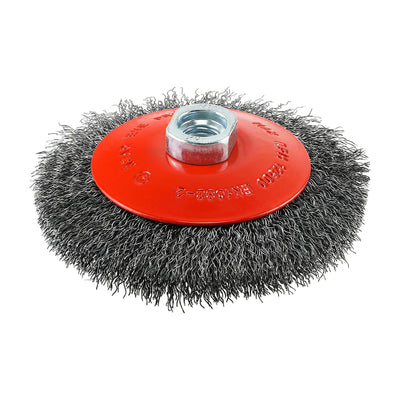
TIMCO Angle Grinder Bevel Brush Crimped Steel Wire - 115mm
- Pack quantity
- 1 Each
- Price
- £5.69Incl. VAT
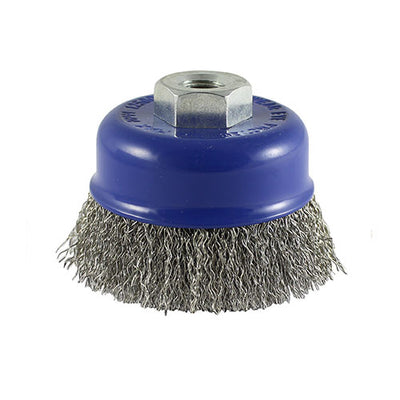
TIMCO Angle Grinder Cup Brush Crimped Stainless Steel - 100mm
- Pack quantity
- 1 Each
- Price
- £10.93Incl. VAT
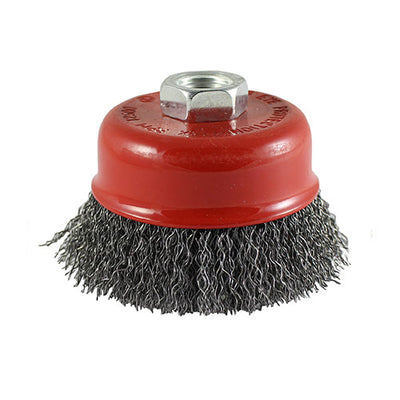
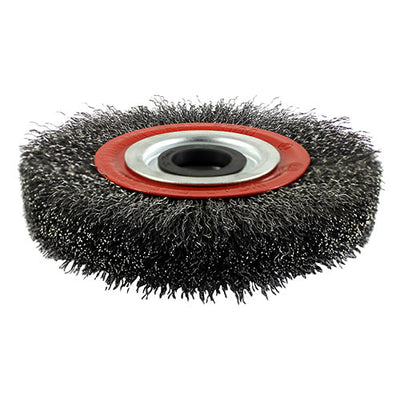
TIMCO Wheel Brush with Plastic Reducer Set Crimped Steel Wire - 200mm
- Pack quantity
- 1 Each
- Price
- £13.99Incl. VAT
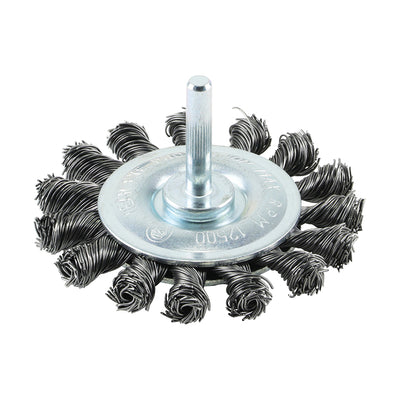
Drill Nylon and Wire Brushes for Trade and DIY
Most surface prep fails before it even starts. Using the wrong brush wastes time and damages the surface beneath. Drill nylon brushes and wire brushes are purpose-built for fast, effective cleaning. They fit standard power drills and angle grinders. This range covers cup brushes, wheel brushes, and nylon abrasive brushes. All are suited to rust removal, paint stripping, weld cleaning, and surface preparation. Whether you are on site or in the workshop, you will find the right brush here.
The Right Brush for Every Surface Prep Job
Surface preparation is a key step in any job. It affects how well paint, coatings, and finishes bond to a surface. Using the correct brush makes a real difference to the final result.
Drill-mounted brushes spin at high speed inside a power tool. This lets them cut through rust, scale, old paint, and debris quickly. They reach corners and tight spots that hand tools cannot.
Wire brushes are aggressive. They remove hard rust and weld spatter well. Nylon abrasive brushes are gentler. They clean and prep without cutting into the base material. Picking the right type protects the surface and saves time.
Useful tip: Always match the brush to the tool's rated speed. Check the maximum RPM on the brush packaging before fitting. Running a brush above its rated speed is a safety risk.
Types of Drill Nylon and Wire Brushes
Different brush types suit different tasks and surfaces. Here is a clear guide to what is available and when to use each one.
Drill Nylon Abrasive Brushes
A drill nylon brush uses abrasive-filled nylon bristles. It cleans and preps surfaces without cutting into the base metal. It works well on aluminium, mild steel, wood, and composites. Ideal for light deburring, surface blending, and finish prep. It fits a standard drill chuck with ease.
Wire Cup Brushes for Drills
Wire cup brushes have a wide, cup-shaped wire head. They cover a large area quickly. They are well suited to removing heavy rust, scale, and old coatings. They fit drills and slow-speed angle grinders. A good choice for flat surfaces and structural steelwork prep.
Wire Wheel Brushes for Drills
Wire wheel brushes have a narrow profile. They reach into grooves, welds, edges, and tight corners. They remove rust, flux residue, and scale from metal joints. They fit standard drill chucks and rotary tools. Very useful for weld preparation and cleaning pipe joints.
Wire Brush for Hand Grinder
A wire brush for a hand grinder runs at higher RPM than a drill brush. It gives faster, more aggressive cleaning action. These brushes have a threaded or M14 fitting for angle grinders. They remove mill scale, paint, and surface rust from steel plate. Always check the rated RPM matches your grinder before use.
Knotted Wire Brushes
Knotted wire brushes have tightly twisted wire strands. The knots give a more aggressive cutting action than standard brushes. They cut through heavy rust, weld splatter, and thick scale. They suit heavy-duty metalwork and structural steel cleaning. Use them on bare steel only. They can damage softer materials.
Crimped Wire Brushes
Crimped wire brushes use wavy, untwisted wire strands. They are less aggressive than knotted versions. They give a finer finish and suit lighter cleaning tasks. Good for removing light rust, paint, and surface contamination. They work on metal, wood, and masonry surfaces.
What Are Drill Wire and Nylon Brushes Used For?
These brushes cover a wide range of surface prep and cleaning tasks. They are used across metalwork, construction, automotive, and maintenance trades.
Rust Removal
Wire brushes strip rust from steel and iron quickly. Knotted cup brushes cut through heavy surface rust with ease. Use them before priming or painting to ensure a clean base.
Paint and Coating Removal
Old paint, sealant, and protective coatings peel away under a wire brush. Wire wheel brushes are good for stripping edges and weld lines. Nylon brushes suit lighter stripping on softer surfaces.
Weld Cleaning and Spatter Removal
Weld spatter sticks hard to steel. Wire brushes break it free. Knotted wire brushes are best for weld bead cleaning. Use a narrow wheel brush to clean tight weld joints and seams.
Deburring Metal Edges
Cut metal edges often have sharp burrs left behind. A nylon abrasive brush removes burrs without removing material. This gives a smooth, safe edge ready for assembly or finishing.
Surface Blending and Finishing
Nylon brushes blend surface scratches and grind marks smoothly. They leave a consistent, uniform finish on metal and wood. Useful before applying a final coat or protective treatment.
Cleaning Masonry and Stonework
Wire brushes remove mortar residue and surface staining from brick. They clean up jointing work and exposed stonework efficiently. Use a low-speed drill to avoid damaging softer masonry faces.
Nylon Brush vs Wire Brush: Which Should You Use?
This is one of the most common questions about drill brushes. The right answer depends on the surface and the task.
Wire brushes are the stronger option. They cut through rust, scale, and weld spatter fast. They are best on hard metals like steel and iron. They can scratch or gouge softer materials if used carelessly. Always use protective eyewear. Wire strands can break off at speed.
Drill nylon brushes are more controlled. They clean and prep without cutting into the base surface. They work well on aluminium, wood, plastics, and composites. They suit tasks where surface texture must be preserved. They are safer to use around softer or thinner materials.
For heavy rust or weld cleaning on steel, use a wire brush. For light prep, blending, or work on non-ferrous metals, use a nylon abrasive brush.
Safety note: Always wear safety glasses when using wire brushes. Wire strands can detach during use. Never exceed the brush's rated RPM. Use guards on angle grinders at all times.
Brush Compatibility and Use
Use the table below to match the brush type to your tool and task.
| Brush Type | Best Tool | Best For |
|---|---|---|
| Nylon Abrasive Cup Brush | Power drill | Deburring, blending, light prep on metal or wood |
| Crimped Wire Cup Brush | Power drill or slow-speed grinder | Light rust, paint removal, general surface cleaning |
| Knotted Wire Cup Brush | Power drill or angle grinder | Heavy rust, scale, weld spatter on steel |
| Wire Wheel Brush (drill) | Power drill or rotary tool | Weld seams, pipe joints, grooves, tight corners |
| Wire Brush for Hand Grinder | Angle grinder (M14 fitting) | Fast aggressive cleaning on flat steel surfaces |
| Nylon Wheel Brush (drill) | Power drill | Surface finishing on aluminium, composites, and wood |
Always check the product page for the exact arbor size and RPM rating. Not all brushes fit every tool without an adaptor.
How to Fit a Wire Brush to a Drill or Angle Grinder
Fitting a drill brush correctly takes only a moment. Doing it wrong is a safety risk. Follow these steps each time.
For drill-mounted brushes: Open the drill chuck fully. Insert the brush shank straight into the centre. Tighten the chuck firmly by hand, then use a chuck key if needed. The brush should not wobble or spin off-centre.
For angle grinder brushes: Remove the guard disc and locking nut. Thread the brush onto the grinder spindle. Some brushes need a flange backing plate for support. Tighten the locking nut firmly using the grinder spanner. Refit the guard before switching on.
Always run a new brush for a few seconds at low speed first. This seats the brush and checks for any vibration before full-speed work.
Find the Right Drill Brush for Your Job
Use the filters above to narrow by brush type, fitting, and application. Check each product page for RPM rating, arbor size, and material compatibility before ordering.
Whether you need a drill nylon brush for light surface prep, a knotted wire cup brush for heavy rust removal, or a wire brush for a hand grinder, this range covers the most-used brushes for trade and DIY work across the UK. See our abrasive discs for disc-based surface prep options.
Frequently Asked Questions
What is a drill nylon brush used for?
A drill nylon brush is used for cleaning, deburring, and surface blending. It fits a standard power drill. The abrasive nylon bristles prep surfaces without cutting into the base material. It is safe to use on aluminium, wood, plastics, and mild steel.
Can I use a wire brush on an angle grinder?
Yes, but only use brushes rated for angle grinder speeds. Always check the maximum RPM on the brush before fitting. Use a wire brush with an M14 thread or the correct adaptor for your grinder. Never remove the safety guard during use.
What is the difference between knotted and crimped wire brushes?
Knotted wire brushes have twisted strands. They are more aggressive. They suit heavy rust, scale, and weld spatter removal. Crimped wire brushes have wavy, looser strands. They are less aggressive. They suit lighter cleaning and general surface prep tasks.
What RPM should a drill wire brush run at?
It depends on the brush. Most drill wire brushes run between 3,000 and 4,500 RPM. Always check the maximum RPM printed on the brush or its packaging. Never run a brush faster than its rated speed. This is a safety risk.
Are wire brushes safe to use?
Yes, when used correctly. Always wear safety glasses. Wire strands can break off at high speed and cause eye injury. Keep bystanders clear of the work area. Fit the brush securely before switching on the tool.
Will a wire brush scratch aluminium or stainless steel?
A steel wire brush can scratch aluminium and leave iron deposits on stainless steel. For aluminium, use a nylon abrasive brush or a stainless steel wire brush. For stainless steel surfaces, always use a dedicated stainless steel wire brush.
What size shank do drill brushes use?
Most drill-mounted brushes use a 6mm shank. Some use a 1/4 inch hex shank. Check the product listing for the exact shank size before ordering. Use an adaptor if your drill chuck does not match the brush shank.
Related Tools and Abrasives
Wire and nylon brushes are often used alongside other abrasive products. See our flap discs for grinding and finishing on metal surfaces.
For cutting and grinding wheels that work alongside drill brushes, visit our cutting discs range.