27 products
Grab Adhesives & Sealants
grab-adhesives-sealants
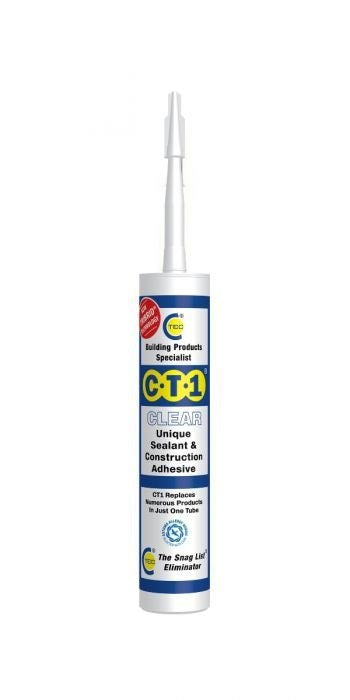
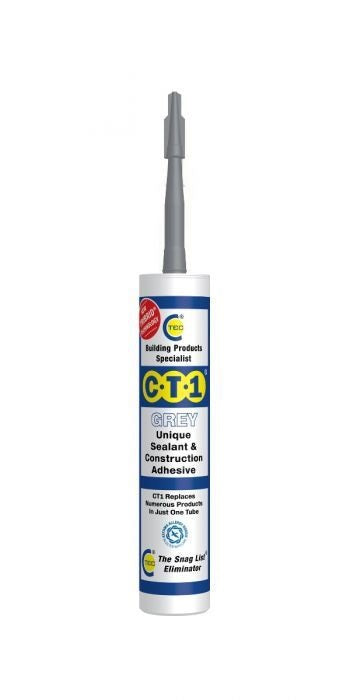


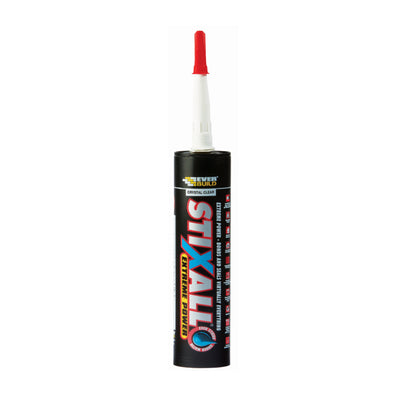
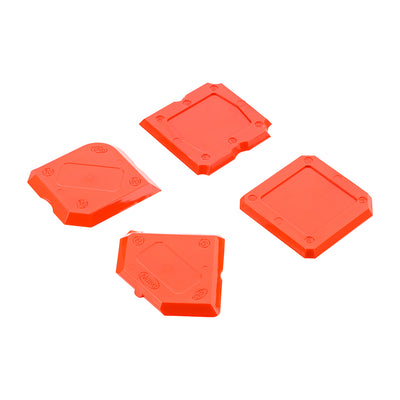
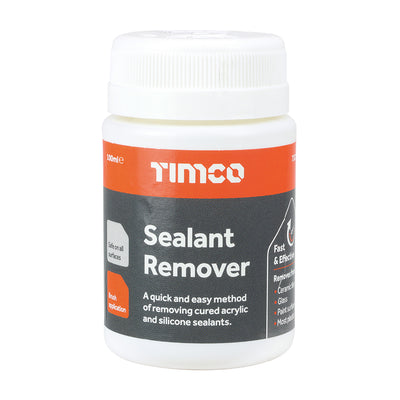
TIMCO Sealant Remover, Dissolves Silicone Sealant, Easy to use Brush Bottle - 100ml
- Pack quantity
- 1 Each
- Price
- £6.00Incl. VAT
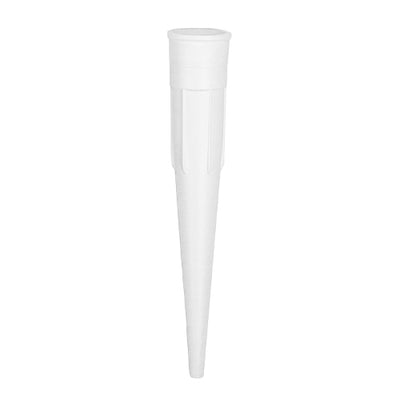
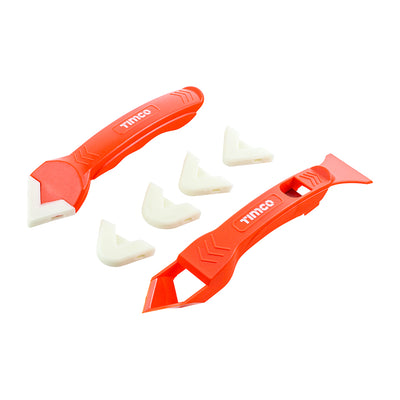
TIMCO 9 in 1 Nozzles - To fit 290/300ml (12pcs)
- Pack quantity
- 12 Pieces
- Price
- £3.47Incl. VAT
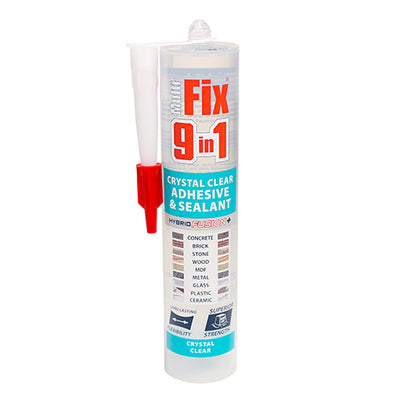
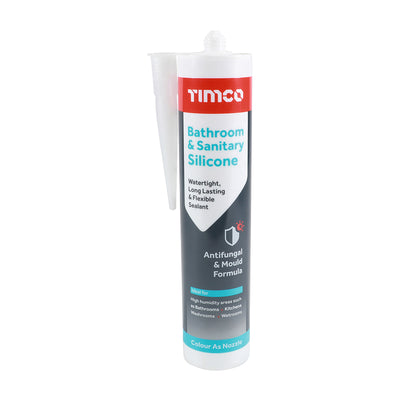
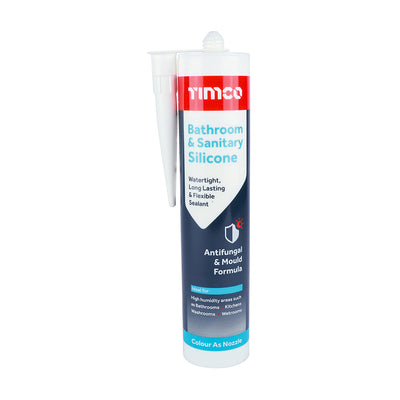
TIMCO Bathroom & Sanitary Silicone Sealant Clear - 300ml
- Pack quantity
- 1 Each
- Price
- £6.10Incl. VAT
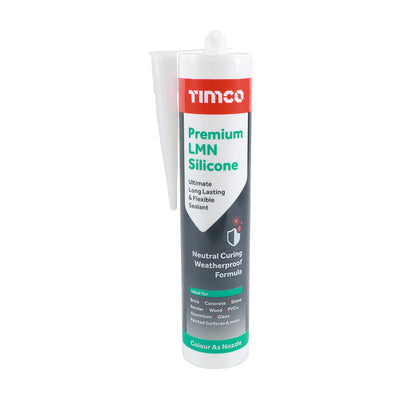
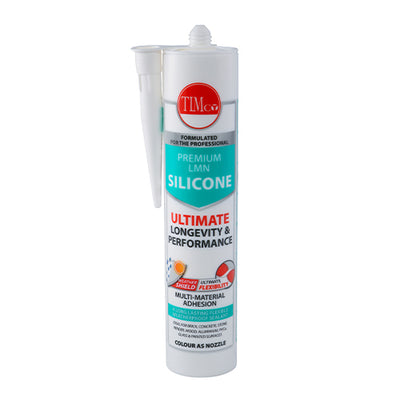
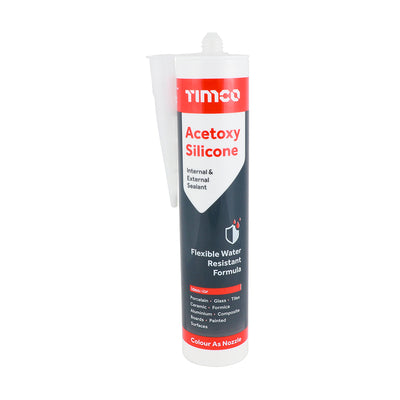
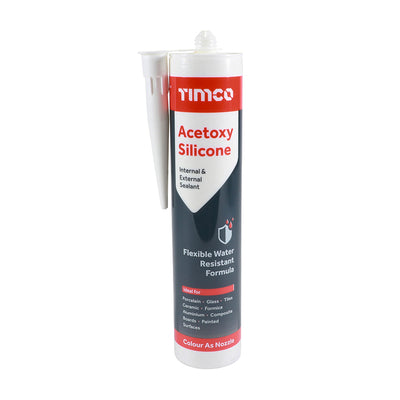
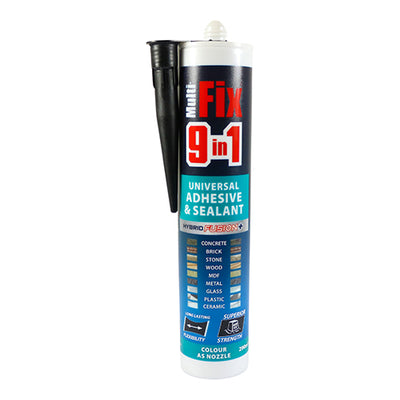
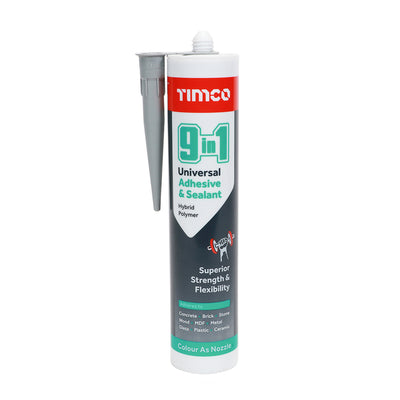
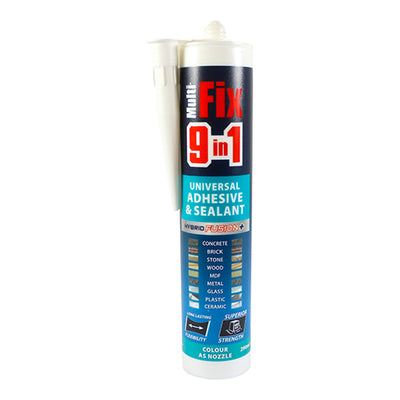
Grab Adhesives & Sealants for Trade and DIY
Most bonding failures happen because the wrong product was used. A weak bond, a leaking joint, or a cracked seal costs time and money. Here you will find trusted grab adhesives and sealants for trade and DIY. The range covers construction adhesives, sanitary silicone sealants, frame sealants, and more. All products are suited to common UK building materials and conditions. Whether you are on site or working at home, you will find the right product here.
Strong Bonds. Tight Seals. Every Time.
Grab adhesives and sealants do two different jobs. Adhesives bond materials together firmly and permanently. Sealants fill gaps and joints to block air, water, and moisture.
Many construction jobs need both. A frame may be bonded with grab adhesive and sealed with a silicone sealant. Using the right product for each task gives a longer-lasting result.
This range stocks products from well-known trade brands. Pack sizes suit both single jobs and high-volume site use. All products listed here are available for delivery across the UK.
Quick tip: Always clean and dry surfaces before applying grab adhesive or sealant. Dust, grease, or moisture on the surface will weaken the bond. Good surface prep is the most important step.
Types of Grab Adhesives and Sealants
Different products are built for different jobs. Here is what is available and when to use each type.
Grab Adhesive
Grab adhesive bonds heavy materials without nails or screws. It is used for timber, stone, concrete, ceramic, and more. It grips quickly and holds firmly once cured. Ideal for skirting boards, architraves, cladding, and panels. It reduces the need for mechanical fixings on many jobs.
Construction Adhesive and Sealant
Construction adhesive and sealant products bond and seal in one step. They are flexible, waterproof, and paintable when cured. Suited to both interior and exterior use. Good for filling gaps around frames, pipes, and joints. A popular choice for trade professionals across the UK.
Silicone Sealant
Silicone sealant stays flexible after curing. It does not crack or shrink over time. It is fully waterproof and resists high temperatures. Used around baths, showers, sinks, and windows. Available in white, clear, and grey to suit different finishes.
Sanitary Silicone Sealant
The best sanitary silicone sealant contains anti-mould agents. It is designed for wet areas like bathrooms and kitchens. It prevents black mould growth on joints and edges. It bonds to ceramic tiles, baths, basins, and shower trays. Essential for any wet room or bathroom installation.
Frame Sealant
Frame sealant is used around door and window frames. It seals the gap between the frame and the surrounding wall. Paintable versions allow a neat, finished look. Helps reduce draughts and keeps water out. Suited to UPVC, timber, and aluminium frames.
Acoustic and Fire Sealant
Acoustic sealants reduce sound transfer through gaps and joints. Fire sealants expand when heated to block the spread of flames. These are used in walls, floors, and ceilings in commercial builds. They meet UK building regulations for fire and acoustic performance. Always check the product fire rating before use.
Which Product to Use for Each Job
The right product depends on the material, location, and load. This guide helps you pick the correct product quickly.
Bonding Skirting Boards and Architraves
Use a strong grab adhesive for this task. Apply in a zigzag bead along the back of the board. Press firmly and hold for the time stated on the pack. No nails needed in most cases.
Sealing Around a Bath or Shower
Use a sanitary silicone sealant with anti-mould protection. Fill the bath or shower tray with water before sealing. This prevents the seal from cracking when the weight shifts. Smooth with a wet finger or a sealant tool for a clean joint.
External Frame and Window Sealing
Use a paintable frame sealant or a flexible construction sealant. Make sure the gap is clean and dry first. Apply in one smooth, continuous bead. Smooth before it skins over for the best result.
Bonding Heavy Panels or Cladding
High-grab construction adhesives are suited to this task. They bond to timber, concrete, brick, and metal. Some products allow bonding without clamping or propping. Check the open time on the label before applying.
Kitchen Splashback and Tile Fixing
Use a grab adhesive rated for ceramic and tile substrates. Silicone sealant is used on the joints around the splashback edge. Clear silicone gives a near-invisible finish on glass splashbacks. White silicone suits tiled areas for a clean, consistent look.
Pipe and Service Penetrations
Use a fire sealant around pipe penetrations in fire-rated walls. This is a requirement under UK building regulations. Apply to fill the gap fully around the pipe. Check the intumescent rating before ordering.
Grab Adhesive vs Silicone Sealant: What Is the Difference?
These two products are often confused. They look similar in a cartridge but do very different jobs.
Grab adhesive is designed to bond two surfaces together. It dries hard and holds structural loads. It is not flexible once cured. Use it when you want a permanent, load-bearing bond.
Silicone sealant is designed to fill joints and gaps. It stays flexible after curing. It can move slightly without cracking. Use it wherever movement or thermal expansion is expected.
Many jobs use both products together. For example, a bath panel may be bonded with grab adhesive. The edge joint is then finished with sanitary silicone sealant. Using each product correctly gives the best result.
Remember: Never use grab adhesive where a sealant is needed. A hard, rigid bond in a flexible joint will crack under movement. Always read the product data sheet before starting your job.
Grab Adhesives and Sealants: Quick Comparison
Use this table to find the right product type for your job quickly.
| Product Type | Best For | Flexible When Cured? | Waterproof? |
|---|---|---|---|
| Grab Adhesive | Bonding timber, stone, concrete, panels | No | Varies by brand |
| Silicone Sealant | Sealing windows, pipes, joints | Yes | Yes |
| Sanitary Silicone Sealant | Baths, showers, basins, wet rooms | Yes | Yes |
| Frame Sealant (Paintable) | Door frames, window frames, skirting gaps | Slightly | Yes |
| Construction Adhesive and Sealant | General bonding and sealing, internal and external | Yes | Yes |
| Fire Sealant | Pipe penetrations, fire-rated walls and floors | Slightly | Varies |
| Acoustic Sealant | Sound-reducing joints in walls and ceilings | Yes | Varies |
How to Apply Grab Adhesive and Sealant Correctly
Good results come from good application. These tips apply to most grab adhesives and cartridge sealants.
Prepare the Surface
Remove all dust, grease, old sealant, and loose material. Wipe the surface with a clean, dry cloth. On smooth surfaces, light sanding helps the product grip. Damp surfaces should be dried fully before bonding.
Load the Cartridge Gun
Cut the nozzle tip at a 45-degree angle. The nozzle hole size affects the bead width. Smaller holes give finer beads for neat joints. Pierce the inner foil seal with a rod or thin wire.
Apply in a Steady Bead
Move the gun at a constant speed while applying. Keep the pressure steady to avoid gaps in the bead. For adhesives, use a zigzag or dot pattern on flat areas. For sealants, run one clean, continuous bead along the joint.
Smooth and Finish
Smooth sealant beads with a wet finger or sealant tool. Do this before the product starts to skin over. Masking tape either side of a joint gives very clean edges. Remove tape before the sealant skins.
Find the Right Grab Adhesive or Sealant for Your Job
Use the filters above to narrow by product type, brand, and application. Check individual product pages for cure times, temperature ranges, and approved substrates before ordering.
Whether you need a construction adhesive and sealant for site use, the best sanitary silicone sealant for a bathroom installation, a paintable frame sealant for windows, or a fire sealant for a building regulations requirement, this range covers the most-used grab adhesives and sealants for trade and DIY across the UK.
For fixing into masonry alongside your bonding and sealing work, see our masonry and concrete fixings range.
Frequently Asked Questions
What is grab adhesive used for?
Grab adhesive is used to bond materials without nails or screws. It works on timber, concrete, stone, ceramic, and metal. Common uses include skirting boards, panels, cladding, and architraves. It grips quickly and holds firmly when cured.
What is the best sanitary silicone sealant for a bathroom?
The best sanitary silicone sealant for a bathroom contains anti-mould agents. Look for products labelled "sanitary" or "bathroom grade." These resist mould and mildew growth in wet conditions. White and clear versions are both widely available for UK bathrooms.
How long does grab adhesive take to cure?
Most grab adhesives reach initial grab within a few minutes. Full cure typically takes 24 to 48 hours. Cure time depends on temperature, humidity, and application thickness. Always check the product label for the exact cure time.
Can I paint over silicone sealant?
Standard silicone sealant cannot be painted over once cured. For painted finishes, use a paintable frame sealant or acrylic sealant instead. These accept emulsion and gloss paint after curing. Check the product label before buying if painting over is needed.
Is construction adhesive the same as grab adhesive?
They are very similar but not always identical. Grab adhesive is a type of construction adhesive. Some construction adhesive products also act as sealants. Always check the product description to confirm what it is designed to do.
How do I remove old silicone sealant before applying new?
Use a silicone remover or a sharp blade to cut away old sealant. Remove all residue before applying new sealant. Clean the surface with a degreaser and allow it to dry fully. Applying new sealant over old sealant leads to poor adhesion and early failure.
Do I need a sealant gun to use cartridge products?
Yes. A skeleton or barrel sealant gun is needed for standard 310ml cartridges. The gun controls the flow of product and gives a steady, even bead. A good sealant gun also has a pressure-release button to stop drips. Both manual and drip-free guns are available for trade and DIY use.
Related Products and Fixings
Grab adhesives and sealants are often used alongside other products. See our masonry and concrete fixings for mechanical fixing options used alongside adhesive bonding.
For screws and fixings used with timber and board substrates, see our wood screws range.