4 products
Straps & Rivets
straps-rivets
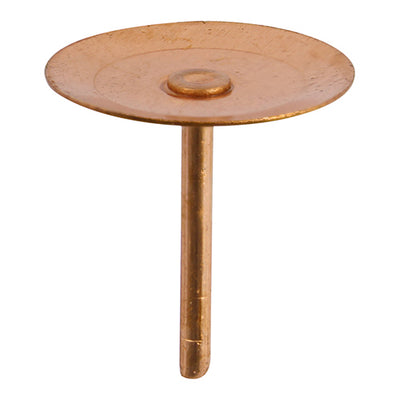
TIMCO Disc Rivets Copper - 20 x 1.50 (1000pcs)
- Pack quantity
- 1000 Pieces
- Price
- £65.42Incl. VAT
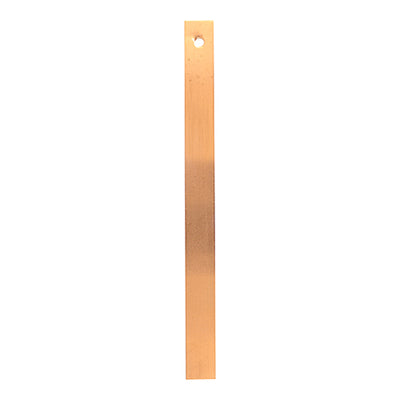
Straps, Rivets and Copper Fixing Hardware
A bad rivet or a weak strap can cause a job to fail fast. Whether you are riveting copper on a roofing project or joining leather goods, the hardware matters. This range brings together quality straps, rivets, and copper fixing hardware. It includes copper disk rivets, antique copper rivets, and heavy-duty strapping. All products are suited to trade, craft, and DIY use across the UK. Find the right piece and get it done properly, first time.
Straps and Rivets Built for Reliable Fixing
Straps and rivets are simple tools with an important job. They hold materials together firmly and permanently. The wrong type can pull out, corrode, or look out of place.
Rivets bond two surfaces without screws or adhesives. They are fast to fit and very hard to undo. This makes them ideal for permanent fixing jobs.
Straps offer tensile strength across joins and edges. They are widely used in roofing, leatherwork, carpentry, and metalwork. Copper hardware suits projects where finish and durability both matter.
Good to know: Antique copper rivets add a decorative finish to craft and leather work. For structural or roofing use, always confirm the load rating before fitting. Copper disk rivets are especially popular in UK flat roofing and lead work.
Available Types of Straps and Rivets
Different jobs need different fixing hardware. Here is a clear guide to what is in this range and when to use it.
Copper Disk Rivets
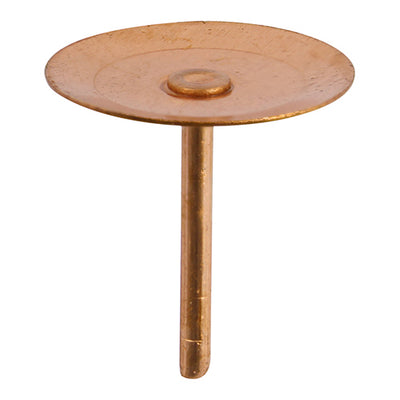
Copper disk rivets are used in roofing, plumbing, and metalwork. The disk backing spreads the load across a wider surface area. This stops the rivet from pulling through soft or thin materials. They are a trusted choice for lead sheet work and copper flashing joins. Commonly used by UK roofing tradespeople and plumbers.
Antique Copper Rivets
Antique copper rivets give a warm, aged finish. They suit leather craft, bag making, and decorative joinery. The finish resists tarnish better than plain brass rivets. They are popular with UK craft workers and saddle makers. Available in small packs for craft use and larger packs for batch work.
Solid Copper Rivets
Solid copper rivets are strong and naturally corrosion resistant. They are used in boat building, roofing, and heavy leatherwork. Copper rivets are hammered into place using a rivet set or ball-peen hammer. They form a permanent, weather-tight join. Well suited to outdoor and damp UK environments.
Steel Rivets and Pop Rivets
Steel and aluminium pop rivets are for fast, clean fixing. A rivet gun drives them into pre-drilled holes in seconds. They are used in sheet metal work, guttering, and signage. Available in standard sizes for most riveting tasks. Useful for both trade and general DIY use.
Perforated Strapping
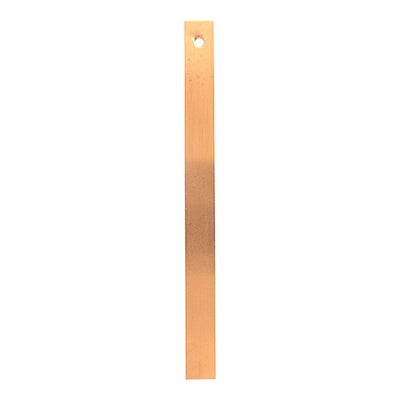
Perforated metal strapping is used to brace, tie, and support. It is cut to length and bent to fit around joists, rafters, and beams. Pre-punched holes accept standard nails or screws. Available in galvanised steel for indoor and outdoor use. A practical choice for timber frame and joinery work.
Fixing Straps and Joist Hangers
Fixing straps hold timber elements together under load. They are used in roof structures, floor joists, and stud walls. Galvanised straps resist moisture in UK building conditions. They meet common structural fixing requirements on site. Available in various lengths and widths.
A Practical Guide to Riveting Copper
Riveting copper is a skill used in roofing, plumbing, and craft work. Done right, a copper rivet join lasts for decades. Done wrong, it leaks or fails under stress.
Always pre-drill your holes to the correct rivet shank diameter. A tight fit stops the rivet from moving during setting. Clean the copper surfaces before riveting to ensure a flush join.
Insert the rivet through both layers of material. Place a copper disk or washer on the back if needed. Use a ball-peen hammer or rivet set to peen the tail flat. Work evenly around the tail to spread the metal cleanly.
Trade tip: Copper rivets are soft and easy to peen. Do not use excessive force or you may split the tail. Two or three firm taps with a rivet set gives a clean, flat finish. Use a backing block to support the head during setting.
Which Strap or Rivet Do You Need?
The right product depends on your trade and the materials you are joining. Here is a quick guide to match your job to the right hardware.
Roofing and Lead Work
Use copper disk rivets with copper or lead sheet. The disk back prevents pull-through on thin sheet material. Solid copper rivets work well on copper flashing and guttering joins. Copper is the correct material choice for compatibility with lead.
Leatherwork and Saddlery
Antique copper rivets are the top choice for leather craft. They look great and hold firmly through thick hide. Use a rivet setter to keep the finish clean and consistent. Suitable for bag making, belt making, and equine saddlery.
Carpentry and Timber Frame
Perforated strapping and fixing straps suit timber work. They hold joists, rafters, and stud walls securely in place. Galvanised steel straps are the right choice for UK build conditions. Cut to length with tin snips and fix with standard nails or screws.
Sheet Metal and General Trade
Steel or aluminium pop rivets work well on sheet metal jobs. They are quick to set with a hand or pneumatic rivet gun. Used in guttering, signage, ventilation ducts, and cladding. A reliable, no-weld fixing method for sheet materials.
Boat Building and Marine Craft
Copper rivets are the traditional choice in wooden boat building. They do not rust and are compatible with most timber treatments. The rivet and rove method creates a very strong, waterproof join. Still widely used by UK wooden boat builders today.
DIY and Home Projects
Pop rivets are the easiest option for home DIY use. No hammering is needed. Just drill, insert, and squeeze the gun. They work on metal, plastic, and thin timber sheet. Great for garden furniture repairs, sheds, and small fabrication jobs.
Rivet Types at a Glance
Not sure which rivet type suits your job? This table gives a clear overview of the key differences.
| Rivet Type | Material | Best Used For | Setting Method |
|---|---|---|---|
| Copper Disk Rivet | Copper | Lead and copper roofing, sheet metal | Hammer and rivet set |
| Antique Copper Rivet | Copper (aged finish) | Leatherwork, craft, decorative joinery | Rivet setter or hammer |
| Solid Copper Rivet | Pure copper | Boat building, heavy leather, roofing | Ball-peen hammer and rove |
| Steel Pop Rivet | Steel / aluminium | Sheet metal, guttering, cladding | Rivet gun (hand or pneumatic) |
| Perforated Strap | Galvanised steel | Timber frame, joists, rafters | Nails or screws through pre-punched holes |
Always match the rivet material to the base material. Mixing metals can cause galvanic corrosion over time. Copper with lead or copper with copper is a safe and common pairing.
Copper Rivets and Antique Finishes
Copper develops a natural patina over time. This is called a verdigris or oxide layer. It is not damage. It is a natural protective coating.
Antique copper rivets already have a pre-aged finish applied. This warm brown tone suits traditional and rustic styles well. It blends naturally into leather, wood, and aged metalwork.
If you want bright copper to stay shiny, apply a clear lacquer after fitting. For leatherwork, the natural ageing often adds to the finished look. Leave it bare and let it develop its own character over time.
Material note: Copper is non-magnetic and non-sparking. It is safe to use in food preparation areas and around flammable materials. This makes copper rivets a practical choice in specific trade environments.
Find the Right Strap or Rivet for Your Project
Use the filters above to narrow by material, rivet type, and finish. Check individual product pages for exact sizing and pack quantities before ordering.
Whether you need copper disk rivets for a roofing job, antique copper rivets for a leather craft project, pop rivets for sheet metal work, or perforated strapping for a timber frame build, this range covers the most used strapping and riveting hardware for UK trade and DIY. See our fixings range for related hardware if you need screws, bolts, or nails alongside your rivets.
Frequently Asked Questions
What are copper disk rivets used for?
Copper disk rivets are used in lead roofing, copper sheet work, and plumbing. The disk backing spreads the clamping load over a wider area. This stops the rivet pulling through thin or soft sheet materials. They are a standard fastener in UK roofing and heritage repair work.
What is the difference between antique copper rivets and plain copper rivets?
Antique copper rivets have a pre-aged, warm brown finish applied. Plain copper rivets are bright and shiny when new. Both are made from copper and perform the same way structurally. The antique finish suits decorative, craft, and leatherwork applications.
How do you set a copper rivet by hand?
Drill a hole to match the rivet shank diameter. Push the rivet through both layers of material. Place a copper disk or rove on the back if needed. Tap the tail flat with a ball-peen hammer or rivet set. Work in small, even strikes to spread the copper cleanly.
Can I use steel rivets with copper or lead materials?
No. Steel and copper are dissimilar metals. Using steel rivets in copper or lead sheet causes galvanic corrosion. This weakens the join over time. Always use copper rivets when riveting copper or lead sheet materials.
What size copper rivet do I need?
The rivet shank diameter should match your pre-drilled hole size. The shank length should be long enough to pass through both layers. Leave around 1.5 times the shank diameter sticking out at the back. This gives enough material to peen flat cleanly.
Are perforated straps the same as joist hangers?
No, they are different products. Perforated strapping is a flat, flexible strip used to brace and tie timber. Joist hangers are formed brackets that cradle and support joist ends. Both are used in timber frame construction but for different fixing tasks.
Do copper rivets rust?
No. Copper does not rust. It naturally oxidises over time. This creates a greenish-brown patina called verdigris. The patina is not damage. It actually protects the copper underneath. Copper rivets are an excellent choice for outdoor and damp UK environments.
Related Hardware and Fixings
Straps and rivets are often used alongside other fixing products. See our general fixings range for screws, nails, and bolts.
If you are working on a roofing or sheet metal project, you may also need items from our roofing fixings range.