8 products
Bonded Abrasive Discs
bonded-abrasive-discs
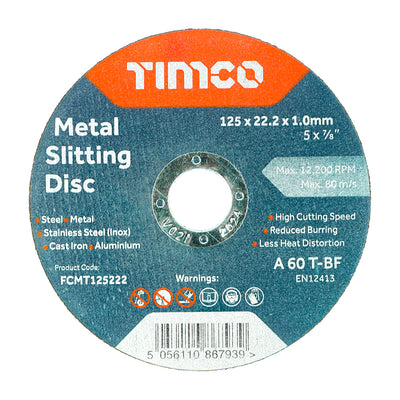
TIMCO B/Abrasive Flat Wheel Inox - 125 x 22.2 x 1.0 (25pcs)
- Pack quantity
- 25 Pieces
- Price
- £18.05Incl. VAT
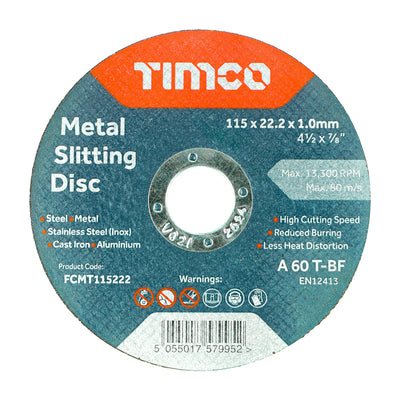
TIMCO B/Abrasive Flat Wheel Inox - 115 x 22.2 x 1.0 (25pcs)
- Pack quantity
- 25 Pieces
- Price
- £15.77Incl. VAT
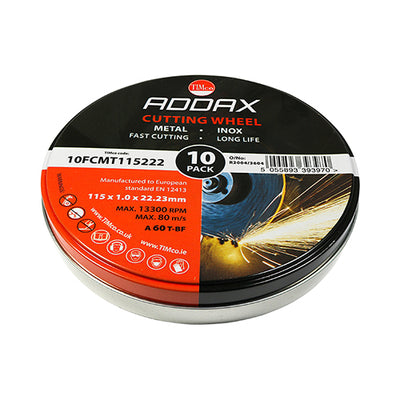
TIMCO B/Abrasive Flat Wheel Inox - 115 x 22.2 x 1.0 (10pcs)
- Pack quantity
- 10 Pieces
- Price
- £5.62Incl. VAT
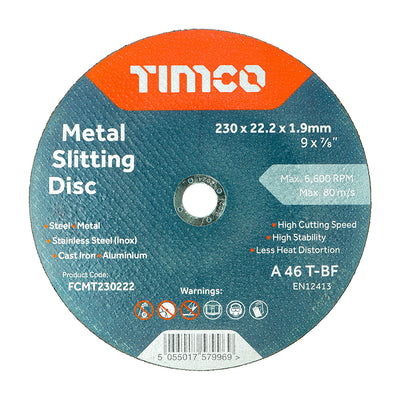
TIMCO B/Abrasive Flat Wheel Inox - 230 x 22.2 x 1.9 (25pcs)
- Pack quantity
- 25 Pieces
- Price
- £39.76Incl. VAT
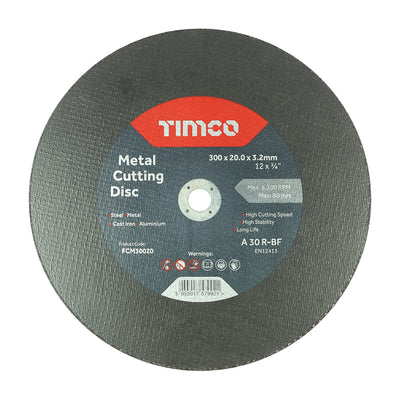
TIMCO B/Abrasive Flat Wheel Metal - 300 x 20.0 x 3.2 (25pcs)
- Pack quantity
- 25 Pieces
- Price
- £59.10Incl. VAT
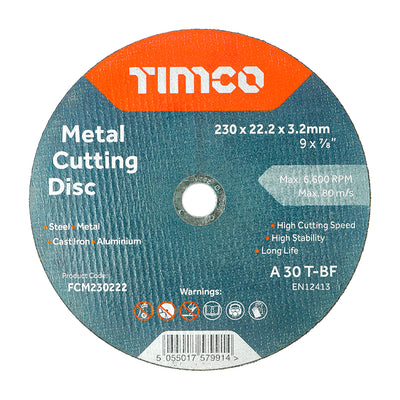
TIMCO B/Abrasive Flat Wheel Metal - 230 x 22.2 x 3.2 (25pcs)
- Pack quantity
- 25 Pieces
- Price
- £37.81Incl. VAT
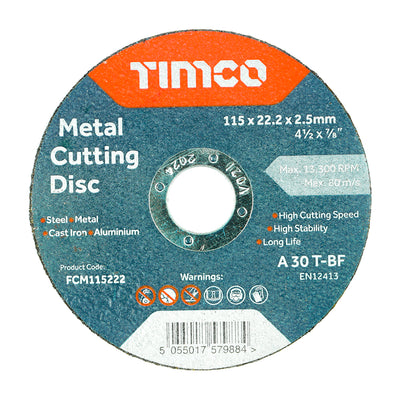
TIMCO B/Abrasive Flat Wheel Metal - 115 x 22.2 x 2.5 (50pcs)
- Pack quantity
- 50 Pieces
- Price
- £32.58Incl. VAT
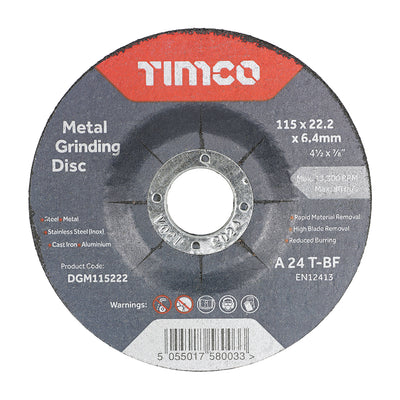
TIMCO B/Abrasive Depressed Metal - 115 x 22.2 x 6.4 (25pcs)
- Pack quantity
- 25 Pieces
- Price
- £22.02Incl. VAT
Bonded Abrasive Discs for Cutting, Grinding and Finishing
Using the wrong abrasive disc wastes time and ruins surfaces. It can also be dangerous on site or in the workshop. Here you will find bonded abrasive discs built for tough UK trade use. This range covers cutting discs, grinding discs, and finishing discs. Products suit metal, rail, stone, wood, and more. Whether you are on a building site or in a workshop, the right disc matters.
What Are Bonded Abrasive Discs?
Bonded abrasive discs are a type of abrasive cutting and grinding tool. They are made from abrasive grains held together by a bonding agent. The bond is usually resin, rubber, or vitrified material. This holds the grains firmly in place during use.
When the disc spins, the grains cut or grind the workpiece surface. As the outer grains wear away, fresh grains below take over. This self-sharpening action keeps the disc cutting effectively.
Bonded abrasive discs fit angle grinders and bench grinders. They are widely used in metal fabrication, rail maintenance, construction, and woodworking. Sizes range from 100mm to 230mm for most trade applications.
Safety first: Always check the disc speed rating before fitting. Never run a disc above its stated maximum RPM. Always fit and use discs with the correct guard in place. Wear eye protection, gloves, and hearing protection at all times.
Types of Bonded Abrasive Discs
Different tasks need different disc types. Each disc is built for a specific job and material. Using the correct type gives better results and longer disc life.
Metal Cutting Discs
Metal cutting discs are thin, flat bonded abrasive discs. They are designed to slice cleanly through steel, iron, and other metals. Thinner discs cut faster and produce less heat. Standard sizes are 115mm, 125mm, and 230mm. They fit most angle grinders used on UK building sites.
Abrasive Rail Cutting Discs
An abrasive rail cutting disc is built for heavy-duty railway track work. Rail steel is much harder than general structural steel. These discs use a tougher bonding agent and harder abrasive grain. They maintain their cutting edge under sustained, high-pressure use. Used by rail engineers, maintenance contractors, and trackside teams across the UK.
Stone and Masonry Cutting Discs
Stone cutting discs use silicon carbide abrasive grain. Silicon carbide is harder than aluminium oxide. This makes it suitable for cutting concrete, brick, slate, and natural stone. Do not use a stone disc on metal. The disc and the material can both be damaged.
Abrasive Discs for Wood
An abrasive disc for wood is designed for shaping and finishing timber surfaces. It removes material quickly without clogging. Wood-specific abrasive discs use open-coat grain patterns. This stops sawdust from blocking the disc surface. Available in various grit sizes for rough shaping or fine finishing.
Grinding and Depressed Centre Discs
Grinding discs are thicker than cutting discs. They remove material from weld seams, rust spots, and rough surfaces. Depressed centre grinding discs allow the disc to work flat to the surface. They are used for heavy stock removal on steel plate and structural ironwork.
Flap Discs
Flap discs use overlapping layers of coated abrasive cloth. They combine grinding and finishing in a single disc. As each flap wears away, a fresh one takes over. They produce a smoother finish than a grinding disc. Ideal for blending welds and preparing metal surfaces for coating.
Which Bonded Abrasive Disc Works on Which Material?
Matching your disc to your material is essential. Using the wrong disc can damage the workpiece. It can also cause the disc to break apart under load, which is dangerous.
| Material | Recommended Disc Type | Abrasive Grain |
|---|---|---|
| Mild Steel | Metal cutting disc or grinding disc | Aluminium oxide |
| Stainless Steel | Inox-rated cutting or grinding disc | Aluminium oxide (iron-free) |
| Railway Rail Steel | Abrasive rail cutting disc | Aluminium oxide, high-bond resin |
| Concrete and Brick | Stone or masonry cutting disc | Silicon carbide |
| Wood and Timber | Abrasive disc for wood | Aluminium oxide, open coat |
| Weld Seams and Rust | Grinding disc or flap disc | Aluminium oxide |
Always check the product label for approved materials before use. Some discs carry a multi-material rating. Check this before switching applications.
Understanding Grit, Bond, and Disc Specification
Every bonded abrasive disc has a specification code on the label. Understanding this helps you pick the right product quickly.
Abrasive Grain Type
The grain type determines what material the disc can cut. Aluminium oxide suits metal, steel, and wood. Silicon carbide suits stone, concrete, and ceramics. Zirconia alumina is tougher and lasts longer on hard metals. Always match the grain to the material you are working on.
Grit Size
Lower grit numbers mean coarser, faster cutting. Higher grit numbers mean finer, smoother results. For rough cutting or heavy stock removal, use low grit such as 16 to 36. For surface finishing and blending, use higher grit such as 60 to 120. Most bonded abrasive cutting discs do not have a grit marking as they are single-purpose.
Bond Type
Resin bond is the most common type for angle grinder discs. It offers good strength and heat resistance. Vitrified bond is used in bench grinding wheels. A harder bond suits soft materials. A softer bond suits hard materials. This is the opposite of what many people expect.
Disc Size and Thickness
Disc diameter must match your angle grinder's spindle size. Common sizes are 115mm, 125mm, and 230mm. Cutting discs are typically 1mm to 3mm thick. Grinding discs are 6mm or more. Flap discs are around 10mm to 14mm in height at the centre.
Maximum RPM Rating
Every disc has a maximum speed rating in RPM. This is marked on the label and on the disc itself. The disc must only be run at or below this speed. Running a disc too fast can cause it to shatter. Check your angle grinder speed against the disc rating before fitting.
EN Standards and Safety Marks
UK and European bonded abrasive discs should carry EN 12413 or EN 13236 marking. These are the safety standards for resin-bonded and superabrasive wheels. Discs should also show the OSA safety mark where applicable. Only buy discs that meet these standards for trade and professional use.
Abrasive Rail Cutting Discs: What Makes Them Different?
Rail steel is among the hardest grades of steel used in industry. It has to withstand the weight and rolling friction of trains every day. This makes it very difficult to cut with standard metal discs.
An abrasive rail cutting disc is engineered specifically for this hardness. The bonding agent is stronger and more heat-resistant than in standard discs. The grain is usually a coarser, tougher grade of aluminium oxide. This allows sustained cutting under high pressure without the disc glazing over.
Rail cutting discs are used during track maintenance, installation, and repair. They are used in rail depots, on trackside jobs, and in rail fabrication workshops. They are typically larger in diameter than standard cutting discs. Sizes from 300mm to 450mm are common in rail applications.
Note: Rail cutting work often takes place in live rail environments. Always follow the relevant Network Rail or site safety rules. Use only discs rated for the specific rail grade being cut. Check the disc condition before each use and replace if damaged.
Abrasive Discs for Wood: Shaping and Finishing Timber
Woodworking requires a different approach to abrasive disc use. Wood is a softer material, but it clogs abrasive surfaces quickly. Sawdust and resin from timber fill the spaces between grains. This is called loading or clogging, and it reduces cutting performance fast.
Abrasive discs made for wood use an open-coat grain layout. This means the grains are spaced further apart on the disc surface. The gaps allow sawdust to escape instead of building up. This keeps the disc cutting effectively for longer.
Wood abrasive discs are used for shaping solid timber, removing old paint, and levelling rough surfaces. They also work well on MDF, chipboard, and plywood. For fine finishing, move to a higher grit after rough shaping. This gives a smoother surface ready for painting or varnishing.
See our full abrasives range for sanding belts, sheets, and discs for wood finishing applications.
How to Pick the Right Bonded Abrasive Disc
Start with the material you are cutting or grinding. Then think about the result you need. Fast cutting or fine finishing? Then check the disc fits your grinder size and speed.
| Task | Disc to Use | Key Feature to Check |
|---|---|---|
| Cutting steel bar or plate | Thin metal cutting disc | 1mm to 1.6mm thickness for clean cuts |
| Cutting railway rail | Abrasive rail cutting disc | Rated for hard rail steel grade |
| Cutting concrete or brick | Stone cutting disc | Silicon carbide grain, masonry rated |
| Removing weld seams | Grinding disc or flap disc | 6mm thickness, depressed centre |
| Shaping or finishing wood | Abrasive disc for wood | Open-coat grain, correct grit for stage |
| Blending and smoothing metal | Flap disc | Grit 40 to 80 for blending, 120 for finish |
| Cutting stainless steel | Inox cutting or grinding disc | Iron-free, sulphur-free bonding agent |
Get the Right Abrasive Disc for Your Trade or Workshop
Use the filters above to narrow by disc type, size, and application. Check individual product pages for speed ratings, grain type, and approved materials.
Whether you need a metal cutting disc for structural steelwork, an abrasive rail cutting disc for trackside maintenance, a stone disc for masonry, or an abrasive disc for wood shaping and finishing, this range covers the most commonly used bonded abrasive discs for UK trade and workshop use.
For other cutting and grinding accessories, see our cutting tools range.
Frequently Asked Questions About Bonded Abrasive Discs
What is a bonded abrasive disc?
A bonded abrasive disc is a cutting or grinding disc made from abrasive grains held together by a bonding agent. The bond is usually resin. As the disc spins, the grains cut or grind the surface. Worn grains break away to expose fresh ones underneath.
What is the difference between a cutting disc and a grinding disc?
Cutting discs are thin. They slice through material cleanly. Grinding discs are much thicker. They remove material from a surface. Never use a cutting disc for grinding. It can shatter under sideways pressure.
Can I use a metal cutting disc on wood?
No. Metal cutting discs are not designed for wood. They can grab the grain and cause kickback. Always use an abrasive disc specifically made for wood. This is safer and gives better results.
What does an abrasive rail cutting disc do differently to a standard disc?
Rail steel is much harder than standard structural steel. An abrasive rail cutting disc uses a tougher bond and harder grain. This allows it to cut through high-hardness rail steel without glazing or breaking down quickly. Standard discs wear out fast or overheat on rail steel.
What grit should I use for an abrasive disc for wood?
For rough shaping and removing old paint, use grit 24 to 40. For smoothing and levelling, use grit 60 to 80. For a fine finish before coating, use grit 100 to 120. Always work through the grits in stages for the best surface.
How do I know if a bonded abrasive disc is safe to use?
Check the disc for cracks or chips before each use. Never use a disc that looks damaged. Check the RPM rating on the disc matches or exceeds your grinder speed. Look for EN 12413 or EN 13236 markings for compliance with UK and European safety standards.
Can I use a stone cutting disc on metal?
No. Stone cutting discs use silicon carbide grain. This grain is not suitable for cutting ferrous metals. Using a stone disc on metal can damage the disc and the workpiece. Always use an aluminium oxide disc rated for the metal you are cutting.
What size bonded abrasive disc do I need for a standard angle grinder?
Most angle grinders in UK trade use 115mm or 125mm discs. Larger 230mm grinders use 230mm discs. Always match the disc size exactly to the grinder specification. Using an oversized disc is dangerous and must never be attempted.
Related Abrasive and Cutting Products
Bonded abrasive discs are often used alongside other cutting and surface preparation products. See our abrasives range for sanding sheets, belts, and discs for hand and machine finishing.
For saw blades, hole saws, and other cutting accessories, visit our cutting tools section.