10 products
First Aid Kits & Supplies
first-aid-kits-supplies
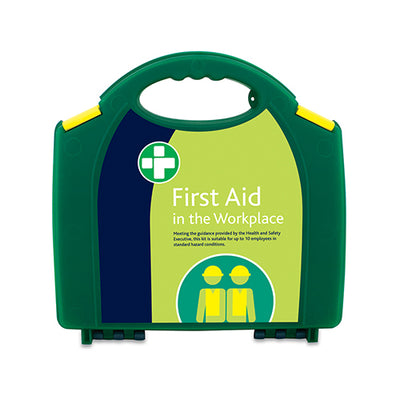
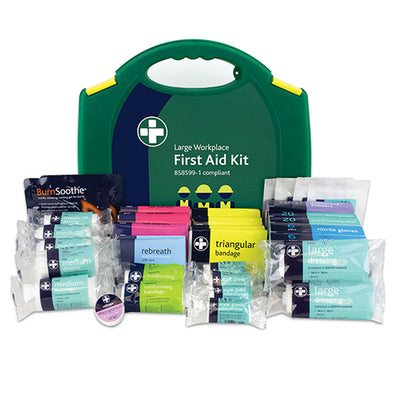
TIMCO Workplace First Aid Kit British Standard Compliant - Large
- Pack quantity
- 1 Each
- Price
- £46.51Incl. VAT
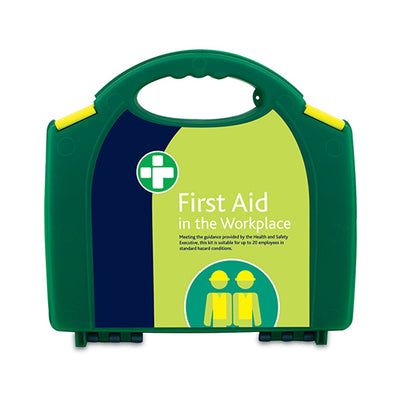
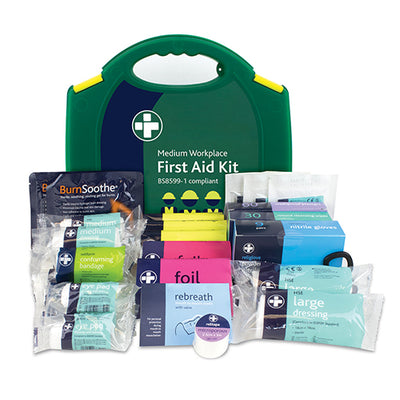
TIMCO Workplace First Aid Kit British Standard Compliant - Medium
- Pack quantity
- 1 Each
- Price
- £36.25Incl. VAT
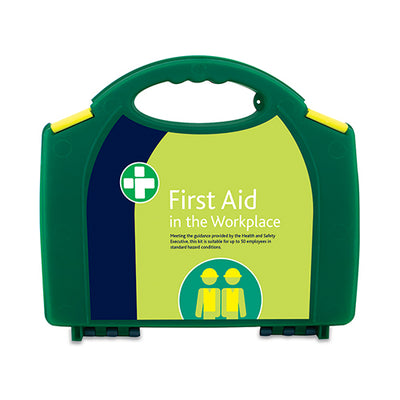
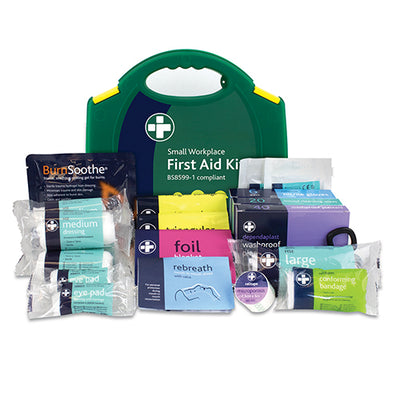
TIMCO Workplace First Aid Kit British Standard Compliant - Small
- Pack quantity
- 1 Each
- Price
- £25.22Incl. VAT
First Aid Kits and Supplies for Workplaces and Homes
Every second matters when someone is injured. Having the right first aid kit nearby saves lives. This range covers workplace first aid kits, office first aid kits, and essential first aid supplies. All products meet UK Health and Safety Executive (HSE) guidelines. Whether you manage a large site or a small office, you will find the right kit here. Stock up and stay compliant. Be ready before an emergency happens.
Why First Aid Kits Matter in Every Workplace
UK law requires employers to have suitable first aid provisions. The Health and Safety (First-Aid) Regulations 1981 apply to all workplaces. Failing to comply can result in fines and legal action.
A well-stocked first aid kit helps treat injuries quickly. It reduces the severity of accidents before professional help arrives. It also shows staff that their safety is taken seriously.
Not all kits are the same. The right kit depends on your workplace size. It also depends on the nature of your work and the number of employees. Office environments have different needs to construction sites.
Did you know? The HSE recommends at least one appointed first aider per workplace. First aid kits should be checked and restocked regularly. Contents must not be past their expiry dates.
Types of First Aid Kits and Supplies Available
Different kits suit different settings and risk levels. Here is a clear breakdown of what is available and when to use each.
Office First Aid Kits
Designed for low-risk indoor workplaces such as offices and retail spaces. They include plasters, bandages, wound dressings, and disposable gloves. Compact and easy to store in a desk drawer or wall cabinet. Ideal for small teams of up to 25 people.
Workplace First Aid Kits
Suitable for higher-risk environments such as warehouses and workshops. First aid kits for work typically contain more dressings and trauma items. They meet HSE recommended contents for UK workplaces. Available in small, medium, and large sizes. Specific options include TIMCO Workplace First Aid Kit British Standard Compliant - Medium.
Burns First Aid Kits
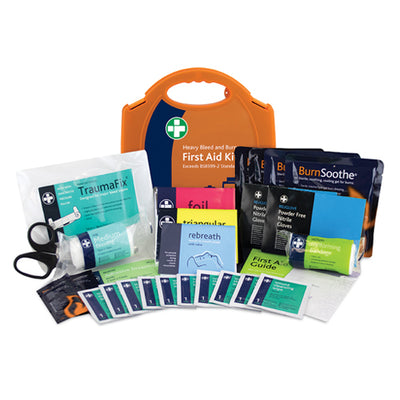
Specifically designed for kitchens, catering, and industrial settings. They include burns dressings, gel sachets, and cooling sprays. Burns require fast and correct treatment to reduce injury severity. A must-have wherever heat, steam, or chemicals are present.
Eye Wash Stations and Kits
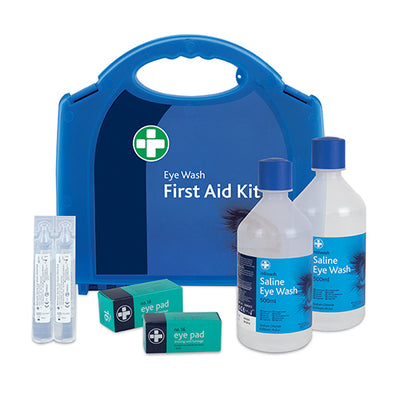
Essential where dust, chemicals, or debris are present. Sterile eye wash pods and bottles flush foreign bodies quickly. Wall-mounted stations are ideal for workshops and factory floors. Regular replacement is key to maintaining sterility and effectiveness.
First Aid Refill Supplies
Individual first aid supplies to restock existing kits. Includes plasters, sterile dressings, triangular bandages, and gloves. Keeping kits fully stocked is a legal requirement in UK workplaces. Buy refill packs to avoid gaps in your first aid provision.
Travel and Vehicle First Aid Kits
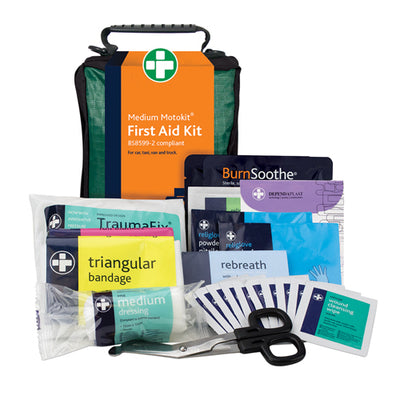
Compact kits designed for vans, cars, and company vehicles. Useful for field workers, delivery drivers, and mobile teams. They fit neatly in a glove box or under a seat. A practical addition to any fleet safety plan.
Who Needs a First Aid Kit at Work in the UK?
The simple answer is: every UK employer does. The HSE makes this clear in its guidance on workplace first aid. The type and size of kit depends on the workplace risk level.
Small Offices (1 to 25 Staff)
A basic office first aid kit is usually enough. It should contain plasters, bandages, and wound dressings. A small kit stored at the front desk or in a central area works well.
Medium Workplaces (25 to 100 Staff)
A medium-sized workplace kit is recommended. More bandages, dressings, and trauma items are needed. At least one trained first aider should be present on site.
Large Workplaces (100+ Staff)
Multiple kits placed across the site are required. A dedicated first aid room may also be needed. First aiders must be trained and their number reviewed regularly.
High-Risk Environments
Construction, manufacturing, and chemical handling sites need more. Specialist kits with eye wash, burns dressings, and trauma items are essential. HSE guidance gives clear advice for these higher-risk settings.
Legal reminder: UK employers must carry out a first aid needs assessment. This determines the correct type and number of kits required. Review the assessment whenever your team size or workplace changes.
What Should a UK Workplace First Aid Kit Contain?
The HSE does not specify a fixed list of items. However, it does offer clear guidance on minimum expected contents. The list below reflects current HSE recommendations for a standard kit.
| Item | Minimum Quantity (Small Kit) | Purpose |
|---|---|---|
| Guidance leaflet | 1 | Basic first aid instructions |
| Sterile plasters (assorted) | 20 | Minor cuts and grazes |
| Sterile eye pads | 2 | Eye injuries and protection |
| Triangular bandages | 2 | Slings and large wound dressings |
| Safety pins | 6 | Securing bandages and slings |
| Medium sterile dressings | 4 | Wound coverage and bleeding control |
| Large sterile dressings | 4 | Larger wounds and lacerations |
| Disposable gloves (pairs) | 6 | Infection control during treatment |
High-risk sites may need additional items. This includes eye wash, burns dressings, and foil blankets. Always tailor your kit to the actual risks in your workplace.
Matching the Right Kit to Your Setting
Not every workplace has the same risks. Picking the right kit means looking at what could go wrong in your specific environment.
Office and Retail
Cuts, minor burns, and slips are the most common injuries here. A compact office first aid kit covers these needs well. Wall-mounted kits keep things tidy and easy to access.
Warehouses and Logistics
Heavier items and machinery increase injury risk. A larger workplace kit with trauma dressings is a sensible option. Eye wash provisions are also worth having in dusty environments.
Catering and Food Production
Burns and cuts are very common in these settings. A burns kit alongside a standard first aid kit is strongly advised. Blue detectable plasters are required in food handling areas.
Construction and Outdoor Sites
These are higher-risk environments with varied hazards. Trauma dressings, wound closure strips, and foil blankets are needed. Kits should be stored in weatherproof containers on site.
Schools and Educational Settings
First aid in schools must cover children and staff. Kits should include child-specific plasters and dressings. Schools should follow local authority guidance on kit contents.
Mobile and Field Workers
Staff working alone or away from a fixed base need a personal kit. Compact travel kits fit in a bag or vehicle without taking up space. These ensure workers are never without basic first aid supplies.
Keeping Your First Aid Kit Compliant and Ready
Buying a kit is only the first step. Maintaining it correctly is just as important as having one.
Kits should be checked at least every three months. Any used or expired items must be replaced straight away. Keeping a checklist inside the kit makes this process simple.
Assign a responsible person to manage first aid supplies. In larger workplaces, this may be a trained first aider or health and safety officer. Regular checks protect your team and keep you legally compliant.
Top tip: Label each kit with the date of the last inspection. Note the name of the person who carried out the check. This creates a simple audit trail for health and safety purposes.
See our personal protective equipment range for gloves and face protection to use alongside your first aid supplies.
Find the Right First Aid Kit for Your Workplace
Use the filters above to sort by kit size, setting, and product type. Check individual product pages for full contents lists before ordering.
Whether you need a compact office first aid kit, a full workplace kit for a large team, or individual first aid refill supplies, this range has you covered. All kits are suitable for UK workplaces and are aligned with current HSE guidance.
For site safety equipment used alongside first aid kits, see our safety signs and labels range.
Frequently Asked Questions
Is it a legal requirement to have a first aid kit in the UK workplace?
Yes. The Health and Safety (First-Aid) Regulations 1981 require all UK employers to provide adequate first aid equipment, facilities, and personnel. The type of kit needed depends on the size and risk level of your workplace.
How many first aid kits does my office need?
The HSE recommends at least one kit per workplace. Larger offices across multiple floors or areas should have a kit on each floor or section. One kit is typically sufficient for up to 25 low-risk office staff.
How often should workplace first aid kits be checked?
Kits should be inspected at least every three months. Used or out-of-date items must be replaced promptly. Assign a named person to carry out and record each check.
What is the difference between a first aid kit for work and a home kit?
Workplace first aid kits must meet HSE guidance and are sized for teams. Home kits are smaller and cover personal or family needs only. First aid kits for work usually contain more dressings, gloves, and trauma items.
Do first aid kits expire?
Yes. Individual items such as sterile dressings, eye wash pods, and plasters all carry expiry dates. Using expired items may reduce effectiveness. Always check and replace expired stock during routine kit inspections.
Can I add extra items to a workplace first aid kit?
Yes. The HSE says kit contents should reflect the actual risks in your workplace. You can add burns dressings, eye wash, foil blankets, or other items based on your first aid needs assessment. No prescription medicines should be included.
Do I need a trained first aider to use a workplace first aid kit?
Not always. An appointed person can manage a first aid kit in lower-risk workplaces. However, trained first aiders are strongly recommended and are required in higher-risk environments. Training ensures the kit is used safely and correctly.