15 products
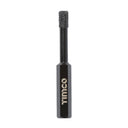
Ceramic, Tile & Glass Bits
ceramic-tile-glass-bits
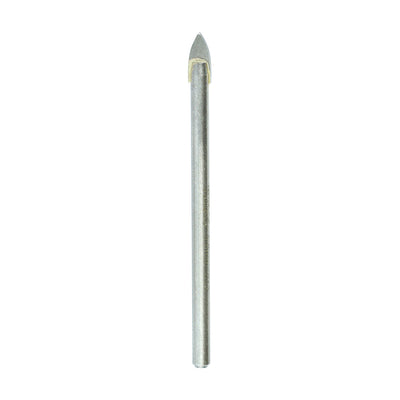
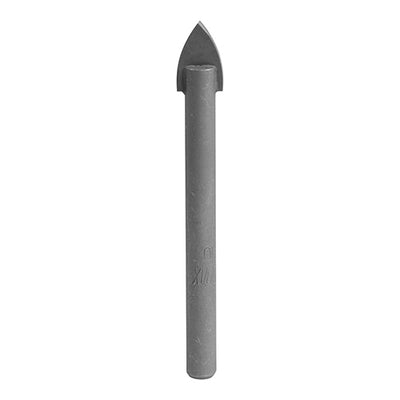
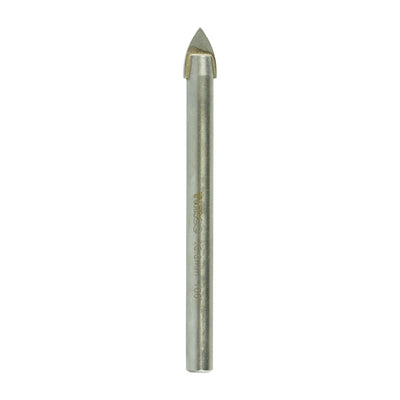
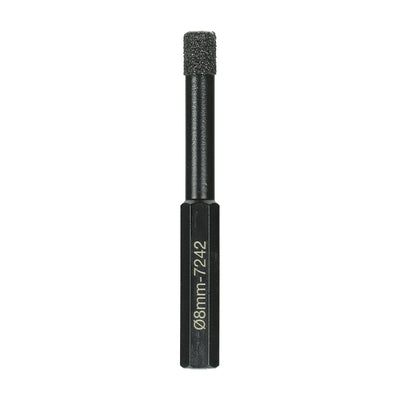
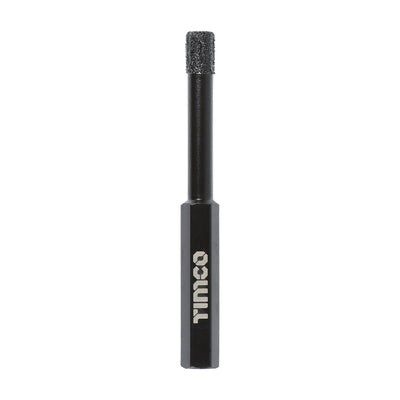
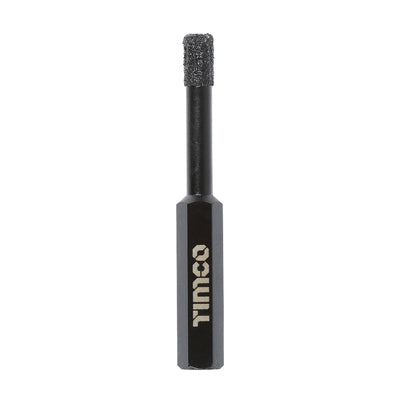
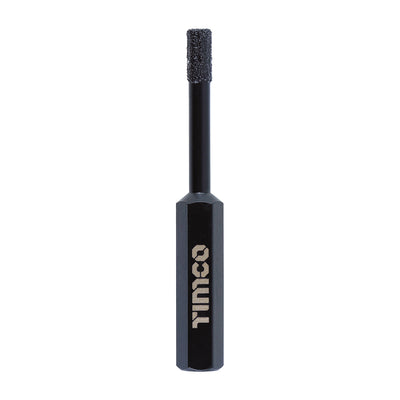
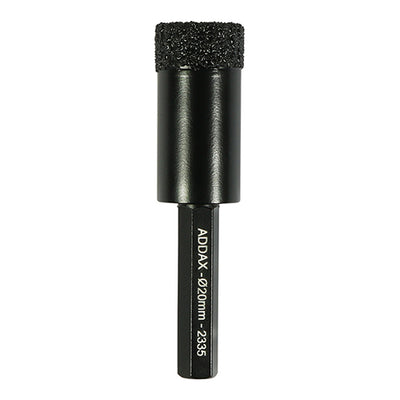

Drill Bits for Tiles and Glass That Actually Work
Standard drill bits crack tiles. They chip glass. They ruin an expensive surface in seconds. Ceramic tile glass bits are made for this exact job. This range covers carbide-tipped tile drill bits, diamond-coated glass bits, and multi-material options. All suited to ceramic, porcelain, glazed tile, and glass. Whether you are a tradesperson or doing a home project, you will find the right bit here.
Why You Need the Right Drill Bit for Tiles
Tiles are hard and brittle. Glass is even more so. A standard twist drill bit generates heat and friction. That heat cracks ceramic. It shatters glass.
A proper ceramic bit drill uses a harder cutting tip. It is designed to cut, not grind. The result is a clean hole with no cracking or chipping around the edge.
Drill bits for tiles and glass need to work slowly and coolly. Speed kills the surface. The right bit with the right technique keeps everything intact.
Important: Never use hammer action when drilling into tiles or glass. Always use a standard rotary drill setting only. Hammer action causes instant cracking.
Types of Ceramic and Glass Drill Bits
Different tiles and glass need different bit types. Here is what is available and when to use each one.
Carbide-Tipped Tile Drill Bits
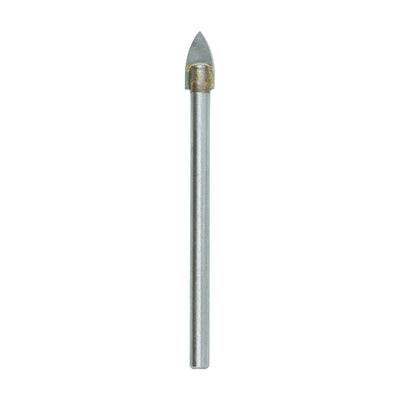
These are the most common drill bits for tiles. The tungsten carbide tip cuts cleanly through ceramic and glazed tile. They work on wall tiles, floor tiles, and standard ceramic surfaces. Best for standard ceramic tile up to 8mm thick. Not recommended for very hard porcelain tiles.
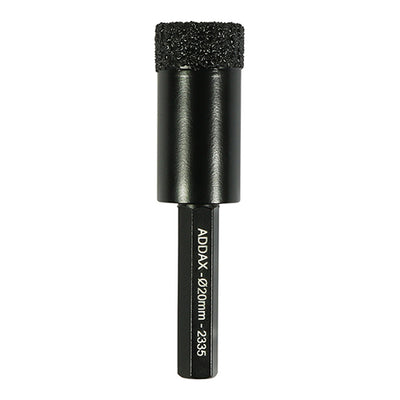
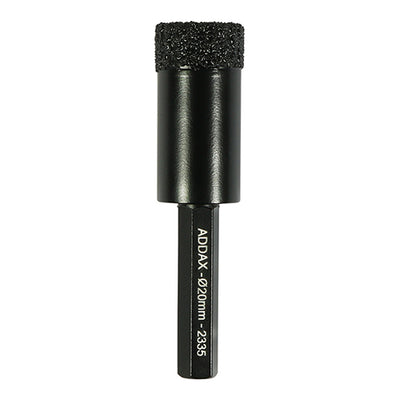
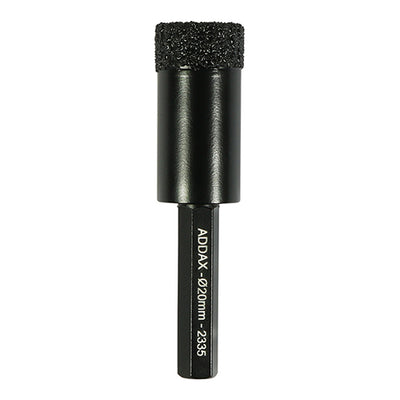
Diamond Core Drill Bits for Tiles
Diamond-coated bits cut through hard porcelain and natural stone tiles. They are also the safest option for drilling glass. Diamond bits last longer than carbide when used on hard surfaces. They need water or coolant to reduce heat during use. Ideal for trade use on large tiling projects.
Spear-Point Glass Drill Bits
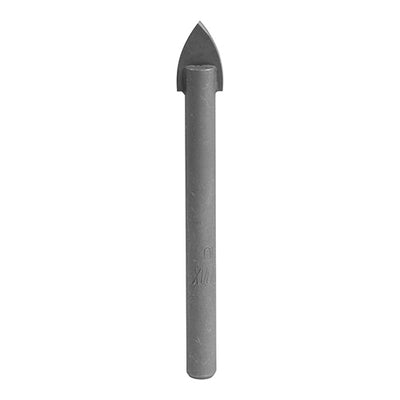
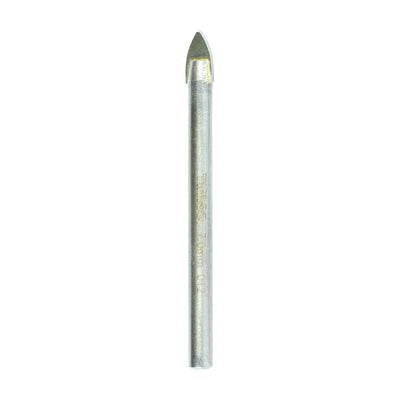
Spear-point bits have a pointed carbide tip. They are designed specifically for glass and mirrors. The shape lets the bit bite into the glass surface carefully. Use with very slow drill speed and constant water cooling. Not suitable for porcelain or floor tiles.
Multi-Material Tile Bits
Multi-material bits cut through ceramic, glass, and some porcelain. They are a flexible option for varied tiling tasks. Good for tradespeople who work across different tile types. A single bit handles more surfaces on site. Available in common sizes for standard fixing work.
Drill Bit Size Guide for Tiles and Glass
Getting the right size matters. Too small and the fixing will not fit. Too large and you risk cracking the tile outward.
| Drill Bit Size | Common Use | Typical Fixing Type |
|---|---|---|
| 4mm | Small wall tiles, glass shelving | Small screws, light hooks |
| 5mm | Standard wall tiles | Red or yellow wall plugs |
| 6mm | Wall and floor tiles | Brown wall plugs, mid-weight brackets |
| 8mm | Thicker floor tiles, porcelain | Heavy brackets, towel rails |
| 10mm+ | Large-format tiles, glass panes | Pipe fixings, shower fittings |
Always check your wall plug or anchor size before drilling. The hole needs to match the plug, not just the screw.
Which Drill Bit to Use for Each Tile Type
Not all tiles are the same. The hardness varies a lot. Using the wrong bit wastes time and damages the surface.
Standard Ceramic Wall Tiles
Use a carbide-tipped tile drill bit. These are the most affordable drill bits for tiles. They work well on soft to medium ceramic glazed tiles. Ideal for bathrooms, kitchens, and splashback areas.
Porcelain Floor Tiles
Porcelain is much harder than standard ceramic. A carbide tip will blunt quickly on porcelain. Use a diamond core bit for clean, reliable results. Work slowly and keep the bit cool with water.
Glass and Mirrors
Use a spear-point glass drill bit or a diamond bit. Glass requires very slow drill speed. Start at the lowest RPM setting on your drill. Keep the bit wet at all times to prevent cracking.
Natural Stone Tiles
Slate, marble, and granite need diamond-coated bits. Natural stone is dense and abrasive. Carbide tips wear down fast on stone surfaces. A diamond bit drills cleanly without chipping edges.
Glazed Mosaic Tiles
Small glazed tiles crack easily under pressure. Use a small carbide bit at low speed. Apply gentle, steady pressure only. Tape the surface before drilling to reduce chipping risk.
Large-Format Tiles (600mm+)
Larger tiles flex more under pressure. Use a diamond core bit for a stable, clean cut. Support the tile from behind if it is not yet fixed. This prevents cracking from vibration during drilling.
How to Drill Into Tiles Without Cracking Them
Good technique is just as important as the right bit. Follow these steps for a clean hole every time.
Step 1: Mark the spot. Use a pencil or marker to mark the drill point. Place a small strip of masking tape over the mark. This stops the bit from slipping when you start drilling.
Step 2: Set your drill correctly. Switch off the hammer action completely. Select rotary-only mode. Use a low to medium speed setting. High speed generates heat and damages the tile surface.
Step 3: Start slow. Apply light, steady pressure at the start. Let the bit bite into the glaze before increasing pressure slightly. Do not force the bit. Let it do the work.
Step 4: Keep the bit cool. For glass and porcelain, use a small amount of water. A damp sponge next to the hole works well. This prevents overheating and bit wear.
Step 5: Drill through to the wall. Once through the tile, switch to a masonry bit. The tile drill bit is not suited for brick or concrete behind the tile. Use the right drill bit for the substrate beneath.
Pro tip: If the tile chips at the surface edge, the bit is blunt or speed is too high. A sharp ceramic bit drill at the correct speed leaves a smooth, clean hole edge. Replace your bit if it starts to drag or overheat.
Carbide Tips vs Diamond Coating on Tile Drill Bits
These are the two main cutting technologies for tile and glass drilling. Both work, but they suit different jobs.
Carbide-tipped bits are the standard choice for ceramic tile drilling. They are affordable and widely available. They work well on soft to medium hardness ceramic surfaces. They blunt over time, especially on porcelain or abrasive stone. Replace them when they start to drag or overheat.
Diamond-coated bits last longer on harder surfaces. They are better suited to porcelain, natural stone, and glass. The diamond particles cut rather than scrape. This reduces heat and gives a cleaner hole edge. They cost more upfront but last significantly longer on hard tiles.
For light home use on standard ceramic, carbide is fine. For trade use on porcelain or natural stone, diamond is worth the investment.
Find the Right Tile and Glass Drill Bit for Your Job
Use the filters above to narrow by bit type, size, and material suitability. Check individual product pages for exact size ranges and compatible tile types before ordering.
Whether you need carbide drill bits for tiles in a bathroom, diamond bits for hard porcelain floor tiles, spear-point bits for glass shelving, or multi-material tile bits for varied site work, this range covers the most-used ceramic tile glass bits for trade and DIY across the UK.
For the wall fixings that go in after drilling, see our masonry and concrete fixings range.
Frequently Asked Questions
What drill bit should I use for ceramic tiles?
Use a carbide-tipped tile drill bit for standard ceramic tiles. These cut cleanly through glazed ceramic surfaces. Always turn off hammer action and use low to medium drill speed.
Can I use the same drill bit for tiles and glass?
Multi-material tile bits work on both ceramic and glass. Diamond-coated bits are also suitable for both. Avoid using carbide bits on glass as they may cause cracking.
Do I need to use water when drilling tiles?
Water is not always needed for standard ceramic tiles. It is recommended for porcelain, natural stone, and glass. Keeping the bit cool extends its life and reduces cracking risk.
Why does my tile drill bit keep slipping off the mark?
The glazed tile surface is very smooth and hard to grip at the start. Place a strip of masking tape over the drill mark before starting. Start at very low speed with light pressure until the bit bites in.
What size drill bit do I need for a tile wall plug?
Match the bit size to the wall plug, not just the screw. Most standard red wall plugs need a 6mm drill bit. Brown wall plugs typically need an 8mm bit. Always check the plug packaging for the correct drill size.
Can I drill porcelain tiles with a standard carbide bit?
It is not recommended. Porcelain is much harder than ceramic. A standard carbide bit will blunt quickly and may crack the tile. Use a diamond core tile drill bit for porcelain surfaces.
How do I stop tiles from cracking when drilling?
Turn off hammer action on your drill before you start. Use a sharp, correct tile bit at a low speed. Apply steady, gentle pressure and never force the bit through.
Related Drill Bits and Accessories
After drilling through the tile, you will need the right bit for the wall behind. See our full drill bits range for masonry, wood, and metal options.