12 products

Rasps, Chisels & Files
rasps-chisels-files
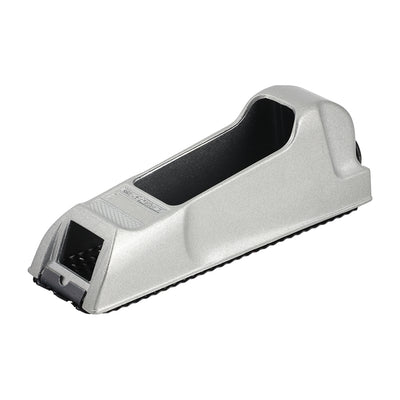
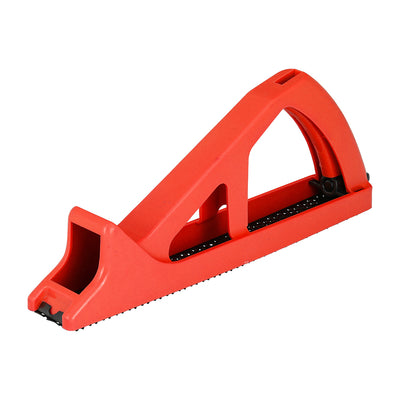

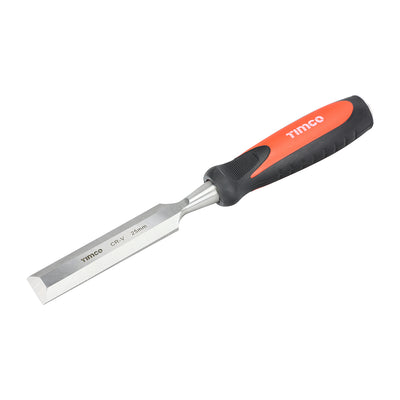
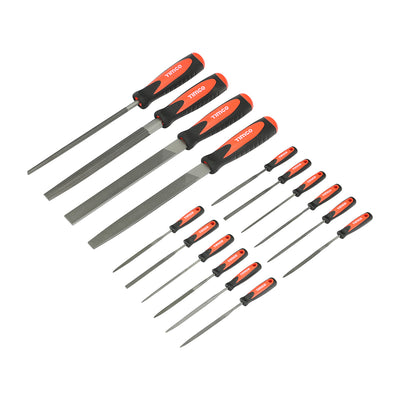
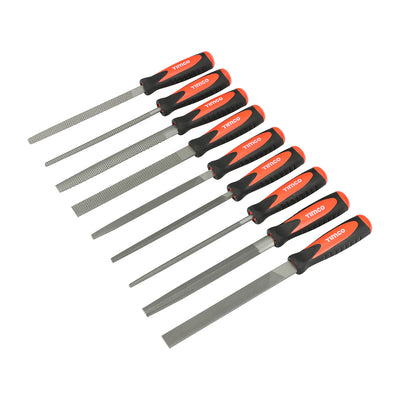
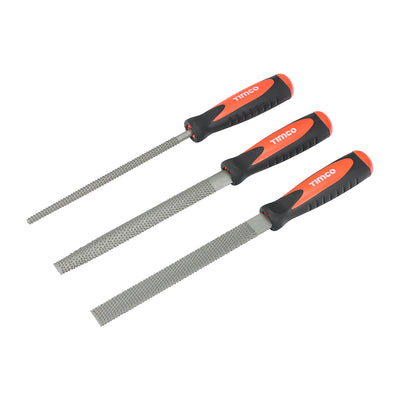
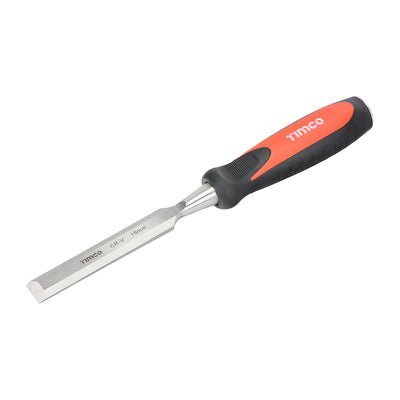
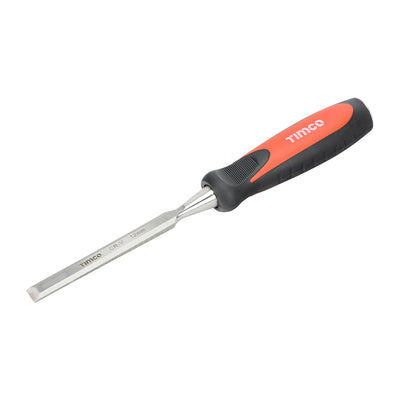
Rasps, Chisels and Files for Trade and DIY
The wrong cutting tool leaves rough edges, splits timber, and wastes time. A good rasp, chisel, or file makes shaping and finishing easy and accurate. Here you will find quality rasps, chisels, and files for wood, metal, and masonry. The range covers hand cut rasps, wood rasps, special chisels, bevel edge chisels, and flat files. All tools are suited to joiners, carpenters, woodworkers, and keen DIYers across the UK.
Shaping and Finishing Tools That Actually Work
Rasps, chisels, and files are hand tools for shaping material by hand. They cut, pare, and smooth wood, metal, or plastic with control. Power tools are fast, but hand tools give precision where machines cannot reach.
A sharp chisel cuts clean joints every time. A good wood rasp removes material quickly without tearing the grain. A smooth file brings metal or wood to a fine, accurate finish. Each tool has a specific job and a specific design to match it.
This range covers the most useful types for UK trade and home use. Whether you work in joinery, carpentry, or workshop craft, you will find the right tool here.
Good to know: Always work with the grain when using rasps for wood. Cut across the grain only when shaping tight curves. This reduces tear-out and keeps your finish clean.
Types of Rasps, Chisels, and Files
Each tool type does a different job. Here is what is available and when to use each one.
Wood Rasps
Wood rasps have raised, individual teeth cut into the blade. They remove wood quickly when shaping curved or irregular surfaces. Good for fitting joints, shaping chair legs, or trimming door edges. Rasps for wood come in flat, half-round, and round profiles. Half-round rasps are the most versatile for general woodwork.
Hand Cut Rasps
Hand cut rasps are made by skilled craftsmen, not machines. Each tooth is struck individually into the steel blank. This gives a random tooth pattern that cuts smoothly with less clogging. Hand cut rasps leave a much finer surface than machine-made rasps. They are ideal for fine woodworking and furniture making.
Bevel Edge Chisels
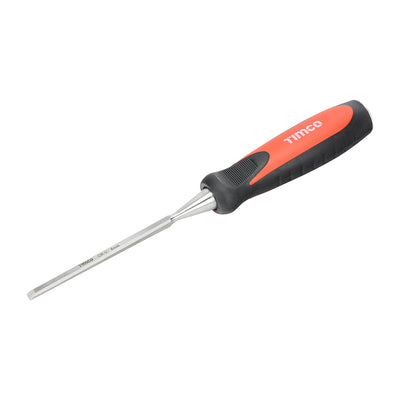
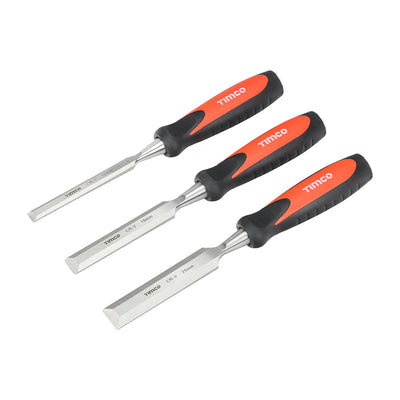
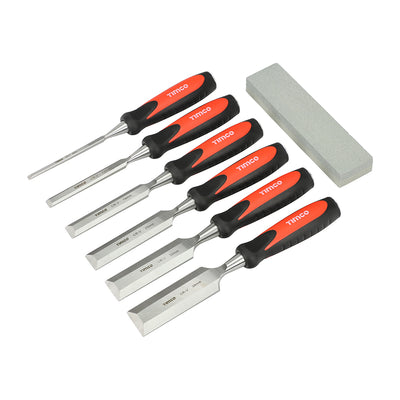
Bevel edge chisels are the standard chisel for joinery and carpentry. The angled sides allow the chisel to reach into dovetail joints easily. They are used for cutting, paring, and cleaning out mortises and joints. Available in widths from 6mm to 38mm to suit different joint sizes. A sharp bevel edge chisel cuts cleanly through hardwood and softwood. Specific options include Bevel Edge Wood Chisel 18mm, Bevel Edge Wood Chisel 12mm, Bevel Edge Wood Chisel 6mm, Bevel Edge Wood Chisel Set 3pcs.
Special Chisels
Special chisels are designed for tasks that standard chisels cannot do well. This includes mortise chisels for deep, heavy paring in hardwood. Also corner chisels for squaring up routed recesses cleanly. And flooring chisels for levering up floorboards without damage. Use a special chisel when the job demands a specific cutting action.
Flat Files
Flat files remove material from metal, wood, or plastic surfaces. They are used to smooth rough edges, fit parts, and clean up welds. Available in bastard, second cut, and smooth grades. Bastard cut removes material fast. Smooth cut gives a fine finish. Always use a file handle for safe, controlled work.
Round and Half-Round Files
Round files are used to enlarge holes and shape internal curves. Half-round files have one flat face and one curved face. This makes them useful on both flat and curved surfaces. They are common in metalwork, woodwork, and general maintenance tasks. Available in various lengths and cut grades.
Needle Files
Needle files are small, precise files for detailed work. They are used in engineering, jewellery making, and model making. Available in many profiles including round, square, flat, and triangular. They reach areas where larger files cannot fit. Often sold in sets to cover multiple profiles.
Riffler Rasps
Riffler rasps have curved, shaped ends for sculpting and carving. Each end has a different curve to reach difficult angles. They are used in stone carving, wood sculpting, and mould making. The teeth grip material firmly and cut in both push and pull directions. A specialist tool for anyone working on three-dimensional shapes.
Picking the Right Rasp, Chisel, or File for Your Job
Start by thinking about the material you are working with. Then consider the shape you need to create or the finish you need.
Shaping Wood by Hand
Use a half-round wood rasp for quick stock removal on curved parts. Follow up with a cabinet rasp or file for a smoother surface. Finish with a scraper or sandpaper for a clean final surface.
Cutting Timber Joints
Use a bevel edge chisel for dovetails, mortises, and housing joints. A mallet drives the chisel through the cut. Use hand pressure only for the final paring cut to keep control.
Heavy Paring in Hardwood
Use a mortise chisel or registered chisel for deep cuts in hard timber. These have thicker blades and stronger handles for mallet use. A standard bevel edge chisel may flex or chip under heavy use.
Metalwork and Engineering
Use a flat or half-round file for general metal shaping and deburring. Use a needle file set for small, precise metal work. Always use a file card to clean the teeth and prevent clogging.
Curved and Sculpted Shapes
Use a riffler rasp or round rasp for three-dimensional shaping. Round rasps work well inside bowls, spoon carving, and hollow forms. Work in stages, removing rough material first, then refining the shape.
Site and DIY Tasks
A standard bevel edge chisel set covers most site carpentry tasks. A flat file and half-round file handle most metal finishing needs. A wood rasp is useful for trimming door edges and fitting frames on site.
Bevel Edge Chisels vs Special Chisels
Not all chisels are built for the same task. Knowing the difference saves money and gives better results.
Bevel edge chisels are the everyday choice for joinery and woodwork. They are light, sharp, and easy to control. The tapered sides fit into angled joints like dovetails. They can be used with a mallet or pushed by hand. Most woodworkers and carpenters start with a set of bevel edge chisels.
Mortise chisels have a thick, stiff blade for cutting deep slots. They are driven hard with a mallet through dense hardwood. The blade resists twisting and flexing under heavy load. They are a special chisel for a specific, demanding task.
Flooring chisels have a wide, flat blade for levering boards. They are not for cutting wood grain. They prise and lift. A standard bevel edge chisel would bend or snap under that load.
Quick tip: Keep your chisels sharp at all times. A blunt chisel needs more force and causes more damage. Sharpen on a whetstone after every few hours of use. A sharp chisel is also much safer to use than a dull one.
Understanding File Cut Grades
Files come in different cut grades. Each grade removes a different amount of material. Picking the right grade gives a better result in less time.
| Cut Grade | Teeth Per Inch | Best Use |
|---|---|---|
| Bastard Cut | Coarse (fewer teeth) | Fast material removal, rough shaping |
| Second Cut | Medium | General filing, smoothing after bastard cut |
| Smooth Cut | Fine (more teeth) | Fine finishing, close tolerance fitting |
| Dead Smooth | Very fine | Polishing and precision surface work |
| Needle File Grade | Extra fine | Detail work, small parts, engineering |
Always start with the coarser grade when removing a lot of material. Move to a finer grade to refine the surface as you get closer to size. This gives a better finish and extends the life of your fine-cut files.
What Is the Difference Between a Rasp and a File?
Rasps and files look similar but work very differently. Knowing the difference helps you pick the right tool for the job.
Rasps have individually raised, pointed teeth. Each tooth cuts like a tiny chisel and lifts material away. Rasps cut fast and are mainly used on wood, leather, and soft materials. They leave a coarser surface than a file.
Files have rows of parallel ridges cut into the blade. These ridges scrape material away in fine shavings. Files are used on metal, wood, and plastic for a smoother finish. Files cut more slowly than rasps but leave a much finer surface.
Use a rasp first to remove bulk material on wood quickly. Then follow up with a file or cabinet scraper for a finer finish. On metal, use a file only. Rasps do not work well on hard metal.
Hand Cutting Tools for Every Woodworker and Tradesperson
Use the filters above to sort by tool type, size, and brand. Check each product page for blade width, cut grade, and handle type before ordering.
Whether you need rasps for wood shaping, a special chisel for deep mortise work, bevel edge chisels for fine joinery, or flat files for metalwork and finishing, this range covers the most used hand cutting tools for trade and DIY across the UK. See our full hand tools range for mallets, marking tools, and more. For sharpening equipment to keep your chisels and files in top condition, visit our sharpening tools section.
Frequently Asked Questions
What are rasps used for in woodwork?
Rasps are used to shape and remove material from wood by hand. They work well on curved surfaces, tight joints, and rough shaping tasks. Wood rasps cut faster than files and are used before final sanding or filing.
What is a special chisel and when do I need one?
A special chisel is designed for a specific task a standard chisel cannot do well. Examples include mortise chisels for deep hardwood slots and flooring chisels for lifting boards. Use a special chisel when the task puts too much stress on a standard bevel edge chisel.
What is the difference between a bastard cut and a smooth cut file?
A bastard cut file has coarse teeth and removes material quickly. A smooth cut file has fine teeth and gives a finer finish. Start with bastard cut to shape, then finish with smooth cut to refine.
Can I use a wood rasp on metal?
No. Wood rasps are not suitable for metal. The teeth will blunt very quickly on hard metal surfaces. Use a metal file instead for filing, shaping, and deburring metal.
What chisel width should I buy first?
A 25mm bevel edge chisel is the most useful size for general woodwork. For a starter set, widths of 6mm, 12mm, 19mm, and 25mm cover most tasks. These sizes suit the most common joint widths used in UK joinery and carpentry.
How do I stop a file from clogging?
Use a file card or wire brush to clean the teeth between strokes. Apply chalk or a little light oil to the teeth before filing metal. This reduces clogging and keeps the file cutting efficiently.
What is a hand cut rasp and is it worth the extra cost?
A hand cut rasp has teeth made individually by hand, not machine cut. This gives a random pattern that cuts more smoothly with less clogging. For fine woodworking and furniture making, the cleaner cut is worth the higher price.
Related Hand Tools
Rasps, chisels, and files are often used alongside other hand tools. See our hand tools range for mallets, marking gauges, and saws.