22 products
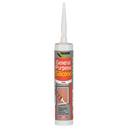
Sealants
sealants
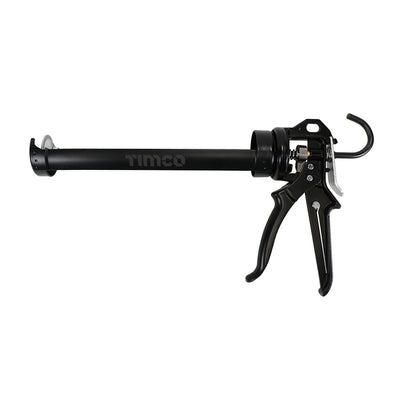
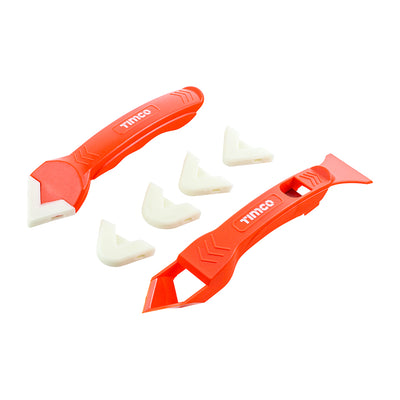
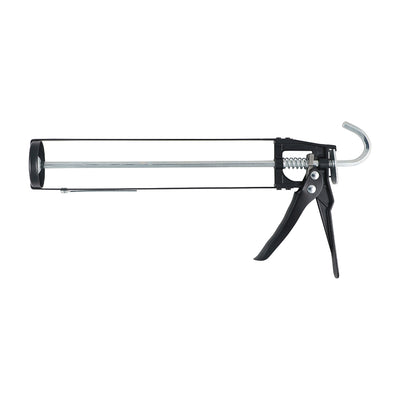
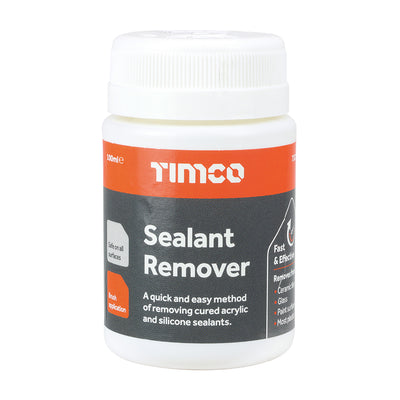
TIMCO Sealant Remover, Dissolves Silicone Sealant, Easy to use Brush Bottle - 100ml
- Pack quantity
- 1 Each
- Price
- £6.00Incl. VAT
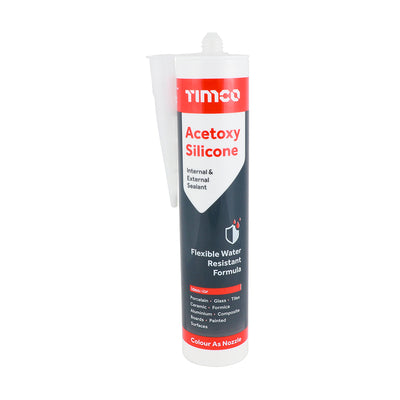
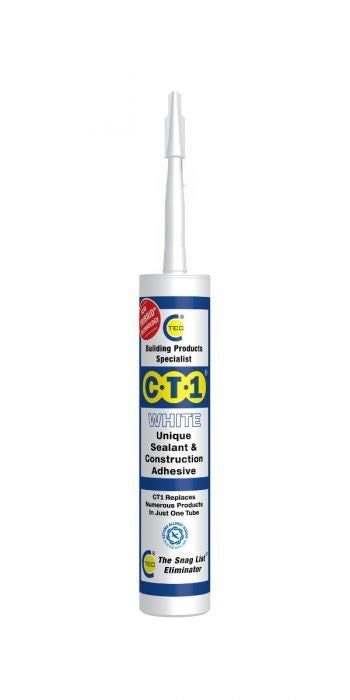
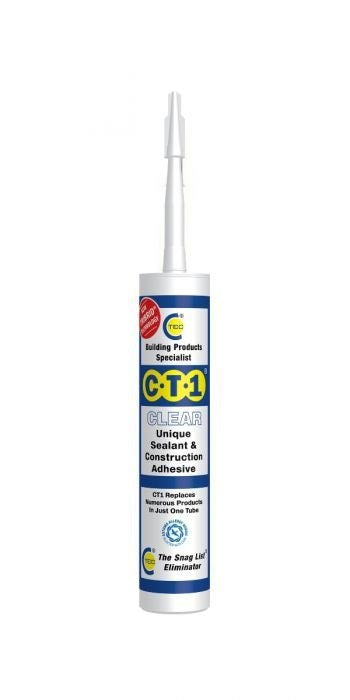
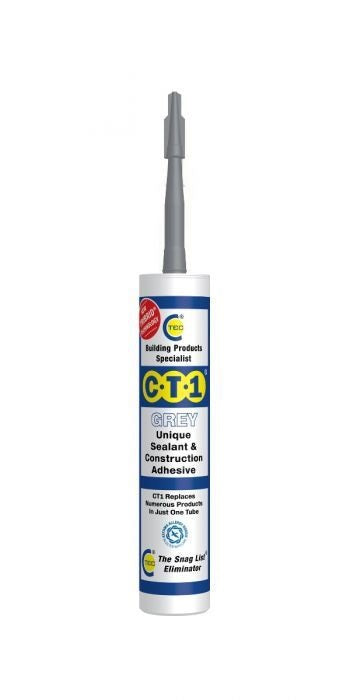
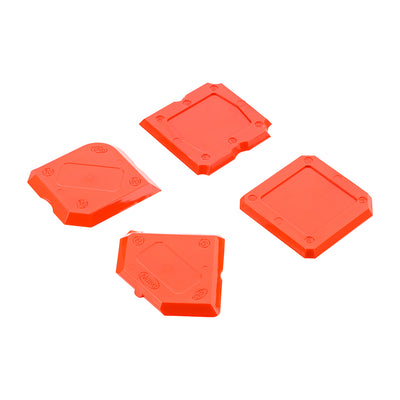
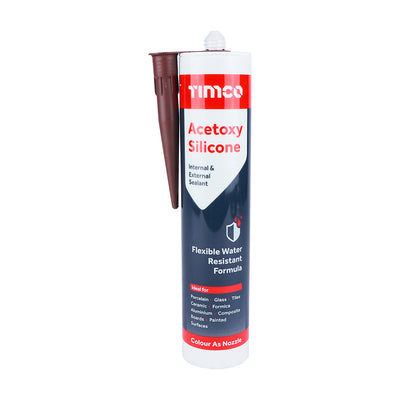
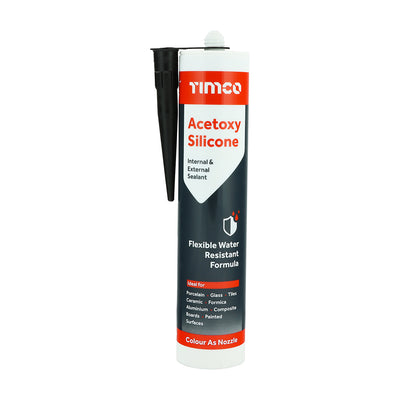
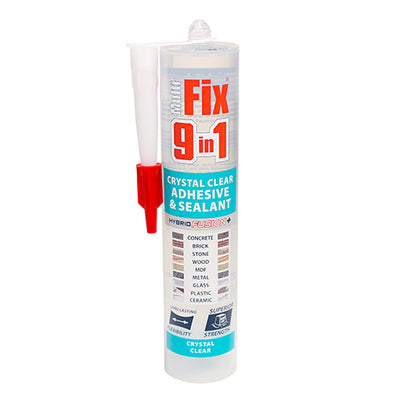
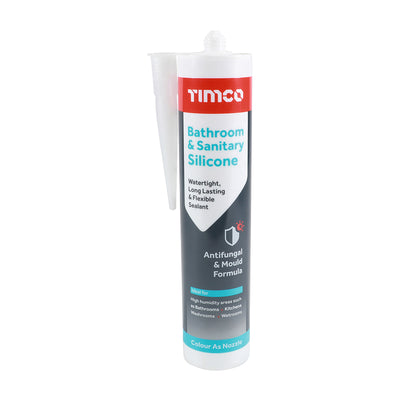
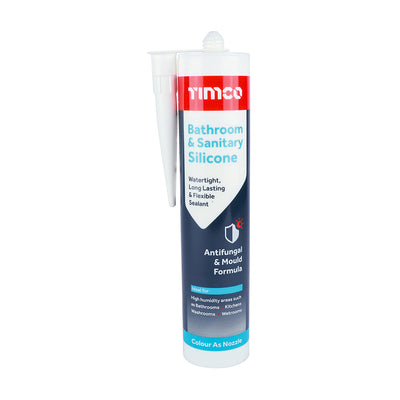
TIMCO Bathroom & Sanitary Silicone Sealant Clear - 300ml
- Pack quantity
- 1 Each
- Price
- £6.10Incl. VAT
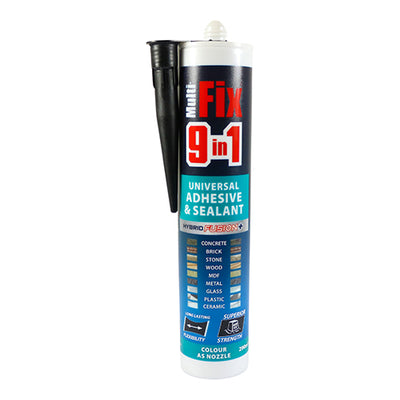
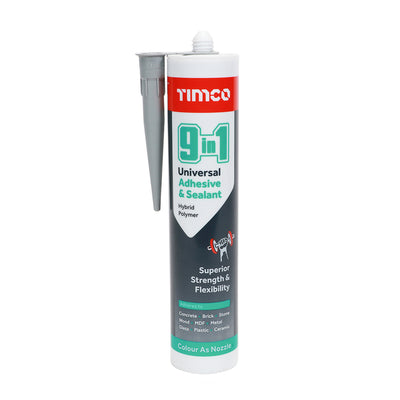
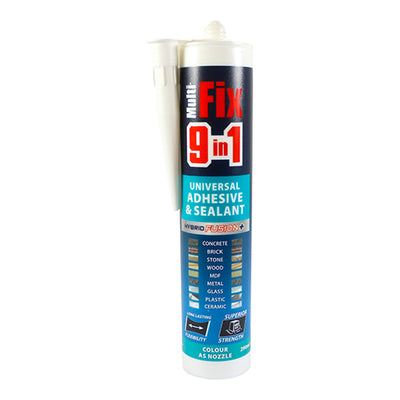
Sealants for Construction, Trade and DIY
A bad seal costs more than a good one. Water gets in. Gaps let draughts through. Joints crack and fail early. Here you will find professional-grade sealants for construction, repair, and maintenance. This range covers silicone sealants, polyurethane sealants, concrete sealants, general purpose sealants, and more. All products are suited to trade and DIY use across the UK.
Sealants That Actually Do the Job
Not every sealant works on every surface. Using the wrong one causes early failure. It can shrink, crack, or not bond at all.
Good sealants fill gaps. They block water, air, and noise. They flex with the building. They last for years when applied correctly.
This range is stocked for UK tradespeople and serious DIYers. Products cover indoor and outdoor use. They suit concrete, brick, timber, glass, and more.
Quick tip: Always clean and dry the surface before applying any sealant. Dust, grease, or moisture stops the sealant bonding properly. A clean surface gives a longer-lasting seal.
Types of Sealants Available
Each sealant type is made for a specific purpose. Here is what is available and when to use each one.
Silicone Sealant
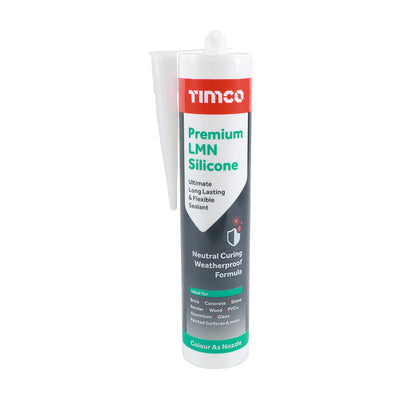
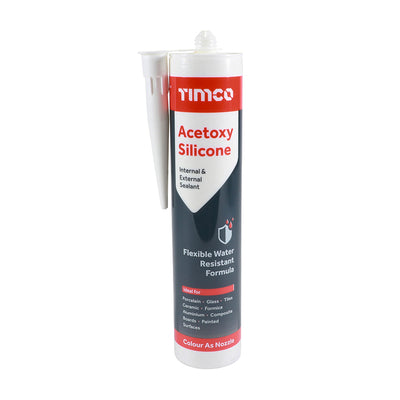
Silicone sealant is waterproof and flexible. It stays elastic after curing. It is ideal for wet areas like bathrooms, kitchens, and showers. It bonds well to glass, tiles, and metal. Available in clear, white, and grey finishes. It resists mould and handles temperature changes well.
Polyurethane Sealant
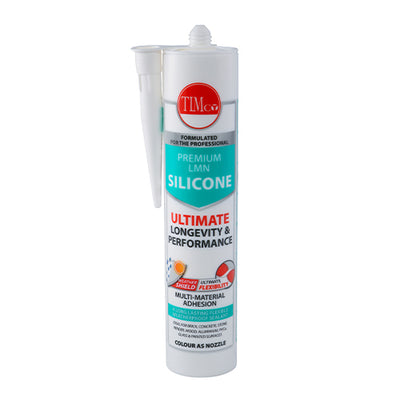
Polyurethane sealant is tough and highly flexible. It is one of the best sealants for construction joints. It bonds to concrete, timber, stone, and metal. It can be painted over once cured. It suits both internal and external use.
Concrete Sealant Waterproof
Concrete sealant protects concrete surfaces from water ingress. It penetrates deep into the surface. It stops damp, cracking, and frost damage. It is used on driveways, floors, walls, and patios. A good concrete sealant waterproof product extends surface life significantly.
General Purpose Sealant
General purpose sealants work across a wide range of surfaces. They fill gaps in skirting boards, architraves, and wall-ceiling joints. Most are paintable and water-based. They are easy to apply and clean up with water. A go-to option for general building and decorating work.
Fire-Rated Sealant
Fire-rated sealants seal gaps around pipes and cables. They stop fire and smoke from spreading through walls or floors. They are required in many UK building regulations situations. Always check the fire rating and certification before use.
Acoustic Sealant
Acoustic sealants reduce sound transfer between rooms. They stay permanently flexible. They do not harden or crack over time. Ideal for use in partition walls, floors, and around service penetrations.
Matching Sealants to Your Job
The right sealant depends on where it goes and what it needs to do. Here is a simple guide by task type.
Wet Areas and Bathrooms
Use a waterproof silicone sealant. Look for one with anti-mould properties. Apply around baths, showers, sinks, and splashbacks. White or clear finishes work best in most UK bathrooms.
Concrete Floors and Driveways
Use a concrete sealant waterproof product. It protects the surface from rain, oil, and frost. Apply before the first winter for best results. Reapply every few years to maintain protection.
External Construction Joints
Use a polyurethane sealant for construction joints. It handles movement and weather exposure well. It bonds to most building substrates. It is paintable, which suits external render and masonry work.
Window and Door Frames
Frame sealing needs a flexible, waterproof sealant. Use silicone or polyurethane depending on the frame material. Seal the external face to stop water ingress. Seal the internal face to stop draughts and heat loss.
Decorating and Plastering Gaps
Use a general purpose sealant for internal decoration gaps. Fill gaps at skirting boards, coving, and ceiling lines. Most general purpose sealants are overpaintable within hours. They smooth out easily with a wet finger.
Fire and Acoustic Penetrations
Use a certified fire-rated or acoustic sealant. Always follow the product data sheet for depth and application method. These products are required in specific construction situations under UK building standards.
Sealant Type Comparison at a Glance
Not sure which sealant to pick? This table makes it simple.
| Sealant Type | Best For | Paintable | Waterproof |
|---|---|---|---|
| Silicone | Bathrooms, kitchens, glass | No | Yes |
| Polyurethane | Construction joints, external use | Yes | Yes |
| Concrete Sealant Waterproof | Driveways, floors, external concrete | No | Yes |
| General Purpose | Internal gaps, decorating | Yes | Water resistant |
| Fire-Rated | Cable and pipe penetrations | Some | No |
| Acoustic | Partition walls, floors | Yes | No |
How to Apply Sealant Correctly
Even the best sealant fails if applied poorly. Follow these steps every time.
1. Clean the Surface
Remove all old sealant, dust, grease, and moisture. Use a sealant remover tool or a sharp blade. Wipe down with a dry cloth before starting.
2. Prepare the Cartridge
Cut the nozzle at a 45-degree angle. Cut it slightly smaller than the gap you are filling. Load the cartridge into a standard sealant gun.
3. Apply in One Smooth Pass
Apply the sealant in one steady movement. Do not stop and start. Keep the gun moving at an even pace. Fill the joint fully without gaps or air pockets.
4. Smooth and Finish
Wet your finger or use a sealant tool. Run it along the bead in one pass. This pushes the sealant into the joint and gives a clean edge.
5. Allow Full Cure Time
Do not wet or disturb the sealant before it cures. Cure time varies by product. Most silicones take 24 hours. Polyurethane sealants may need longer in cold UK weather.
6. Check the Seal
Once cured, inspect the joint for gaps or missed areas. Apply a thin second bead if needed. A good seal should be smooth, continuous, and fully bonded.
Note: In cold weather, silicone sealants skin over slowly. Below 5°C, some products will not cure properly at all. Always check the minimum application temperature on the product label.
Internal vs External Sealants
Internal and external sealants are not the same product. Using an internal sealant outside can lead to early cracking and water ingress.
Internal sealants are typically water-based and paintable. They are used on skirting boards, coving, and wall-ceiling joints. They do not need to handle UV light or rain.
External sealants must resist UV, rain, frost, and building movement. Silicone and polyurethane are the most common choices outdoors. They stay flexible even after years of exposure.
Always check the product label for "for external use" or "suitable for outdoor use." Do not assume a sealant works outside just because it is waterproof.
Find the Right Sealant for Your Project
Use the filters above to narrow by sealant type, substrate, and application. Check individual product pages for full technical data before ordering.
Whether you need a concrete sealant waterproof product for outdoor surfaces, a general purpose sealant for decorating, or a polyurethane sealant for construction joints, this range has you covered. All products are stocked for trade and DIY use across the UK. For adhesives and fillers used alongside sealants, see our adhesives range.
Frequently Asked Questions About Sealants
What is the best waterproof sealant for concrete?
A dedicated concrete sealant waterproof product is the best option. It penetrates the surface and blocks water from getting in. Polyurethane sealant also works well for sealing cracks and joints in concrete.
What sealant should I use for construction joints?
Polyurethane sealant is the standard choice for sealants in construction. It bonds to most building materials, handles movement, and can be painted. It suits both internal and external construction joints.
Is silicone sealant the same as general purpose sealant?
No. Silicone sealant is waterproof and non-paintable. General purpose sealant is usually water-based and paintable. Use silicone in wet areas and general purpose sealant for internal decorating gaps.
How long does sealant take to dry in the UK?
Most silicone sealants skin over in 30 to 60 minutes. Full cure takes 24 hours in normal conditions. Cold or damp UK weather can slow this down. Always check the product label.
Can I paint over sealant?
It depends on the type. General purpose and polyurethane sealants are usually paintable. Silicone sealant is not paintable. Paint will not stick to it. Always check the product page for paintability before applying.
What is the difference between a sealant and a filler?
A filler is rigid once dry. It is used for cracks that do not move. A sealant stays flexible. It is used in joints that expand and contract. Use sealant anywhere the substrate might move slightly over time.
Do I need a sealant gun to apply sealant?
Yes, for cartridge sealants you need a sealant gun. It gives you better control and an even application. Some sealants also come in squeeze tubes for smaller jobs without a gun.
Related Products
Sealants are often used alongside other site products. See our adhesives for bonding materials before sealing.
For fixings used in the same areas as sealants, see our masonry fixings range.