3 products
Wood Drill Bit Sets
wood-drill-bit-sets
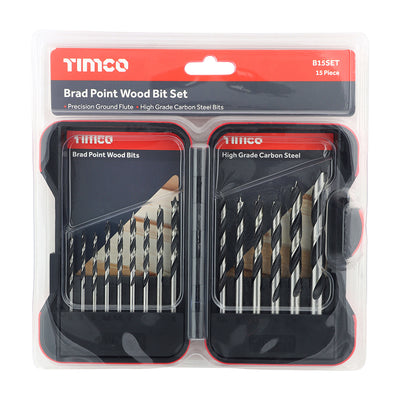
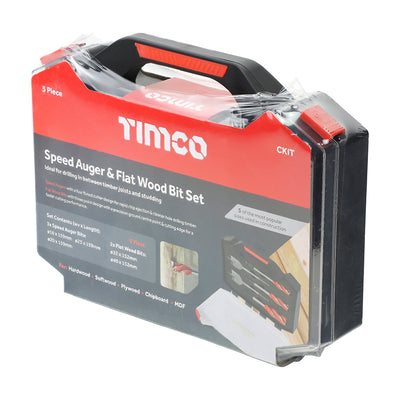
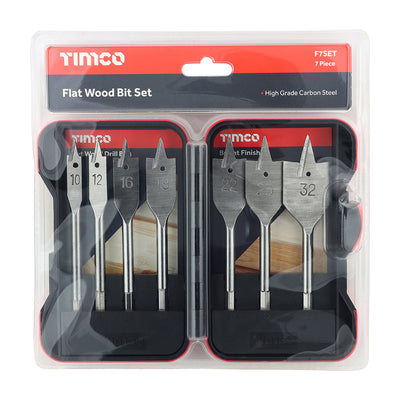
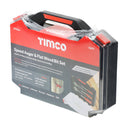
Wood Drill Bit Sets for Trade and DIY Use
Using the wrong drill bit in wood splits the grain and ruins the finish. It also slows you down on the job. A good wood drill bit set gives you the right size for every task. Here you will find wood drill bit sets built for speed, accuracy, and clean results. Suitable for softwood, hardwood, MDF, plywood, and chipboard. Whether you are a joiner, carpenter, or home improver, the right set is here.
Why a Quality Wood Drill Bit Set Matters
Dull or wrong-sized bits tear the wood fibres rather than cutting them. This leaves rough edges, splinters, and oversized holes. A proper set of drill bits for wood solves this instantly.
Wood is not a single material. Softwood cuts easily and quickly. Hardwood like oak or ash needs a sharper, stronger bit. Engineered boards like MDF need clean entry and exit points. One universal bit will not give you clean results across all these materials.
That is why a dedicated wood drill bit set is a smart buy. You get the right geometry and coating for wood-specific work. You also get a range of sizes in one go.
Quick tip: Always use a backing board behind thin wood. Place a scrap piece of timber under your workpiece. This prevents breakout and splintering on the exit side.
Types of Drill Bits for Wood
Not every wood bit is the same. Each type has a specific use. Here is what you will find and when to use each one.
Twist Drill Bits for Wood
Standard twist bits are the most common type in any wood drill bit set. They drill straight, round holes in softwood and hardwood. Best used for pilot holes, screw clearance holes, and dowel holes. Available in sizes from 1mm up to 13mm or larger. Always use a pointed tip version for cleaner entry in wood.
Brad Point Bits
Brad point bits have a sharp centre point and two outer spurs. The centre point locates the bit precisely before drilling starts. The spurs score the wood edge before the main flute removes material. This gives a very clean, splinter-free hole. Ideal for joinery, cabinet making, and furniture work.
Flat Bit (Spade Bit)
Flat bits drill large-diameter holes quickly in softwood and hardwood. They are fast to use but leave a rougher finish than brad point bits. Common in construction for cable runs and pipework routing. Sizes typically range from 10mm to 38mm. Not ideal where a clean finish is needed.
Auger Bits
Auger bits drill deep, clean holes in thick timber. The screw tip pulls the bit into the wood without pressure. The long flutes clear waste quickly, even in deep cuts. Used by joiners and carpenters for post and beam work. Works well in both green and seasoned timber.
Forstner Bits
Forstner bits drill flat-bottomed holes with very smooth walls. They are used for hinge recesses, shelf pin holes, and dowel joints. The clean finish makes them a top pick for furniture makers. They can also drill overlapping or angled holes. Requires a drill press or steady hand for best results.
Countersink Bits
Countersink bits create a tapered recess above a screw hole. This lets the screw head sit flush or below the wood surface. Essential for clean screw fixing in visible joinery. Some sets include a combined twist and countersink bit. Saves time compared to drilling a pilot hole and countersinking separately.
What to Look for in the Best Drill Bit Set for Wood
Not all sets are the same quality. Here is what to check before buying.
Steel Grade
High-speed steel (HSS) is the most common material for wood drill bits. It holds an edge well and suits most wood types. HSS-G (ground) bits are more precise and last longer. Carbon steel bits are cheaper but blunt faster. For hardwood, go for HSS-G or titanium-coated bits.
Tip Geometry
Look for a sharp centre point or brad point tip. This stops the bit wandering on entry. Flat-tipped twist bits slip on the surface and drill off-centre. A good tip makes a big difference to accuracy in wood.
Size Range
A good wood drill bit set covers the most common sizes. Typically 1mm to 10mm or 3mm to 16mm depending on the set. Sets with metric sizes are most useful for UK trade work. Having the right size ready saves trips to the merchant.
Shank Type
Round shanks fit all standard drill chucks. Hex shanks fit quick-release impact driver chucks directly. For frequent bit changes, hex shank sets save time. Check what drill you are using before buying a set.
Storage Case
A well-made case keeps bits organised and protected. Loose bits rattle around and go blunt faster. Indexed cases show the size clearly for each slot. This matters on a busy site where time is short.
Compatibility
Check whether the set suits cordless drills, corded drills, or both. Most wood drill bit sets work with standard 10mm or 13mm chucks. Some larger bits require a 13mm chuck or larger to grip the shank.
Matching Your Bit to the Wood Type
Different wood materials need different drill bit types. Use this guide to match bit type to material correctly.
| Wood Material | Recommended Bit Type | Notes |
|---|---|---|
| Softwood (Pine, Spruce) | Brad Point or Twist HSS | Easy to drill. Use moderate speed. |
| Hardwood (Oak, Ash, Beech) | Brad Point or HSS-G | Use slower speed and steady pressure. |
| MDF | HSS Twist or Brad Point | Generates fine dust. Use a dust mask. |
| Plywood | Brad Point or Forstner | Score surface first to reduce breakout. |
| Chipboard | HSS Twist | Bits blunt faster. Check sharpness often. |
| Thick Timber (Joists, Posts) | Auger or Flat Bit | Use a long-reach bit for deep holes. |
| Thin Sheet Wood | Brad Point | Always back the sheet to stop breakout. |
Using the wrong bit on engineered boards blunts the bit quickly. It also leaves a poor finish that is hard to fix after.
Drill Speed Guide for Wood Drilling
Speed matters as much as bit type. Too fast and you burn the wood. Too slow and you get a rough, torn hole.
| Bit Diameter | Softwood Speed (RPM) | Hardwood Speed (RPM) |
|---|---|---|
| 1mm to 3mm | 2,500 to 3,000 | 1,500 to 2,000 |
| 4mm to 6mm | 1,500 to 2,500 | 1,000 to 1,500 |
| 7mm to 10mm | 1,000 to 1,500 | 600 to 1,000 |
| 12mm to 16mm | 600 to 1,000 | 400 to 600 |
| Over 16mm | 300 to 600 | 200 to 400 |
Remember: Never use hammer action when drilling into wood. Hammer mode is for masonry and concrete only. Using it on wood will split and damage the material. Always set your drill to rotation only when using a wood drill bit set.
Common Wood Drilling Mistakes to Avoid
Even with a good set of drill bits for wood, mistakes happen. Here are the most common ones and how to avoid them.
Drilling at the Wrong Speed
High speed in hardwood causes burning and blunts the bit fast. Low speed in softwood gives a rough, torn hole. Match your drill speed to the wood type and bit size. Most cordless drills have two speed settings. Use them properly.
Not Using a Pilot Hole
Driving a screw without a pilot hole can split the wood. This is especially true near ends and edges. Always drill a pilot hole first when fixing close to the edge. Use a bit slightly smaller than the screw shank diameter.
Not Backing the Workpiece
Drilling without a backing board causes breakout on the exit side. The drill bit pushes wood fibres outward as it exits. Place a scrap piece of wood underneath before drilling through. This keeps both faces clean and splinter-free.
Using a Blunt Bit
A blunt bit takes more pressure and causes more heat. It leaves a rough hole and risks splintering the surface. Check your bits regularly. Replace or resharpen blunt ones. A sharp bit cuts cleanly with very little pressure needed.
Using the Wrong Bit Type
Masonry or metal bits used on wood will not cut cleanly. They are designed for different materials and geometries. Always use a bit from a dedicated wood drill bit set. This gives you the right cutting angle and tip design.
Skipping the Mark-Up
Drilling without marking the exact position leads to off-centre holes. Use a pencil and try square to mark accurately. A centre punch or bradawl makes a small dent to locate the bit. This stops the tip wandering when you start drilling.
Who Uses Wood Drill Bit Sets
Wood drill bit sets are used across many trades and projects in the UK. Here is who benefits most from a quality set.
Carpenters and Joiners
Carpenters use wood bits every day for door hanging, skirting, and framing. A good set of drill bits for wood saves time on every job. Brad point and countersink bits are daily essentials in this trade.
Kitchen and Furniture Fitters
Furniture fitting needs precise, clean holes in MDF, chipboard, and hardwood. Forstner bits are ideal for hinge recesses and dowel joints. A full wood drill bit set covers every hole type needed on a fit-out.
First Fix Trades
Electricians and plumbers drill through joists, studs, and rafters daily. Flat bits and auger bits are fast and effective for large-diameter holes. Having the right size in a set avoids costly delays on site.
DIY Home Improvers
DIYers need a set that covers the most common home jobs. Putting up shelves, fitting doors, and building flat-pack furniture all need wood drilling. A mid-range wood drill bit set covers all of these tasks well.
Get the Right Wood Drill Bit Set for Your Work
Use the filters above to narrow by bit type, size range, and shank type. Check individual product pages for full size details and material compatibility before ordering.
Whether you need a brad point set for clean joinery work, a flat bit set for routing cable runs, or a general-purpose HSS wood drill bit set for everyday trade use, you will find the right option here. All sets are stocked for fast UK delivery.
Need screws to go with your drilled holes? See our wood screws range for a full selection of sizes and head types.
Frequently Asked Questions
What is a wood drill bit set used for?
A wood drill bit set is used to drill holes in timber, MDF, plywood, chipboard, and other wood-based materials. Each bit in the set is designed with a tip and cutting geometry suited to wood, giving clean, accurate holes without splitting or tearing.
What is the best drill bit set for wood in the UK?
The best drill bit set for wood depends on your work type. For general trade use, an HSS-G brad point set in sizes 3mm to 10mm covers most jobs. For fine joinery and furniture work, a Forstner bit set gives cleaner flat-bottomed holes. Always look for sets made from high-speed steel (HSS) or better.
Can I use a metal drill bit on wood?
You can use an HSS metal drill bit on wood in an emergency, but it is not ideal. Metal bits lack the tip geometry needed for clean wood drilling. They tend to wander on entry and leave a rougher hole. A dedicated wood drill bit set always gives better results.
What size drill bit do I need for wood screws?
For a pilot hole, use a bit slightly smaller than the screw shank. For a clearance hole, use a bit the same size as the shank. For example, a 4mm screw typically needs a 2.5mm to 3mm pilot hole. Always check the screw packaging for the recommended bit size.
What is a brad point drill bit used for in wood?
A brad point bit is used for accurate, clean holes in wood. The centre point locates the bit precisely before drilling starts. The outer spurs score the edge of the hole cleanly. This prevents splintering and gives a smooth, neat finish. It is the preferred bit for joinery and cabinet work.
How do I stop wood splitting when drilling?
Always drill a pilot hole before driving a screw. Place a backing board under the workpiece to prevent breakout on the exit side. Reduce drill speed near the end of the cut. Use a sharp brad point bit rather than a blunt twist bit for cleaner results.
Do wood drill bits work in a cordless drill?
Yes. Most wood drill bit sets have round or hex shanks that fit standard cordless drill chucks. For round shanks, you need a 10mm or 13mm chuck. For hex shank sets, they click straight into quick-release chucks. Always check the shank type before buying.
Related Drill Bits and Accessories
Wood drill bits are often used alongside other drilling products. See our full drill bits range for masonry, metal, and multi-material options.
For screws that work with your pre-drilled holes, see our wood screws range for a full selection of sizes and head types.