24 products
Collated Drywall Screws
collated-drywall-screws
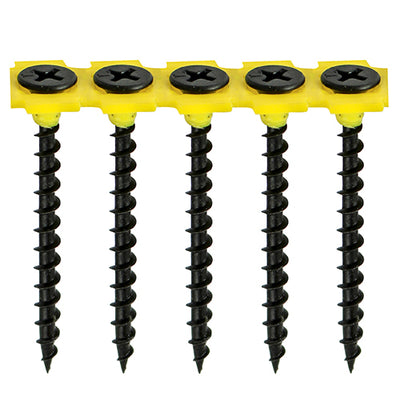
TIMCO Collated Drywall Coarse Thread Bugle Head Black Screws - 3.5 x 55 (1000pcs)
- Pack quantity
- 1000 Pieces
- Price
- £18.65Incl. VAT
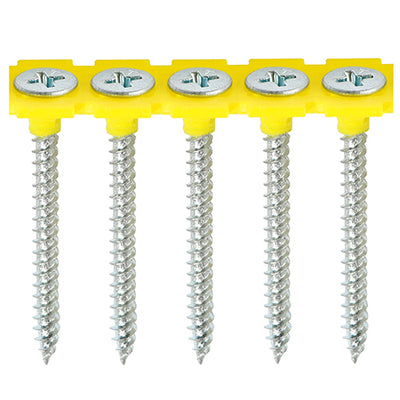
TIMCO Collated Drywall Fine Thread Bugle Head Silver Screws - 3.5 x 35 (1000pcs)
- Pack quantity
- 1000 Pieces
- Price
- £14.26Incl. VAT
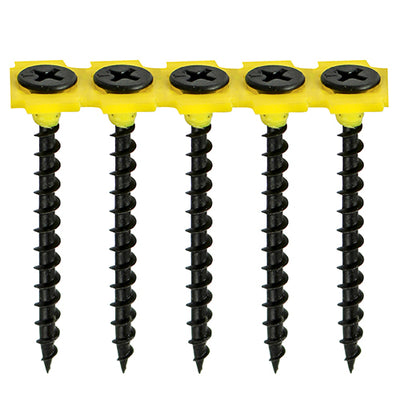
TIMCO Collated Drywall Coarse Thread Bugle Head Black Screws - 3.5 x 25 (1000pcs)
- Pack quantity
- 1000 Pieces
- Price
- £12.97Incl. VAT
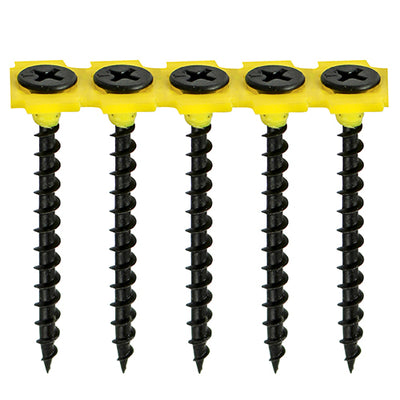
TIMCO Collated Drywall Coarse Thread Bugle Head Black Screws - 3.5 x 32 (1000pcs)
- Pack quantity
- 1000 Pieces
- Price
- £13.70Incl. VAT
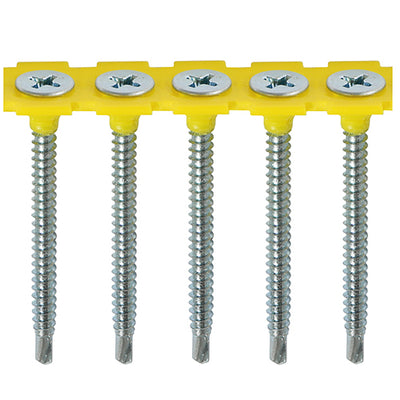
TIMCO Collated Drywall Self-Drilling Bugle Head Silver Screws - 3.5 x 50 (1000pcs)
- Pack quantity
- 1000 Pieces
- Price
- £20.70Incl. VAT
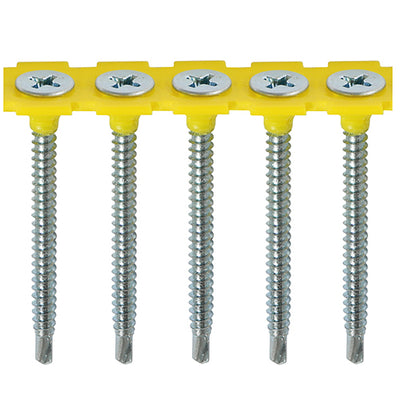
TIMCO Collated Drywall Self-Drilling Bugle Head Silver Screws - 3.5 x 45 (1000pcs)
- Pack quantity
- 1000 Pieces
- Price
- £18.90Incl. VAT
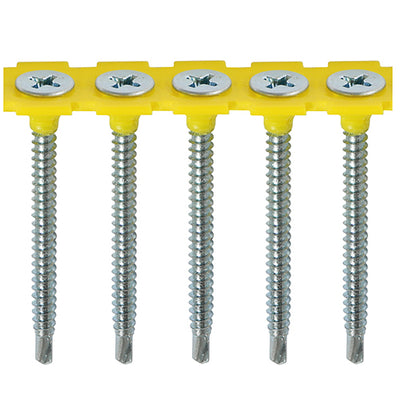
TIMCO Collated Drywall Self-Drilling Bugle Head Silver Screws - 3.5 x 35 (1000pcs)
- Pack quantity
- 1000 Pieces
- Price
- £17.12Incl. VAT
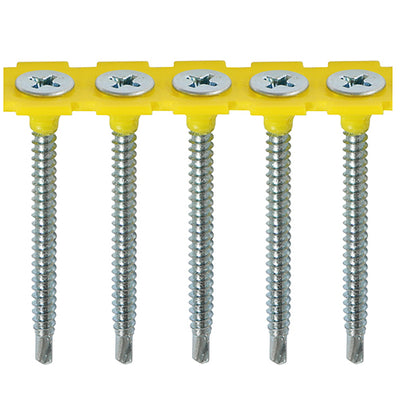
TIMCO Collated Drywall Self-Drilling Bugle Head Silver Screws - 3.5 x 40 (1000pcs)
- Pack quantity
- 1000 Pieces
- Price
- £22.20Incl. VAT
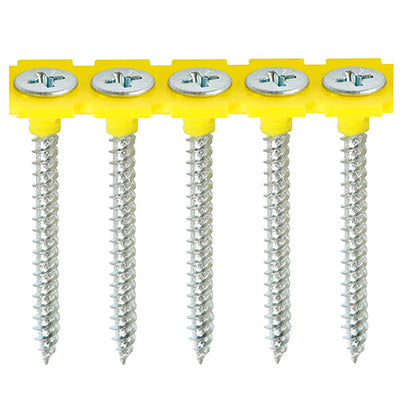
TIMCO Collated Drywall Fine Thread Bugle Head Silver Screws - 3.5 x 55 (1000pcs)
- Pack quantity
- 1000 Pieces
- Price
- £18.65Incl. VAT
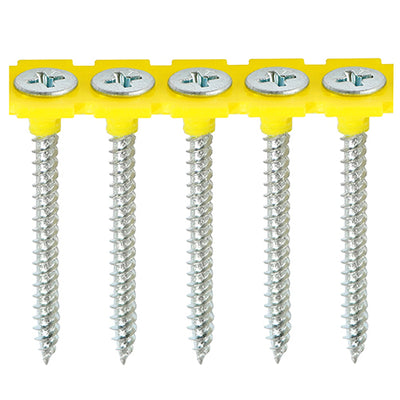
TIMCO Collated Drywall Fine Thread Bugle Head Silver Screws - 3.5 x 50 (1000pcs)
- Pack quantity
- 1000 Pieces
- Price
- £17.12Incl. VAT
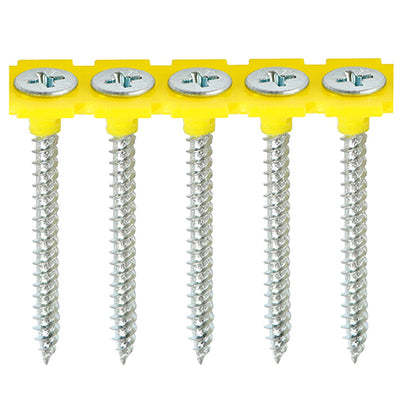
TIMCO Collated Drywall Fine Thread Bugle Head Silver Screws - 3.5 x 42 (1000pcs)
- Pack quantity
- 1000 Pieces
- Price
- £15.50Incl. VAT
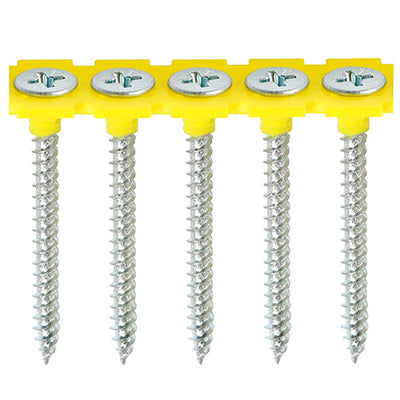
TIMCO Collated Drywall Fine Thread Bugle Head Silver Screws - 3.5 x 38 (1000pcs)
- Pack quantity
- 1000 Pieces
- Price
- £14.76Incl. VAT
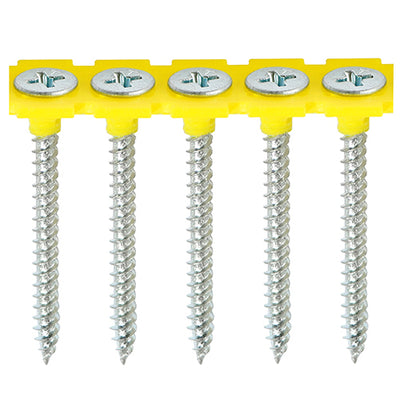
TIMCO Collated Drywall Fine Thread Bugle Head Silver Screws - 3.5 x 32 (1000pcs)
- Pack quantity
- 1000 Pieces
- Price
- £13.90Incl. VAT
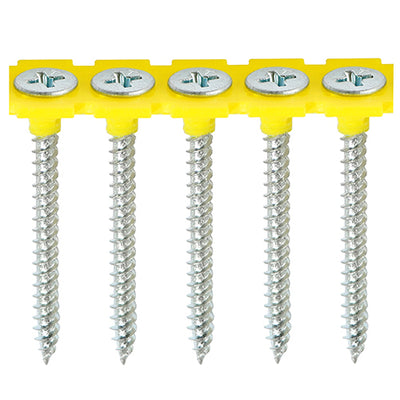
TIMCO Collated Drywall Fine Thread Bugle Head Silver Screws - 3.5 x 25 (1000pcs)
- Pack quantity
- 1000 Pieces
- Price
- £12.97Incl. VAT
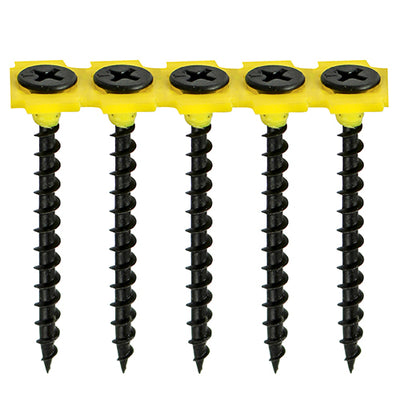
TIMCO Collated Drywall Coarse Thread Bugle Head Black Screws - 3.5 x 55 (800pcs)
- Pack quantity
- 800 Pieces
- Price
- £20.20Incl. VAT
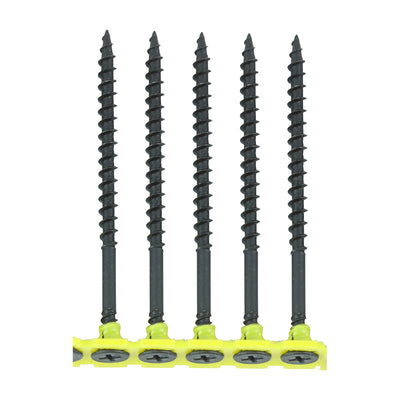
TIMCO Collated Drywall Coarse Thread Bugle Head Black Screws - 4.2 x 75 (500pcs)
- Pack quantity
- 500 Pieces
- Price
- £13.97Incl. VAT
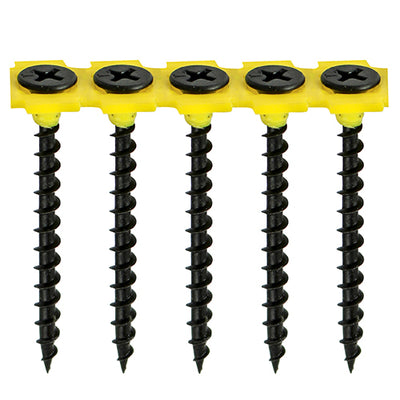
TIMCO Collated Drywall Coarse Thread Bugle Head Black Screws - 3.5 x 45 (1000pcs)
- Pack quantity
- 1000 Pieces
- Price
- £16.90Incl. VAT
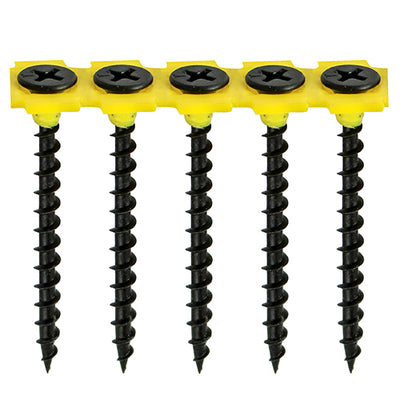
TIMCO Collated Drywall Coarse Thread Bugle Head Black Screws - 3.5 x 38 (1000pcs)
- Pack quantity
- 1000 Pieces
- Price
- £15.55Incl. VAT
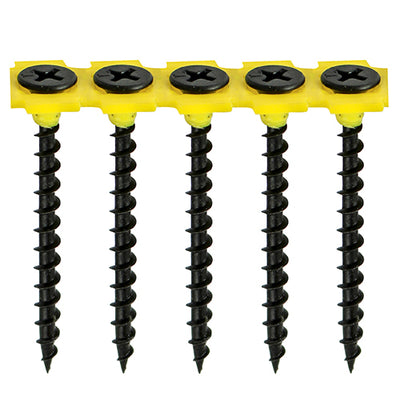
TIMCO Collated Drywall Coarse Thread Bugle Head Black Screws - 3.5 x 35 (1000pcs)
- Pack quantity
- 1000 Pieces
- Price
- £15.08Incl. VAT
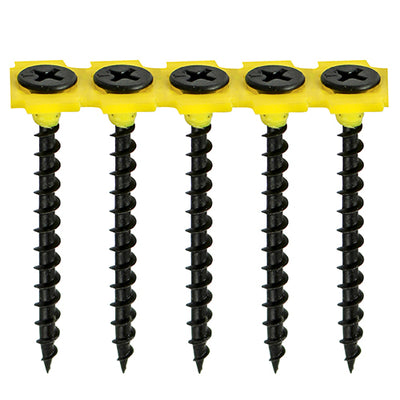
TIMCO Collated Drywall Coarse Thread Bugle Head Black Screws - 4.2 x 65 (500pcs)
- Pack quantity
- 500 Pieces
- Price
- £11.84Incl. VAT
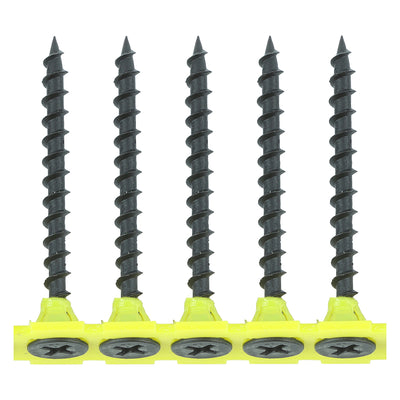
TIMCO Collated Drywall Coarse Thread Bugle Head Black Screws - 3.5 x 45 (1000pcs)
- Pack quantity
- 1000 Pieces
- Price
- £16.06Incl. VAT
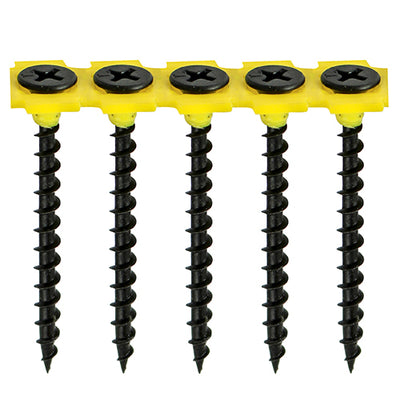
TIMCO Collated Drywall Coarse Thread Bugle Head Black Screws - 3.5 x 50 (1000pcs)
- Pack quantity
- 1000 Pieces
- Price
- £17.12Incl. VAT
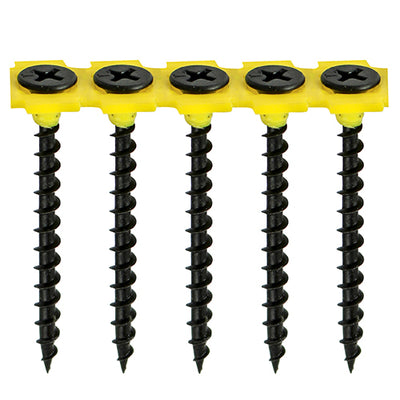
TIMCO Collated Drywall Coarse Thread Bugle Head Black Screws - 3.5 x 38 (1000pcs)
- Pack quantity
- 1000 Pieces
- Price
- £14.76Incl. VAT
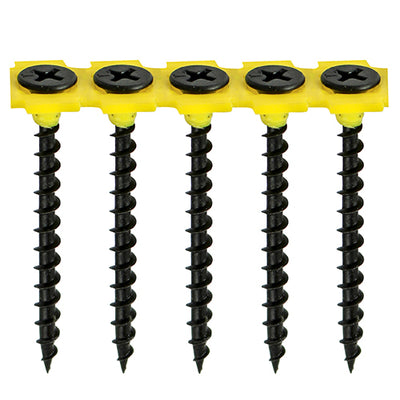
TIMCO Collated Drywall Coarse Thread Bugle Head Black Screws - 3.5 x 35 (1000pcs)
- Pack quantity
- 1000 Pieces
- Price
- £14.26Incl. VAT
Collated Drywall Screws: Fix Plasterboard Faster
Stop loading screws one by one. TIMCO collated drywall screws help your auto-feed gun keep working without stops. Choose from coarse thread, fine thread, and self-drilling screws for different jobs. All screws are made from carbon steel and come in black phosphate or zinc finishes. Thread sizes are 3.5mm and 4.2mm, with lengths from 25mm to 75mm. All 24 products are in stock now, and most packs contain 1,000 screws. Order before 2 pm for next-day UK delivery across the UK.
What Are Collated Drywall Screws?
Collated drywall screws come joined on a plastic strip. The strip feeds through a collated screw gun or an auto-feed attachment. Each screw is driven in turn. You do not stop to reload between fixings.
On a large partition or ceiling job this saves a lot of time. Dry-liners and plasterers use collated screws to fix plasterboard to timber studwork and metal framing. The bugle head on every screw in this range sits flush without tearing the board face.
This collection covers all the TIMCO collated drywall screws we stock. Three types are available. Each one suits a different substrate. Pick the right type for your job before you order.
Three Types of Collated Drywall Screws in This Range
The three types in this collection are not the same. Thread pitch and tip design differ. Using the wrong type on the wrong substrate can strip the thread or split the board. Always check your substrate first.
Coarse Thread (Timber)
Thirteen products. Black phosphate finish. 3.5mm diameter from 25mm to 55mm. Also 4.2mm in 65mm and 75mm. The wide thread spacing grips wood fibres firmly. Use these to fix plasterboard to timber studwork and ceiling joists. The most common type for UK house building and renovation.
Fine Thread (Metal Framing)
Seven products. Zinc silver finish. 3.5mm diameter from 25mm to 55mm. The tight thread bites into steel without stripping. Use these on metal C-stud and U-track partitions. Produces a clean flush result in light-gauge steel framing. Do not use a coarse thread on metal stud.
Self-Drilling (Metal, No Pre-Drilling)
Four products. Zinc silver finish. 3.5mm diameter in 35mm, 40mm, 45mm, and 50mm. The drill-point tip bores through metal as the screw drives in. No pilot hole needed. Ideal for fast installation on light-gauge metal partitions and ceiling systems.
Bugle Head on Every Type
All 24 screws in this collection have a bugle head. The tapered underside pulls the screw flush with the board surface. It does not tear the paper face of the plasterboard. This is the correct head type for all drywall and dry-lining fixings. Do not use a pan or hex head for this work.
Quick rule: Timber stud or joist? Use coarse thread black. Metal C-stud or track? Use fine thread or self-drilling silver. Not sure? Check the frame material before you load the gun.
Black Phosphate vs Zinc: Which Finish to Choose
Finish affects corrosion resistance and application. The two finishes in this range are not interchangeable.
Black Phosphate
Used on all coarse thread products. The phosphate layer reduces surface rust during storage and installation. It also reduces friction as the screw drives into timber. This is the standard interior finish for timber-frame dry-lining work across the UK.
Zinc Silver
Used on all fine thread and self-drilling products. Zinc gives better moisture resistance than plain phosphate. Suited to metal framing environments where condensation can occur. Also gives a neater visual finish on visible fixings in bathrooms or kitchens before boarding.
Sizes and Lengths in This Collection
Two thread diameters are in stock: 3.5mm and 4.2mm. Most products are 3.5mm. The 4.2mm options are heavier-duty for deeper timber substrates. Use the table below to find the right size for your job.
| Type | Diameter | Lengths Available | Finish | Best For |
|---|---|---|---|---|
| Coarse Thread | 3.5mm | 25, 32, 35, 38, 45, 50, 55mm | Black Phosphate | Plasterboard to timber stud or joist |
| Coarse Thread | 4.2mm | 65, 75mm | Black Phosphate | Deep timber or structural dry-lining |
| Fine Thread | 3.5mm | 25, 32, 35, 38, 42, 50, 55mm | Zinc Silver | Plasterboard to metal C-stud or track |
| Self-Drilling | 3.5mm | 35, 40, 45, 50mm | Zinc Silver | Metal framing, no pilot hole needed |
How to Pick the Right Length
Length matters. Too short and the screw will not grip. Too long and it can push through the far side of the frame.
As a general guide, your screw should go at least 25mm into the stud or track beyond the plasterboard face. Use the guide below for common board thicknesses.
| Board Thickness | Substrate | Recommended Screw Length |
|---|---|---|
| 9.5mm | Timber stud | 3.5 x 35mm (coarse thread) |
| 12.5mm | Timber stud | 3.5 x 38mm or 3.5 x 45mm (coarse thread) |
| 15mm | Timber stud | 3.5 x 45mm or 3.5 x 50mm (coarse thread) |
| 12.5mm double layer | Timber stud | 3.5 x 55mm (coarse thread) |
| 12.5mm | Metal C-stud | 3.5 x 38mm (fine thread or self-drilling) |
| 15mm | Metal C-stud | 3.5 x 42mm or 3.5 x 45mm (fine thread or self-drilling) |
| 12.5mm double layer | Metal C-stud | 3.5 x 50mm or 3.5 x 55mm (fine thread) |
Trade tip: On ceilings, use a longer screw than you would on a wall. Gravity puts more pull on ceiling fixings. For 12.5mm board on timber joists, use a 3.5 x 45mm as a minimum. For metal ceiling grid, use 3.5 x 45mm self-drilling.
Pack Sizes and Quantities
Most products in this range come in 1000-piece packs. Two products come in packs of 500 pieces. These are the 4.2mm coarse thread screws in 65mm and 75mm. One product is available in a pack of 800 pieces.
Packs of 1000 are designed for auto-feed gun use on site. The plastic collated strip feeds cleanly through the gun without jamming. Keep spare packs on site to avoid delays mid-job.
1000-Piece Packs
The standard pack size for collated screws. Covers most 3.5mm products across all three types. Enough for a typical partition room or a full ceiling run. Best value per screw for regular dry-lining work.
500-Piece Packs
Used for the 4.2mm coarse thread screws in 65mm and 75mm. These are larger, heavier screws. 500 pieces is the standard pack for this size. Suitable for structural or deep-substrate applications where fewer fixings per area are needed.
Common Uses for Collated Drywall Screws
Collated self-tapping drywall screws are used on many types of interior build. Below are the most common jobs where this product is specified on UK sites.
Partition Walls
The main use for collated drywall screws on UK sites. Plasterboard is fixed to timber or metal stud frames to form internal partition walls. Auto-feed guns and collated screws make this fast and consistent. Use coarse thread for timber stud and fine thread or self-drilling for metal stud.
Ceilings and Soffits
Plasterboard ceilings are fixed to timber joists or metal ceiling grid. Use a coarse thread screw for timber and a self-drilling or fine thread screw for metal grid systems. Collated screws speed up ceiling runs where large areas of board need fixing quickly.
Double-Layer Plasterboard
Fire-rated and acoustic wall assemblies often use two layers of board. The second layer requires a longer screw to reach through both boards and into the frame. Use 3.5 x 55mm coarse thread for double-layer timber or 3.5 x 50mm fine thread for metal.
Dry-Lining to Masonry
Plasterboard is sometimes fixed to metal furring channels that are clipped to masonry walls. In this case, fine thread or self-drilling collated screws are used to fix the board to the metal channel. Coarse thread screws are not correct for this application.
Why TIMCO Collated Drywall Screws
TIMCO is one of the most used fastener brands in the UK construction trade. Their collated drywall screw range is built for on-site use every day. Here is what sets them apart from generic alternatives.
Consistent Strip Quality
Each screw on the plastic collated strip sits at the correct angle and spacing. This prevents jams in the auto-feed gun. Consistent strip quality means fewer stoppages and a faster overall fix rate per board.
Carbon Steel Construction
All screws are made from carbon steel. This gives the right hardness for drywall work. The screw drives cleanly without snapping under normal auto-feed torque settings. The tip holds its shape from start to finish of each drive.
Self-Tapping Self-Drilling Tips
The self-drilling products have a drill-point tip that cuts its own path through light metal. This removes the need for pre-drilling. The self-tapping thread then forms as the screw seats. This is a real time saver on metal frame jobs.
Bugle Head Finish
The bugle head on every screw pulls flush without breaking the board face. This is important for a good skim or paint finish. A torn board face will show through plaster. TIMCO bugle heads are machined to the correct taper angle every time.
Other Dry-Lining Screw Collections
This range covers collated screws for drywall work only. If you need hand-loaded plasterboard screws, visit our drywall screws collection. That range covers loose screws for manual screwdrivers and drills.
Working with metal stud and track systems? Our metal framing screws collection has a wider range of sizes for steel framing work beyond standard plasterboard fixing.
Need collated screws for timber rather than drywall? See our collated screws for wood range for deck, frame, and structural timber applications.
Frequently Asked Questions
1. What is the difference between coarse thread and fine thread collated drywall screws?
Coarse thread screws have wide-spaced threads. They grip timber fibres tightly. Use them to fix plasterboard to timber studs and joists. Fine thread screws have closer-spaced threads. They bite into metal without stripping. Use them for metal C-stud and U-track framing. Using a coarse thread screw on metal stud will strip the fixing and fail to hold the board.
2. Do I need a special gun to use collated drywall screws?
Yes. You need either a dedicated collated screw gun or an auto-feed screwdriver attachment that fits your drill or driver. The plastic collated strip feeds through the nose of the tool. You cannot use collated screws in a standard drill without an auto-feed adapter fitted. Most adapters sold in the UK are compatible with TIMCO collated strips.
3. When should I use self-drilling collated drywall screws instead of fine thread?
Use self-drilling collated screws when the metal framing has not been pre-drilled. The drill-point tip bores through the steel as the screw goes in. No pilot hole is needed. Fine thread screws work well in pre-punched or thin steel. Self-drilling types are faster on solid light-gauge metal, especially on large partition jobs where time on each fixing counts.
4. How many collated drywall screws do I need per sheet of plasterboard?
Fix one screw every 150mm to 200mm along each stud or joist. For a standard 2400 x 1200mm sheet on 400mm stud centres, plan for around 30 to 40 screws per board. On ceilings or fire-rated assemblies the fixing pattern may be tighter. Always follow the board manufacturer's fixing guide for fire and acoustic specifications.
5. Can collated drywall screws be used on ceilings?
Yes. Use coarse thread collated screws for plasterboard on timber joists. Use fine thread or self-drilling for metal ceiling grid systems. On ceilings, use a longer screw than you would on a wall. A minimum of 3.5 x 45mm is recommended for 12.5mm board on timber joists. The extra length compensates for the greater load on ceiling fixings.
6. What does the black phosphate finish do on drywall screws?
Black phosphate reduces surface friction as the screw drives into timber. This helps the screw seat cleanly without the tip slipping. It also provides a basic level of surface rust protection during storage and installation. Phosphate-coated screws are the standard choice for interior timber-frame dry-lining across UK construction.
7. Are the 4.2mm collated screws for the same jobs as the 3.5mm?
No. The 4.2mm coarse thread screws in 65mm and 75mm are for deeper or heavier-duty timber substrates. They provide extra holding strength where the frame is thicker or the board is under more load. For standard 12.5mm or 15mm plasterboard on typical UK timber studwork, the 3.5mm range covers the job. The 4.2mm options are best for structural dry-lining or heavier commercial applications.
Order Collated Drywall Screws for Next-Day UK Delivery
All 24 products in this collection are in stock at our Hull trade counter. Use the filters on this page to narrow by type, diameter, length, and finish. Check each product spec before adding to your basket.
All products are TIMCO collated drywall screws sold in 1000-piece or 500-piece packs. All prices include VAT. Order before 2 pm for next-day delivery across the UK. Free delivery on orders over £75.