38 products
Stainless Steel Nails
stainless-steel-nails
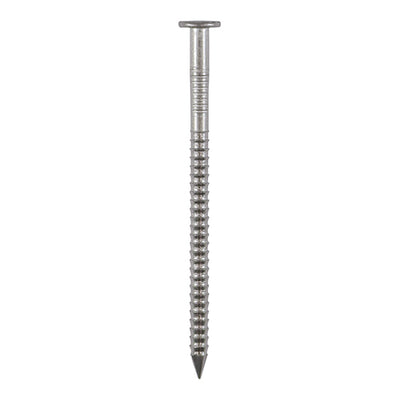
TIMCO Annular Ringshank Nails A2 Stainless Steel - 50 x 2.65 (1kg)
- Pack quantity
- 1 Kilograms
- Price
- £15.96Incl. VAT
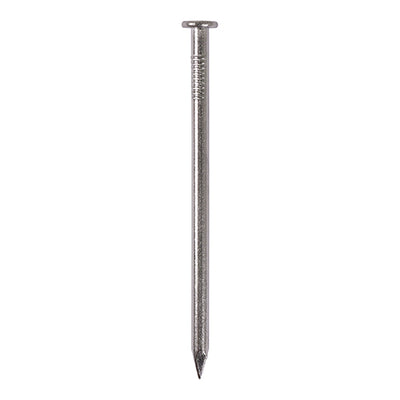
TIMCO Round Wire Nails A2 Stainless Steel - 100 x 4.00 (1kg)
- Pack quantity
- 1 Kilograms
- Price
- £15.96Incl. VAT
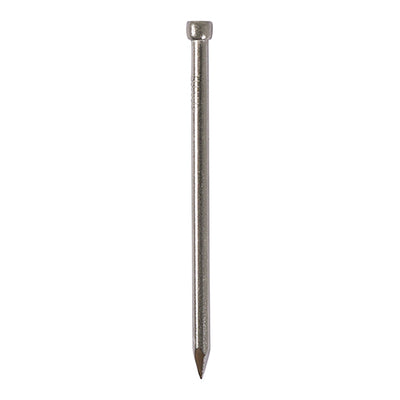
TIMCO Round Lost Head Nails A2 Stainless Steel - 65 x 3.35 (1kg)
- Pack quantity
- 1 Kilograms
- Price
- £15.96Incl. VAT
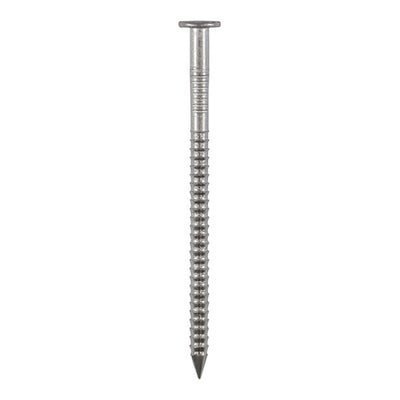
TIMCO Annular Ringshank Nails A2 Stainless Steel - 65 x 3.35 (1kg)
- Pack quantity
- 1 Kilograms
- Price
- £15.96Incl. VAT
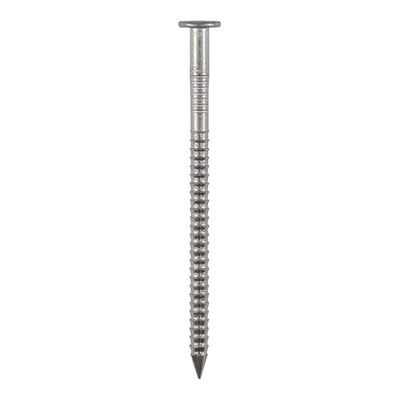
TIMCO Annular Ringshank Nails A2 Stainless Steel - 20 x 2.00 (1kg)
- Pack quantity
- 1 Kilograms
- Price
- £15.96Incl. VAT
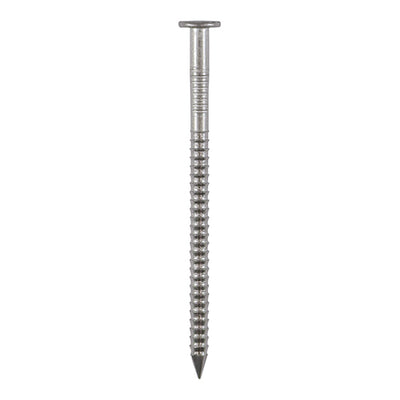
TIMCO Annular Ringshank Nails A2 Stainless Steel - 50 x 3.35 (1kg)
- Pack quantity
- 1 Kilograms
- Price
- £15.96Incl. VAT
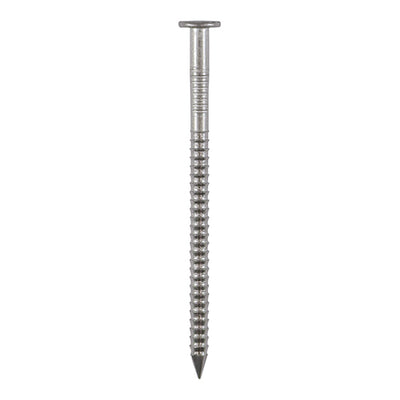
TIMCO Annular Ringshank Nails A2 Stainless Steel - 40 x 2.65 (1kg)
- Pack quantity
- 1 Kilograms
- Price
- £15.96Incl. VAT
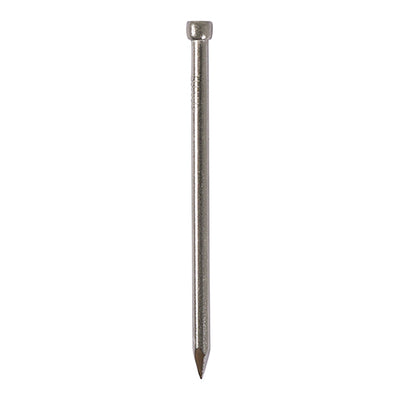
TIMCO Round Lost Head Nails A2 Stainless Steel - 40 x 2.65 (1kg)
- Pack quantity
- 1 Kilograms
- Price
- £15.96Incl. VAT
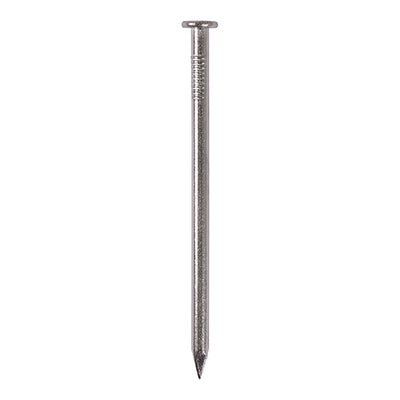
TIMCO Round Wire Nails A2 Stainless Steel - 125 x 5.60 (1kg)
- Pack quantity
- 1 Kilograms
- Price
- £15.96Incl. VAT

TIMCO Round Wire Nails A2 Stainless Steel - 150 x 6.00 (1kg)
- Pack quantity
- 1 Kilograms
- Price
- £15.96Incl. VAT
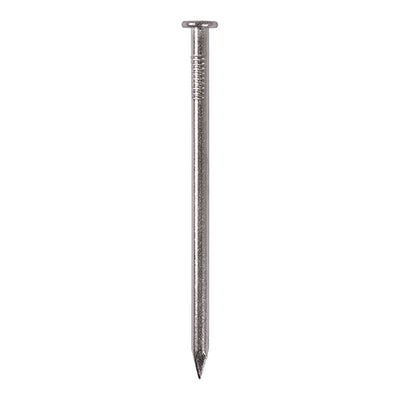
TIMCO Round Wire Nails A2 Stainless Steel - 65 x 3.35 (1kg)
- Pack quantity
- 1 Kilograms
- Price
- £15.96Incl. VAT
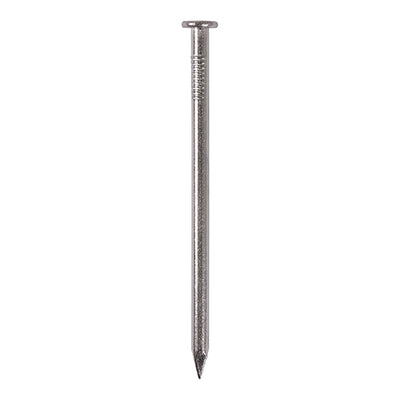
TIMCO Round Wire Nails A2 Stainless Steel - 50 x 2.65 (1kg)
- Pack quantity
- 1 Kilograms
- Price
- £15.96Incl. VAT

TIMCO Round Wire Nails A2 Stainless Steel - 40 x 2.65 (1kg)
- Pack quantity
- 1 Kilograms
- Price
- £15.96Incl. VAT

TIMCO Round Lost Head Nails A2 Stainless Steel - 40 x 2.65 (10kg)
- Pack quantity
- 10 Kilograms
- Price
- £144.19Incl. VAT
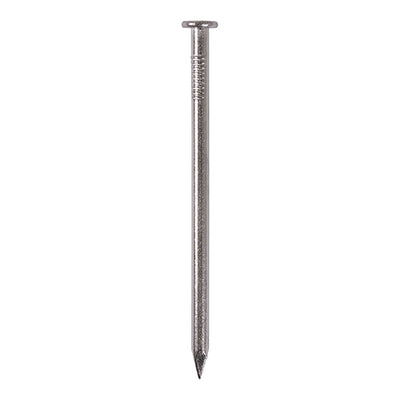
TIMCO Round Wire Nails A2 Stainless Steel - 150 x 6.00 (10kg)
- Pack quantity
- 10 Kilograms
- Price
- £144.19Incl. VAT
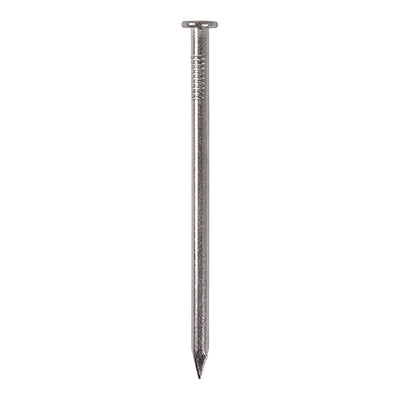
TIMCO Round Wire Nails A2 Stainless Steel - 125 x 5.60 (10kg)
- Pack quantity
- 10 Kilograms
- Price
- £144.19Incl. VAT
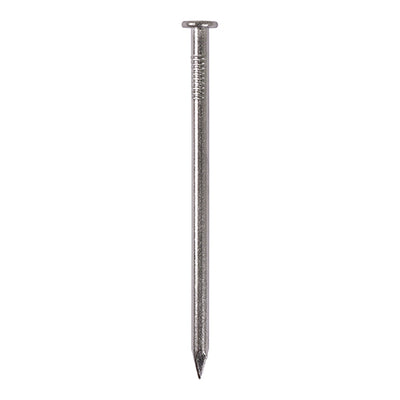
TIMCO Round Wire Nails A2 Stainless Steel - 65 x 3.35 (10kg)
- Pack quantity
- 10 Kilograms
- Price
- £144.19Incl. VAT
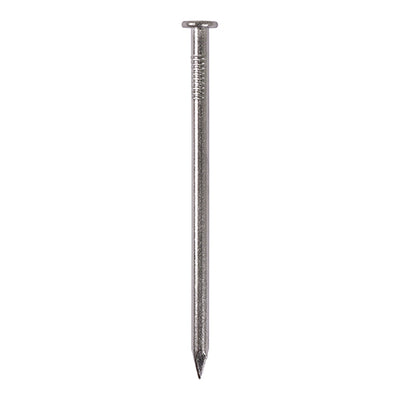
TIMCO Round Wire Nails A2 Stainless Steel - 50 x 2.65 (10kg)
- Pack quantity
- 10 Kilograms
- Price
- £144.19Incl. VAT
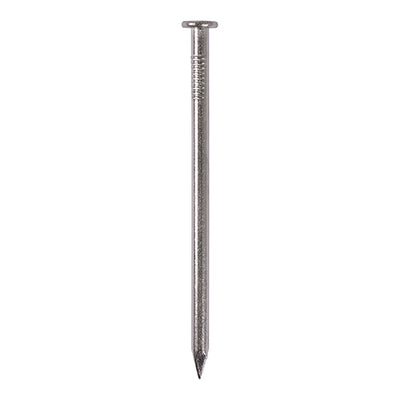
TIMCO Round Wire Nails A2 Stainless Steel - 40 x 2.65 (10kg)
- Pack quantity
- 10 Kilograms
- Price
- £144.19Incl. VAT

TIMCO Round Wire Nails A2 Stainless Steel - 75 x 3.75 (1kg)
- Pack quantity
- 1 Kilograms
- Price
- £15.96Incl. VAT
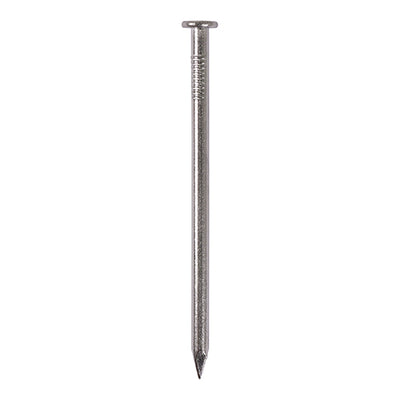
TIMCO Round Wire Nails A2 Stainless Steel - 75 x 3.75 (10kg)
- Pack quantity
- 10 Kilograms
- Price
- £144.19Incl. VAT
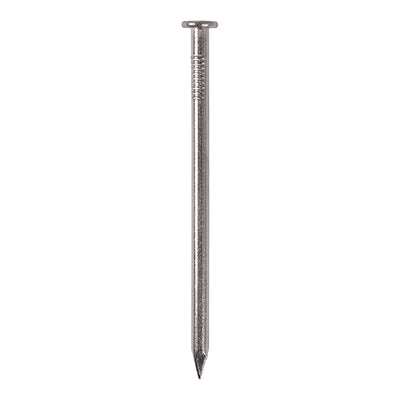
TIMCO Round Wire Nails A2 Stainless Steel - 100 x 4.00 (10kg)
- Pack quantity
- 10 Kilograms
- Price
- £144.19Incl. VAT
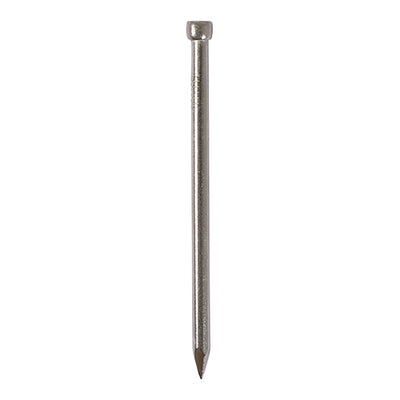
TIMCO Round Lost Head Nails A2 Stainless Steel - 50 x 2.65 (1kg)
- Pack quantity
- 1 Kilograms
- Price
- £15.96Incl. VAT
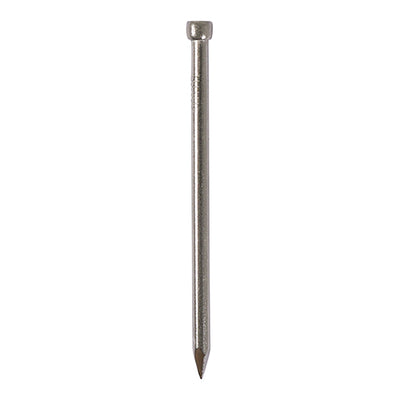
TIMCO Round Lost Head Nails A2 Stainless Steel - 65 x 3.35 (10kg)
- Pack quantity
- 10 Kilograms
- Price
- £144.19Incl. VAT
Stainless Steel Nails Built for Outdoor Use
Ordinary nails rust. They stain timber, weaken joints, and fail early. Stainless steel nails resist corrosion in damp, coastal, and exposed conditions. This range covers lost head nails, ring shank nails, clout nails, and shingle nails. All are suited to UK outdoor joinery, roofing, cladding, and timber frame work. Available in practical trade pack sizes for site and workshop use.
Why Stainless Steel Nails Matter
Rust is the biggest enemy of outdoor nailed timber. When a nail corrodes, it expands inside the timber. This splits the wood and weakens the joint over time.
Stainless steel nails do not rust. They hold their strength for years. They are ideal for softwood and hardwood cladding, fencing, decking, and roofing. They will not cause ugly brown staining on light-coloured timber.
They are also essential where building regulations require non-ferrous fixings. Many UK roofing and cladding specs call for stainless steel as standard.
Good to know: A2 stainless steel suits most UK outdoor jobs. A4 stainless steel is the better grade for coastal or marine environments. Always match the nail grade to your project conditions.
Available Types of Stainless Steel Nails
Different nail types suit different tasks. Here is a clear guide to what is in this range and when to use each type.
Stainless Steel Lost Head Nails
Stainless steel lost head nails have a small, narrow head. Once driven, the head sits flush with the timber surface. They give a neat, near-invisible finish. Ideal for cladding, flooring, and joinery where appearance matters. Available in a range of lengths for different timber thicknesses.
Stainless Steel Ring Shank Nails
Ring shank nails have ridged rings along the shank. These rings grip the timber fibres tightly. They resist withdrawal far better than smooth shank nails. Well suited to decking boards, fencing panels, and cladding. A strong choice where vibration or movement is a concern.
Stainless Steel Clout Nails
Clout nails have a wide, flat head. The large head spreads the load across a wider area. They are used for fixing roofing felt, slates, and roof tiles. Also used for fixing thin sheet materials to timber battens. A standard choice on UK roofing jobs.
Stainless Steel Shingle Nails
Stainless steel shingle nails are made for fixing wood shingles and shakes. They have a slim shank to reduce splitting. The head is small but wide enough to grip the shingle face. Using stainless steel here is important. Shingles hold moisture. A corroding nail will fail quickly in this environment.
Stainless Steel Oval Wire Nails
Oval wire nails have an oval cross section. This shape reduces the risk of splitting when nailing near timber edges. Drive them with the oval aligned along the grain. Used for general joinery, timber framing, and hardwood work.
Stainless Steel Round Wire Nails
Round wire nails are a general-purpose option. They are available in a wide range of lengths. Stainless steel round wire nails are used in outdoor structures. Common in garden frames, sheds, pergolas, and timber fencing.
Hand Drive vs Nail Gun
Stainless steel nails come in two formats. Hand-drive nails are used with a hammer. Collated nails are loaded into a nail gun for faster fixing.
Collated stainless steel nails, such as Paslode stainless steel nails, are popular on busy sites. They speed up cladding, decking, and framing work significantly. Paslode stainless steel nails are designed for Paslode gas nail guns. They deliver consistent depth and drive in all weather conditions.
Hand drive nails are better suited to small runs and detailed joinery. They give you more control over placement and depth. For high-volume fixing, collated stainless steel nails save time.
Site tip: Always use the correct nail length for the material. As a general rule, nail length should be at least 2.5 times the thickness of the piece being fixed. This gives enough embedment depth into the receiving timber for a reliable hold.
Which Stainless Steel Nail for Which Job
Not sure which type to use? Here is a quick guide by application.
Timber Cladding
Use stainless steel lost head nails or ring shank nails. Lost head nails give a cleaner look. Ring shank nails give better withdrawal resistance on long boards. Both are a solid choice for vertical and horizontal cladding.
Roofing and Slating
Use stainless steel clout nails for fixing slates and tiles. The wide head holds the tile face securely. Stainless steel is preferred over galvanised in exposed UK roof conditions. It lasts longer and resists acid rain and salt air.
Wood Shingles and Shakes
Always use stainless steel shingle nails here. Wood shingles retain moisture and require non-corroding fixings. Two nails per shingle is the standard method. Place each nail 25mm in from the edge to avoid splitting.
Decking Boards
Ring shank stainless steel nails are the best option for decking. Decking boards expand and contract with temperature changes. Ring shanks resist the pull-out forces caused by this movement. Use 65mm to 75mm nails for standard 32mm deck boards.
Fencing and Garden Structures
Round wire or oval wire stainless steel nails work well here. They handle general nailing tasks in outdoor timber structures. Both are available in sizes to suit fence rails, posts, and panels.
Hardwood Joinery
Oval wire stainless steel nails reduce splitting in dense hardwoods. Pre-drilling is recommended for hardwood near edges. Stainless steel is the only sensible choice for hardwood used outside. It will not stain tannin-rich timber like oak or western red cedar.
Stainless Steel Grades: A2 vs A4
Most stainless steel nails are available in A2 or A4 grade. Understanding the difference helps you pick the right product.
| Grade | Corrosion Resistance | Best For | Typical Use |
|---|---|---|---|
| A2 Stainless Steel | Good | General outdoor use in the UK | Cladding, fencing, decking, roofing |
| A4 Stainless Steel | Excellent | Coastal, marine, or chemical exposure | Seaside buildings, boat sheds, pool areas |
For most UK outdoor jobs, A2 stainless steel is perfectly sufficient. If your site is within 1 mile of the sea, use A4 as a safer choice.
Stainless Steel Nails vs Galvanised Nails
Galvanised nails are cheaper. But they are not always the right choice. Here is a plain comparison to help you decide.
Galvanised nails have a zinc coating for corrosion protection. The coating works well in mild outdoor conditions. But the zinc layer can be damaged during driving. Once the coating is broken, the nail starts to corrode underneath. In wet UK conditions, this can happen within a few years.
Stainless steel nails are corrosion resistant through the whole nail. There is no coating to break. The material itself resists rust. They cost more upfront but last far longer without failure. They are the right choice for hardwood, visible timber, and demanding outdoor jobs.
For cedar, larch, oak, and other tannin-rich timbers, always use stainless steel. Galvanised nails can react with these timbers and cause black staining.
Worth noting: Most timber cladding warranties and manufacturer specs require stainless steel fixings. Using galvanised nails on specified stainless jobs may void the product warranty. Always check the timber supplier's fixing requirements before starting.
Find the Right Stainless Steel Nails for Your Project
Use the filters above to narrow by nail type, length, and pack size. Check each product page for shank type, head style, and grade details before ordering.
Whether you need stainless steel lost head nails for cladding, stainless steel shingle nails for roofing, or ring shank nails for decking, this range covers the most-used stainless steel nails for trade and DIY across the UK. For other nails and fixings, see our full nails range or browse our roofing fixings.
Frequently Asked Questions
Are stainless steel shingle nails necessary for wood shingles?
Yes. Wood shingles hold moisture and cause ordinary nails to corrode quickly. Stainless steel shingle nails resist this and give a much longer service life. Most wood shingle manufacturers specify stainless steel fixings as a requirement.
Can I use stainless steel nails with oak or cedar timber?
Yes, and it is strongly recommended. Oak and cedar contain tannins that react with iron and galvanised fixings. This reaction causes black staining. Stainless steel nails prevent this entirely.
What length stainless steel nail should I use for cladding?
As a general rule, use a nail that is at least 2.5 times the board thickness. For 19mm cladding boards, a 50mm nail is a common starting point. Always check the cladding manufacturer's fixing guidance for the exact specification.
Are Paslode stainless steel nails compatible with all nail guns?
No. Paslode stainless steel nails are designed for use with Paslode nail guns only. Always check that the collation type and angle match your specific tool model. Using the wrong nails in a nail gun can cause jams or misfires.
Do stainless steel ring shank nails grip better than smooth shank nails?
Yes. The rings on the shank grip timber fibres as the nail is driven. This significantly increases withdrawal resistance compared to smooth shank nails. Ring shank nails are the better choice for decking and boards that move with temperature changes.
Related Nails and Fixings
Stainless steel nails are often used alongside other timber fixings. See our full nails range for galvanised, bright, and specialist nail types.
For fixing timber in structural applications, see our structural fixings range.