10 products
Hand Sanding
hand-sanding
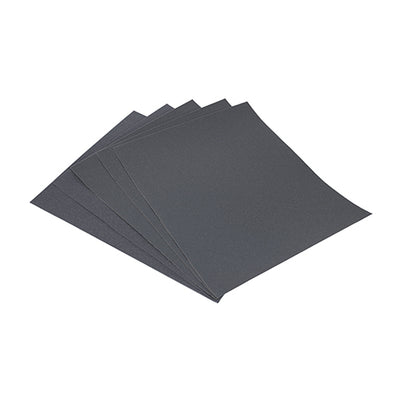
TIMCO Wet & Dry Sanding Sheets 1200 Grit Black - 230 x 280mm (5pcs)
- Pack quantity
- 5 Pieces
- Price
- £2.27Incl. VAT
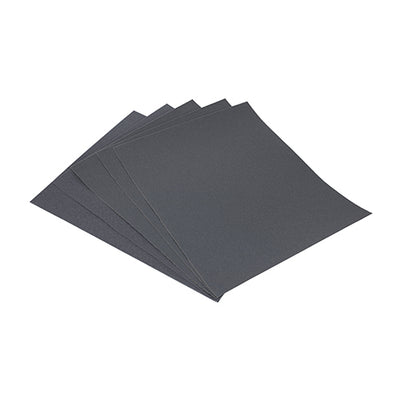
TIMCO Wet & Dry Sanding Sheets 600 Grit Black - 230 x 280mm (5pcs)
- Pack quantity
- 5 Pieces
- Price
- £2.27Incl. VAT
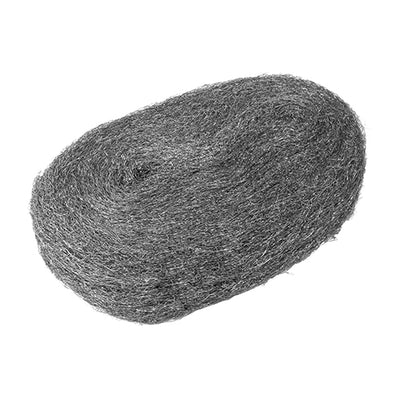
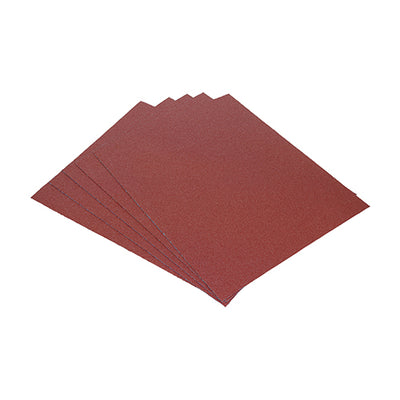
TIMCO Sanding Sheets Mixed Red - 230 x 280mm (80/120/180) (5pcs)
- Pack quantity
- 5 Pieces
- Price
- £2.78Incl. VAT
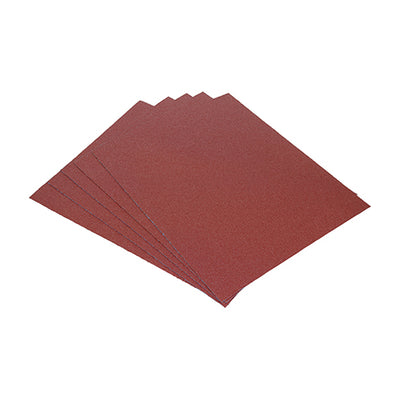
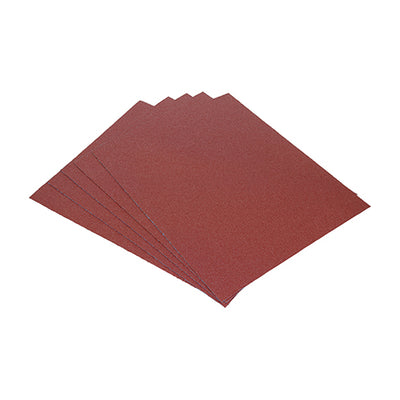
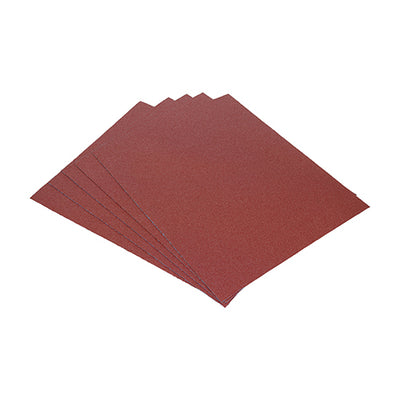
TIMCO Sanding Sheets 180 Grit Red - 230 x 280mm (5pcs)
- Pack quantity
- 5 Pieces
- Price
- £2.78Incl. VAT
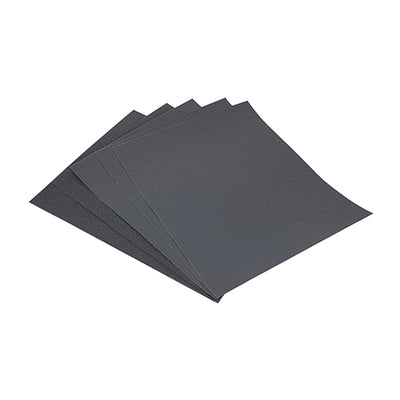
TIMCO Wet & Dry Sanding Sheets Mixed Black - 230 x 280mm (180/320) (5pcs)
- Pack quantity
- 5 Pieces
- Price
- £2.27Incl. VAT
Hand Sanding Supplies for Trade and DIY Use
Bad surface prep ruins even the best paint job. Scratches, rough patches, and uneven finishes all start at the sanding stage. This range covers hand sanding sheets, sanding blocks, wet and dry abrasive paper, and coarse wire wool. Products are suited to wood, metal, filler, primer, and painted surfaces. Whether you are flatting between coats or stripping back to bare material, you will find the right abrasive here.
Hand Sanding Done Right
Hand sanding is not just for finishing work. It is used at every stage of a job. From removing old paint to keying a surface before priming, it plays a key role.
Machine sanders are useful for large flat areas. But hand sanding gives you control in tight spots. It lets you feel the surface and adjust your pressure as you go. No machine can replicate that level of precision.
This range includes abrasive sheets in multiple grit sizes. It also covers sanding blocks, wet and dry paper, and coarse wire wool. All items are stocked in practical sizes for both trade and home use.
Quick tip: Always sand in the direction of the grain on wood. Sanding against the grain leaves visible scratch marks. These marks show through paint and varnish once dry.
What Is in This Hand Sanding Range
Each product type has a different purpose. Here is a clear guide to what is available and when to use it.
Abrasive Sanding Sheets
Sanding sheets are the most commonly used hand sanding product. They come in a wide range of grit sizes. Coarse grits like 40 and 60 remove material quickly. Fine grits like 180 and 240 are used for finishing. Most sheets can be torn down to fit a sanding block.
Wet and Dry Abrasive Paper
Wet and dry paper is silicon carbide abrasive paper. It can be used wet or dry depending on the task. Wet hand sanding is commonly used on car bodywork, painted surfaces, and primers. Water acts as a lubricant and clears swarf from the paper. This gives a much finer and cleaner finish.
Sanding Blocks and Pads
A sanding block keeps the abrasive sheet flat and even. It spreads pressure across the full surface. Without a block, fingertips dig in and create uneven results. Foam sanding pads are flexible and suit curved or contoured surfaces. Rigid blocks are better for flat panels and frames.
Coarse Wire Wool
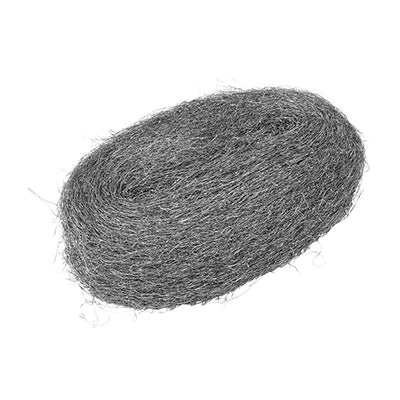
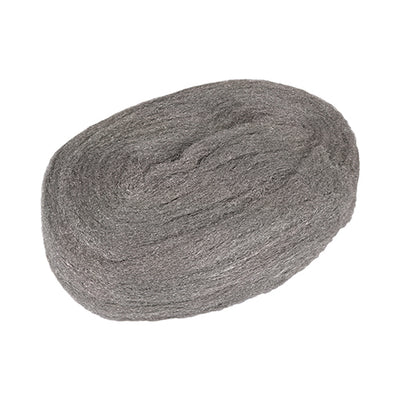
Coarse wire wool is used for stripping and abrading surfaces. It removes rust, old wax, and paint from metal and wood. It gets into grooves, mouldings, and tight corners. Finer grades of wire wool are used for denibbing and polishing. Always wear gloves when using wire wool as fibres can irritate skin.
Sanding Sponges
Sanding sponges have abrasive on all four sides. They are ideal for sanding curved surfaces and internal corners. Some grades can be rinsed and reused. They work well for lightly keying walls between coats of emulsion.
Specialist Abrasive Rolls
Abrasive rolls let you tear off the length you need. They are cost-effective for larger jobs. Rolls suit joinery workshops, painters, and decorators. Available in aluminium oxide and silicon carbide versions.
Hand Sanding Grit: Which Grade to Use
Grit number tells you how coarse or fine the abrasive is. A lower number means coarser. A higher number means finer. Using the wrong grit wastes time and can damage your surface.
| Grit Range | Grade | Best Used For |
|---|---|---|
| 40 to 60 | Very Coarse | Stripping paint, removing old coatings, heavy shaping |
| 80 to 100 | Coarse | Removing scratches, rough sanding bare wood or filler |
| 120 to 150 | Medium | Smoothing wood before priming, sanding filler flat |
| 180 to 240 | Fine | Flatting primer coats, keying between paint layers |
| 320 to 400 | Very Fine | Wet hand sanding on topcoats, flatting lacquer |
| 600 to 1200 | Ultra Fine | Wet sanding car paint, polishing before buffing |
Always work through the grits in steps. Do not jump from 60 grit straight to 240 grit. Each grit removes the scratches left by the previous one. Skipping grits leaves deep marks that will show in the final finish.
Pro tip: For wet hand sanding on car paint or lacquer, start at 800 grit. Use plenty of water and keep the surface wet throughout. Finish with 1200 or 1500 grit before polishing with a cutting compound.
Wire Wool Grades and What They Do
Wire wool is graded differently from sandpaper. The system runs from coarse to ultra fine using numbers and zeros.
| Grade | Coarseness | Typical Uses |
|---|---|---|
| Grade 4 | Very Coarse Wire Wool | Stripping heavy rust, removing thick old paint from metal |
| Grade 3 | Coarse Wire Wool | Removing wax and old lacquer from wood and metal |
| Grade 2 | Medium Coarse | Cleaning corroded metal, stripping varnish from timber |
| Grade 1 | Medium | General surface abrading, keying painted surfaces |
| Grade 0 | Fine | Finishing wood before waxing or oiling |
| Grade 00 / 000 | Very Fine | Burnishing wax polish, denibbing between coats |
| Grade 0000 | Ultra Fine | Polishing metal, final finish on antique furniture |
Coarse wire wool cuts fast and removes material quickly. Fine wire wool is gentle and used for final finishing stages. Never use wire wool near bare metal that will be painted. Tiny wire fibres left behind can cause rust spots under paint.
Wet Hand Sanding: When and How to Use It
Wet hand sanding is used on painted, primed, or lacquered surfaces. Water acts as a lubricant between the paper and the surface. It also washes away fine abrasive dust as you work.
This gives two benefits. The abrasive paper lasts much longer. And the finish is far smoother than dry sanding at the same grit.
Wet and dry paper is designed for this purpose. Standard sandpaper breaks down quickly when wet. Only use silicon carbide wet and dry paper for this type of work.
Car Bodywork and Paint Flatting
Wet hand sanding is widely used in automotive finishing. It removes orange peel texture from lacquer and topcoats. Start at 800 grit wet. Progress to 1500 or 2000 grit. Finish with a machine polish and cutting compound.
Between Coats of Paint or Lacquer
Lightly wet sand between coats to remove dust nibs and brush marks. Use 400 to 600 grit wet and dry paper. Wipe the surface dry before applying the next coat. This gives a much cleaner topcoat with fewer imperfections.
Primer and Undercoat Flatting
Flatting primer by hand gives a smooth base for topcoats. Use 240 to 320 grit wet and dry paper with water. Check the surface with a light held at a low angle. This shows any high spots or low areas that need more work.
Furniture and Joinery Finishing
Fine wet sanding on furniture brings out a glass-like finish. Use 400 to 600 grit after the final varnish or lacquer coat. Buff dry with a clean cloth between each pass. Apply a wax or oil after final sanding for protection.
Important: Always dry the surface and check your work after wet sanding. Fine scratches are hard to see when wet. Let the surface dry fully before applying any further coats.
Picking the Right Hand Sanding Product for Your Job
The right product depends on the material, the stage of work, and the finish you need.
Bare Wood Prep
Start with 80 to 100 grit abrasive sheet to remove mill marks. Work up to 150 grit before priming. Always sand along the grain. Use a sanding block on flat areas for an even surface.
Sanding Filler or Stopper
Use 120 grit to knock back filler to a flat level. Follow with 180 grit to smooth the surface. Wrap the paper around a rigid block for best results. Feather the edges of filled areas to blend them in.
Keying Before Painting
Use 180 to 240 grit to lightly abrade a gloss surface. This gives the new paint something to grip onto. Wipe the surface clean with a damp cloth after sanding. Do not sand so hard that you break through the existing coat.
Stripping and Rust Removal on Metal
Use coarse wire wool or 60 to 80 grit abrasive sheet. Work in small sections and keep checking progress. For wet areas or outdoor metalwork, use a rust-inhibiting primer after sanding. Do not leave bare metal exposed for long before priming.
Wet Sanding Car Paint
Use silicon carbide wet and dry paper from 800 to 2000 grit. Keep the surface and paper wet throughout the process. Use a rubber sanding block to keep pressure even. Finish with a machine polish to restore gloss.
Wax and Polish Finishing on Wood
Fine wire wool at grade 0000 is ideal for this stage. It removes raised grain after the first coat of wax or oil. It also adds a gentle sheen to the surface. Buff with a clean cloth after each pass.
Hand Sanding Tips to Get a Better Finish
Even with the right abrasive, technique matters. These tips help you get the most from your hand sanding work.
Use a sanding block on flat surfaces. It keeps pressure even across the whole area. Bare fingers create uneven pressure and leave dips.
Clean the surface between grits. Dust from coarser grit can scratch when you move to a finer one. Wipe down with a tack cloth or damp rag between each grade.
Do not press too hard. Light, even pressure gives better results than heavy force. Pressing hard wears the abrasive out faster and can gouge the surface.
Check your work with a raking light. Hold a lamp or torch at a low angle to the surface. This shows up any hollows, ridges, or scratches you may have missed.
Replace paper before it stops cutting. Worn abrasive paper takes more effort and gives a worse result. If the paper glazes over or slips without cutting, it is time to change it.
Safety note: Always wear a dust mask when hand sanding. Fine abrasive dust is harmful if inhaled over time. This is especially important when sanding old painted surfaces that may contain lead.
Hand Sanding Supplies Ready to Order
Use the filters above to narrow by grit, abrasive type, or product format. Check individual product pages for sheet size, pack quantity, and material compatibility before ordering.
Whether you need coarse abrasive sheets for stripping, wet and dry paper for automotive flatting, a sanding block for joinery work, or coarse wire wool for rust removal, this range covers the most-used hand sanding products for trade and DIY across the UK. For power sanding supplies, see our abrasives range.
Frequently Asked Questions
What is the difference between wet and dry sanding?
Dry sanding uses standard abrasive paper without any liquid. Wet sanding uses silicon carbide wet and dry paper with water as a lubricant. Wet sanding gives a finer, smoother finish and makes the paper last longer. It is commonly used on painted surfaces, lacquer, and car bodywork.
Can I use normal sandpaper for wet hand sanding?
No. Standard sandpaper breaks down very quickly when wet. Only silicon carbide wet and dry abrasive paper is designed for wet use. Using the wrong paper wastes time and gives a poor result.
What grit sandpaper should I use for flatting between coats of paint?
Use 240 to 320 grit for flatting primer or undercoat. Use 400 to 600 grit for flatting between topcoats. Always sand lightly and check your work before applying the next coat.
What does coarse wire wool remove?
Coarse wire wool removes rust, old wax, paint, and lacquer from metal and wood. It gets into corners, mouldings, and grooves where sandpaper cannot reach easily. Grade 3 and Grade 4 are the most coarse and are suited to heavy stripping work.
Is wire wool safe to use on bare metal before painting?
Avoid using wire wool on metal that will be painted. Tiny steel fibres can be left behind in the surface. These fibres trap moisture and cause rust spots to appear under paint. Use abrasive paper or a scotch pad instead for bare metal prep before painting.
Do I need a sanding block for hand sanding?
A sanding block is strongly recommended for flat surfaces. It spreads pressure evenly and stops fingers from creating uneven areas. For curved or shaped surfaces, a flexible foam sanding pad works better.
What grit wet and dry paper is used for car bodywork?
For flatting lacquer on car bodywork, start at 800 grit wet. Progress through 1200 and 1500 grit for a smoother surface. Finish with 2000 grit before machine polishing to restore full gloss.
Related Abrasive Products
Hand sanding products are often used alongside other abrasive tools. See our full abrasives range for machine sanding discs, flap wheels, and grinding products.
For surface preparation before priming and painting, browse our decorating tools range.