2 products
Sandbags
sandbags
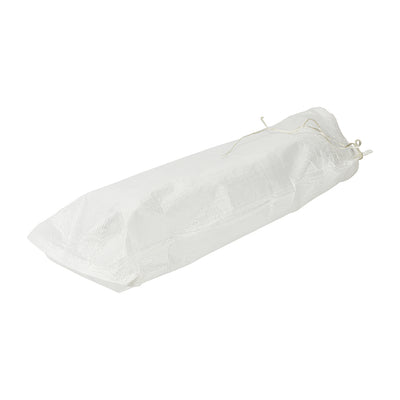
TIMCO PP Sandbags White - 33.5 x 80cm (50pcs)
- Pack quantity
- 50 Pieces
- Price
- £16.06Incl. VAT
Sandbags That Actually Hold Up When It Matters
Flood damage in the UK can cost thousands of pounds to repair. A good sandbag barrier is one of the fastest ways to stop water. At JALFT, we stock heavy-duty sandbags built for real-world use. These include polypropylene flood bags, hessian sandbags, and pre-filled options. They suit flood protection, ground stabilisation, and site safety work. Whether you need a few bags or a bulk order, you will find the right product here.
Sandbags for Flood Protection and Site Use
Most people think of sandbags only during floods. But their uses go far beyond that. Construction sites, military applications, and landscaping all rely on sandbags.
Traditional sandbags are filled with sand or soil on site. This keeps transport costs low and gives you full control over weight. Pre-filled concrete sandbags offer a faster, no-fuss alternative. They are ready to stack straight out of the bag.
Our sandbags are made from woven polypropylene or natural hessian. Both materials are strong, UV-resistant, and suited to outdoor use. They are used by local councils, building contractors, and homeowners across the UK.
Good to know: Empty polypropylene sandbags weigh very little in transit. You fill them on site using sand, soil, or gravel. This saves significantly on delivery costs compared to pre-filled bags.
Types of Sandbags Available
Not all sandbags are the same. The right type depends on your job. Here is a clear breakdown of what we stock and when to use each.
Polypropylene Sandbags (Empty)
These are the most widely used sandbags in the UK. Made from woven polypropylene, they resist rot and UV damage. Fill them with sand, soil, or grit on site. They are ideal for flood barriers, erosion control, and temporary retaining walls. Available in various sizes and pack quantities.
Hessian Sandbags (Empty)
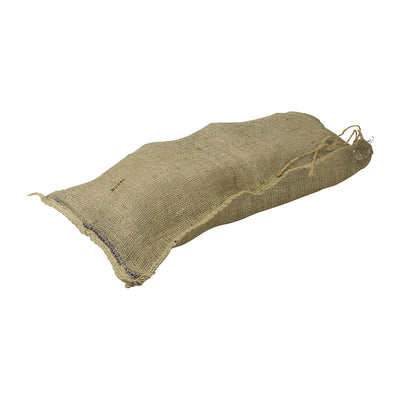
Hessian bags are made from natural burlap fibre. They are biodegradable, which suits environmentally sensitive sites. They are breathable and absorb moisture from their surroundings. Commonly used in landscaping, drainage management, and military-style applications. Hessian bags degrade naturally when buried underground. Specific options include TIMCO Hessian Sandbags Natural - 34 x 75cm (50pcs).
Pre-Filled Sandbags
Pre-filled bags arrive ready to use with no extra work needed. They are great for urgent flood response or emergency site work. No sand, no shovels, and no extra labour required. Ideal for property owners who want fast, effective flood protection. Stack them directly around doorways, drains, and low-lying entry points.
Concrete Filled Sandbags
Concrete filled sandbags are a strong, long-term alternative to plain sand bags. The concrete sets hard inside the bag, creating a solid block. They are used for permanent barriers, security perimeters, and ballast. These are heavier to move but offer far greater durability. Suited to sites that need a fixed, rigid barrier rather than a temporary one.
Bulk Sandbag Packs
Bulk packs offer better value for large projects or stock holding. Local councils, contractors, and emergency services often buy in bulk. Polypropylene bags in bulk packs are lightweight to store and easy to stack. They can be kept dry in a shed or store until they are needed. A bulk pack ensures you are ready before flooding begins.
Water-Activated Flood Bags
These are a modern alternative to sandbags for flood defence. They contain an absorbent polymer that expands when wet. No sand or fill material is needed at all. They are lightweight until activated, making storage very easy. Once wet, they expand to form a tight, water-resistant barrier.
What Are Sandbags Used For?
Sandbags have a wide range of uses on UK sites and properties. Most people associate them with floods, but their role does not stop there.
Flood Defence
Stacked sandbags divert surface water away from buildings. They protect doorways, air bricks, and low-lying floor openings. A well-built sandbag wall can stop significant water ingress. They are a proven, low-cost flood protection measure.
Erosion Control
Sandbags are used on riverbanks and embankments to prevent erosion. They hold soil in place during heavy rainfall or high water flow. They are also used in coastal areas to protect dunes and sea walls.
Ground Stabilisation
On construction sites, sandbags stabilise uneven or soft ground. They create a firm base for temporary structures and barriers. They can be stacked to form temporary retaining walls on site.
Security and Blast Protection
Sandbags, especially concrete filled ones, absorb impact and blast energy. They are used by security teams and in conflict zones worldwide. Concrete sandbags offer a more permanent protective barrier.
Drainage Management
Sandbags redirect surface water runoff on construction sites. They act as temporary kerbs or channels to guide water away. Hessian bags work particularly well in drainage applications.
Counterweight and Ballast
Sandbags are used to weigh down scaffolding, staging, and temporary structures. They are a quick counterweight solution on outdoor events and sites. They are safer than improvised alternatives on windy UK sites.
Concrete Sandbags vs Traditional Sand-Filled Bags
Choosing between concrete sandbags and sand-filled bags depends on your task. Both have clear strengths and both are used widely across the UK.
Concrete sandbags set solid once the concrete cures inside the bag. This makes them nearly impossible to move without machinery. They are suited to long-term barriers, security posts, and permanent site features. Once placed, they will not shift in heavy rain, wind, or impact.
Sand-filled bags stay flexible and can be moved and reused. They are quicker to deploy and far easier to handle by hand. They are the preferred option for temporary flood barriers across the UK. Local councils and homeowners use them because they are fast and affordable.
If you need a removable, reusable barrier, go for sand-filled polypropylene bags. If you need a permanent, solid structure, concrete filled sandbags are the better option.
Important: Concrete sandbags are very heavy once set. Plan your placement carefully before the concrete cures. They are not suitable for situations where you need to move barriers frequently.
Alternatives to Sandbags for Flood Protection
Sandbags are reliable, but they are not the only option available. Several modern alternatives to sandbags now exist for UK homes and sites.
| Alternative | How It Works | Best For |
|---|---|---|
| Water-Activated Flood Bags | Polymer inside expands when wet | Quick residential flood defence |
| Flood Barriers (Aluminium) | Rigid panels seal doorways and openings | Permanent flood-prone properties |
| Flood Gates | Fixed or removable gates block water flow | High-risk commercial properties |
| Concrete Filled Sandbags | Rigid, solid barrier once set | Permanent security or site perimeters |
| HESCO Bastions | Wire mesh frames filled with earth or stone | Large-scale flood or military barriers |
| Inflatable Flood Barriers | Inflated tube barriers redirect water flow | Temporary protection on flat ground |
Traditional sandbags remain the most affordable and widely available option. They need no specialist equipment to deploy. For most UK homeowners and contractors, they are still the go-to first line of defence.
How to Fill and Stack Sandbags Correctly
A poorly filled sandbag does not protect as well as a properly prepared one. Follow these steps to get the best performance from your bags.
Step 1: Fill to Two-Thirds
Never fill a sandbag completely to the top. Fill it to around two-thirds of its total capacity. This leaves room to fold the top over and shape the bag flat. A flat bag stacks more securely and seals gaps better.
Step 2: Use Coarse Sand or Soil
Fine sand packs well but can wash out through loose weave bags. Coarse sand or grit is a better fill material for flood bags. Soil also works in an emergency but can become very heavy when wet.
Step 3: Fold and Tuck the Open End
Do not tie the top of a flood sandbag with a knot. Fold the open end under the bag as you place it. The weight of the bag above will hold it shut. This method keeps the shape flat and stable.
Step 4: Stack in a Pyramid Pattern
Lay bags lengthways with the folded end facing the water. Offset each layer like brickwork to close the gaps. A three-layer pyramid gives good flood resistance. Tamp down each layer firmly before adding the next.
Tip: Always place a plastic sheet under your sandbag wall. This stops water seeping up through the ground beneath the barrier. It significantly improves flood protection performance.
Polypropylene vs Hessian Sandbags
Both types are widely used across the UK. Here is how they compare side by side.
| Feature | Polypropylene | Hessian |
|---|---|---|
| Durability | High, resists rot and UV | Moderate, degrades over time |
| Biodegradable | No | Yes |
| Best Use | Flood defence, long-term storage | Landscaping, buried drainage |
| UV Resistance | Good with UV stabilised variants | Poor, degrades in sunlight |
| Moisture Absorption | Low | High |
| Typical Lifespan (Outdoors) | 1 to 3 years | 3 to 6 months |
For flood protection and site safety, polypropylene bags are the stronger option. For buried or underground use, hessian is a good natural alternative.
Find the Right Sandbag for Your Project
Use the product filters above to narrow by bag type, size, and quantity. Check individual product pages for fill capacity and weight guidance before ordering.
Whether you need empty polypropylene flood bags for fast site deployment, concrete sandbags for a permanent security barrier, or hessian bags for a landscaping project, our sandbag range covers the most common needs for homeowners and contractors across the UK.
For site safety products used alongside sandbags, see our site safety range. For products used in ground and civil work, see our civils and drainage range.
Frequently Asked Questions About Sandbags
What are concrete sandbags used for?
Concrete sandbags are used as permanent barriers and security perimeters. The concrete sets solid inside the bag, creating a rigid block. They are suited to sites that need a fixed, immovable structure. They are not intended for temporary flood defence work.
What is the best alternative to sandbags for flooding?
Water-activated flood bags are the most practical modern alternative. They expand using an absorbent polymer when they contact water. No sand or filling is needed, making them easy to store and deploy fast. They are widely used in UK homes that are at repeated flood risk.
How many sandbags do I need to stop a flood?
A standard doorway barrier needs around 6 to 12 bags for a basic defence. Wider openings or higher water risk will need more. Stack at least two or three layers high for meaningful flood resistance. Always add a plastic sheeting layer underneath for best results.
Can sandbags be reused after a flood?
Polypropylene bags can sometimes be reused if they are intact after use. However, bags used in floodwater may contain contaminants. Check with your local council before disposing of or reusing flood bags. Hessian bags are generally single-use in a flood situation.
What should I fill sandbags with if I have no sand?
Soil or grit are both suitable emergency alternatives to sand. Avoid using stones alone as they leave large gaps between fill material. Fine gravel or pea shingle also works well in polypropylene flood bags.
How long do polypropylene sandbags last outdoors?
UV-stabilised polypropylene bags typically last one to three years outdoors. Standard polypropylene without UV treatment degrades faster in direct sunlight. Storing bags under cover extends their shelf life significantly.
Are hessian sandbags biodegradable?
Yes. Hessian is a natural fibre that breaks down in soil over time. This makes hessian bags a good option for buried drainage and landscaping. They are not recommended for long-term above-ground flood protection use.
Can I buy sandbags in bulk for a building site?
Yes. We stock bulk pack quantities suited to contractor and site orders. Empty polypropylene bags are lightweight to store until needed. Ordering in bulk reduces the cost per bag significantly on larger projects.