43 products
Copper & Aluminium Nails
copper-aluminium-nails


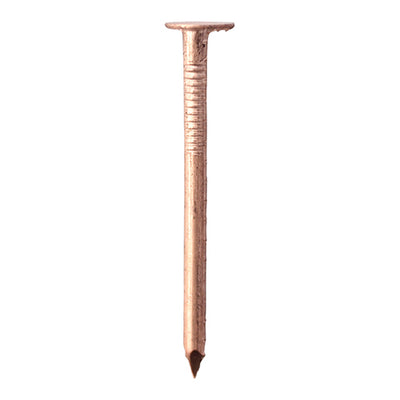


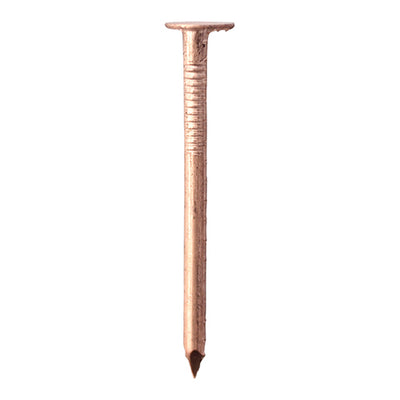


Copper and Aluminium Nails for Roofing, Slating and Flashing
Using the wrong nail on a roof can cause serious long-term damage. Steel nails rust. They stain slates and eat through lead flashing. Copper and aluminium nails are built to last in wet, outdoor conditions. This range covers nails for copper flashing, slating nails, clout nails, and roofing nails. All products are suited to UK roofing trade and building work. Whether you are a roofer, builder, or doing your own repairs, you will find the right nail here.
Why Copper and Aluminium Nails Matter on a Roof
Roofs take a constant beating from UK weather. Rain, frost, and damp are always present. Standard steel nails corrode quickly in these conditions.
Copper nails resist rust completely. They last for decades in wet environments. They are the traditional choice for natural slate roofing and lead flashing work. Aluminium nails are lighter and corrosion-resistant too. They are ideal for aluminium flashing and lightweight roofing sheets.
Using the right nail protects your slate, your flashing, and your roof structure. It also prevents unsightly rust stains on natural stone and tiles.
Key point: Never mix metals on a roof. Using steel nails with copper flashing causes galvanic corrosion. This eats through the flashing and leads to leaks. Always match your nail material to your roofing material.
Types of Copper and Aluminium Nails Available
Different roofing jobs need different nail types. Here is a clear guide to each type and when to use it.
Copper Slating Nails
Copper slating nails are used to fix natural and fibre cement slates. They have a large flat head to hold the slate securely. They resist rust in all weather conditions. The standard choice for professional slating work in the UK. Available in lengths from 25mm to 45mm.
Copper Clout Nails
Clout nails have a short shank and a wide, flat head. Copper clout nails are used for fixing roofing felt and underlay. They grip without tearing the felt. They will not rust and stain your roofing materials. A reliable choice for felt and batten work.
Nails for Copper Flashing
When fixing copper flashing, always use copper nails. Using steel or aluminium nails with copper causes galvanic corrosion. This corrodes the flashing at the nail point and causes leaks. Copper nails are purpose-made for this task. They bond safely with the copper sheeting.
Aluminium Roofing Nails
Aluminium nails for roofing are lightweight and corrosion-resistant. They are suited to aluminium flashing, corrugated roofing sheets, and soffit boards. They will not rust or stain painted or coated surfaces. A cost-effective option where full copper is not required.
Aluminium Clout Nails
Aluminium clout nails are used for roofing felt, bitumen felt, and underlays. The large head prevents pull-through on softer membranes. Lighter than copper but still fully corrosion-resistant. Suitable for most UK residential roofing felt applications.
Large Head Roofing Nails
Large head nails are ideal for fixing over-fascia vents and roof underlay. The wide head stops materials from splitting or tearing. Available in both copper and aluminium. Often used alongside breathable membrane in modern roofing systems.
Copper Nails vs Aluminium Nails: Which Do You Need?
Both metals resist corrosion. But they suit different jobs. Here is how they compare for roofing work.
| Feature | Copper Nails | Aluminium Nails |
|---|---|---|
| Corrosion resistance | Excellent, lasts 50+ years | Very good, suitable for most roofs |
| Best for | Slate, lead flashing, copper flashing | Aluminium flashing, felt, roofing sheets |
| Weight | Heavier | Lighter |
| Strength | Higher tensile strength | Good strength for roofing applications |
| Galvanic compatibility | Use with copper and lead only | Use with aluminium materials only |
| Cost | Higher cost | More affordable |
For natural slate and copper flashing, always pick copper nails. For aluminium sheet roofing and felt work, aluminium nails are the correct choice.
Trade tip: Never use aluminium nails with copper flashing. Never use copper nails with aluminium flashing. Mixing these metals causes galvanic corrosion at the nail point. This leads to early failure and potential roof leaks.
Picking the Right Nail for Your Roofing Job
Not sure which nail to use? Start with your roofing material. Then match the nail material to it.
Natural Slate Roofing
Use copper slating nails for natural slate. Slate is a long-life material. Your nails must match its lifespan. Copper nails will not rust or stain the slate face. Use 32mm or 38mm nails for most UK slate thicknesses.
Fibre Cement Slates
Fibre cement slates can be fixed with copper or aluminium slating nails. Check the slate manufacturer guidance first. Most UK suppliers recommend copper nails for best long-term results.
Copper Flashing Work
Always use copper nails for fixing copper flashing. They are compatible with the metal and will not cause corrosion. Use short nails to avoid punching through the substrate beneath.
Aluminium Flashing
Aluminium nails are the correct choice for aluminium flashing. They are metal-compatible and fully corrosion-resistant. Do not use copper nails here as galvanic corrosion will occur.
Roofing Felt and Underlay
Clout nails are the standard fixing for roofing felt. Use aluminium clout nails on most felt and breathable membrane jobs. The wide head holds the felt without tearing it.
Corrugated Roofing Sheets
Use aluminium roofing nails for corrugated aluminium sheeting. Make sure the nail length reaches into the batten beneath. A neoprene washer under the head gives a weathertight seal.
Common Nail Sizes for Roofing Work
Nail length matters. Too short and the fixing is weak. Too long and you risk cracking the slate or breaking through the batten.
| Nail Type | Common Lengths | Typical Use |
|---|---|---|
| Copper Slating Nails | 25mm, 32mm, 38mm, 45mm | Natural and fibre cement slates |
| Copper Clout Nails | 20mm, 25mm, 30mm | Roofing felt, underlay, lead sheet |
| Aluminium Clout Nails | 20mm, 25mm, 30mm, 38mm | Roofing felt, breathable membrane |
| Aluminium Roofing Nails | 32mm, 45mm, 65mm | Corrugated sheeting, soffit boards |
| Nails for Copper Flashing | 20mm, 25mm | Fixing copper flashing at abutments and valleys |
As a general rule, the nail should penetrate at least 25mm into the batten. Always check the product pack and manufacturer guidance for your specific slate or sheet type.
Where Copper and Aluminium Nails Are Used
These nails are used across a wide range of UK roofing and building jobs.
Copper slating nails are commonly used on period properties and heritage buildings. Many conservation areas in the UK require copper fixings on natural slate roofs. They are also the standard for new-build slate roofing.
Aluminium roofing nails are widely used on agricultural buildings and commercial roofs. They are the go-to choice for corrugated metal and bitumen sheet roofing across the UK.
Both nail types are used by roofing contractors, builders, and specialist slate fixers. They are also suitable for confident DIY roofers doing repairs and re-roofing work.
UK building note: For listed buildings and conservation areas, always check local authority guidance. Many councils require copper nails and traditional slate on heritage roofs. Copper nails are often specified in planning conditions for such properties.
Get the Right Nail for Your Roof
Use the filters above to narrow by nail type, material, and size. Check individual product pages for pack quantities and full specifications before ordering.
For natural slate roofing, copper flashing nails, aluminium felt nails, or roofing sheet fixings, this range covers the most-used copper and aluminium nails for UK roofing trade and building work. See our roofing fixings range for related products including clout nails, roofing screws, and lead fixings.
Frequently Asked Questions
What nails should I use for copper flashing?
Always use copper nails for copper flashing. Steel or aluminium nails cause galvanic corrosion where they contact copper. This corrodes the flashing around the nail head and causes leaks. Short copper clout nails in 20mm or 25mm lengths are the standard choice.
What are the best nails for natural slate roofing in the UK?
Copper slating nails are the best option for natural slate. They resist corrosion fully and last as long as the slate itself. Steel nails rust and stain the slate face. They must not be used. 32mm or 38mm copper slating nails suit most UK slate thicknesses.
Can I use aluminium nails on a slate roof?
Aluminium nails can be used on fibre cement slates in some cases. However, natural slate roofing requires copper nails. Aluminium can react with some slate types over time. Always check the slate manufacturer's fixing specification before use.
What size copper nails do I need for roofing felt?
Copper or aluminium clout nails in 20mm or 25mm lengths suit most roofing felt. The large flat head holds the felt without tearing it. For thicker underlay or breathable membrane, use 30mm clout nails.
Why should I not mix copper and aluminium nails on the same roof?
Copper and aluminium are different metals. When they touch in damp conditions, galvanic corrosion occurs. This corrodes the less noble metal, which is aluminium. The aluminium fixing fails, leading to loose slates or flashing. Always use the same metal throughout a single roofing section.
Are copper nails suitable for use on listed buildings?
Yes. Copper slating nails are the traditional and accepted fixing for listed buildings. Many planning conditions and conservation specifications require copper nails. They are also approved for use with natural slate under BS 5534, the UK roofing standard.
What is the difference between a clout nail and a slating nail?
A clout nail has a short shank and a very wide, flat head. It is used for fixing felt, underlay, and sheet materials. A slating nail has a longer shank and a smaller head. It is designed to pin slates to battens without cracking them.
Related Roofing Products
Copper and aluminium nails are often used alongside other roofing products. See our roofing screws for screw-fixed metal sheet applications.
For general site fixings used alongside roof structures, visit our structural fixings range.