60 products
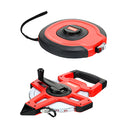
Measuring Tools, Marking & Levelling
measuring-tools-marking-levelling
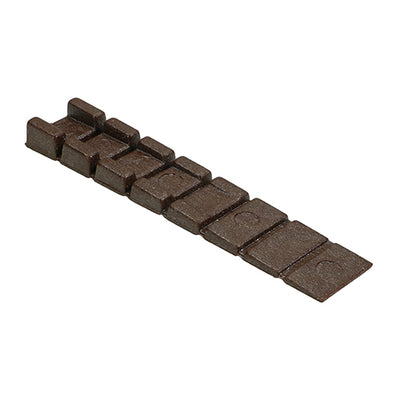
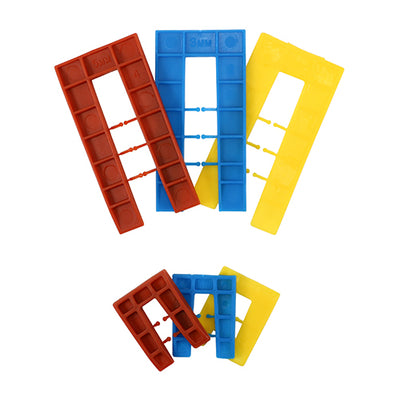
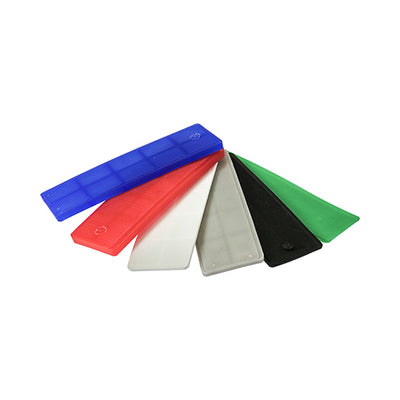
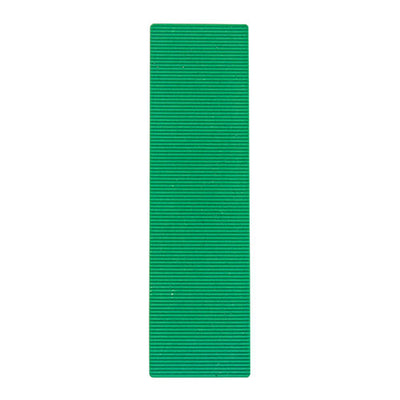
TIMCO Assorted Horseshoe Shims - 1.0, 3.0, 5.0, 6.0mm (100pcs)
- Pack quantity
- 100 Pieces
- Price
- £5.51Incl. VAT
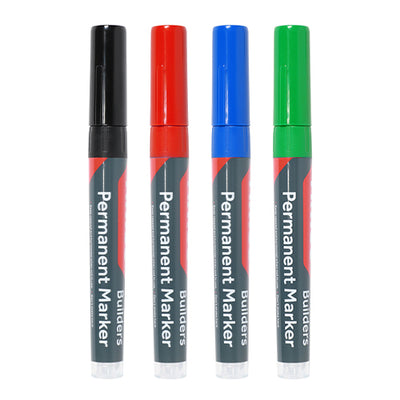
TIMCO Builders Permanent Markers Fine Tip Mixed Colours - Fine Tip (4pcs)
- Pack quantity
- 4 Pieces
- Price
- £3.18Incl. VAT
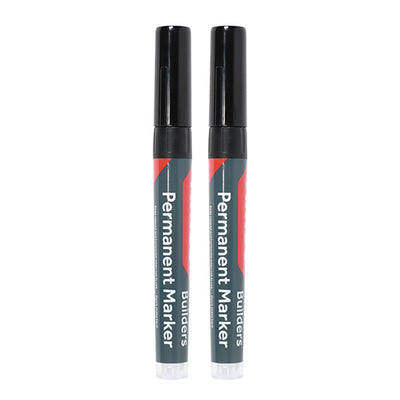
TIMCO Builders Permanent Markers Twin Pack Chisel Tip Black - Chisel Tip (2pcs)
- Pack quantity
- 2 Pieces
- Price
- £1.67Incl. VAT
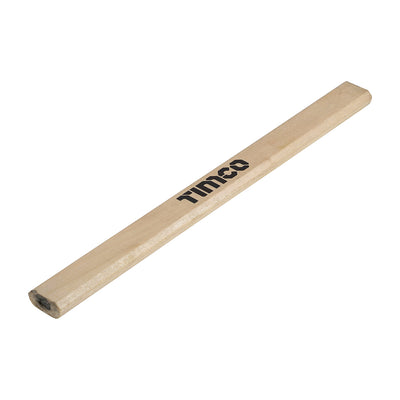
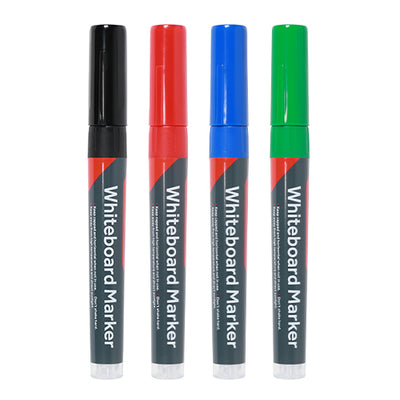
TIMCO Whiteboard Markers Fine Tip Mixed Colours - Fine Tip Four Pack (4pcs)
- Pack quantity
- 4 Pieces
- Price
- £3.43Incl. VAT
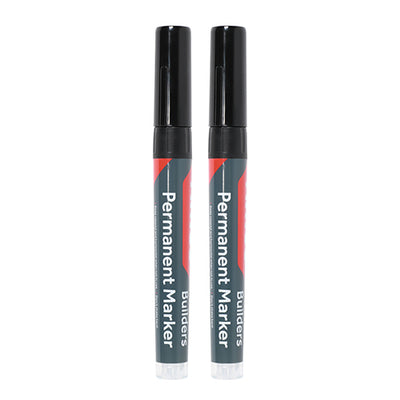
TIMCO Builders Permanent Markers Twin Pack Chisel & Fine Tip Black - Mixed (2pcs)
- Pack quantity
- 2 Pieces
- Price
- £1.67Incl. VAT
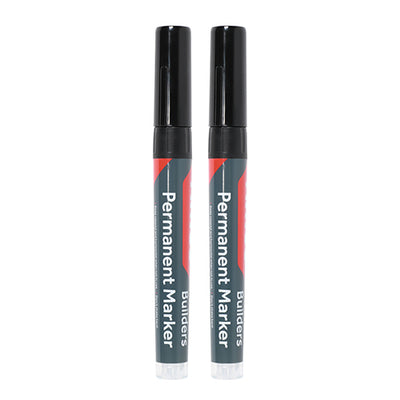
TIMCO Builders Permanent Markers Twin Pack Fine Tip Black - Fine Tip (2pcs)
- Pack quantity
- 2 Pieces
- Price
- £1.67Incl. VAT
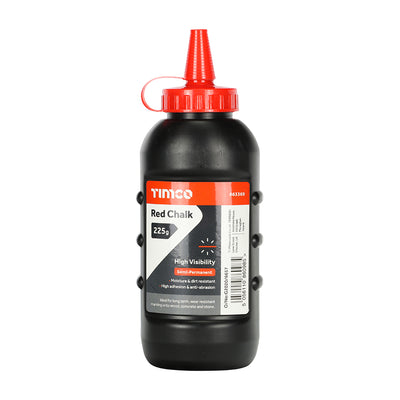
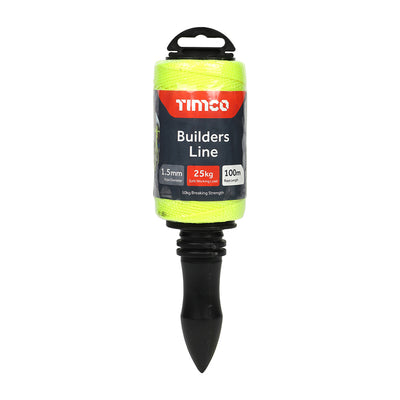
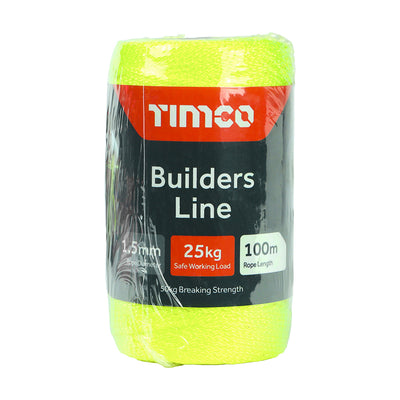
TIMCO Nylon Builders Line on Winder Yellow - 1.5mm x 100m
- Pack quantity
- 1 Each
- Price
- £5.51Incl. VAT
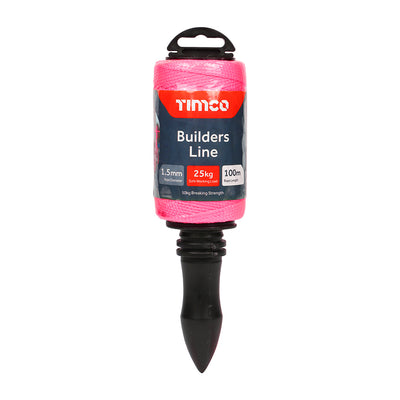
TIMCO Nylon Builders Line on Winder Pink - 1.5mm x 100m
- Pack quantity
- 1 Each
- Price
- £5.51Incl. VAT
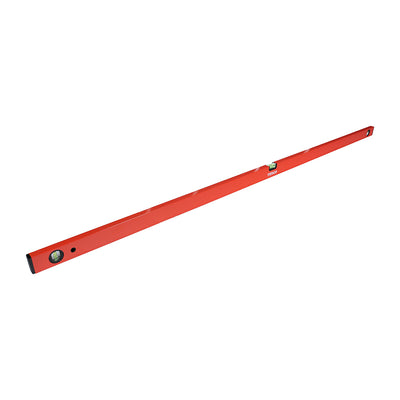
Measuring, Marking and Levelling Tools for Trade and DIY
A job measured wrong costs time, money and materials. One bad mark or an off-level line and the whole job goes out. Here you will find trusted measuring and marking tools for trade and DIY use. It covers tape measures, spirit levels, marking gauges, chalk lines, squares, and more. All products are built for accuracy and everyday site use. Whether you are on site, in the workshop, or at home, you will find the right tool here.
Get Every Measurement Right, First Time
Accurate measurement is the backbone of every good job. It does not matter if you are a plumber, joiner, tiler, or DIYer. If your measurements are off, your work will be off.
Measurement and measuring tools fall into a few key types. Some are for taking linear dimensions. Others mark a position. Some check that a surface or object is perfectly flat or upright. Each type of tool has a specific job. Using the right one saves time.
This range stocks levelling measurement tools, marking tools, and general measuring tools. Products come from reliable brands used by UK tradespeople every day. Pack sizes suit both site use and one-off home tasks.
Good to know: Most measuring errors happen at the start of a job. Always double-check your first measurement before marking. Mark clearly with a sharp pencil or scribe. Faint marks lead to wrong cuts.
Types of Measuring and Marking Tools
Each tool in this range has a clear purpose. Here is a guide to what is available and when to use each one.
Tape Measures
Tape measures are the most-used measuring tool on any site. They give quick, accurate linear measurements. Look for a wide blade with a clear, easy-to-read scale. A good locking thumb button keeps the blade in place while you mark. Metric and dual metric/imperial options are available.
Spirit Levels
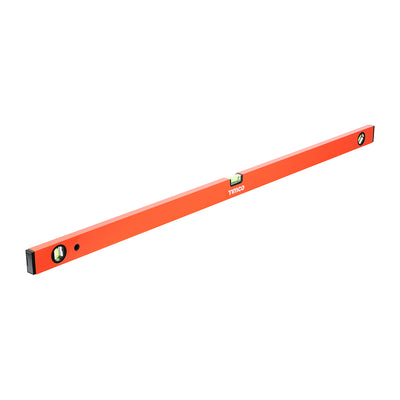
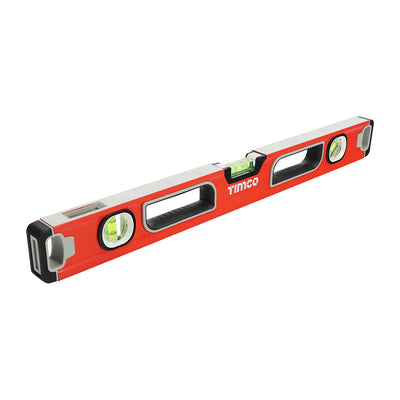
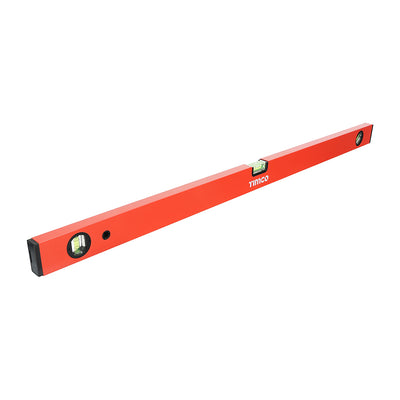
Spirit levels check whether a surface is perfectly horizontal or vertical. They use a bubble in a liquid-filled vial to show true level. Available in lengths from 40cm to 180cm and longer. Short torpedo levels are handy for tight spaces. Long levels suit door frames, worktops, and wall installations.
Chalk Lines
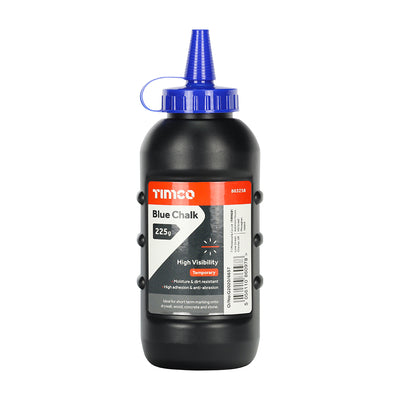
A chalk line snaps a long, straight reference mark across a surface. It is faster and more accurate than drawing a line by hand. Ideal for marking floor tiles, decking boards, and roofing sheets. Simply extend the line, hold it taut, and snap it against the surface. Chalk powder is refillable in most models.
Try Squares and Engineers Squares
Squares are used to check and mark 90-degree angles. A try square has a wooden or plastic stock with a steel blade. Engineers squares are all-metal for higher precision work. Use them when cutting timber, fitting frames, or checking joints. A square check at the start saves major problems later.
Marking Gauges
A marking gauge scribes a line parallel to an edge. It is used mostly in woodworking and joinery. Set the fence distance once. Then run it along the timber to scribe a clean line. Mortice gauges have two pins and can mark two parallel lines at once. Far more accurate than measuring and marking by hand each time.
Plumb Bobs
A plumb bob uses gravity to find a true vertical line. Hang the weight from a string and wait for it to settle. The string marks a perfect vertical from top to bottom. Used for setting out walls, posts, doorways, and staircases. A simple but highly reliable measuring and marking tool.
Combination Squares
A combination square is a versatile marking and measuring tool. It can check 90-degree and 45-degree angles in one tool. Many also have a built-in spirit level vial. Some models include a scriber for marking metal and timber. A good combination square reduces the number of tools you carry.
Pencils and Scribes
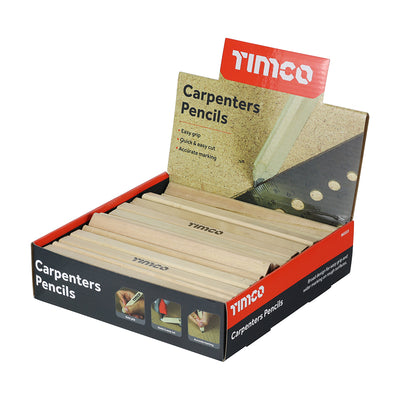
A sharp, clear mark is as important as an accurate measurement. Carpenters pencils are flat and give a bold, visible line on timber. Scribes scratch a fine, precise line on hard surfaces like metal or tile. Always keep a spare pencil on site. Faint marks cost you cuts.
Which Measuring Tool Do You Need?
Not sure which tool fits your task? Use this quick guide below.
| Task | Best Tool | Notes |
|---|---|---|
| Measuring length or distance | Tape measure | Use a wide-blade tape for easier solo working |
| Checking a surface is flat and level | Spirit level | Use a longer level for worktops and shelves |
| Marking a long straight line on a floor | Chalk line | Faster and straighter than a ruler and pencil |
| Marking a 90-degree cut on timber | Try square or combination square | Always check the square itself before trusting it |
| Scribing a parallel line on wood | Marking gauge | Set once and run along the edge for consistency |
| Finding a true vertical line | Plumb bob or spirit level | Plumb bob is best for tall, out-of-reach positions |
| Checking both 90 and 45 degrees | Combination square | Also useful as a small depth gauge |
| Marking on metal or tile surfaces | Scribe or marker pen | Pencil will not show clearly on smooth or dark surfaces |
Levelling Measurement Tools: What You Need to Know
Levelling is one of the most critical parts of any build or fit-out. An off-level floor, wall, or worktop causes problems that are costly to fix.
Spirit levels are the most common levelling measurement tool used on UK sites. They come in sizes to suit every task. A 600mm level is good for general trade use. A 1200mm or 1800mm level is better for longer runs like kitchen worktops or door frames.
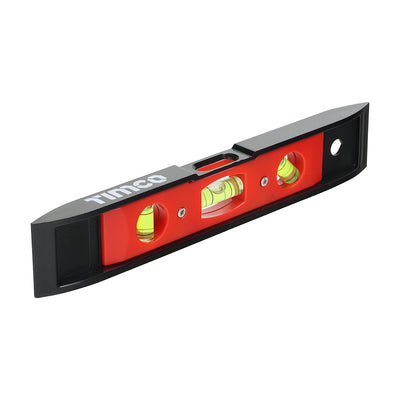
Torpedo levels are compact and fit in a tool belt or pocket. They are ideal for plumbers, electricians, and anyone working in tight spots. Some have magnetic edges for hands-free use on steel pipework.
Trade tip: Always store spirit levels flat or hanging vertically. Never lean them against a wall at an angle for long periods. Pressure on the edges can cause the vial to shift slightly over time. Check your level against a known flat surface regularly to confirm accuracy.
For larger setting-out jobs, a chalk line combined with a spirit level is a strong pairing. Snap your reference line first. Then use the level to confirm it before you build from it.
Marking Tools: Getting Your Lines Right
Measuring and marking tools go hand in hand. A measurement means nothing unless it is transferred clearly onto the material.
The type of marking tool you use depends on the surface. Timber takes a pencil mark well. Tile and metal need a scribe or marker. Dark surfaces need a light-coloured pencil or chalk to show up clearly.
Chalk lines are the go-to marking tool for large flat areas. Floors, flat roofs, decking, and sheet materials all benefit from a snapped chalk line. They give a straight reference that a ruler simply cannot match over long distances.
For repetitive marking at a set distance from an edge, a marking gauge beats measuring every time. Set it once and run it. Every mark comes out at the same distance. This is essential in joinery, cabinet making, and stair work.
How to Measure Accurately Every Time
Good measurement habits matter as much as the tools themselves. Here are some practical tips used by experienced tradespeople across the UK.
Start from a Datum Point
Always set a datum level or reference point before you start. Measure everything from the same fixed point. This prevents errors from stacking up across a job.
Check Your Tools Before You Start
A bent tape or a damaged spirit level gives wrong readings. Check your tape for kinks near the hook. Check your level against a true flat surface before you trust it.
Measure Twice, Cut Once
This is the oldest rule in the trade. Take the measurement. Write it down. Check it again. Only then mark and cut. It takes ten seconds and saves materials.
Use the Right Scale
If your drawings are in metric, use metric only. Mixing metric and imperial on a single job causes errors. Use a tape with a clear, dominant scale for the system you are working in.
Mark with a Sharp Point
A thick pencil mark has width. That width causes error in a precise cut. Use a sharp pencil or scribe for critical marks. Mark with the pencil leaning towards the direction of cut.
Account for the Blade Width
When cutting timber, remember the saw blade removes material. This is called the kerf. Always cut on the waste side of your mark. Otherwise your piece comes out slightly short.
Find the Right Measuring and Marking Tool for Your Job
Use the filters above to narrow down by tool type or brand. Check individual product pages for accuracy ratings, blade widths, and length options before ordering.
Whether you need a tape measure for daily site use, a spirit level for setting out, a chalk line for tiling floors, or a marking gauge for joinery work, this range covers the most-used measurement and measuring tools for trade and DIY across the UK.
For related site essentials, see our hand tools range.
Frequently Asked Questions
What is the difference between a measuring tool and a marking tool?
A measuring tool finds or records a dimension. A tape measure or ruler does this. A marking tool transfers that dimension onto a material. A pencil, scribe, or chalk line does this. Both are needed to work accurately. One without the other is not enough.
What is a levelling measurement tool used for?
A levelling measurement tool checks whether a surface is perfectly horizontal or vertical. Spirit levels are the most common type used on UK sites. They are used when fitting worktops, hanging doors, laying floors, or building walls.
How do I know if my spirit level is still accurate?
Place the level on a flat surface and note where the bubble sits. Flip it 180 degrees and place it in the same spot. If the bubble is in the same position, the level is accurate. If it has moved, the vial has shifted and the level needs replacing.
What size spirit level should I buy?
For general trade use, a 600mm to 1200mm level covers most tasks. For worktops and long wall runs, a 1200mm or 1800mm level is better. A small torpedo level suits tight areas and is handy for pipe work and electrical fitting.
What is a chalk line used for in building and construction?
A chalk line snaps a long, straight reference mark across a flat surface. It is used to mark cut lines on flooring, roofing, decking, and sheet material. It is faster and far straighter than drawing a line by hand over long distances.
Can I use a tape measure for setting out a room?
Yes. A tape measure is the primary setting-out tool for most room layouts. For large areas, combine it with a chalk line for long reference lines. Use a square to confirm corners are at 90 degrees before you start laying materials.
What is a marking gauge and when do I need one?
A marking gauge scribes a line at a set distance from the edge of a piece of timber. You need one when doing joinery, cabinet work, or any task that requires repeated parallel marks. It is far more consistent and accurate than measuring and marking by hand each time.
Related Tools and Site Essentials
Measuring and marking tools are often used alongside other hand tools. See our hand tools range for saws, chisels, and cutting tools.