3 products
Superglues & Activators
superglues-activators


Superglues and Activators for Trade and DIY Use
One weak bond can ruin an entire job. Getting the right superglue and activator makes all the difference. Here you will find professional-grade cyanoacrylate adhesives and activator sprays for fast, reliable bonds. Products suit wood, metal, rubber, ceramics, plastics, and more. Whether you are on a busy trade site or at home, you will find the right adhesive here.
What Is the Fastest Way to Bond Materials With Superglue?
Superglue and activator work better together than alone. Superglue, also called cyanoacrylate adhesive, bonds on contact with moisture. But some surfaces are dry or non-porous. That is where an activator comes in.
An activator spray is applied to one surface first. It triggers the cyanoacrylate to cure almost instantly. The result is a much faster and stronger bond than superglue alone.
This range includes both superglues and activators suited to trade and DIY use in the UK. Products work across a wide range of materials. From wood joinery to rubber seals, you will find the right match here.
Pro tip: Apply activator to one surface and superglue to the other. Bring them together immediately. Do not apply both to the same surface at once. This gives the fastest and cleanest bond.
Types of Superglues and Activators Available
Not all cyanoacrylate adhesives are the same. Viscosity, set time, and substrate compatibility all vary. Here is a guide to the main types you will find.
Thin Viscosity Superglue
Thin superglue is a low viscosity cyanoacrylate. It flows quickly into tight joints and hairline cracks. It works well on close-fitting parts. Ideal for ceramics, metal, hard plastics, and precision repairs. It sets in seconds when surfaces fit tightly together.
Medium Viscosity Superglue
Medium viscosity superglue is the most widely used type. It suits most general bonding tasks. It works on wood, metal, rubber, leather, and rigid plastics. It fills small gaps better than thin grades. A good all-round choice for trade and DIY work.
Thick Gel Superglue
Gel superglue has a thick, non-drip formula. It stays in place on vertical surfaces. It is ideal for overhead work, rough surfaces, and porous materials. It also fills slightly wider gaps. Good for wood repairs, stone, and uneven joins.
Superglue Activator Spray
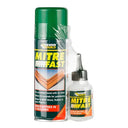
A superglue activator speeds up the curing process dramatically. It works on surfaces that would otherwise slow down bonding. Spray onto one surface, then apply adhesive to the other. Bond time drops to a second or less. Used widely in joinery, automotive, and repair work.
Flexible Cyanoacrylate Adhesive
Standard superglue can be brittle when cured. Flexible cyanoacrylate stays slightly pliable after setting. This makes it better for rubber, foam, leather, and soft plastics. It resists cracking when the bonded material bends or flexes.
Superglue Debonder
Mistakes happen. A debonder dissolves cured cyanoacrylate bonds safely. It is useful for removing unwanted adhesive from tools, skin, and surfaces. Always keep a debonder on hand when working with superglue regularly.
How Superglue and Activator Work Together
Cyanoacrylate adhesive cures when it reacts with moisture. On dry, non-porous materials, this reaction is very slow. Activator spray contains chemical accelerants that speed this reaction up.
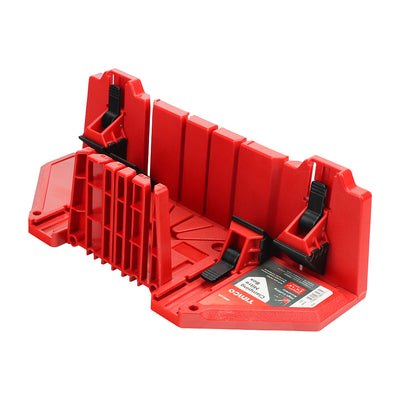
The superglue and activator system is used across many industries. Joiners use it with a mitre box and clamps to bond mitred corners quickly. Furniture makers use it for fast repairs without long clamping times. Automotive technicians use it for interior trim and rubber seals.
Using the two products together correctly gives a bond that is ready to handle in seconds. This cuts down on waiting time and gets the job done faster.
Important: Always work in a well-ventilated area. Cyanoacrylate fumes can irritate eyes and airways. Wear gloves to avoid skin bonding. Keep activator sprays away from open flames as they can be flammable.
Which Superglue Works on Which Material?
Choosing the right grade for your material makes a big difference to bond strength. Use this quick guide to find the right match.
| Material | Recommended Type | Use Activator? |
|---|---|---|
| Wood and MDF | Medium viscosity or gel | Yes, speeds bond on dry timber |
| Metal | Thin or medium viscosity | Yes, for instant cure on smooth metal |
| Rubber and EPDM | Flexible cyanoacrylate | Yes, activator is strongly recommended |
| Ceramics and Porcelain | Thin viscosity | Optional, bond is usually fast anyway |
| Rigid Plastics (ABS, PVC) | Medium viscosity | Yes, for faster set on smooth plastic |
| Leather and Foam | Flexible or gel grade | Yes, activator helps on porous surfaces |
| Stone and Concrete | Gel grade | Yes, activator improves bond on dry stone |
Always clean and degrease surfaces before bonding. Dust, oil, or moisture on the wrong surface can weaken or prevent a bond. For best results on timber joinery, pair with a mitre box with clamps to hold pieces steady during cure.
Using Superglue and Activator in Joinery and Woodworking
Superglue and activator are now widely used in timber joinery. They are especially useful for mitred corners and small repairs where clamp access is difficult.
When working with a mitre box and clamps, cyanoacrylate bonds can hold a joint long enough to remove the clamp within seconds. This speeds up production on skirting boards, architraves, and picture frames.
Spray activator onto one face of the mitred joint. Apply adhesive to the other. Press together firmly for five to ten seconds. The joint is ready to handle almost immediately. This method is used daily by joiners and carpenters across the UK.
Gel grades work especially well on end grain timber. End grain absorbs thin adhesives too quickly. A gel stays on the surface and bonds more effectively.
Safety and Storage Tips for Superglues and Activators
Cyanoacrylate adhesives and activators are safe when used correctly. Following a few basic rules will keep you safe and keep your products working properly.
Storage
Store superglue in a cool, dry place. Keep lids tightly closed after each use. Exposure to air and humidity will cause the adhesive to thicken and eventually cure in the bottle. Refrigeration can extend shelf life but the bottle must warm up before use.
Skin Contact
Cyanoacrylate bonds skin instantly. If skin bonds occur, do not pull apart forcefully. Use a debonder or soak in warm soapy water. Acetone-based nail polish remover also works in most cases. Keep away from eyes at all times.
Ventilation
Superglue fumes can cause eye and throat irritation in enclosed spaces. Always use in a well-ventilated area. Open windows or use extraction equipment if working indoors regularly.
Activator Flammability
Most activator sprays are flammable. Keep away from heat sources, open flames, and sparks. Allow the activator to dry for a few seconds before bringing the surfaces together.
Find the Right Superglue and Activator for Your Job
Use the filters above to narrow by viscosity, substrate, and pack size. Check individual product pages for full technical data, cure times, and temperature ratings before ordering.
Whether you need a fast-cure superglue and activator for timber joinery, a flexible cyanoacrylate adhesive for rubber, or a gel grade for stone and ceramics, this range covers the most widely used bonding products for trade and DIY work across the UK.
For other bonding and adhesive products, see our adhesives and sealants range.
Frequently Asked Questions
What is the difference between superglue and cyanoacrylate?
They are the same thing. Superglue is the common name. Cyanoacrylate is the chemical name for the adhesive. Both terms refer to fast-curing acrylic resin adhesives that bond on contact with moisture.
Do I need an activator with superglue?
Not always. On porous or moist surfaces, superglue cures without an activator. On dry, smooth, or non-porous surfaces, an activator speeds the cure dramatically. It also gives a stronger bond in many cases.
Can I make my own super glue accelerator?
It is not recommended. Commercial activators are precisely formulated chemical accelerants. Homemade versions lack the correct chemistry and can weaken the bond or cause a dangerous reaction. Always use a purpose-made superglue activator.
How long does superglue take to fully cure?
Initial bond forms in 5 to 60 seconds depending on the grade and surface. Full cure strength is reached in 24 hours. Using an activator speeds initial bond time to under one second in most cases.
Will superglue work on rubber?
Yes, but use a flexible cyanoacrylate grade. Standard superglue can be brittle and may crack when rubber flexes. A flexible grade bonds rubber properly and stays intact through movement.
What viscosity of superglue should I use for wood?
Medium viscosity is best for most timber work. Gel grade is better for end grain or rough surfaces where thin adhesive gets absorbed too quickly. Use activator to speed cure on dry timber.
Is superglue waterproof once cured?
Cured cyanoacrylate is generally moisture resistant. It is not fully waterproof for prolonged water immersion. For outdoor or wet-environment bonds, check the product data sheet for exact water resistance ratings.
How do I remove cured superglue from a surface?
Use a purpose-made cyanoacrylate debonder. Acetone-based products also work on most surfaces. Avoid scraping hardened adhesive from delicate surfaces as this can cause damage.
Related Products You May Need
Superglues and activators are often used alongside other products. See our adhesives and sealants range for PU adhesives, contact adhesives, and construction sealants.
For woodworking tools that work alongside bonding products, visit our woodworking tools range.