30 products
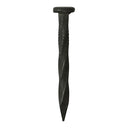
Sherardised Nails
sherardised-nails
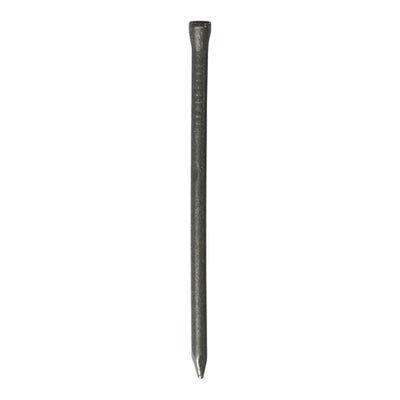
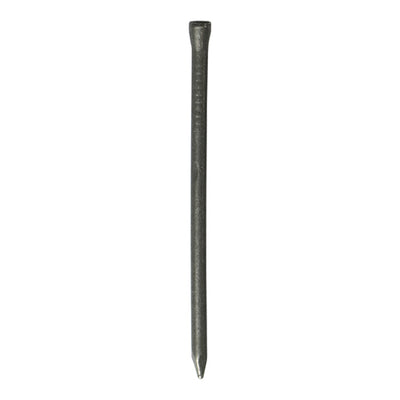
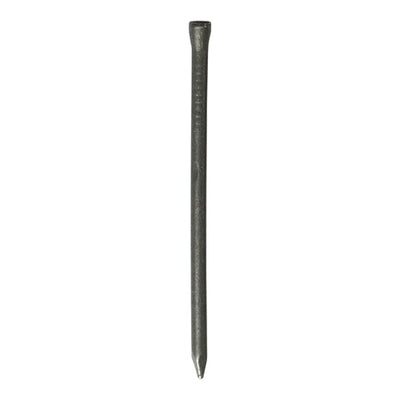
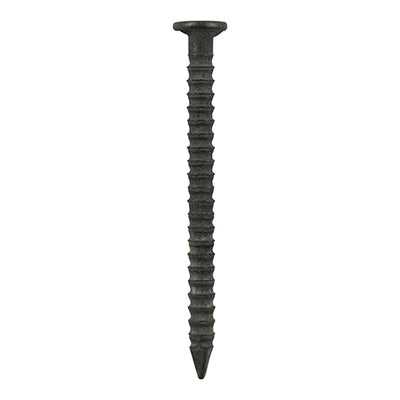
TIMCO Annular Ringshank Nails Sherardised - 40 x 2.65 (0.5kg)
- Pack quantity
- 1 Kilograms
- Price
- £3.47Incl. VAT
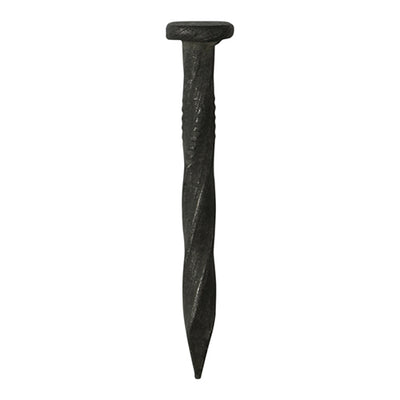
TIMCO Square Twist Nails Sherardised - 40 x 3.75 (0.5kg)
- Pack quantity
- 1 Kilograms
- Price
- £2.23Incl. VAT
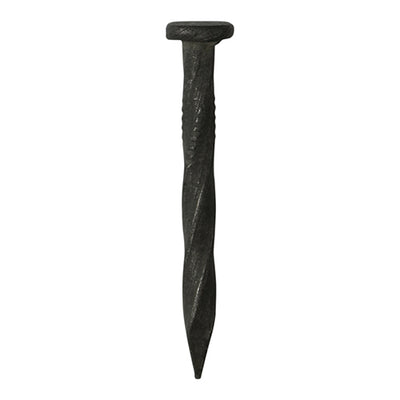
TIMCO Square Twist Nails Sherardised - 30 x 3.75 (0.5kg)
- Pack quantity
- 1 Kilograms
- Price
- £2.23Incl. VAT
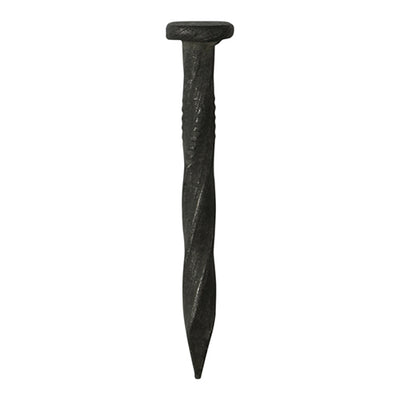
TIMCO Square Twist Nails Sherardised - 30 x 3.75 (1kg)
- Pack quantity
- 1 Kilograms
- Price
- £3.95Incl. VAT
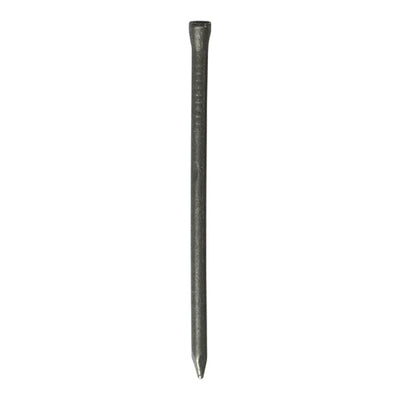
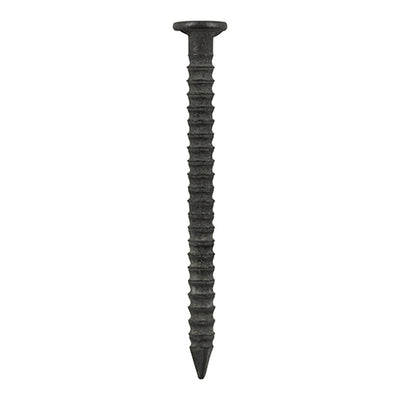
TIMCO Annular Ringshank Nails Sherardised - 50 x 2.65 (1kg)
- Pack quantity
- 1 Kilograms
- Price
- £5.42Incl. VAT
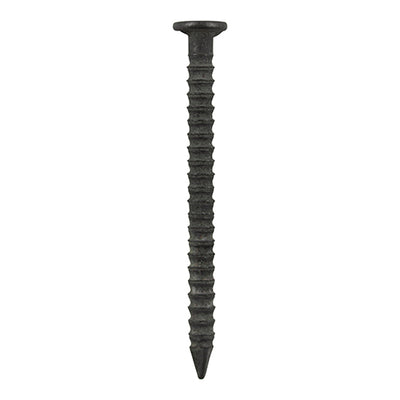
TIMCO Annular Ringshank Nails Sherardised - 40 x 2.65 (2.5kg)
- Pack quantity
- 3 Kilograms
- Price
- £13.20Incl. VAT
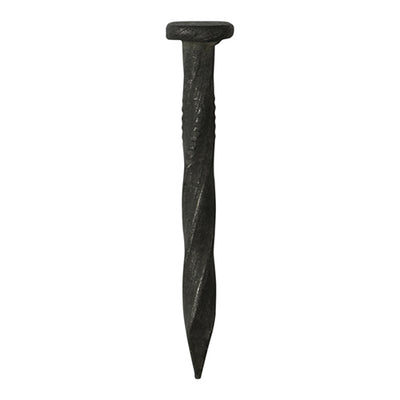
TIMCO Square Twist Nails Sherardised - 40 x 3.75 (2.5kg)
- Pack quantity
- 3 Kilograms
- Price
- £10.28Incl. VAT
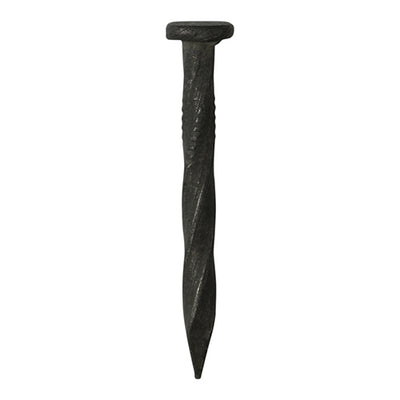
TIMCO Square Twist Nails Sherardised - 40 x 3.75 (1kg)
- Pack quantity
- 1 Kilograms
- Price
- £3.95Incl. VAT
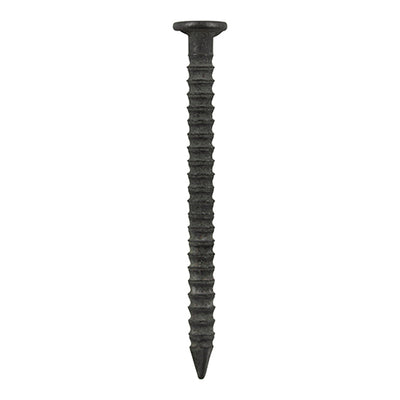
TIMCO Annular Ringshank Nails Sherardised - 50 x 2.65 (0.5kg)
- Pack quantity
- 1 Kilograms
- Price
- £3.47Incl. VAT
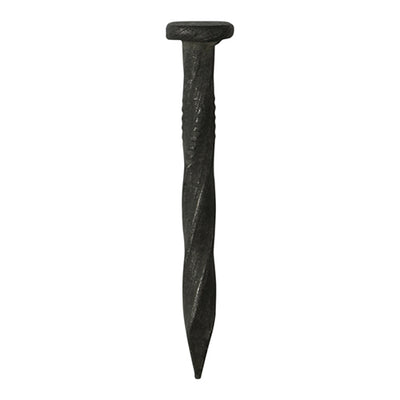
TIMCO Square Twist Nails Sherardised - 30 x 3.75 (25kg)
- Pack quantity
- 25 Kilograms
- Price
- £84.37Incl. VAT
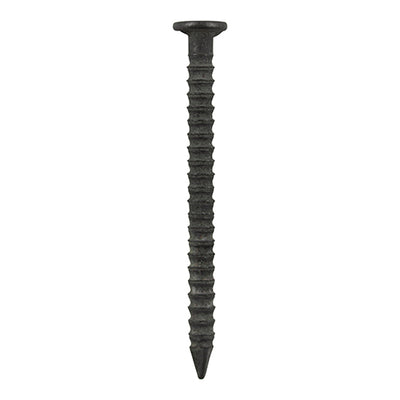
TIMCO Annular Ringshank Nails Sherardised - 65 x 3.35 (2.5kg)
- Pack quantity
- 3 Kilograms
- Price
- £13.20Incl. VAT
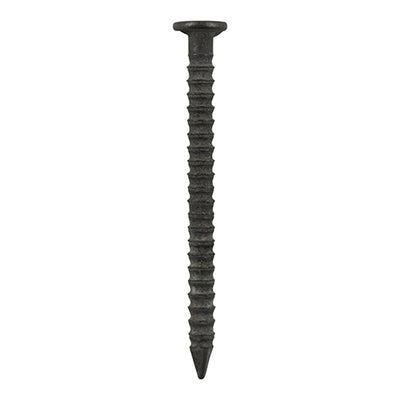
TIMCO Annular Ringshank Nails Sherardised - 50 x 2.65 (2.5kg)
- Pack quantity
- 3 Kilograms
- Price
- £13.20Incl. VAT
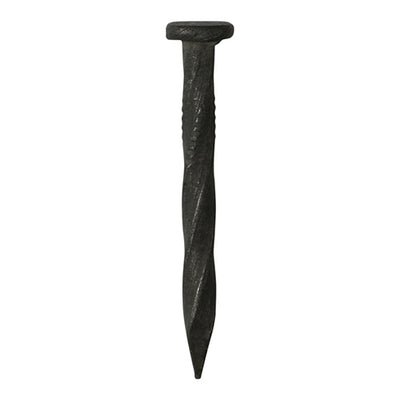
TIMCO Square Twist Nails Sherardised - 30 x 3.75 (2.5kg)
- Pack quantity
- 3 Kilograms
- Price
- £10.28Incl. VAT
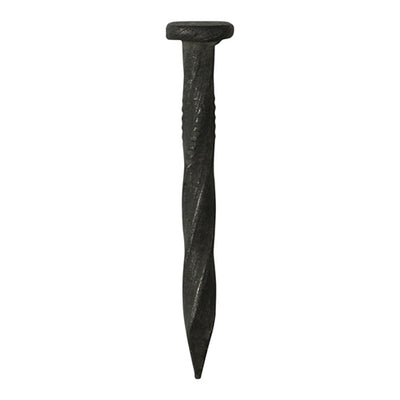
TIMCO Square Twist Nails Sherardised - 30 x 3.75 (2.5kg)
- Pack quantity
- 3 Kilograms
- Price
- £10.04Incl. VAT
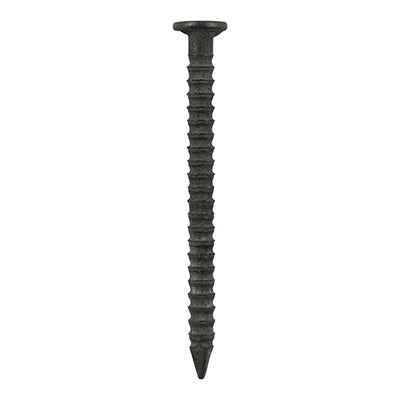
TIMCO Annular Ringshank Nails Sherardised - 65 x 3.35 (1kg)
- Pack quantity
- 1 Kilograms
- Price
- £5.42Incl. VAT
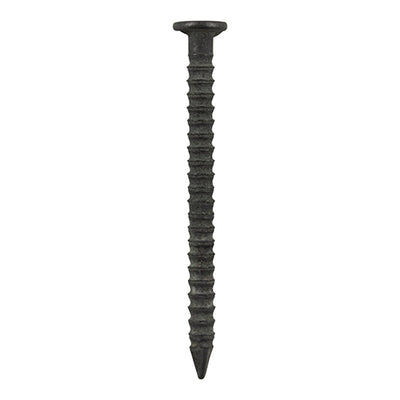
TIMCO Annular Ringshank Nails Sherardised - 40 x 2.65 (1kg)
- Pack quantity
- 1 Kilograms
- Price
- £5.42Incl. VAT
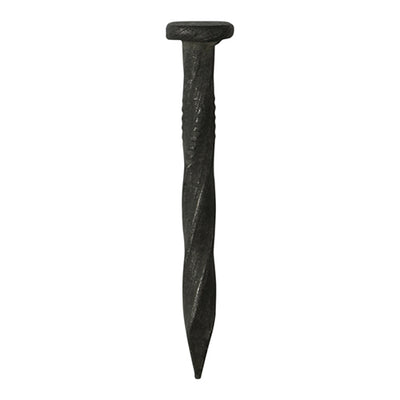
TIMCO Square Twist Nails Sherardised - 40 x 3.75 (25kg)
- Pack quantity
- 25 Kilograms
- Price
- £86.87Incl. VAT
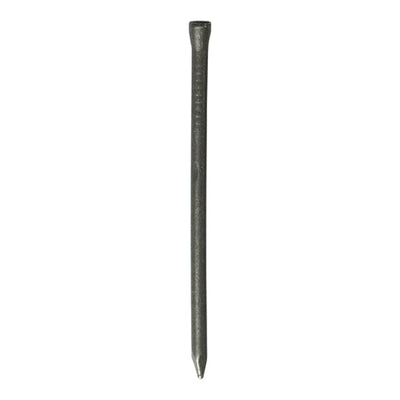
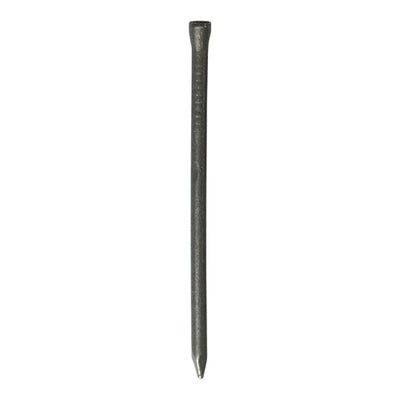
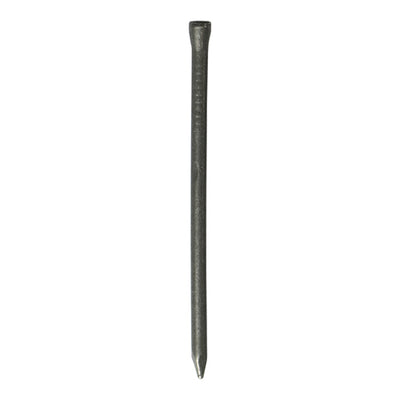
Rust-Proof Sherardised Nails for Project Work
Ordinary nails rust. In the UK's damp climate, that causes real problems. Rust weakens the nail's grip. It stains the timber around it. It can mean a full rework within just a few years. Sherardised nails solve this. They carry a bonded zinc coating that resists rust from the start. This range covers sherardised annular ring shank nails, panel pins, square twist nails, and oval brads. All are suited to outdoor timber work, builders' metalwork, and internal joinery.
What Are Sherardised Nails?
Sherardised nails are steel nails with a zinc diffusion coating. The coating is applied through a dry heat process called sherardising. Steel nails are heated and tumbled with zinc dust inside a sealed drum. The zinc bonds directly into the surface of the steel at a molecular level. This creates a coating that grips the nail tightly and does not peel or flake.
The result is a rust resistant nail with strong corrosion protection. The zinc coating acts as a barrier against moisture, air, and chemicals. This makes sherardised nails well suited to both indoor and outdoor use. They are a practical choice wherever standard bright steel nails would corrode.
Sherardised nails have a dull silvery-grey finish. This matte tone blends well with timber and treated wood surfaces. It is less visible than the shine of a bright or zinc-plated nail.
Key fact: The sherardising process creates a uniform coating. It covers the entire nail surface, including the tip and head. This gives more reliable rust protection than hot-dip galvanising on shaped or twisted nails.
Available Types of Sherardised Nails
Sherardised nails are available in several designs. Each type suits a different task or material. Here is a guide to the main types you will find in this range.
Sherardised Annular Ring Shank Nails
Ring shank nails have raised rings along the shank. These rings grip the timber fibres and resist pull-out. The sherardised finish adds corrosion resistance for outdoor use. They are widely used with builders' metalwork such as joist hangers, restraint straps, and angle brackets. Also suited to plywood, decking boards, and structural timber.
Sherardised Square Twist Nails
Square twist nails have a twisted square shank. This design gives very high grip and pull-out resistance. They are the standard nail for fixing joist hangers and timber connectors. The sherardised finish makes them suitable for use in damp and external conditions. Often sold in trade tubs for site use.
Sherardised Oval Brad Nails
Oval brads have an oval cross-section rather than round. This shape reduces the risk of splitting timber when nailing along the grain. The head sits flush or just below the timber surface. They are used in joinery, skirting boards, door frames, and architraves. The sherardised coating extends their life in damp or external conditions.
Sherardised Lost Head Nails
Lost head nails have a small head that can be punched below the surface. They leave a minimal mark that is easy to fill. Used in cladding, flooring, and joinery where a neat finish is needed. The sherardised version is suited to external cladding and exposed timber.
Sherardised Panel Pins
Panel pins are thin, fine nails for lightweight and decorative work. They fix plywood to solid timber, glazing beads, and thin panels. The sherardised finish makes them suitable for external glazing beads. They leave a very small hole and are easy to conceal.
Sherardised Round Wire Nails
Round wire nails are the general-purpose nail for construction work. They are strong, reliable, and fast to use. The sherardised version is suited to exterior timber framing, fencing, and cladding. Available in a wide range of lengths to cover most site tasks.
What Are Sherardised Nails Used For?
Rust proof nails are needed wherever moisture is a factor. In the UK, that covers a wide range of common building tasks. Here is a guide to the most common uses.
Fencing and Garden Structures
Fencing is one of the most common uses for sherardised nails. The nails are exposed to rain, ground moisture, and weather all year. Rust resistant nails stay secure and do not stain the timber. Suitable for fence panels, posts, rails, and garden structures.
Decking
Decking boards expand and contract with temperature changes. Nails that corrode loosen quickly in this environment. Sherardised ring shank or twist nails grip the board firmly. They resist the constant movement without working loose.
Roofing and Felt Work
Roofing nails are exposed to continuous damp and condensation. Standard steel nails corrode fast in this environment. Sherardised clout and round nails are used to fix roofing felt and battens. They hold firm and do not rust through the felt over time.
Builders' Metalwork
Joist hangers, restraint straps, and angle brackets all require sherardised nails. These structural fixings are often specified to use sherardised square twist or ring shank nails. The coating ensures the nail does not corrode inside the metalwork. This keeps the structural connection secure for the long term.
Treated Timber
Modern pressure-treated timber contains preservative chemicals. These chemicals can corrode standard bright steel nails quickly. Sherardised nails are compatible with treated timber. They resist the chemical action of the preservatives.
External Cladding and Sheds
External cladding, timber sheds, and outbuildings need rust proof fixings. Rust stains from corroded nails are hard to remove from timber. Sherardised lost head and oval brad nails fix cladding cleanly. They hold firm and stay invisible once punched flush.
Sherardised Nails vs Galvanised Nails
Both coatings use zinc to protect against rust. But the way the zinc is applied makes a key difference. Here is how they compare.
| Feature | Sherardised Nails | Hot-Dip Galvanised Nails |
|---|---|---|
| Coating method | Zinc dust diffusion in a heated drum | Dipped into molten zinc |
| Coating uniformity | Highly uniform, covers all surfaces evenly | Can be uneven, especially on shaped nails |
| Suitability for twisted/shaped nails | Excellent. Coating clings to complex shapes | Less consistent on ring shank and twist nails |
| Finish | Dull matte grey | Thicker, sometimes lumpy or uneven |
| Hydrogen embrittlement risk | Low | Higher in electroplated versions |
| Best for | Builders' metalwork, treated timber, joinery | General outdoor use, fencing, decking |
For builders' metalwork such as joist hangers, sherardised is usually the better choice. The uniform coating clings to the twisted shank of the nail without gaps. For general outdoor nailing, both finishes offer good protection.
Choosing the Right Nail Finish for Your Job
Not every job needs a sherardised nail. But when it does, using the wrong nail causes problems later. Use this table as a quick guide.
| Environment | Recommended Finish | Notes |
|---|---|---|
| Dry indoor use | Bright steel or zinc plated | No moisture exposure; corrosion not a concern |
| Internal joinery with treated timber | Sherardised | Preservatives in treated wood attack bright steel |
| Outdoor general use | Sherardised or hot-dip galvanised | Both give good protection in UK conditions |
| Builders' metalwork (joist hangers, straps) | Sherardised square twist or ring shank | Uniform coating critical for shaped nails |
| Coastal or very exposed sites | Stainless steel | Sherardised may not be sufficient in salt air |
| Oak or tannic hardwood | Stainless steel or copper | Tannins corrode zinc coatings over time |
Important: Always check the nail specification before ordering. Some structural applications, such as truss plates and metal connectors, require sherardised nails. Using a different finish may not meet the manufacturer's fixing requirement.
Sherardised Nail Sizes: A Quick Guide
Nail length affects holding strength and the risk of splitting timber. As a general rule, the nail should be at least two and a half times the thickness of the material being fixed. Here are common sizes and their typical uses.
| Nail Length | Typical Use |
|---|---|
| 20mm to 25mm | Panel pins, thin ply, glazing beads |
| 30mm | Joist hangers, restraint straps (square twist) |
| 40mm to 50mm | Cladding, decking boards, general joinery |
| 65mm to 75mm | Fencing, structural timber, framing |
| 90mm to 100mm | Heavy timber framing, posts, joist fixing |
Check each product page for exact dimensions, diameter, and pack weights. Trade tubs and kilogram packs are available for most sizes.
Related Nails and Fixings
Sherardised nails cover most outdoor timber and metalwork tasks. For jobs needing higher corrosion resistance in salt air or coastal conditions, see our stainless steel nails.
For timber frame and structural work, you may also need joist hangers and restraint straps that are designed to work with sherardised twist nails.
Frequently Asked Questions
What does sherardised mean on a nail?
Sherardised means the nail has been coated with zinc through a dry heat diffusion process. The zinc bonds into the steel surface rather than sitting on top. This gives the nail strong, uniform rust resistance.
Are sherardised nails suitable for outdoor use in the UK?
Yes. Sherardised nails are well suited to UK outdoor conditions. The zinc coating resists moisture, rain, and damp air. They are used for fencing, decking, cladding, sheds, and external joinery.
Can I use sherardised nails with pressure-treated timber?
Yes. Sherardised nails are compatible with pressure-treated and preservative-treated timber. The zinc coating resists the chemicals used in modern timber treatments. Standard bright steel nails corrode quickly in treated wood and should be avoided.
What is the difference between sherardised and galvanised nails?
Both have zinc coatings. Sherardised nails use a dry heat diffusion process. This gives a more uniform coating, especially on shaped nails like twist or ring shank types. Hot-dip galvanising dips the nail in molten zinc, which can be uneven on complex shapes. For builders' metalwork, sherardised is usually the more reliable choice.
What nails do I use for joist hangers?
Joist hangers require sherardised square twist nails or annular ring shank nails. The most common size is 30mm x 3.75mm square twist. Always check the joist hanger manufacturer's specification for the correct nail type and size.
Are sherardised nails the same as rust proof nails?
Sherardised nails are rust resistant, not fully rust proof. The zinc coating gives strong protection against corrosion in most UK outdoor conditions. For highly exposed or coastal sites, stainless steel nails give a higher level of protection.
Do sherardised nails work in oak or hardwood?
Sherardised nails are not recommended for oak or other tannic hardwoods. The natural tannins in oak react with zinc and can cause staining and early corrosion. Use stainless steel or copper nails in oak and similar timbers.