26 products
Jigsaw Blades
jigsaw-blades
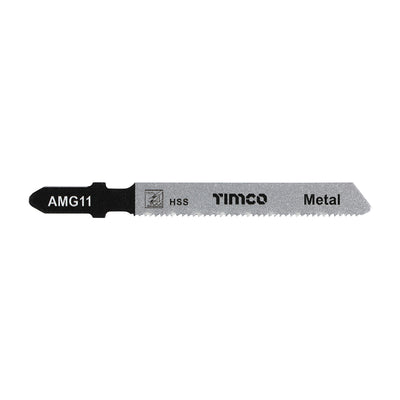
TIMCO Jigsaw Blades Metal Cutting HSS Blades - T118A (5pcs)
- Pack quantity
- 5 Pieces
- Price
- £5.94Incl. VAT
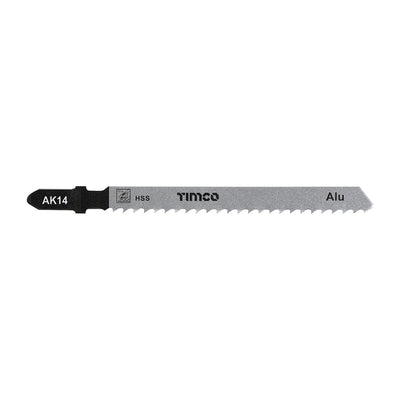
TIMCO Jigsaw Blades Metal Cutting HSS Blades - T127D (5pcs)
- Pack quantity
- 5 Pieces
- Price
- £6.35Incl. VAT
Jigsaw Blades for Wood, Metal, and More
Using the wrong jigsaw blade ruins your cut before you even start. It causes splintering, burning, or a blade that snaps mid-cut. Here you will find quality jigsaw blades for every material and task. This range covers wood cutting blades, jigsaw metal cutting blades, and multi-material options. All blades are built for clean, accurate cuts on every job. Whether you are on a building site or working at home, the right blade is here.
Why the Right Jigsaw Blade Matters
Not all jigsaw blades are the same. Each one is made for a specific material. Using a wood blade on metal will blunt it instantly. Using a coarse blade on thin sheet will tear and rip the surface.
The blade controls the cut quality, speed, and finish. TPI (teeth per inch) decides whether the cut is rough or smooth. The blade length decides how deep you can cut. Shank type decides whether it fits your jigsaw.
This range covers the most common blade types used across the UK. Products are from trusted brands suited to trade and DIY use. Most are available in single blades and in handy jigsaw blade sets.
Quick tip: Always check the TPI before you cut. Low TPI (6 to 10) gives fast, rough cuts in thick wood. High TPI (18 to 24) gives slow, clean cuts in metal or thin sheet.
Types of Jigsaw Blades Available
Each blade type is designed for a specific cutting task. Here is a clear guide to what is in this range and when to use each one.
Wood Cutting Jigsaw Blades
These are the most widely used jigsaw blades in the UK. They have fewer teeth per inch for fast, deep cuts. Suited to softwood, hardwood, chipboard, and MDF. Available in coarse cut for speed and fine cut for a neat finish. A must-have for carpentry, joinery, and general DIY.
Jigsaw Metal Cutting Blades
Metal cutting blades have a high TPI and fine teeth. They cut steel sheet, aluminium, copper pipe, and thin bar. They are hardened to stay sharp through tough material. Use a slower jigsaw speed when cutting metal. Always use the correct blade to avoid dangerous blade breakage.
Multi-Material Jigsaw Blades
Multi-material blades handle wood, plastic, thin metal, and laminates. They are a good option when you switch between materials often. They are a popular choice in a jigsaw blade set for general use. They save time on site when you do not want to keep swapping blades.
Laminate and Worktop Blades
These blades cut downward to reduce chipping on the top face. They are designed for laminated surfaces and kitchen worktops. The reversed tooth pattern keeps the face of the laminate clean. Ideal for kitchen fitters and worktop installers across the UK.
Plunge Cut Jigsaw Blades
Plunge cut blades have a pointed tip for cutting into a surface directly. No pre-drilled start hole is needed. Useful for cutting out sockets, plug holes, or internal sections. They save time when you need to start a cut from the middle of a board.
Ceramic and Tile Cutting Blades
Specialist blades with tungsten-tipped or grit edges cut ceramic tiles. They make curved or internal cuts that a tile cutter cannot do. Ideal for cutting around pipes, outlets, or awkward shapes in tiles. Use at a slow jigsaw speed with no orbital action for best results.
TPI Guide: Choosing the Right Tooth Count
TPI stands for teeth per inch. It is the most important spec on a jigsaw blade. It controls the cut speed and the finish quality.
| TPI Range | Cut Type | Best For |
|---|---|---|
| 6 to 10 TPI | Coarse and fast | Thick softwood, construction timber, rough cuts |
| 10 to 14 TPI | Medium | Hardwood, plywood, MDF, general joinery |
| 14 to 18 TPI | Fine | Thin hardwood, plastics, laminates |
| 18 to 24 TPI | Very fine | Sheet metal, aluminium, copper, thin bar |
| 24+ TPI | Ultra fine | Stainless steel, hard alloys, thin metal sheet |
Higher TPI means cleaner cuts but slower progress. Lower TPI means faster cuts but a rougher edge. Match the TPI to what matters most on each job.
T-Shank vs U-Shank Jigsaw Blades
Jigsaw blades come in two main shank types in the UK. Getting the right shank is essential. The wrong shank will not fit your tool.
T-Shank Blades
T-shank blades are the most common type in the UK today. They fit the vast majority of modern jigsaws. They lock in and out without tools in seconds. Most top brands now use the T-shank system as standard. If you are unsure, T-shank is almost certainly the right fit.
U-Shank Blades
U-shank blades suit older jigsaw models. They are less common but still available for older tools. They require a screwdriver or key to change the blade. Always check your jigsaw manual to confirm which shank it takes.
Not sure which shank fits your jigsaw? Check the slot at the bottom of your jigsaw shoe. A T-shaped slot takes T-shank blades. A round slot takes U-shank blades. Most jigsaws made after 2000 use the T-shank system.
Jigsaw Blade Material: What the Steel Type Means
The steel used in the blade affects how long it lasts and what it can cut. Here is a quick guide to the main blade materials available.
High Carbon Steel (HCS)
HCS blades are flexible and less likely to snap. They are ideal for cutting wood, MDF, chipboard, and soft plastics. They are not suited to metal cutting. HCS blades are a common choice in a jigsaw blade set for woodworking.
High Speed Steel (HSS)
HSS blades are harder and more rigid than HCS. They are built for cutting metal, including steel and aluminium. They stay sharper for longer in tough materials. A quality HSS jigsaw metal cutting blade will outperform HCS on sheet metal.
Bi-Metal (BIM)
Bi-metal blades combine an HSS cutting edge with an HCS body. This gives the hardness of HSS with the flexibility of HCS. Bi-metal blades resist breakage and last far longer than single-metal blades. They are often called the best jigsaw blades for general trade use.
Tungsten Carbide Grit (TCG)
TCG blades have abrasive grit along the edge instead of teeth. They cut ceramic tiles, fibreglass, and hard composites. They are not suitable for wood or metal. Use at a slow speed with no orbital setting for a clean cut.
Picking the Right Jigsaw Blade for Your Job
Start by identifying your material. Then consider the cut quality you need. Use the guide below to find the right blade fast.
Cutting Softwood or Timber
Use a HCS blade with 6 to 10 TPI. This gives a fast, clean cut through pine, spruce, and construction timber. A T-shank blade is the standard fit for most UK jigsaws.
Cutting MDF or Chipboard
Use a HCS blade with 10 to 14 TPI. MDF is dense and dusty. A sharp blade makes a big difference. Fine tooth blades reduce tear-out on the cut edge.
Cutting Sheet Metal or Steel
Use an HSS or bi-metal jigsaw metal cutting blade. Set your jigsaw to a slow speed with no orbital action. A blade with 18 to 24 TPI is ideal for thin steel sheet.
Cutting Aluminium or Copper
Use a bi-metal or HSS blade with 14 to 18 TPI. Apply a little cutting lubricant to reduce heat build-up. Keep the jigsaw speed moderate for the cleanest edge.
Cutting Laminates or Worktops
Use a reversed-tooth laminate blade. The downward-cutting teeth protect the face of the laminate. This is the most common mistake kitchen fitters make when they use the wrong blade.
Mixed Materials or General Site Use
A bi-metal multi-material blade handles most common tasks. Buy a jigsaw blade set to cover all your cutting needs in one go. Sets are better value than buying single blades for each material.
Jigsaw Blade Safety and Care Tips
A worn or incorrect blade is dangerous. These tips keep your cuts safe and accurate.
Always fit the blade with the jigsaw unplugged or the battery removed. Check the blade is locked securely before cutting. A loose blade can eject during a cut and cause injury.
Replace blades as soon as they feel slow or start to wander off the cut line. A dull blade needs more force to cut. More force means less control. Blades are low cost. Replacing them regularly is worth it.
Never force the jigsaw forward. Let the blade do the work at its own pace. Forcing the blade bends it, causes breakage, and ruins the cut.
Orbital action tip: Most modern jigsaws have orbital settings. Higher orbital action cuts faster but leaves a rougher edge. Turn the orbital action off when cutting metal or thin materials. Use it only on thick wood where speed matters more than finish.
Find the Right Jigsaw Blade for Every Cut
Use the filters above to sort by material, TPI, shank type, and blade length. Check individual product pages for full specifications before ordering.
Whether you need a jigsaw metal cutting blade for steel sheet, a fine wood blade for joinery, a laminate blade for worktops, or a full jigsaw blade set for site use, this range covers the most-used blade types for trade and DIY across the UK. For more cutting accessories, see our saw blades range.
Frequently Asked Questions
What are the best jigsaw blades for cutting wood?
High carbon steel (HCS) blades with 6 to 14 TPI are best for wood. Use lower TPI for thick, rough cuts and higher TPI for a clean finish. Bi-metal blades are a good all-round option if you cut both wood and other materials.
What jigsaw blade do I need to cut metal?
Use a jigsaw metal cutting blade made from HSS or bi-metal steel. The blade should have 18 to 24 TPI for thin sheet metal. Set the jigsaw to a slow speed and turn off the orbital action.
What is the difference between T-shank and U-shank jigsaw blades?
T-shank blades fit most modern jigsaws and lock in without tools. U-shank blades suit older models and need a key or screwdriver to fit. Check your jigsaw manual to confirm which shank it accepts.
How often should I replace a jigsaw blade?
Replace the blade when it starts to slow down, wander, or burn the material. A sharp blade cuts cleanly with little effort. Blades are inexpensive. Replace them sooner rather than later.
What does TPI mean on a jigsaw blade?
TPI stands for teeth per inch. It controls cut speed and finish quality. Low TPI cuts fast but leaves a rough edge. High TPI cuts slowly but cleanly. Match the TPI to the material and the finish you need.
Can I use a wood jigsaw blade to cut plastic?
Yes, but only for thicker or softer plastics. For thin or brittle plastic, use a fine-tooth blade with 14 to 18 TPI. A blade that is too coarse will crack or chip the plastic edge.
Is a jigsaw blade set worth buying?
Yes. A jigsaw blade set gives you the right blade for every material. Sets are better value than buying individual blades one at a time. They are ideal for tradespeople or anyone who cuts different materials regularly.
Why does my jigsaw blade keep breaking?
The most common causes are using the wrong blade for the material and forcing the cut. Bending the blade or cutting curves too tightly also causes snapping. Always let the blade cut at its own pace and use the correct blade type.
Related Cutting Tools and Accessories
Jigsaw blades are often used alongside other cutting products. See our saw blades for circular saw and reciprocating saw options.
For marking and measuring before you cut, visit our measuring and marking tools range.