60 products
Nails, Pins & Tacks
nails-pins-tacks
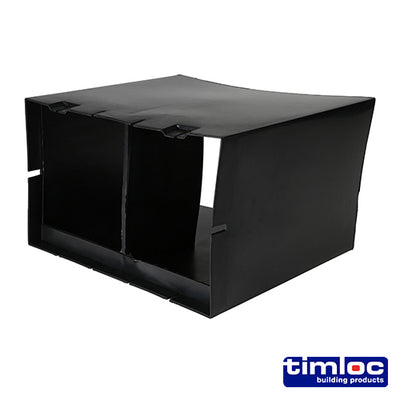
Timloc Through-Wall Cavity Sleeve for Two Airbricks Stacked - 229 x 152mm
- Pack quantity
- 1 Each
- Price
- £78.10Incl. VAT
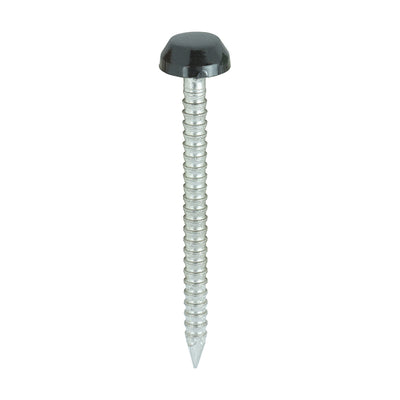
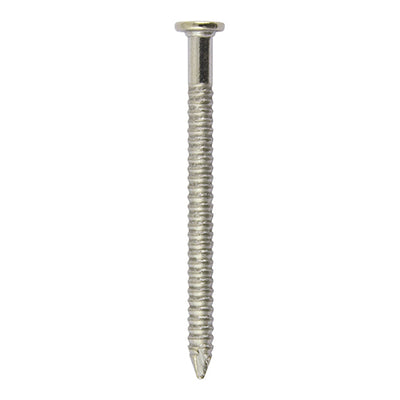
TIMCO Polymer Headed Pins A4 Stainless Steel Black - 30mm (250pcs)
- Pack quantity
- 250 Pieces
- Price
- £8.90Incl. VAT
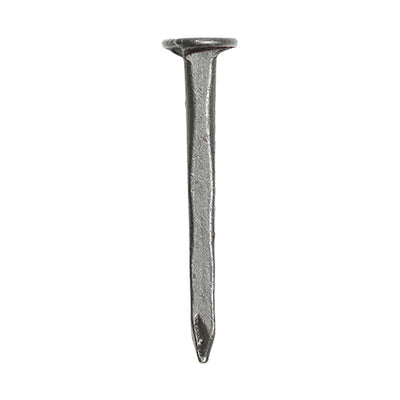
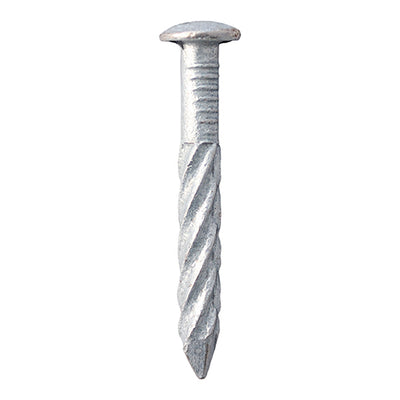
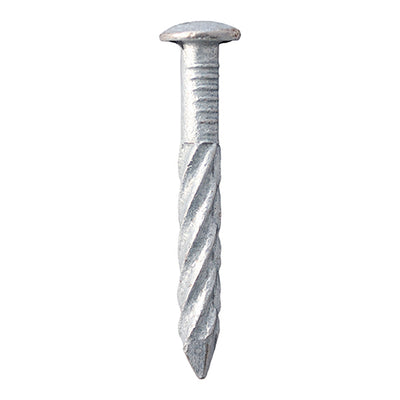
TIMCO Drive Screws Galvanised - 50 x 5.40 (2.5kg)
- Pack quantity
- 3 Kilograms
- Price
- £12.60Incl. VAT
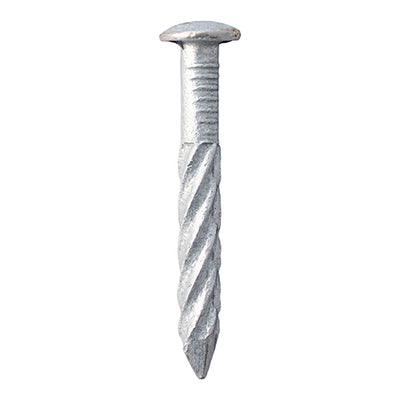
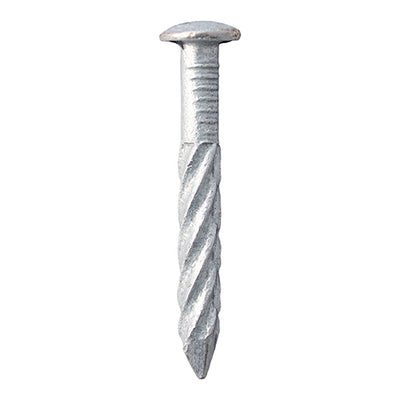
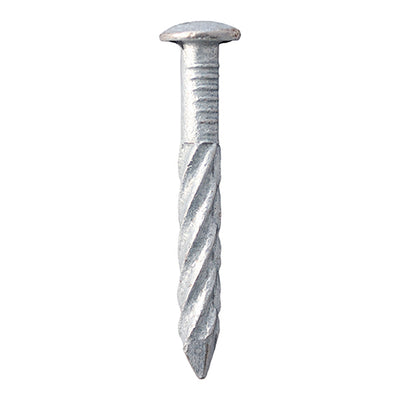
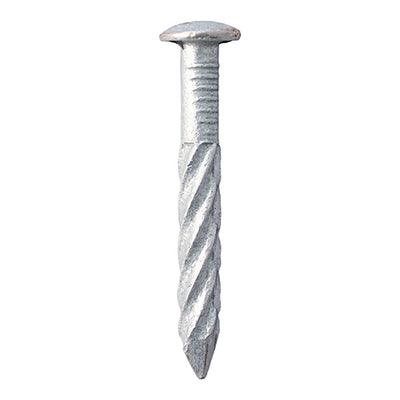
TIMCO Drive Screws Galvanised - 150 x 6.40 (2.5kg)
- Pack quantity
- 3 Kilograms
- Price
- £12.30Incl. VAT
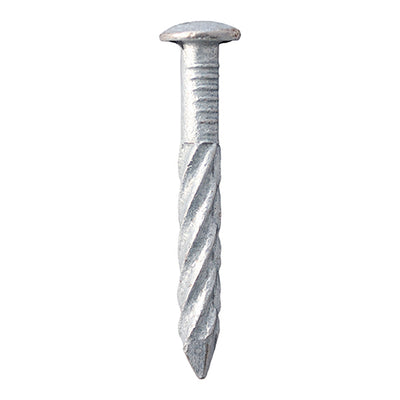
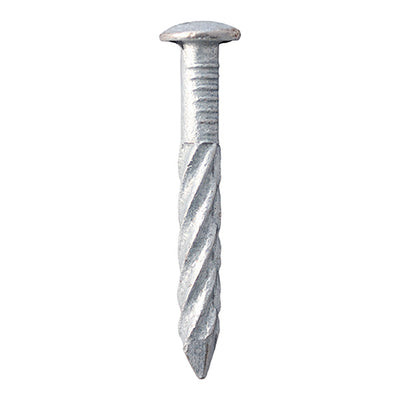
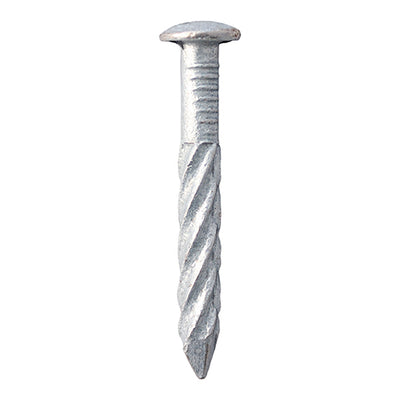
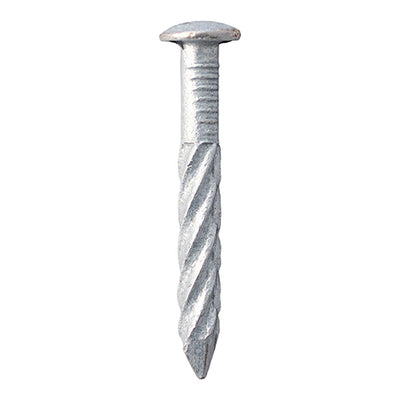
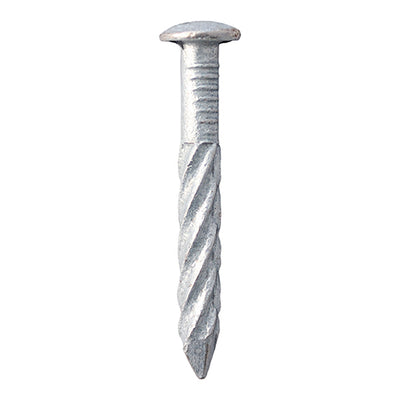
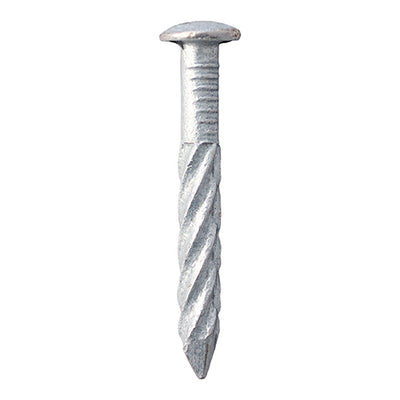
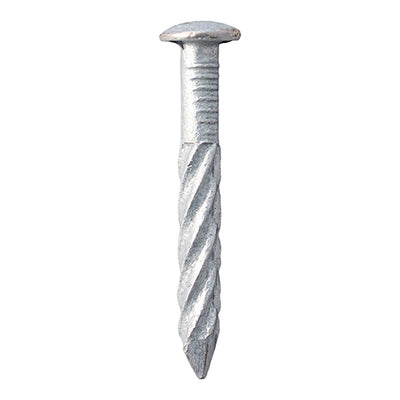
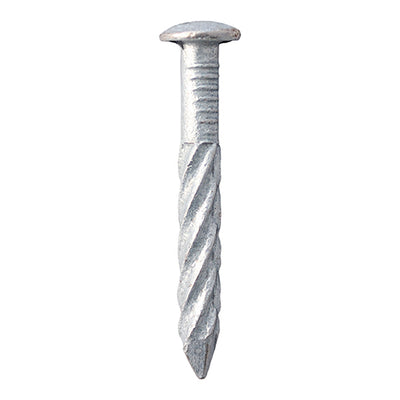
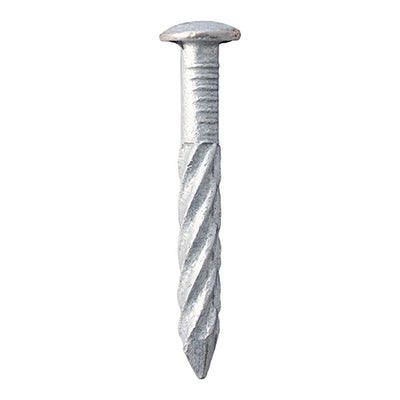
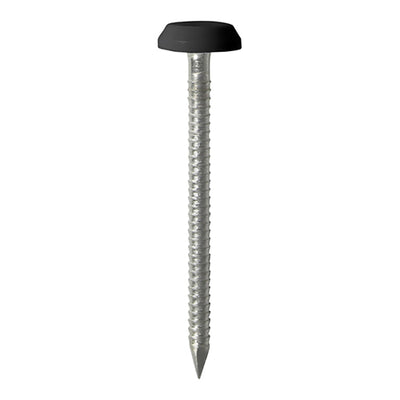
TIMCO Polymer Headed Nails A4 Stainless Steel Black - 50mm (25pcs)
- Pack quantity
- 25 Pieces
- Price
- £3.78Incl. VAT
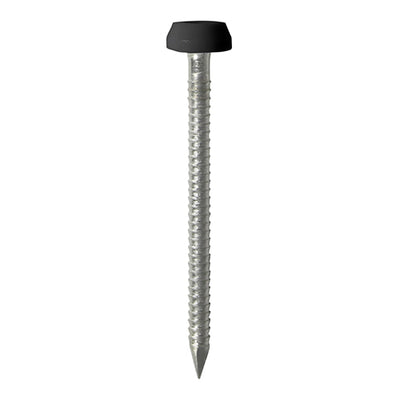
TIMCO Polymer Headed Pins A4 Stainless Steel Black - 40mm (50pcs)
- Pack quantity
- 50 Pieces
- Price
- £3.78Incl. VAT
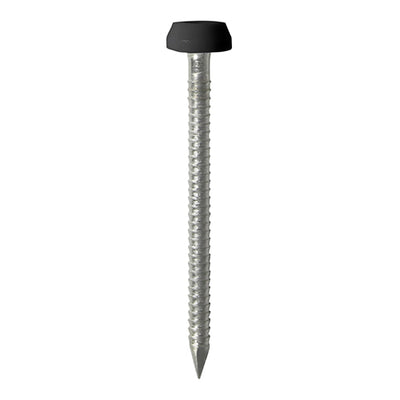
TIMCO Polymer Headed Pins A4 Stainless Steel Black - 30mm (60pcs)
- Pack quantity
- 60 Pieces
- Price
- £3.78Incl. VAT
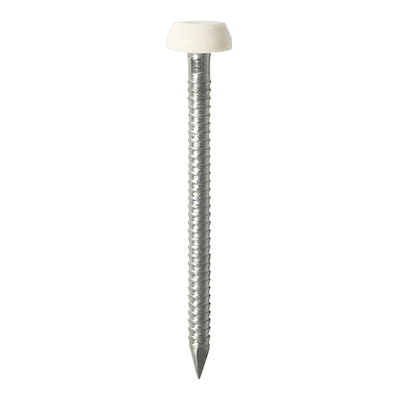
TIMCO Polymer Headed Pins A4 Stainless Steel White - 40mm (50pcs)
- Pack quantity
- 50 Pieces
- Price
- £3.78Incl. VAT
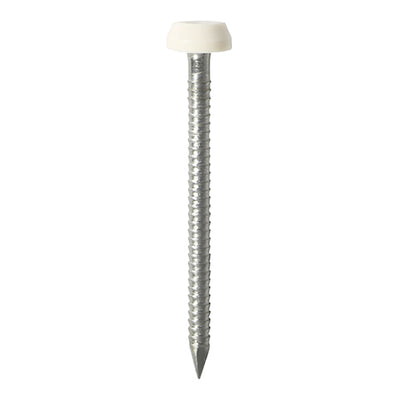
TIMCO Polymer Headed Pins A4 Stainless Steel White - 30mm (60pcs)
- Pack quantity
- 60 Pieces
- Price
- £3.78Incl. VAT
Nails, Pins and Tacks for Trade and DIY Use
Using the wrong nail or tack can split timber, loosen over time, or fail outdoors. This range covers nails, pins, tacks, timber drive screws, galvanised drive screws, and blue cut tacks. Every product here is suited to trade and DIY tasks. From carpentry and joinery to upholstery and roofing, you will find the right fastener here.
The Right Nail or Tack for Every Task
Nails, pins, and tacks are some of the most used fasteners in any trade. They are simple, fast, and reliable when used correctly.
The wrong type causes real problems. A plain wire nail in an outdoor fence will rust quickly. A large oval nail can split a thin piece of timber. Matching the fastener to the job is key.
This range covers the most common types used across UK building sites, workshops, and homes. Products are available in practical pack sizes for both trade and DIY use.
Quick tip: Always pre-drill near the end of a timber board. This prevents splitting when driving nails or pins close to the edge. Use a bit slightly smaller than the nail shank.
Types of Nails, Pins and Tacks Available
Each type of nail or tack is designed for a specific use. Here is a clear guide to what is stocked and when to use each one.
Round Wire Nails
Round wire nails are the most common general-purpose nail. They are strong and suited to framing, carcassing, and timber joinery. Available in a wide range of lengths. They give a solid hold in softwood and hardwood alike. Best used where the nail head will not be on show.
Oval Wire Nails
Oval wire nails have an oval-shaped shank. This shape reduces the risk of splitting the timber. Drive them with the oval aligned along the wood grain. They are ideal for skirting boards, architraves, and general joinery work. The small head can be punched below the surface for a neat finish.
Lost Head Nails
Lost head nails have a very small head. The head can be punched flush or below the timber surface. This gives a clean, hidden finish after filling. They are popular for floorboards, panelling, and fine joinery tasks.
Galvanised Drive Screws
Galvanised drive screws offer a stronger hold than standard nails. The twisted or annular shank bites into the timber as it is driven. This makes them very hard to pull out once fixed. They are ideal for decking, cladding, fencing, and outdoor joinery. The galvanised coating protects against rust in wet conditions.
Timber Drive Screws
Timber drive screws combine the speed of a nail with the grip of a screw. They are driven with a hammer or nail gun. The threaded shank gives strong withdrawal resistance. Use them for structural timber connections, floor joists, and stud work. They are a fast option where screw-driving would take too long.
Blue Cut Tacks
Blue cut tacks are short, sharp-pointed tacks with a wide flat head. They are used in upholstery, carpet fitting, and fabric fixing. The cut-steel design gives a firm grip in timber and softboard. The blue finish helps resist light moisture. Available in various lengths to suit light and medium-duty tasks.
Panel Pins
Panel pins are thin, lightweight nails with a small head. They are used for fixing thin panels, beading, and mouldings. Their slim profile reduces splitting in delicate timber. They are easy to punch below the surface for a neat look. A favourite in cabinet making and furniture repair.
Clout Nails
Clout nails have a wide, flat head and a short shank. They are designed to hold sheet materials without pulling through. Used for roofing felt, slates, timber shingles, and plasterboard. Available in plain and galvanised finishes. The large head spreads the load and prevents tearing.
Hardboard and Plasterboard Nails
These nails are made for fixing boards to timber studwork. Hardboard nails have a diamond point for clean entry. Plasterboard nails have a large head to stop them sinking into the board. Both types reduce damage to the face of the board during fixing.
Ring Shank Nails
Ring shank nails have rings around the shank. These rings grip the timber fibres tightly once driven in. They resist withdrawal far better than plain nails. Use them for decking boards, cladding, and outdoor timber work. They are available in galvanised finish for weather resistance.
Picking the Right Nail or Tack for Your Job
Start by thinking about the material you are fixing into. Then consider whether the fixing will be seen or hidden. Finally, think about the environment, indoors or outdoors.
General Timber Framing
Round wire nails or timber drive screws work best here. Use lengths that give at least two thirds penetration into the base timber. For structural work, timber drive screws give superior withdrawal strength.
Finish Joinery and Mouldings
Use oval wire nails or panel pins for a neat result. Drive the head just below the surface with a nail punch. Fill the hole and sand smooth for a professional finish.
Outdoor and Exposed Timber
Always use galvanised drive screws or ring shank nails outdoors. Plain steel nails rust quickly in UK weather conditions. Rust staining can bleed through paint and ruin the finish.
Upholstery and Carpet Fitting
Blue cut tacks are the correct choice for fabric and carpet work. Their wide head holds fabric firmly without tearing through. Use shorter tacks for thin fabrics and longer ones for padding layers.
Roofing and Sheet Materials
Clout nails are purpose-made for this. The large flat head holds roofing felt and sheet materials firmly. Use galvanised clout nails for any external or exposed roofing work.
Decking and Cladding
Galvanised drive screws or ring shank nails are the best options. Both resist pulling out as timber expands and contracts with moisture. Always use a galvanised or stainless finish to prevent rust staining.
Nail Lengths and When to Use Them
Getting the nail length right matters. Too short and the fixing will not hold. Too long and the nail may punch through the back of the timber.
A good rule for most timber fixing is to use a nail that is two and a half to three times the thickness of the piece being fixed. At least two thirds of the nail should penetrate the base material.
| Nail Length | Typical Use | Common Type |
|---|---|---|
| 25mm to 40mm | Panel pins, beading, thin timber strips | Panel pins, lost head nails |
| 50mm to 65mm | Skirting boards, architraves, cladding | Oval wire nails, lost head nails |
| 75mm to 90mm | Floorboards, stud work, joinery framing | Round wire nails, timber drive screws |
| 100mm and above | Structural timber, floor joists, heavy framing | Round wire nails, timber drive screws |
| 10mm to 20mm | Roofing felt, carpet tacking, upholstery | Clout nails, blue cut tacks |
Always check the product page for the exact sizes available in each type.
Galvanised Nails vs Plain Steel Nails
Choosing the right finish is just as important as choosing the right type. In the UK, outdoor conditions are damp for much of the year. Plain steel nails will rust fast when exposed to moisture.
Plain steel nails are fine for indoor use. They are cheaper and widely available. Use them for internal joinery, stud partitions, and timber framing inside a building.
Galvanised nails and drive screws have a zinc coating. This coating stops rust forming in wet or damp conditions. Use them for fencing, decking, cladding, outdoor structures, and roofing. Hot-dipped galvanised nails offer better corrosion protection than electro-galvanised.
Remember: Using plain nails in outdoor timber will cause rust staining. The stain bleeds through paint and sealants. It is very hard to remove once it appears. Always use galvanised drive screws or galvanised nails in any exposed location.
Timber Drive Screws vs Standard Nails
Both are driven with a hammer or nail gun. But timber drive screws give a much stronger hold.
Standard nails rely on friction between the shank and the timber. Over time, timber movement can loosen plain nails. They work well for non-structural and light-duty tasks.
Timber drive screws have a threaded or twisted shank. The threads grip the timber fibres as the fastener is driven in. This gives far greater resistance to being pulled out. They are the better option for decking, structural joints, and any load-bearing timber connection.
For speed without sacrificing hold strength, timber drive screws are the preferred choice on site. They are also available in galvanised finishes for outdoor use.
Find the Right Nails, Pins and Tacks for Your Work
Use the filters above to narrow down by type, size, and finish. Check individual product pages for exact lengths, pack sizes, and material specifications before ordering.
Whether you need galvanised drive screws for outdoor decking, timber drive screws for structural timber connections, blue cut tacks for upholstery and carpet fitting, panel pins for fine joinery, or clout nails for roofing felt, this range covers the most-used nails, pins, and tacks for trade and DIY work across the UK. For other fastening products, see our wood screws range or browse our masonry fixings.
Frequently Asked Questions
What are blue cut tacks used for?
Blue cut tacks are used in upholstery, carpet fitting, and fabric fixing. They have a wide flat head that holds material without tearing through. The cut-steel point grips firmly into timber and softboard.
What is the difference between a timber drive screw and a nail?
A timber drive screw has a threaded or twisted shank. This gives it much stronger withdrawal resistance than a plain nail. It is driven with a hammer like a nail but grips like a screw.
Are galvanised drive screws suitable for outdoor use?
Yes. Galvanised drive screws are coated in zinc to resist rust. They are suitable for decking, fencing, cladding, and other outdoor timber work. Always use galvanised fixings where moisture is likely.
What nail should I use for skirting boards and architraves?
Oval wire nails or lost head nails are best for skirting boards and architraves. The small head can be punched below the surface and filled for a neat finish. Use 50mm to 65mm lengths for most standard profiles.
What is the correct nail length for fixing timber?
A good rule is to use a nail two and a half to three times the thickness of the piece being fixed. At least two thirds of the nail should go into the base material. This gives a firm, reliable hold in most timber types.
Can I use plain steel nails for decking or fencing?
No. Plain steel nails rust quickly in UK outdoor conditions. Rust staining can bleed through paint and sealants and is hard to remove. Always use galvanised drive screws or ring shank nails for outdoor timber.
What type of nail is best for roofing felt?
Clout nails are the correct choice for roofing felt. Their large flat head holds the felt without pulling through. Use galvanised clout nails for any external roofing application.
What are panel pins used for?
Panel pins are thin nails used to fix beading, mouldings, and thin timber panels. Their slim shank reduces the risk of splitting delicate timber. The small head can be punched below the surface for a clean finish.
Related Fasteners and Fixings
Nails and tacks are often used alongside other fasteners. See our wood screws range for screw-driven timber fixing options.
For fixing into masonry and concrete alongside your timber work, visit our masonry fixings range.