54 products
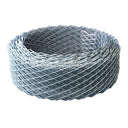
Structural Fixings
structural-fixings
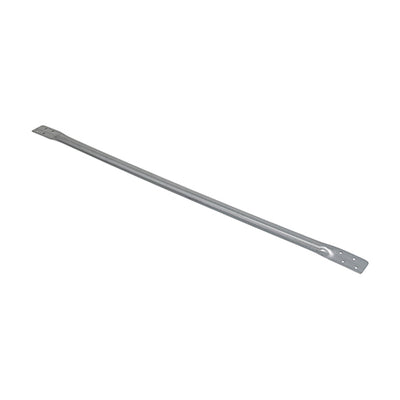
TIMCO Herringbone Joist Struts Galvanised - 600 joist centres (10pcs)
- Pack quantity
- 10 Pieces
- Price
- £8.80Incl. VAT
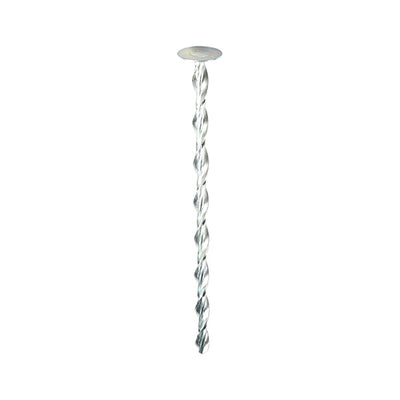
TIMCO Helical Flat Roof Fixing Silver - 8.0 x 270 (25pcs)
- Pack quantity
- 25 Pieces
- Price
- £35.18Incl. VAT
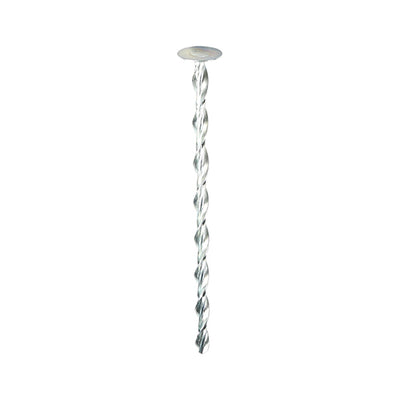
TIMCO Helical Flat Roof Fixing Silver - 8.0 x 250 (25pcs)
- Pack quantity
- 25 Pieces
- Price
- £32.88Incl. VAT
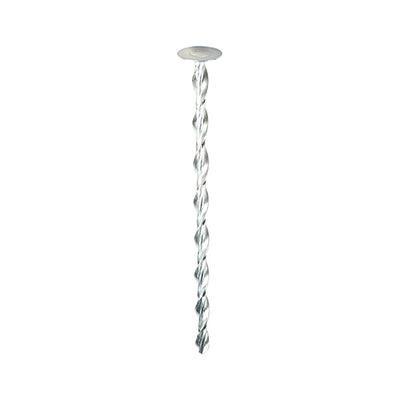
TIMCO Helical Flat Roof Fixing Silver - 8.0 x 195 (25pcs)
- Pack quantity
- 25 Pieces
- Price
- £18.08Incl. VAT
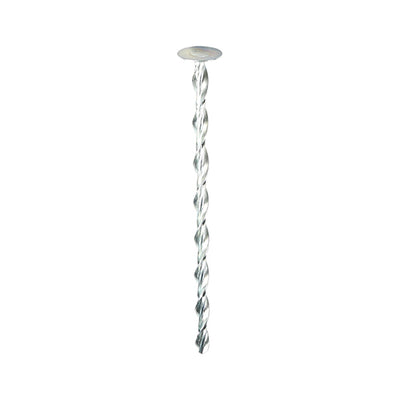
TIMCO Helical Flat Roof Fixing Silver - 8.0 x 165 (25pcs)
- Pack quantity
- 25 Pieces
- Price
- £15.49Incl. VAT
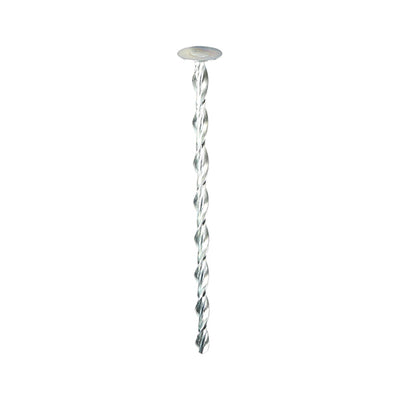
TIMCO Helical Flat Roof Fixing Silver - 8.0 x 135 (25pcs)
- Pack quantity
- 25 Pieces
- Price
- £13.46Incl. VAT
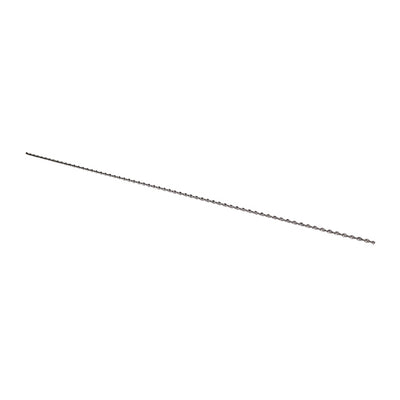
TIMCO Helical Bars A2 Stainless Steel - 8 x 1000mm (25pcs)
- Pack quantity
- 25 Pieces
- Price
- £225.55Incl. VAT
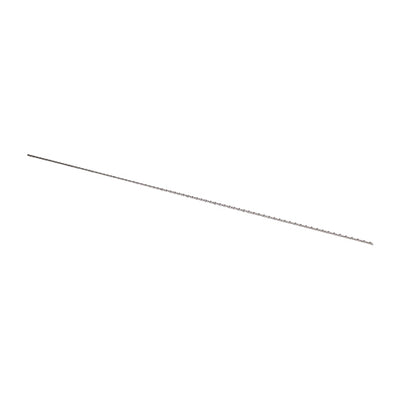
TIMCO Helical Bars A2 Stainless Steel - 6 x 1000mm (25pcs)
- Pack quantity
- 25 Pieces
- Price
- £149.35Incl. VAT
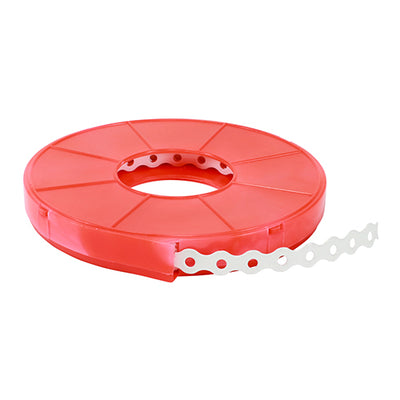
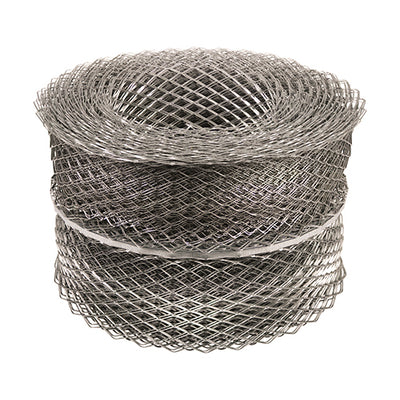
TIMCO Brick Reinforcement Coil A2 Stainless Steel - 290ml
- Pack quantity
- 1 Each
- Price
- £72.94Incl. VAT
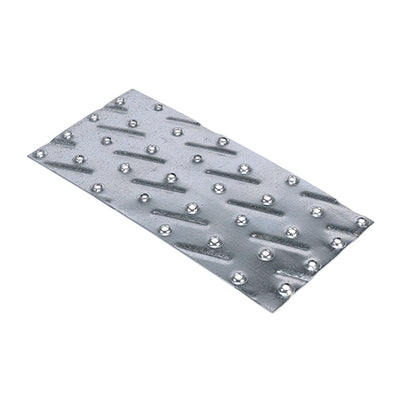
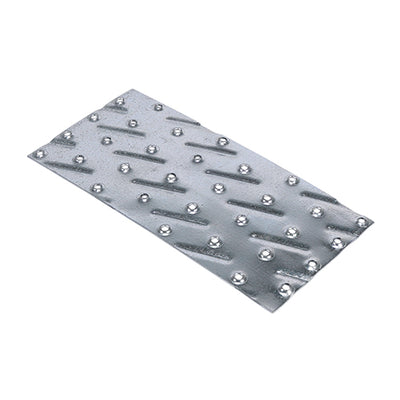
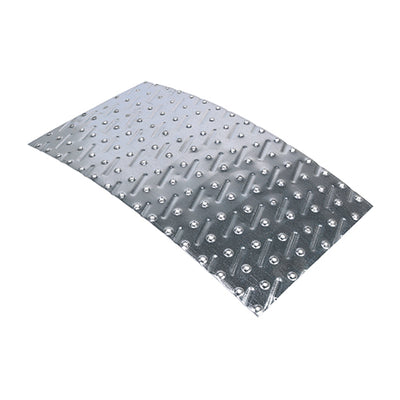
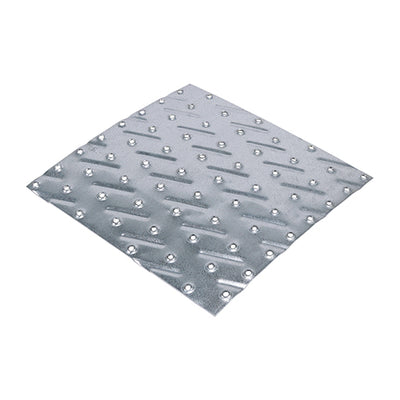
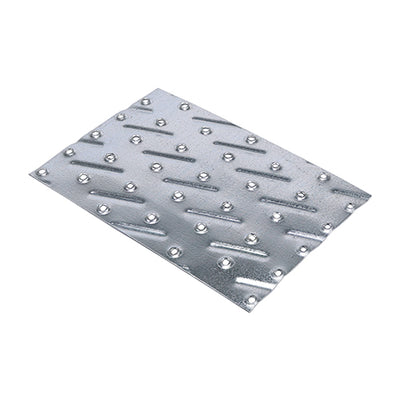
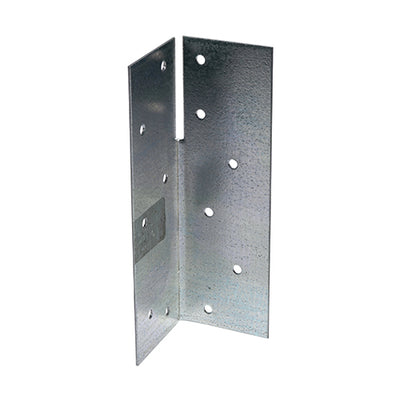
TIMCO Universal Framing Anchors Galvanised - 124 x 40 x 40
- Pack quantity
- 1 Each
- Price
- £0.43Incl. VAT
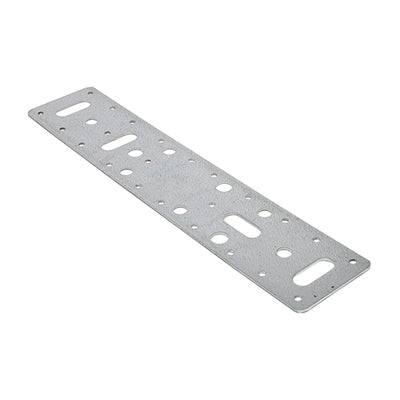
TIMCO Flat Connector Plates Galvanised - 62 x 300 (5pcs)
- Pack quantity
- 5 Pieces
- Price
- £15.12Incl. VAT
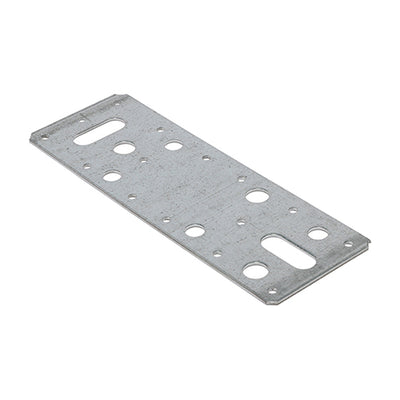
TIMCO Flat Connector Plates Galvanised - 62 x 180 (5pcs)
- Pack quantity
- 5 Pieces
- Price
- £7.72Incl. VAT
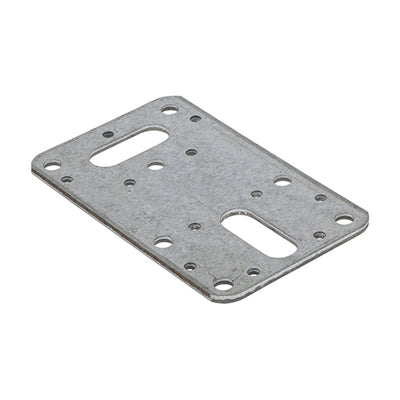
TIMCO Flat Connector Plates Galvanised - 62 x 100 (5pcs)
- Pack quantity
- 5 Pieces
- Price
- £6.11Incl. VAT
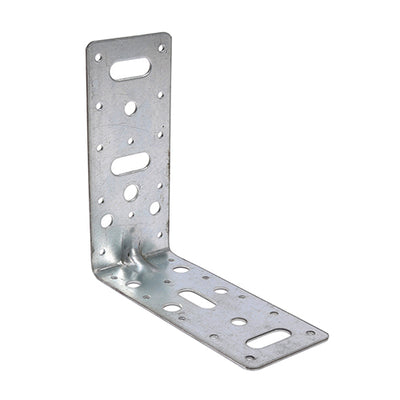
Structural Fixings for Steel, Timber and Load-Bearing Joints
A weak structural fixing can bring down an entire build. It is not worth the risk. Structural fixings hold frames, beams, posts, and joists together under real load. They are built for strength, not just convenience. This range covers structural steel fixings, structural timber fixings, joist hangers, post bases, and more. All products are suited to professional trade use across the UK. If your job needs a fixing that holds under pressure, you will find it here.
What Are Structural Fixings?
Structural fixings join or support load-bearing parts of a building. They are used in frames, roofs, floors, and walls. They hold timber to timber, steel to timber, or steel to steel.
These are not the same as general fasteners or light fixings. Structural fixings must meet higher strength and safety standards. They are often tested and rated for specific loads and conditions.
You will find them used by joiners, carpenters, structural engineers, and builders. They are common in new builds, extensions, loft conversions, and roof structures.
Important: Always check the load rating before fitting any structural fixing. Using an under-rated product in a load-bearing position is a safety risk. If you are unsure, speak to a structural engineer before proceeding.
Types of Structural Fixings in This Range
Different structural joints need different types of fixings. Here is a clear guide to what is available and where each type is used.
Joist Hangers
Joist hangers support floor and ceiling joists at a wall or beam. They carry the joist load and transfer it to the supporting structure. They remove the need for notching or bird-mouthing the timber. Available in single and double joist sizes. Essential in timber floor and flat roof construction.
Post Bases and Post Caps
Post bases anchor vertical timber posts to a concrete slab or plinth. They keep timber off the ground and reduce moisture contact. Post caps sit at the top of a post and connect it to a beam above. Both are key parts of pergolas, carports, and structural frames.
Timber to Timber Connectors
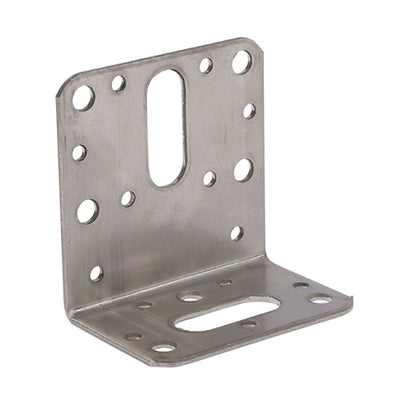
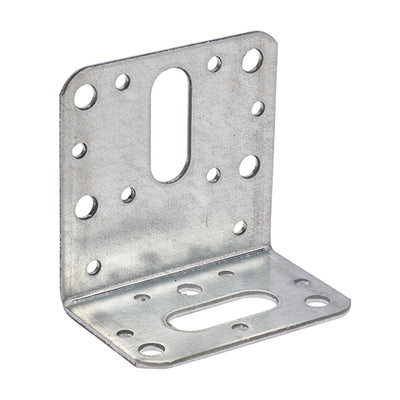
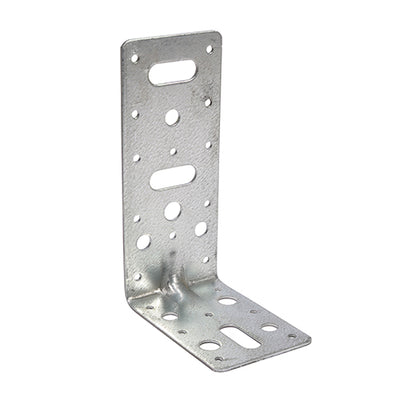
These metal plates and brackets join two pieces of timber at a joint. They are used in roof trusses, floor frames, and stud partitions. They add shear strength and resist racking in the frame. Common types include strap connectors, angle brackets, and nail plates.
Structural Screws and Bolts
Structural screws are heavy-duty fasteners rated for load-bearing use. They are used in place of traditional coach bolts in many timber joints. Structural bolts are used where high tensile or shear loads are expected. Both require full embedment into sound, solid timber or steel sections.
Steel Framing Anchors
Steel framing anchors fix timber members to steel beams or columns. They are used in hybrid structures with both timber and structural steel. They are punched from thick galvanised steel for maximum strength. Typical uses include fixing timber floor joists to RSJ steel beams.
Tension and Strap Ties
Strap ties resist uplift forces on roof structures and wall plates. They are fitted along rafters or across wall plates to anchor them down. They are critical in areas exposed to wind uplift. Building regulations in the UK require them in most roof designs.
Where Are Structural Fixings Used?
Structural fixings appear in many stages of a build. Here is a quick reference for the most common applications.
| Application | Common Fixing Type | Notes |
|---|---|---|
| Timber Floor Joists | Joist hangers, structural screws | Hangers must match the joist width and depth exactly |
| Roof Trusses and Rafters | Truss clips, strap ties, nail plates | Required under UK building regulations for uplift resistance |
| Stud Wall Frames | Angle brackets, timber connectors | Used at top and bottom plate junctions for racking strength |
| Post and Beam Structures | Post bases, post caps, bolts | Post base must be set in cured concrete before loading |
| Steel to Timber Connections | Steel framing anchors, bolts | Drill clearance holes in steel; use correct bolt grade |
| Pergolas and Outbuildings | Post bases, joist hangers, straps | Use hot-dipped galvanised products for external use |
For more complex or unusual joints, always consult the product technical sheet. It will confirm load values and installation requirements.
Structural Timber Fixings Explained
Structural timber fixings connect timber members in a way that transfers load safely. They are not decorative. They are load-rated and tested to a standard.
The most widely used structural timber fixings are joist hangers, angle brackets, and strap ties. Each one plays a specific role in the frame or roof structure.
Nail plates are another key product in this category. They are used to join timber in truss fabrication. They are pressed into both pieces of timber and create a rigid joint.
UK Building Regulations note: Many structural timber fixings used in roof construction must comply with BS EN 845-1. This covers straps, hangers, and similar components used in masonry and timber structures. Always use products from a certified manufacturer when working on regulated structures.
Structural timber fixings are available in galvanised steel as standard. Stainless steel versions are available for exposed or external use. Never use uncoated steel fixings in external or damp environments.
Structural Steel Fixings for Trade Use
Structural steel fixings connect steel members or attach other materials to steel sections. They must resist tension, shear, and in some cases bending forces.
Common examples include high-tensile bolts, structural washers, and framing anchors. These are used in steel frame construction, mezzanine floors, and industrial buildings.
When fixing timber to steel, a steel framing anchor is the standard solution. It is bolted or screwed to the steel section, and the timber joist or beam sits into it. This allows fast, accurate assembly on site.
High-Tensile Bolts
Grade 8.8 and 10.9 bolts are used in structural steel connections. They must be tightened to a specific torque value. Using the wrong grade reduces the joint strength significantly. Always match bolt grade to the design requirement.
Structural Washers
Structural washers spread the bearing load under a bolt head or nut. They prevent the bolt pulling through the connected material. They are required in most structural bolted connections. Do not substitute standard washers for structural grade washers.
Coach Screws for Steel to Timber
Coach screws are used to fix timber to steel or timber to timber. They have a hex head and a coarse thread for deep grip. Pre-drilling is always needed to avoid splitting the timber. They are available in zinc-plated and hot-dipped galvanised finishes.
Framing Anchors
Framing anchors are stamped steel brackets used at timber-to-steel joints. They transfer both vertical and horizontal loads. They are faster to fit than traditional bolted connections in many cases. Used widely in timber frame buildings with steel support beams.
Choosing the Right Finish for Structural Fixings
The finish on a structural fixing affects both its lifespan and its safety. The wrong finish in a damp or external setting will corrode. Corroded structural fixings fail faster than clean ones.
| Finish | Suitable For | Not Suitable For |
|---|---|---|
| Zinc Plated (BZP) | Internal dry environments only | External, damp, or treated timber |
| Hot-Dipped Galvanised (HDG) | External use, treated timber, exposed areas | Highly acidic or coastal environments |
| A2 Stainless Steel | External, damp, and mildly corrosive environments | Severe coastal or chemical exposure |
| A4 Stainless Steel | Coastal, marine, or chemical environments | Not required for standard internal use |
Many modern timber treatments are highly corrosive to plain steel. Always use hot-dipped galvanised or stainless fixings with treated structural timber. Check the timber treatment type before selecting your fixing finish.
Understanding Load Ratings on Structural Fixings
Every structural fixing has a rated load capacity. This is the maximum safe load the product is designed to carry. It is different from the breaking load, which is much higher.
Load ratings are usually given for vertical (shear) and horizontal (tension) forces. A joist hanger, for example, has a vertical load rating for the joist it carries. A strap tie has a tension rating for the uplift force it must resist.
Always compare the rated load to the actual load in your design. Add a safety margin where needed. Never overload a structural fixing, even briefly during construction.
Good to know: Load ratings can vary with the number and type of fasteners used. A joist hanger rated at 10kN assumes a specific nail or screw pattern. Using fewer fixings or the wrong type reduces the rated load. Always follow the manufacturer's installation instructions exactly.
Get the Right Structural Fixing for Your Build
Use the filters above to narrow down by fixing type, material, and finish. Check individual product pages for load ratings, installation guidance, and substrate compatibility before ordering.
Whether you need structural timber fixings for a floor or roof, structural steel fixings for a beam connection, joist hangers for a new extension, or post bases for an outbuilding frame, this range covers the most trusted structural fixing products used on UK building sites.
For fixings into masonry or concrete substrates, see our masonry and concrete fixings range. For general wood-to-wood fasteners, visit our wood screws section.
Frequently Asked Questions About Structural Fixings
What is a structural fixing?
A structural fixing is a load-rated fastener or connector used in load-bearing joints. It joins or supports structural elements such as beams, joists, posts, and rafters. It must be strong enough to carry the design load without failing.
What is the difference between structural timber fixings and standard timber fixings?
Structural timber fixings are tested and rated for load-bearing use. Standard timber fixings are for general joinery and non-structural tasks. Always use structural-grade products where load transfer is required.
Do structural fixings need to comply with UK building regulations?
Yes. Structural fixings used in regulated work must meet relevant British and European standards. Products used in roofs often need to comply with BS EN 845-1. Check the product specification and your local building control requirements.
Can I use structural fixings with treated timber?
Yes, but the fixing must be the right finish. Modern timber preservative treatments are corrosive to zinc-plated steel. Always use hot-dipped galvanised or stainless steel fixings with treated timber.
What are joist hangers used for?
Joist hangers support the end of a floor or ceiling joist at a beam or wall. They transfer the joist load down into the supporting structure. They must match the exact joist width and depth to work correctly.
Are structural screws as strong as bolts for timber connections?
Modern structural screws are rated for many timber joint applications. They can replace coach bolts in certain connections where shear loads are moderate. For high-load or critical connections, bolts may still be specified by a structural engineer. Always check the product load rating against your design requirements.
How do I know which structural fixing is right for my job?
Start with the joint type and the load it needs to carry. Then match the fixing type, size, and finish to those requirements. For complex or load-critical joints, always get advice from a structural engineer.
Related Fixing Ranges
Structural fixings are often used alongside other products on site. See our masonry and concrete fixings for anchoring steel or timber to concrete and brick.
For wood-to-wood screws used in framing and joinery, see our wood screws range.